Kuil Agung Ise
Mie· Ise Grand Shrine
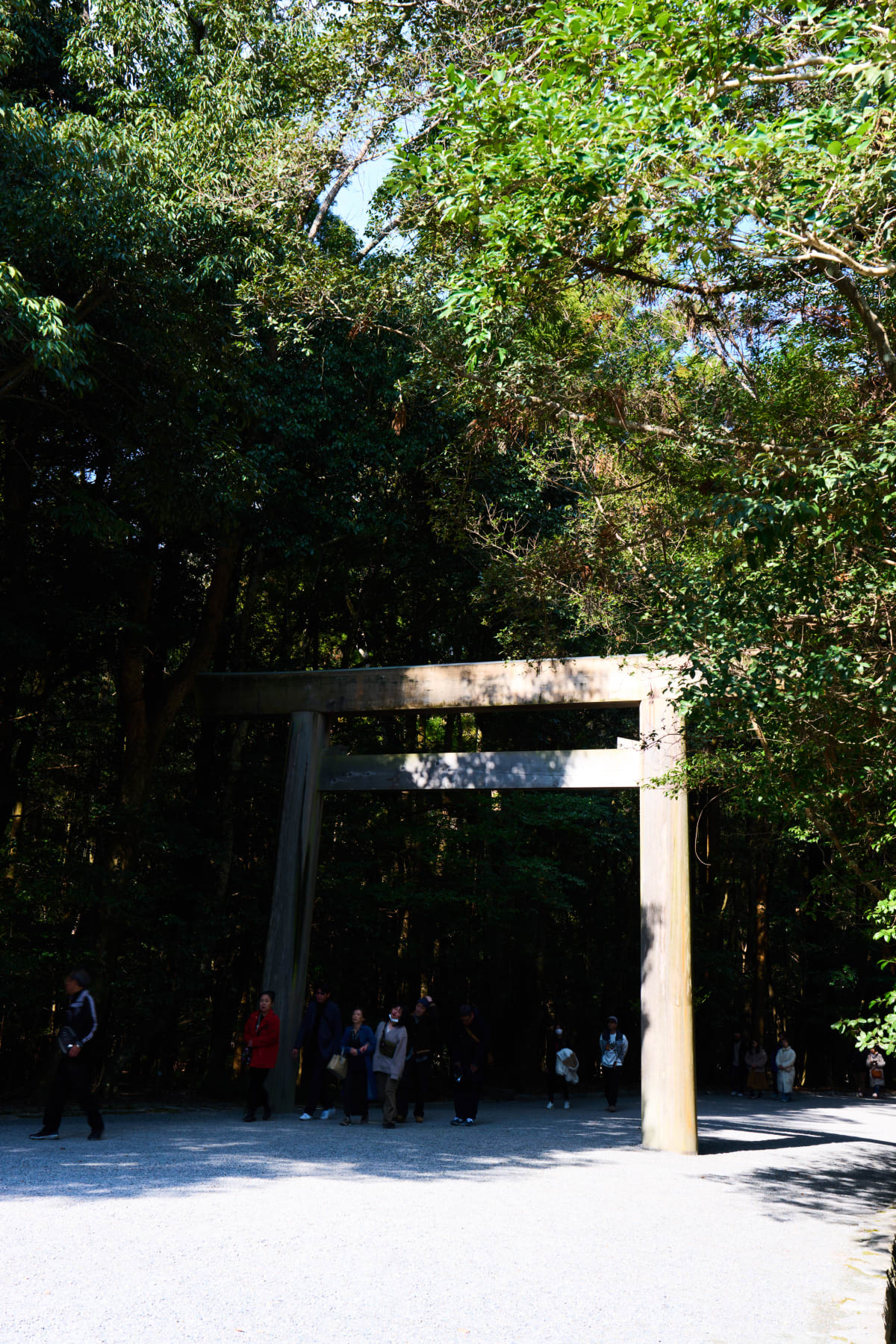
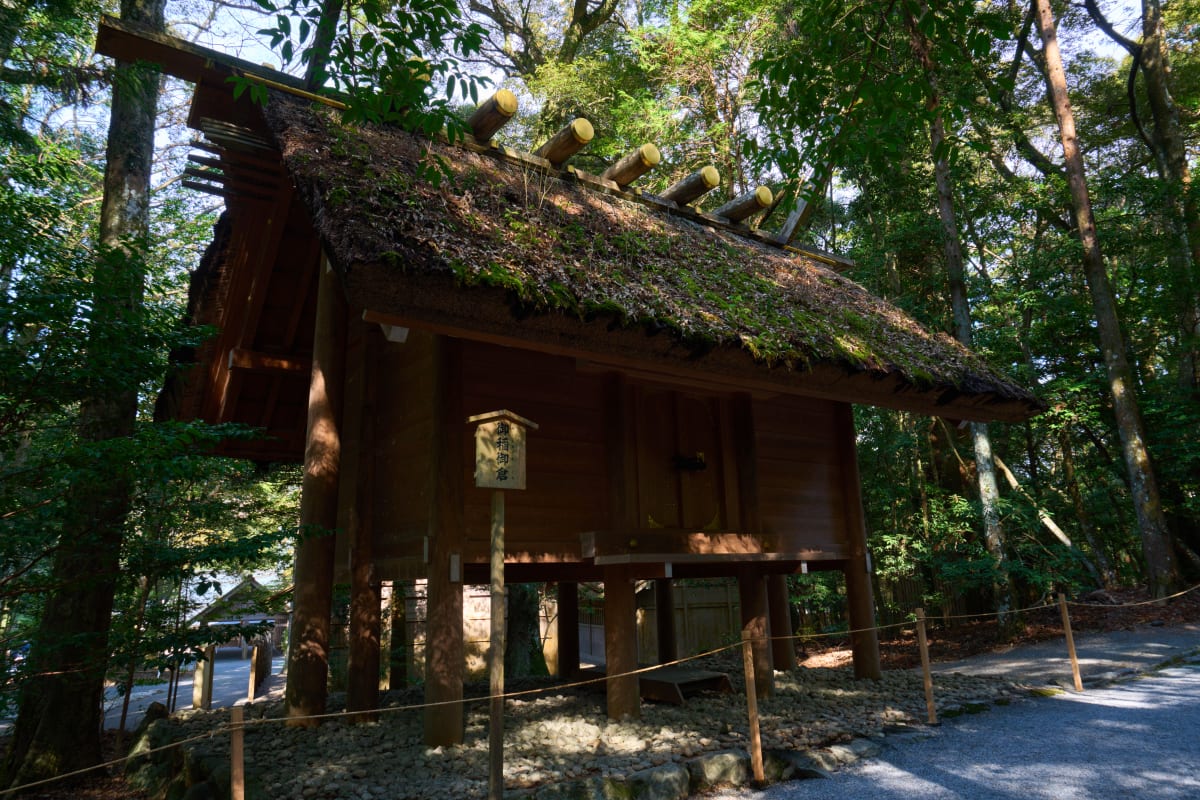
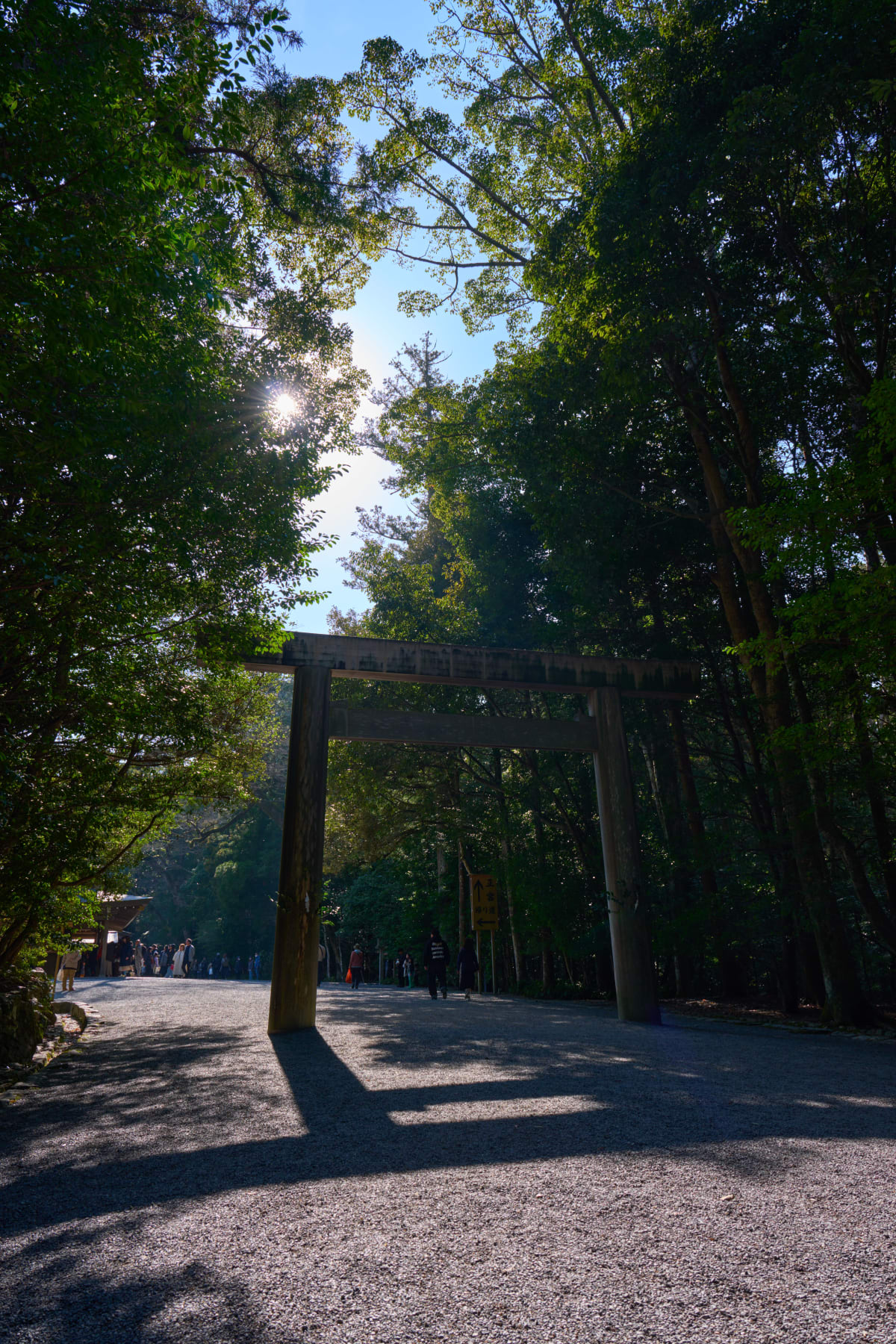
Ise Jingu is the highest-ranking Shinto shrine in Japan, situated in Ise City, Mie Prefecture. As the head of approximately 80,000 shrines nationwide, it enshrines Amaterasu Omikami — the imperial ancestor deity. Centered on the two main sanctuaries — Naiku (Kotai Jingu) and Geku (Toyouke Daijingu) — it comprises 125 shrines in total, all known collectively as «Jingu» or «Ise Jingu.» With about 2,000 years of history, the shrine perpetuates the «Shikinen Sengu» — the rebuilding of every sanctuary, sacred treasure, and vestment every 20 years (a tradition unbroken since 690 AD; the next occurs in 2033) — preserving a ritual culture nearly without parallel in the world.
Highlights
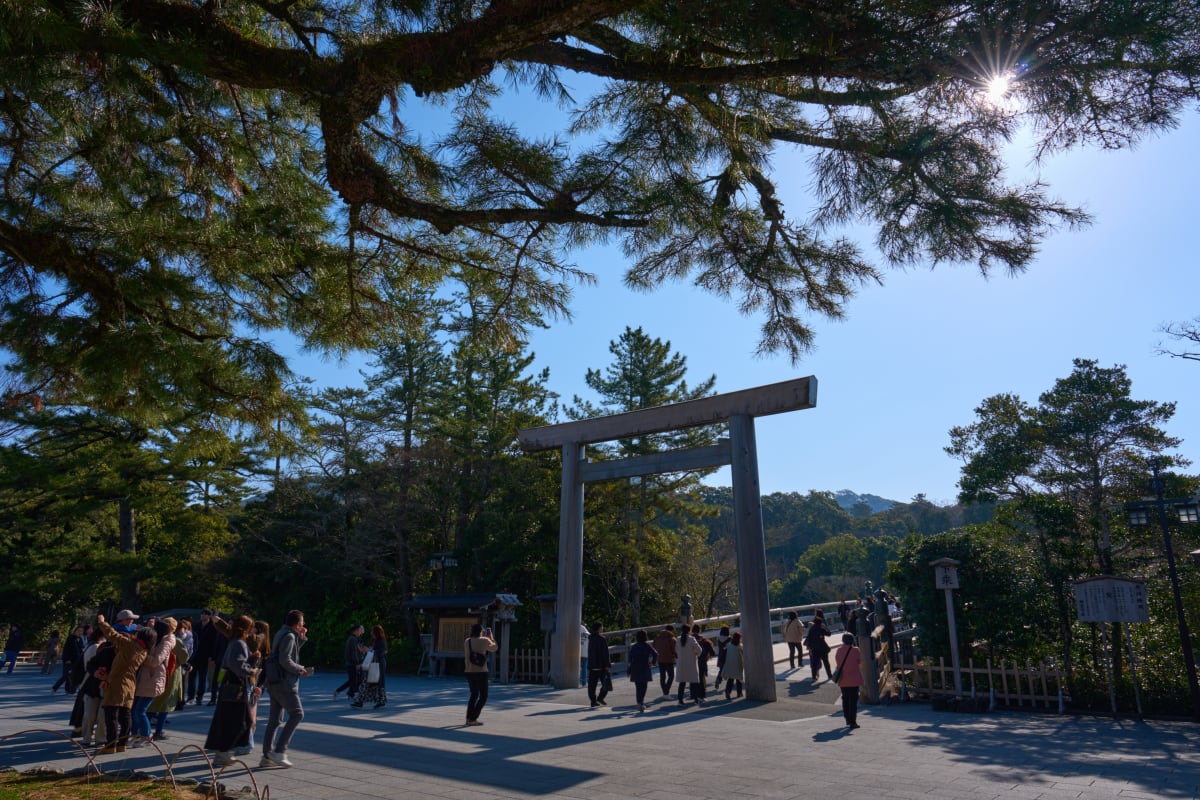
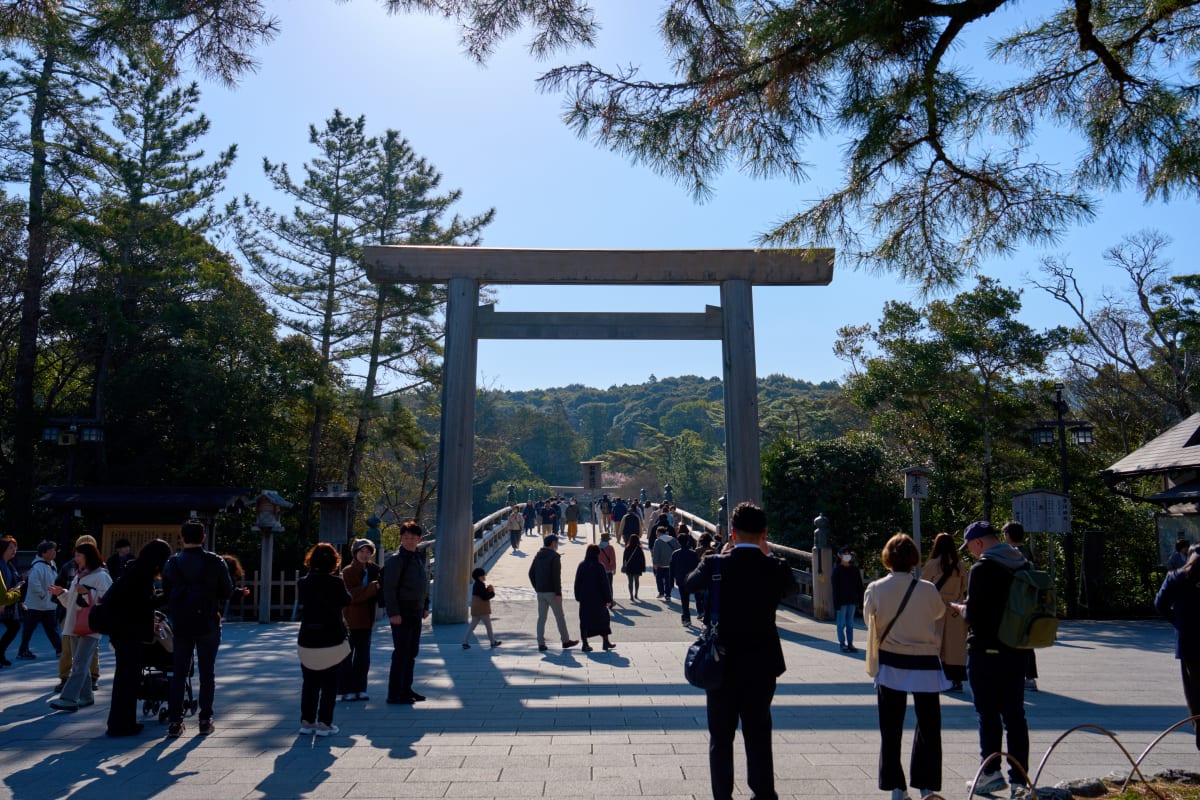
- Naiku (Kotai Jingu) — enshrining Amaterasu Omikami; cross Uji Bridge to enter the shrine grounds, the Isuzu River, the inner sanctuary, and the Aramatsuri-no-miya — the most sacred ground
- Geku (Toyouke Daijingu) — enshrines Toyouke, deity of Amaterasu's daily meals; tradition holds that worshippers visit Geku first
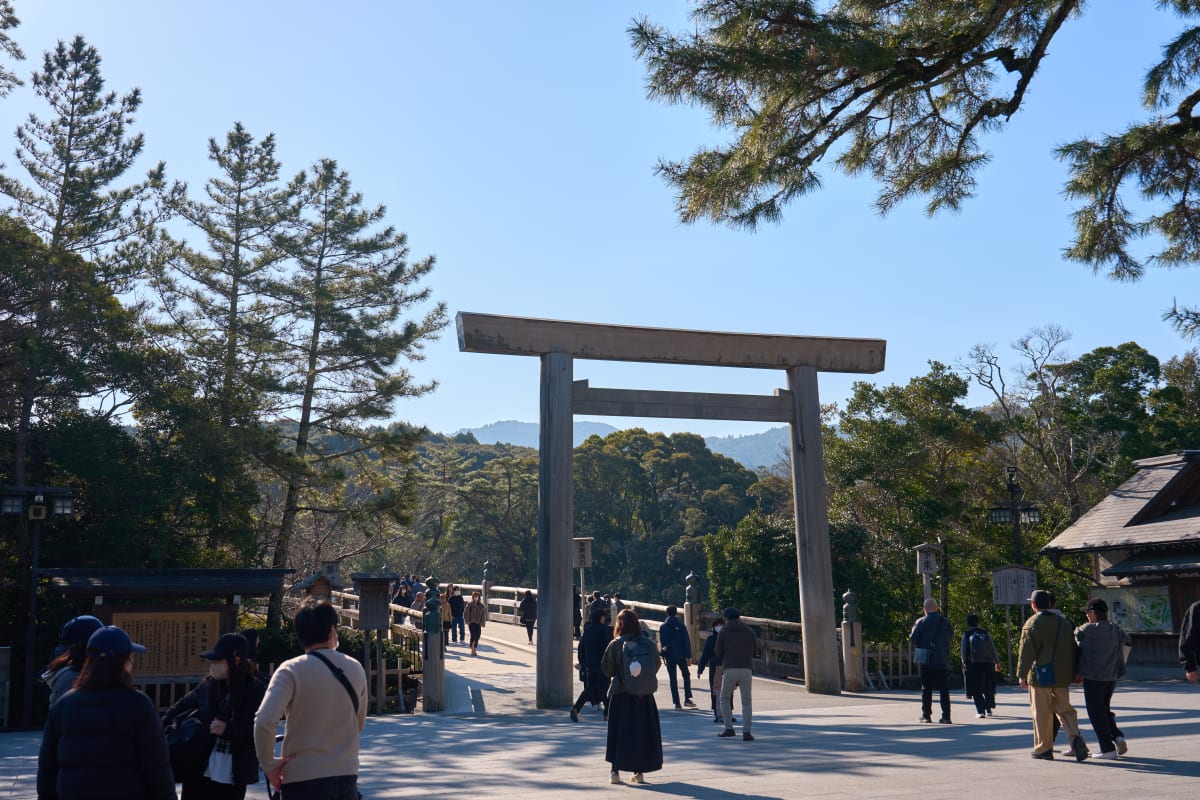
- Uji Bridge — about 100 m of wooden bridge marking Naiku's entrance, rebuilt every 20 years; the Isuzu River framed through its rails is exquisite
- Isuzu River and shrine cedars — millennia-old cedars line the approach, with «Mitarashiba» a place to purify hands in the river
- Shikinen Sengu rituals — the «Okihiki» log-pulling ceremony and the once-in-20-years sacred rebuilding; the next occurs in 2033
Quick Answers
What is Ise Jingu?
The highest-ranking Shinto shrine in Japan, located in Ise City, Mie Prefecture. As the head of about 80,000 shrines nationwide, it enshrines Amaterasu Omikami at Naiku and Toyouke at Geku, comprising 125 shrines in total — Japan's spiritual heart with about 2,000 years of history.
Naiku or Geku first?
Tradition: Geku first, then Naiku. The two sanctuaries are about 5 km apart, 15 minutes by bus. Both open from 5 AM, and 6–8 AM is best for photography with fewest visitors. Allow about half a day to visit both.
Photography etiquette?
Inside the main sanctuaries is strictly off-limits. Keep photography modest within the torii gates, and avoid shooting worshippers or priests directly. Confirm tripod use in advance; Naiku's 5 AM opening offers the calmest, softest light.
What is Shikinen Sengu?
Every 20 years, the main halls of Naiku and Geku and 14 auxiliary shrines are completely rebuilt — the largest Shinto ritual. The 62nd was in 2013; the 63rd is set for 2033. Old timbers are reused at other shrines in a circular system. Preparations like the Uji Bridge replacement are already underway.
How do I get there?
From Nagoya: Kintetsu Limited Express ~1hr 20min, ¥3,070. From Osaka ~1hr 40min. Geku is 5 min walk from Iseshi Station; Naiku is 15 min by bus from Geku. Allow a half-day to visit both. The 5 AM opening means an overnight stay in Ise the night before is recommended.
Goshuin and souvenirs?
Goshuin (shrine seals) are issued separately at Naiku and Geku (¥300 each). At Okage Yokocho: Akafuku main shop (with the bonmaWashi morning gruel and takeaway sweets), Ise udon, and tekone-zushi are local specialties. Since photography is restricted inside the shrines, the Oharaimachi/Okage Yokocho streets become the main photo subjects.

Practical Information
- Access
- Kintetsu Iseshi or Ujiyamada Station. Geku is 5-min walk; Naiku is 20-min bus.
- Parking
- Large free parking at both Geku and Naiku. Crowded on holidays.
- Admission
- Free admission.
- Duration
- Half day for Geku + Naiku + Okage Yokocho.
- Best Time
- Right at 6 a.m. opening. New moon mornings feel sacred.
More in Mie
Related Content
Collections & Tags