Temples & Shrines
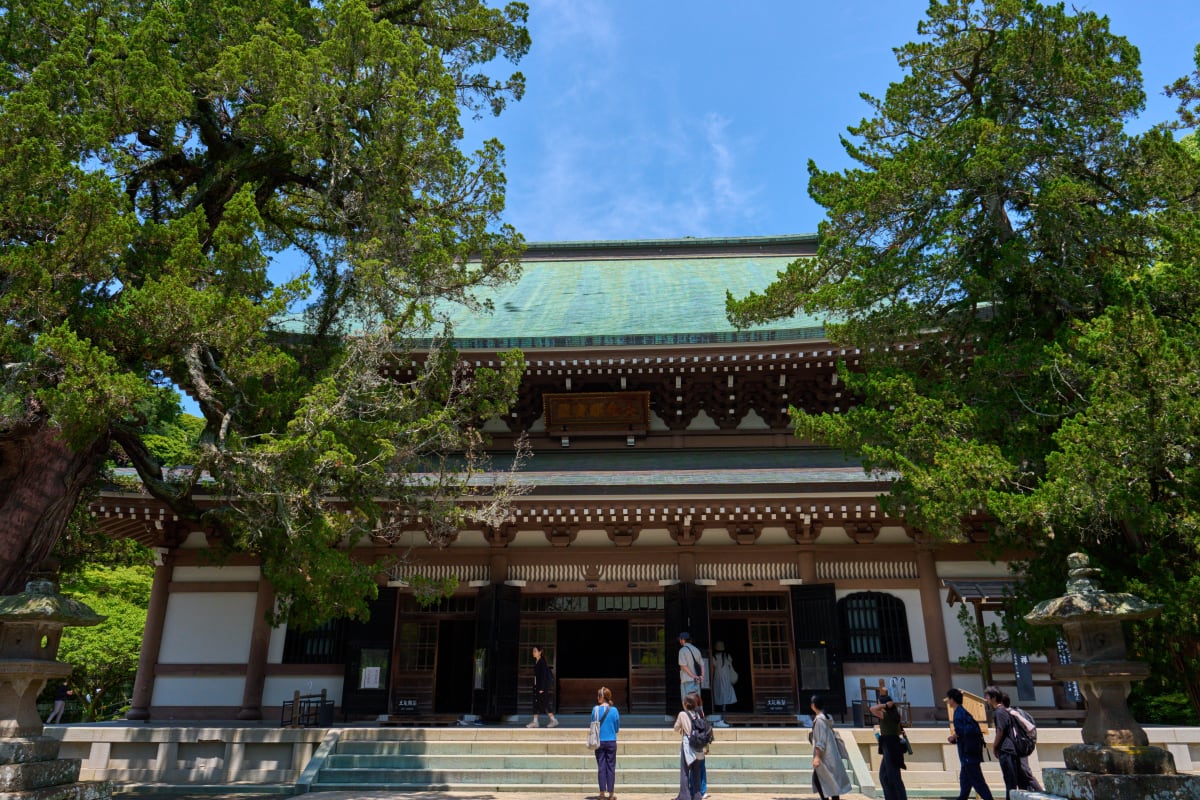
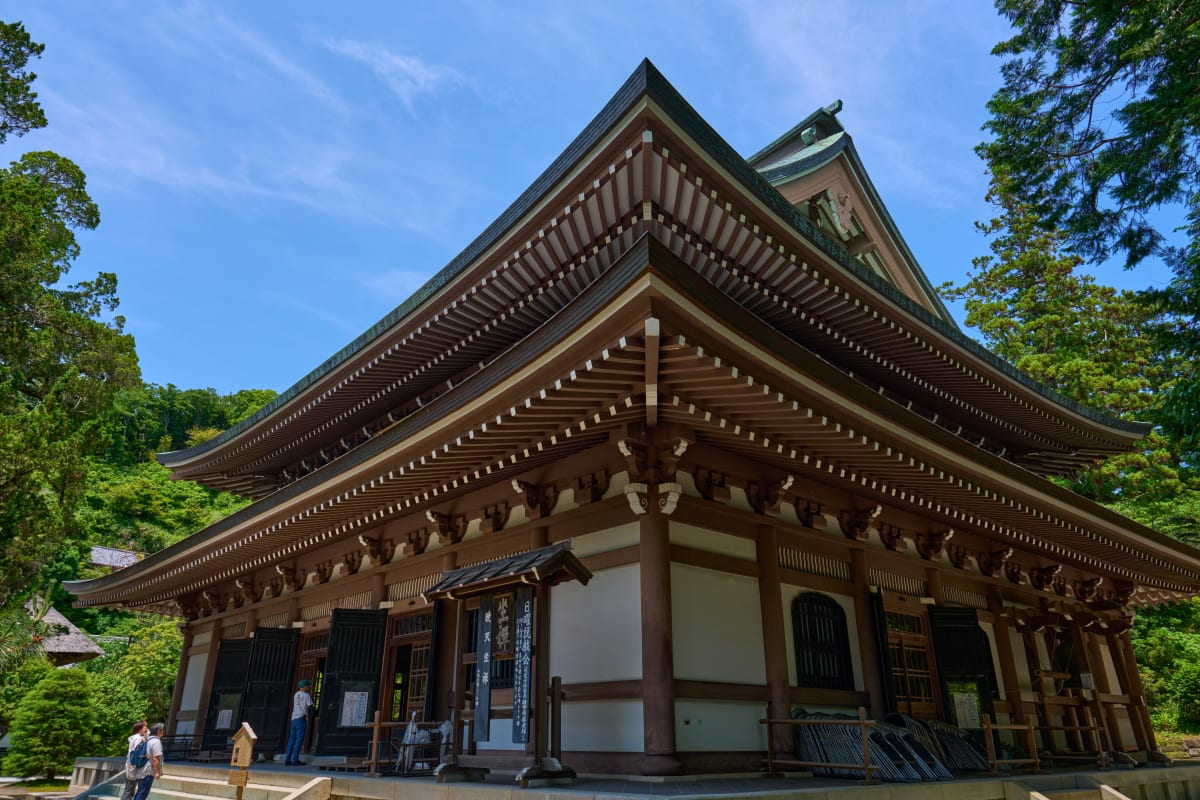
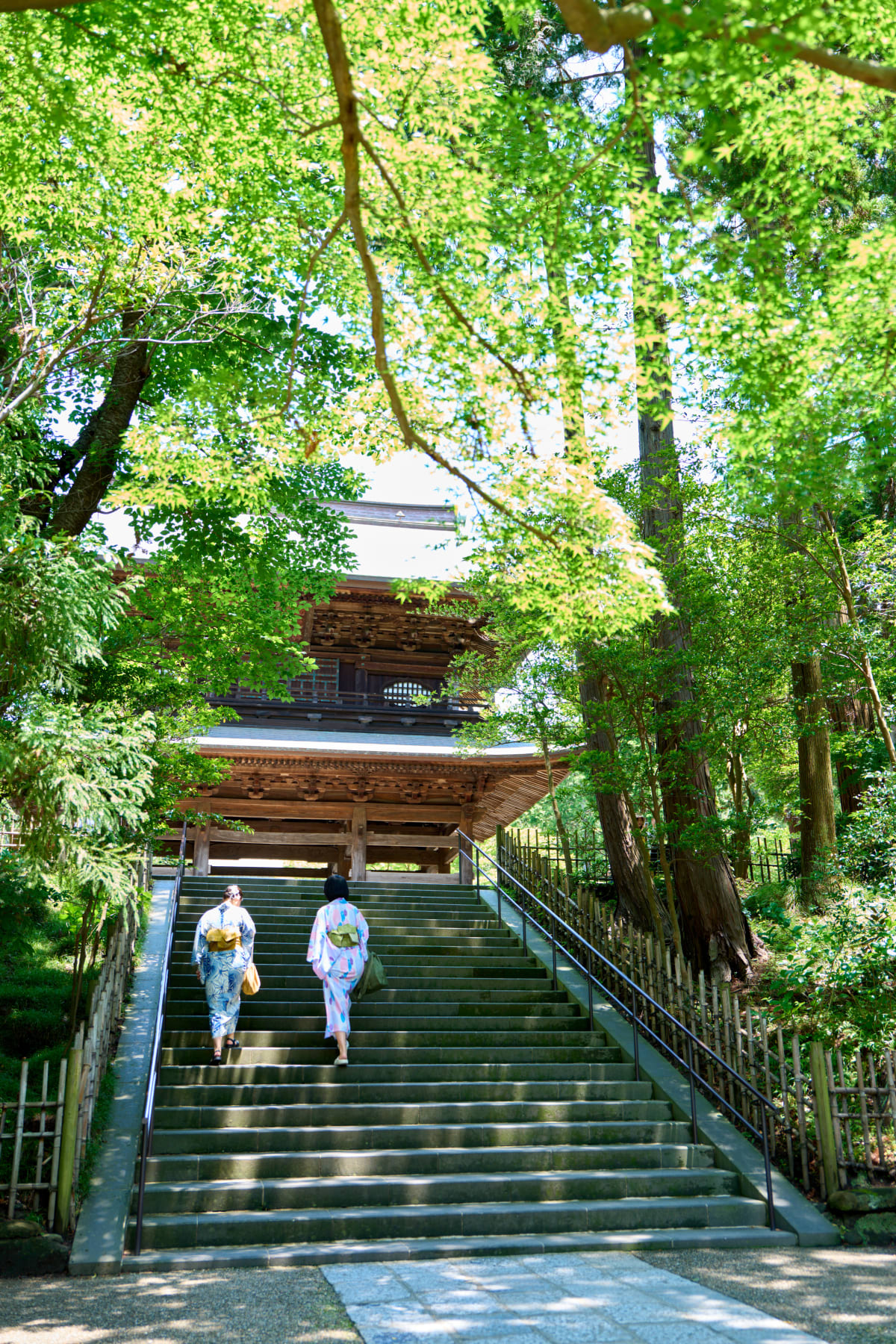
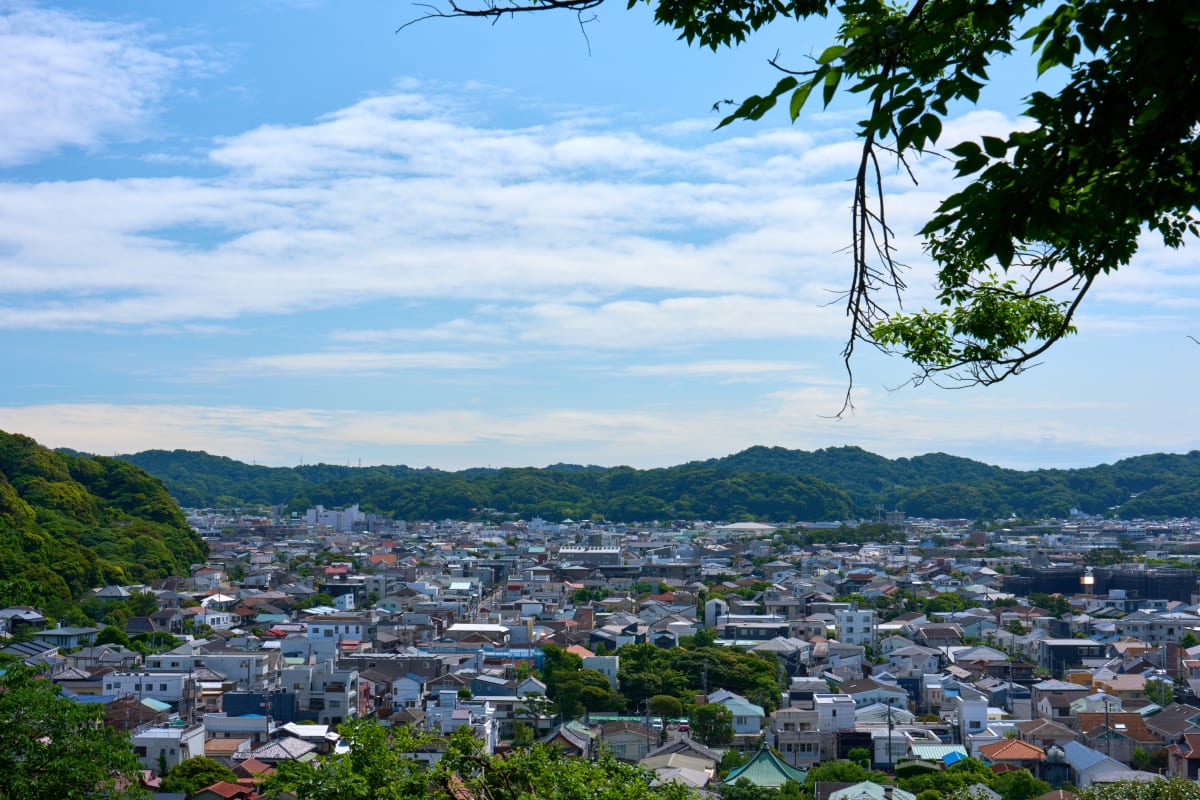
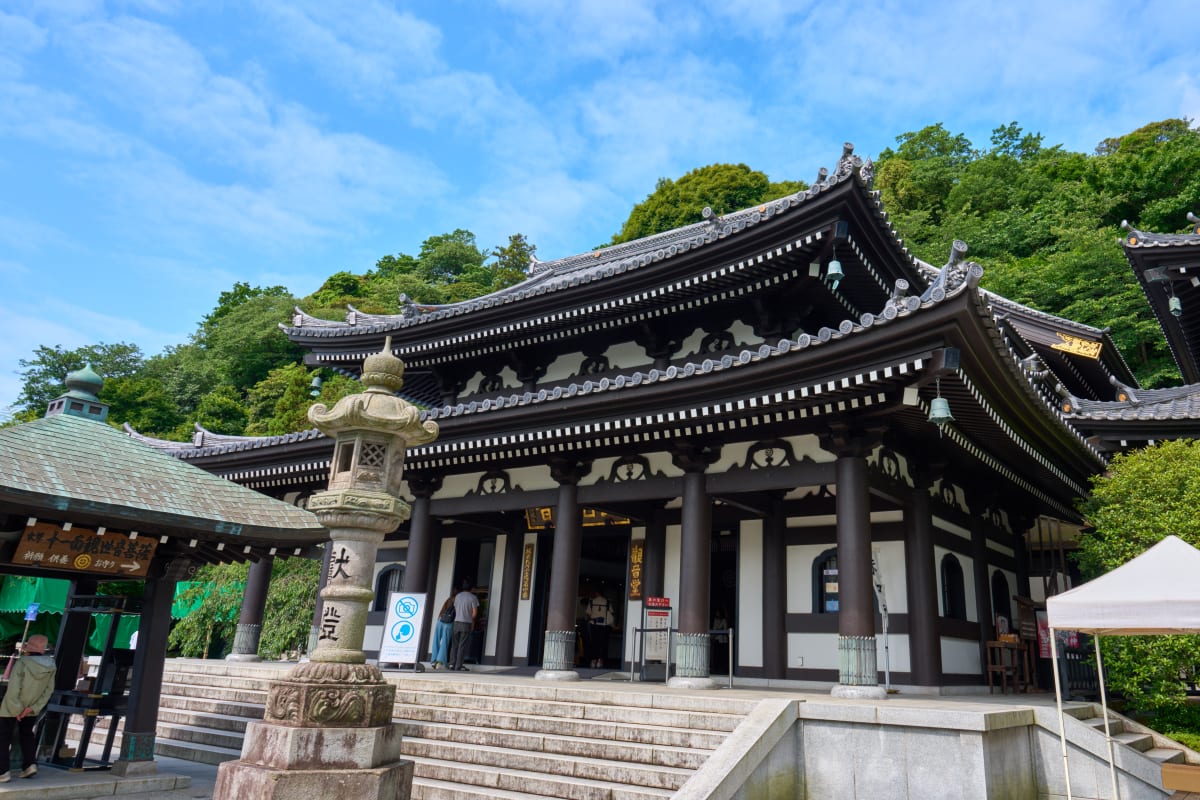
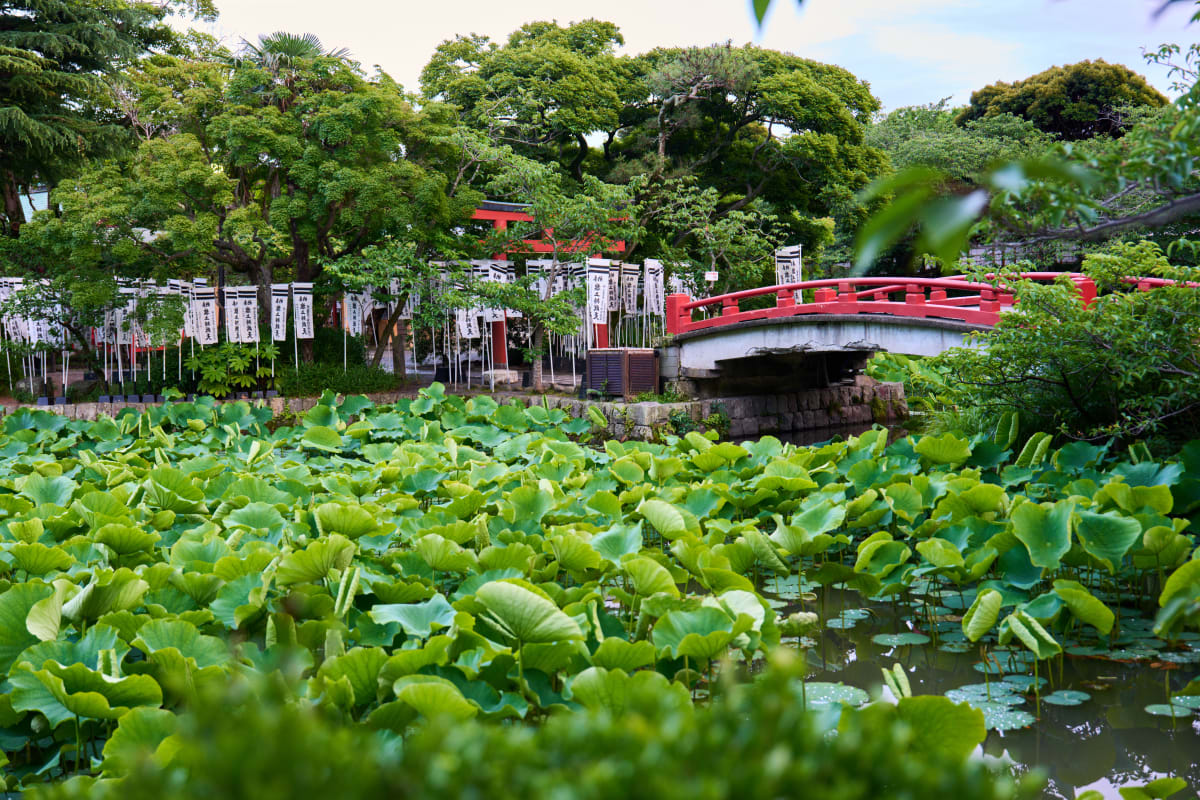
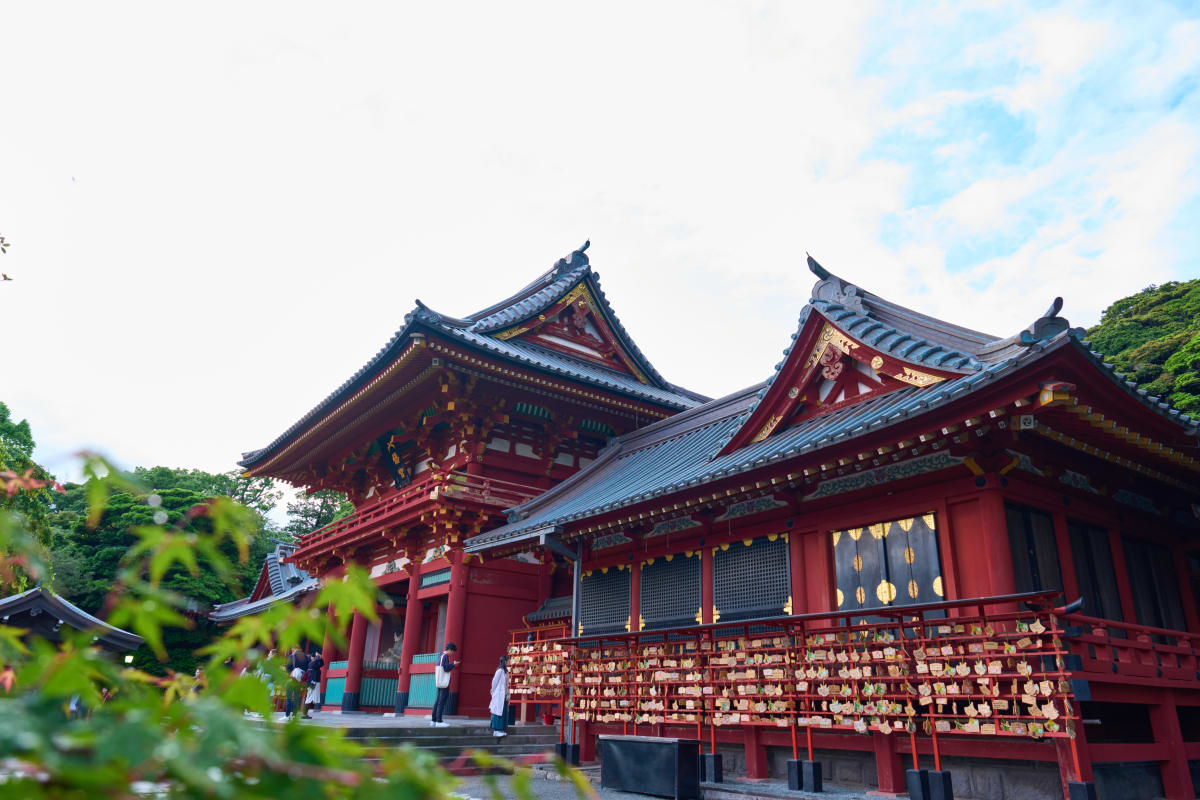
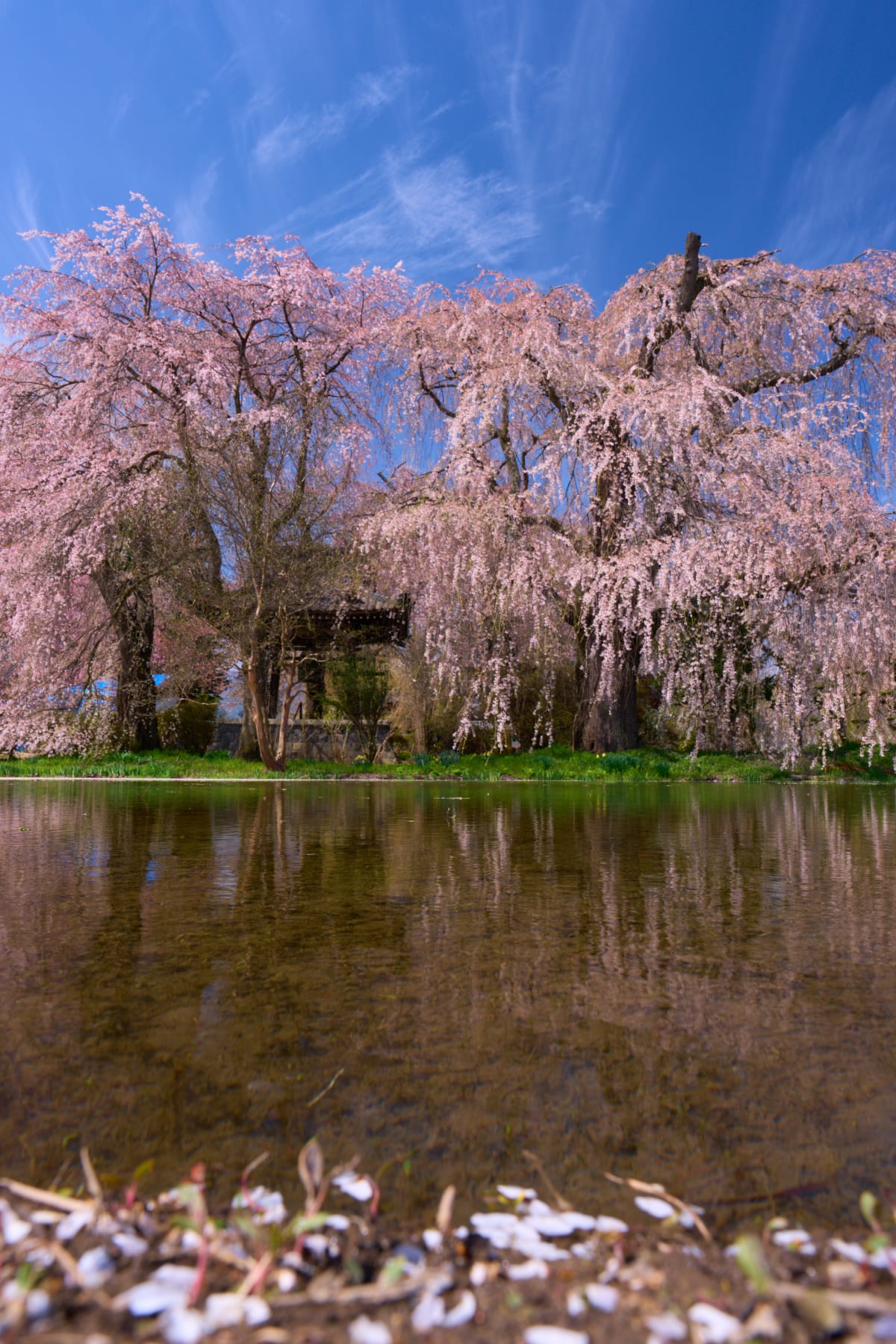
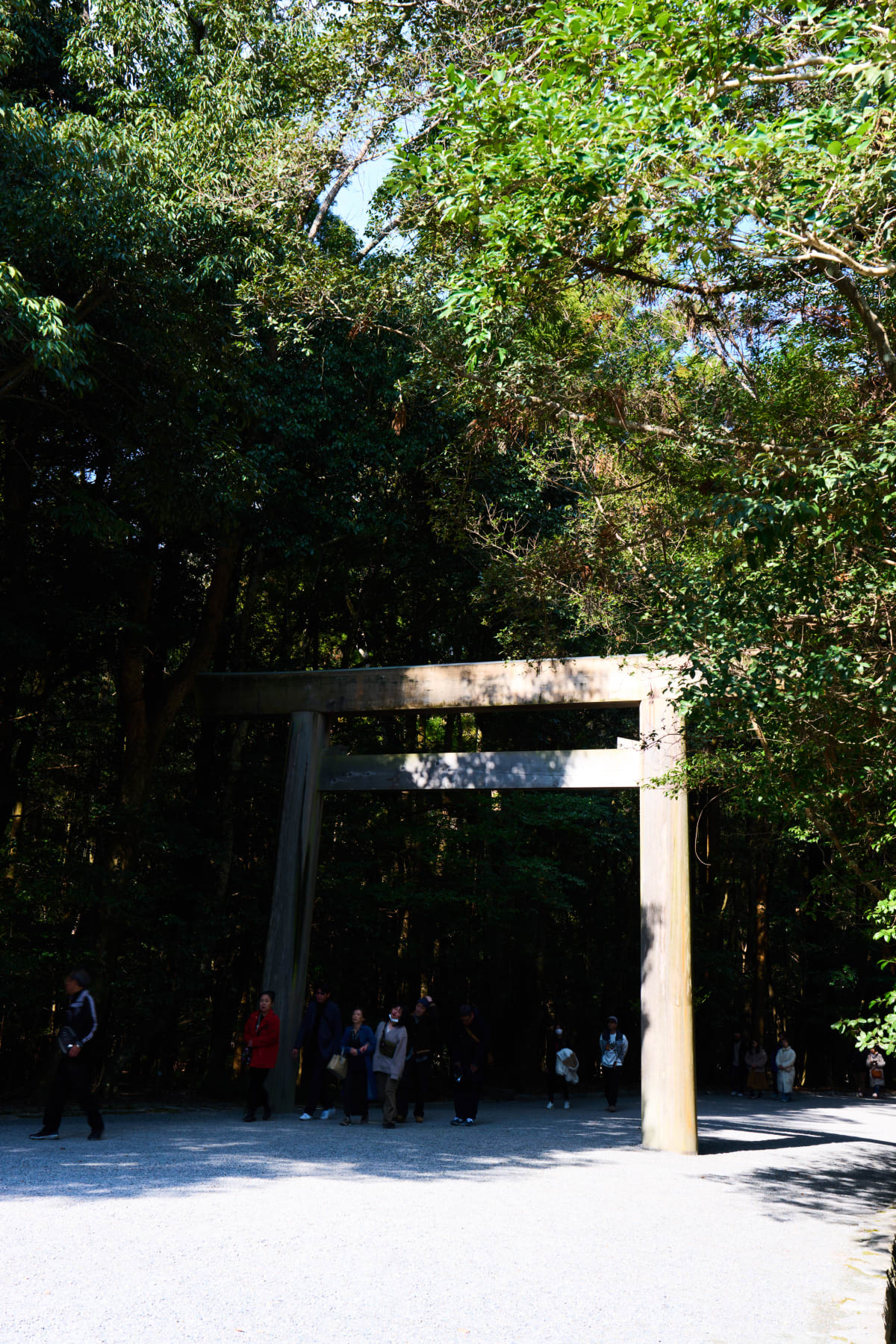
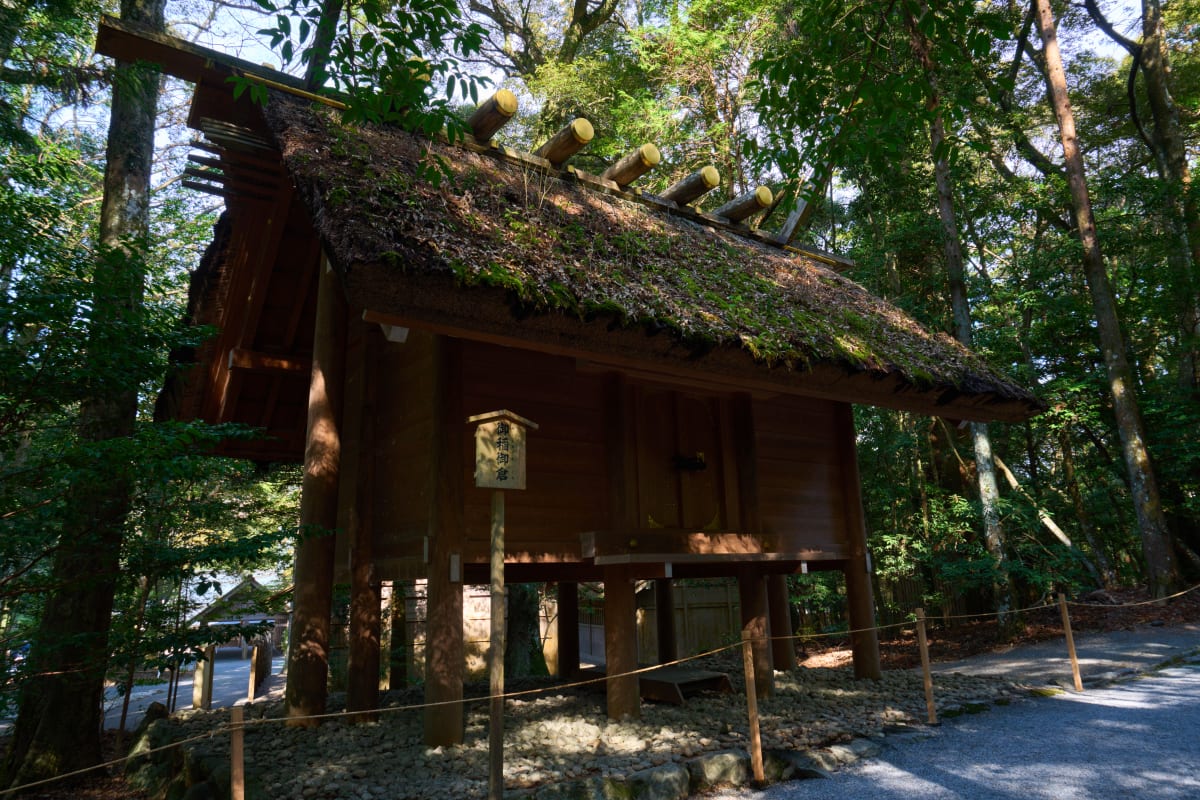
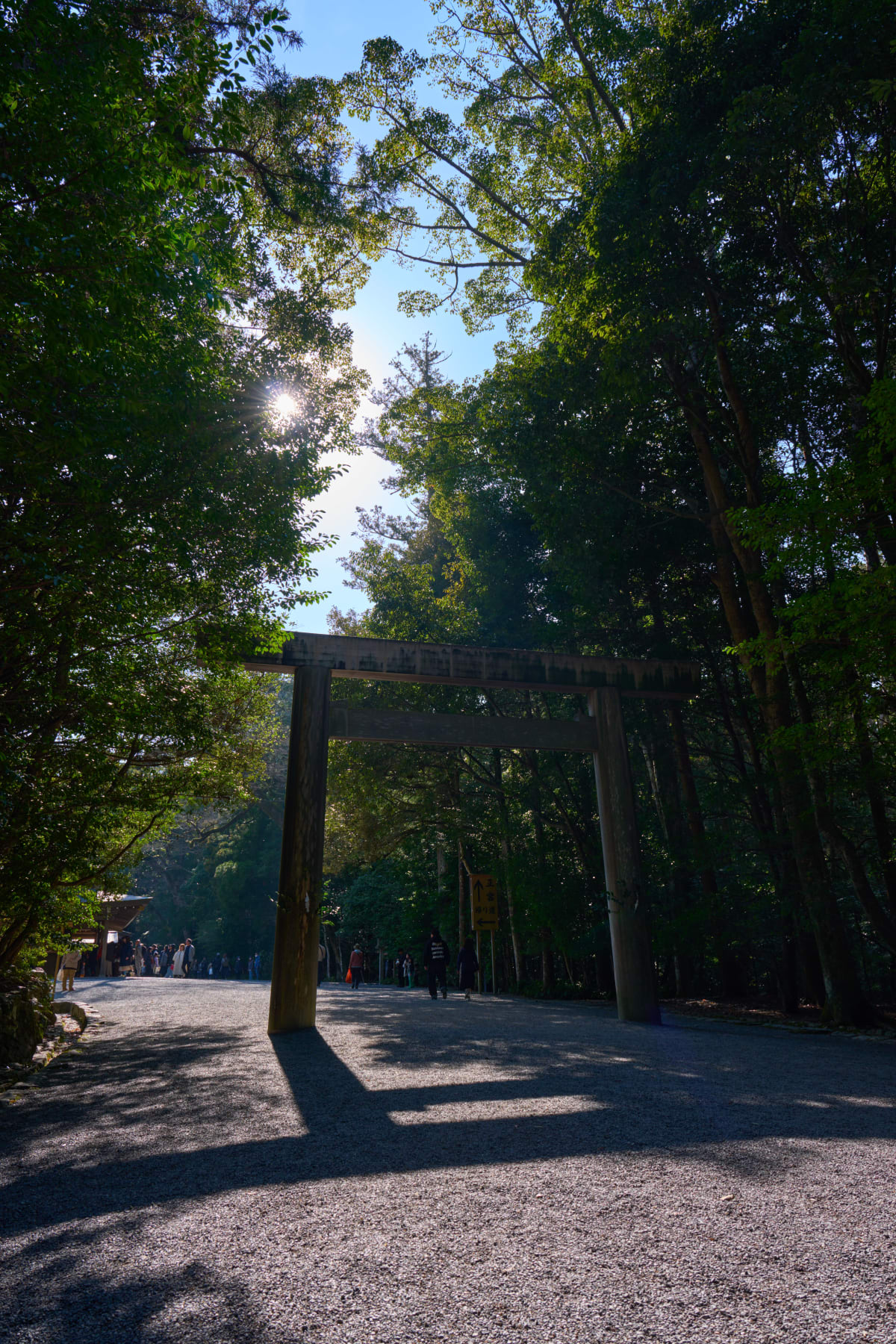
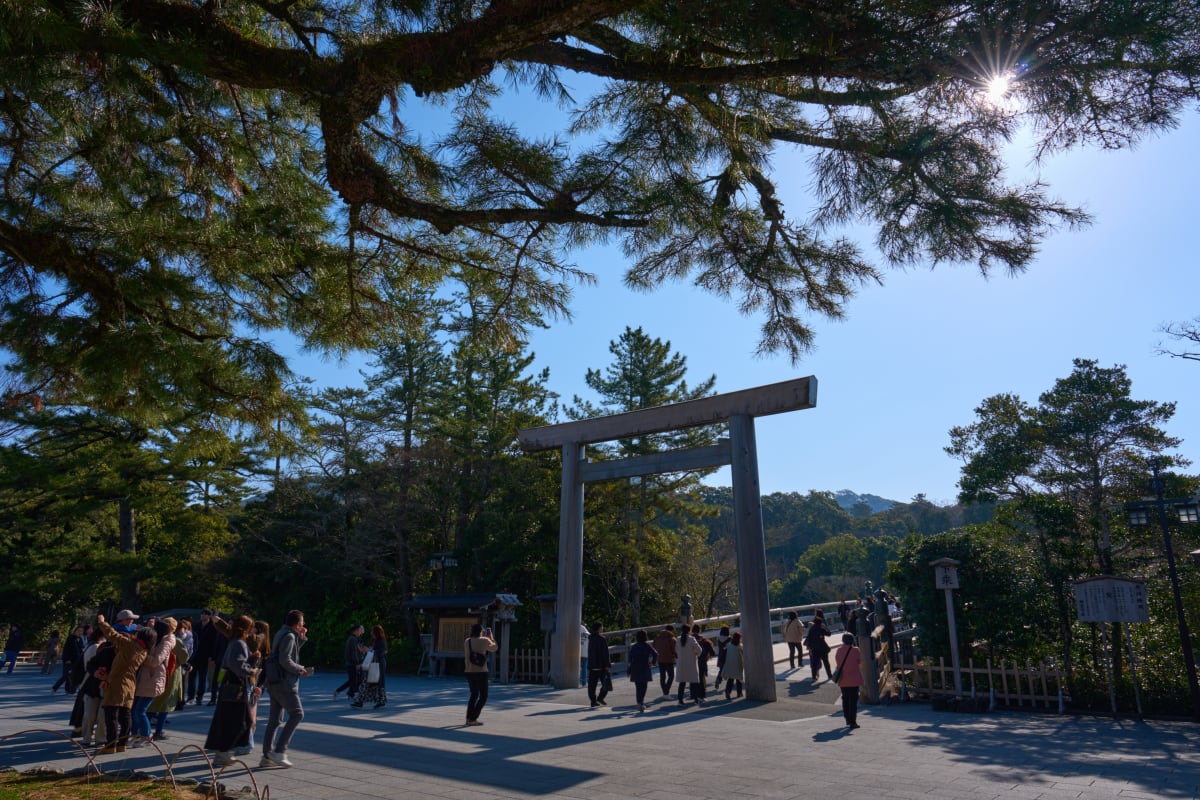
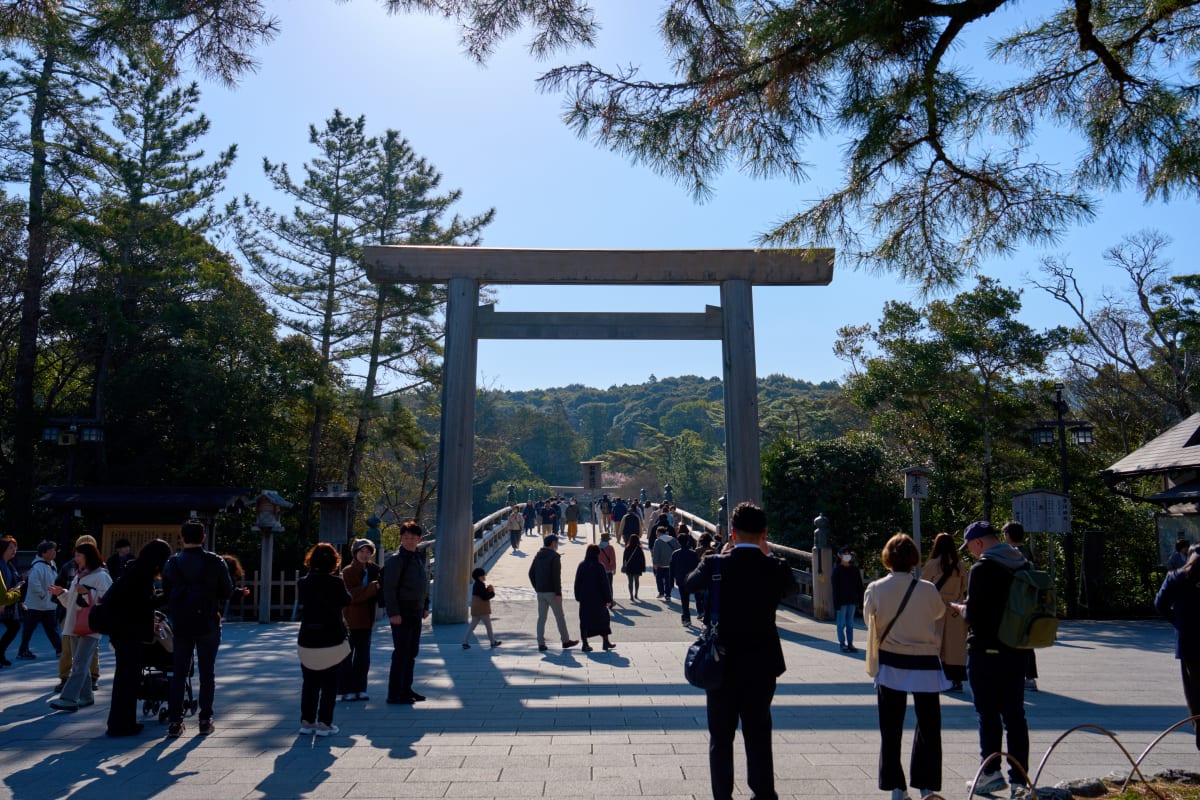
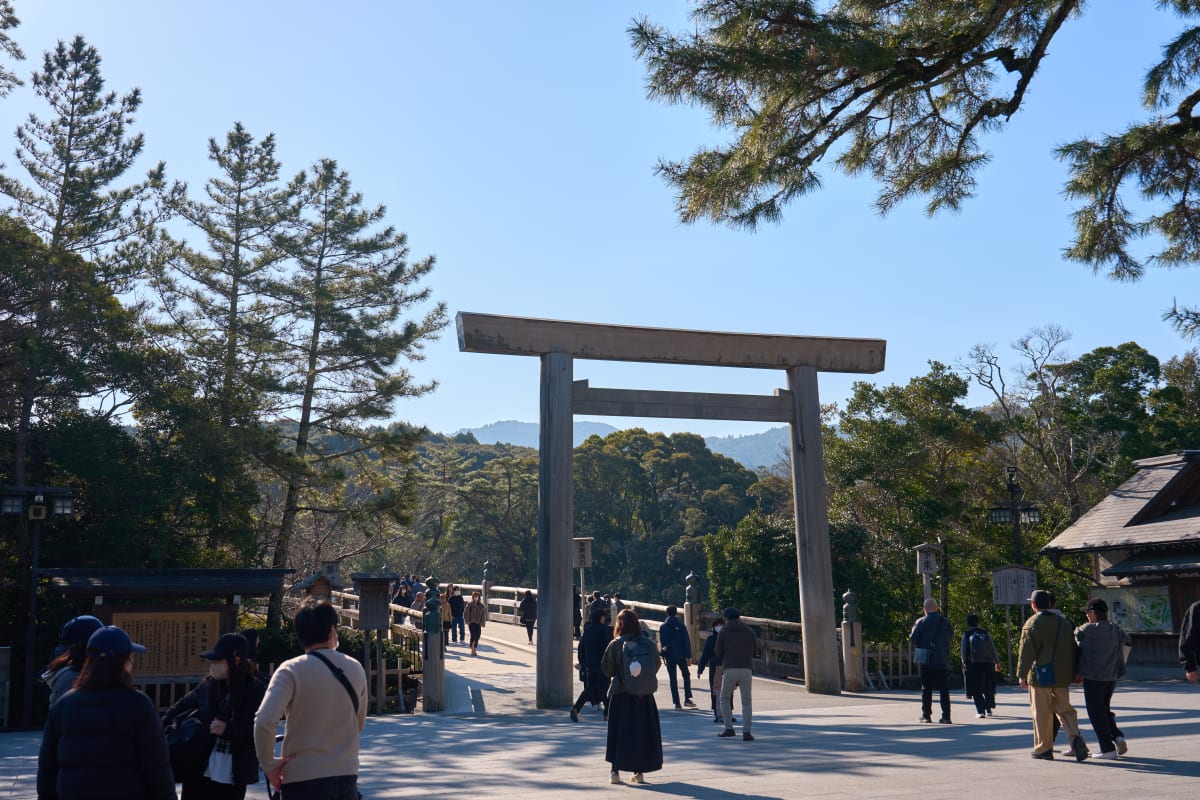
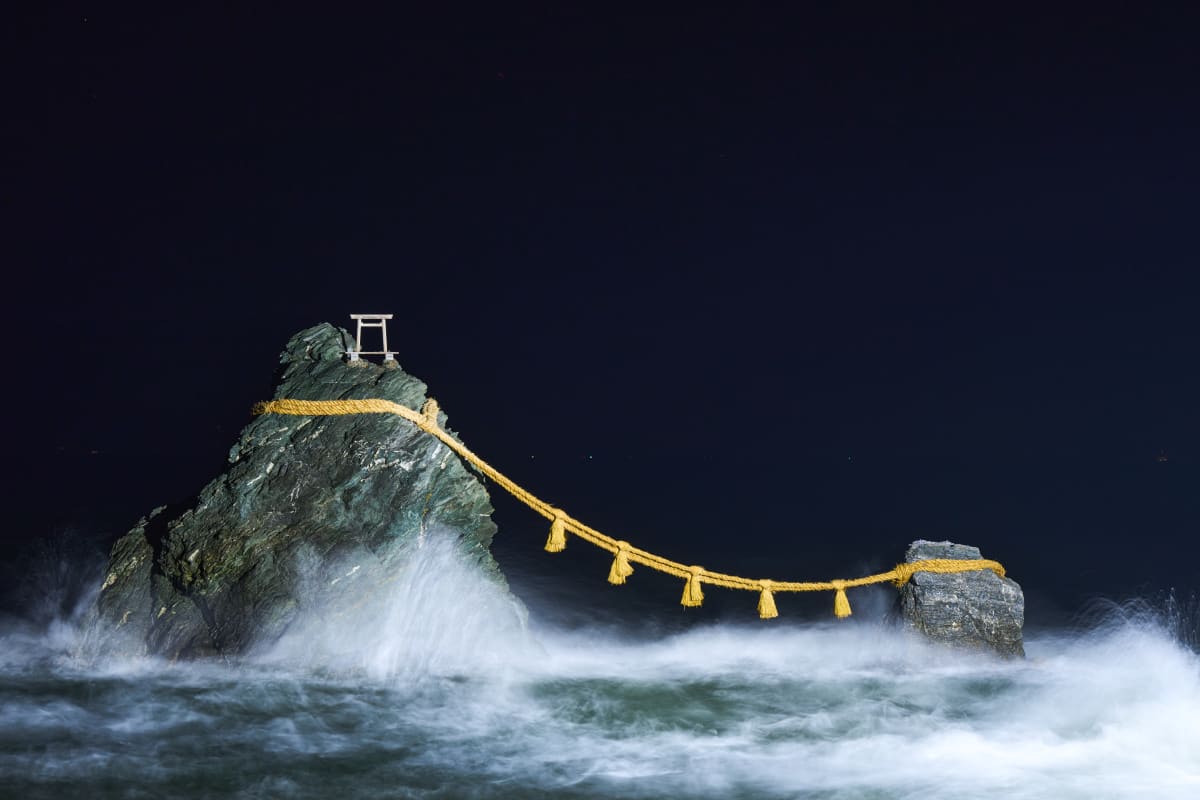
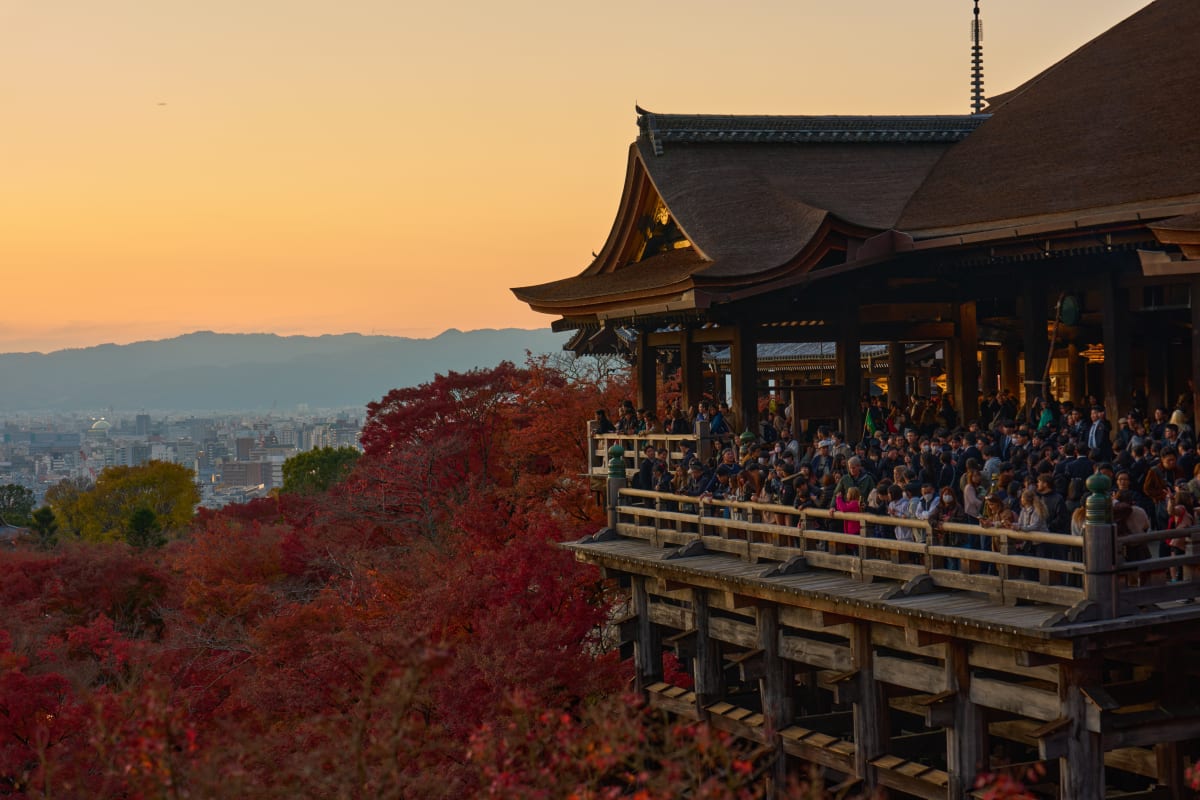
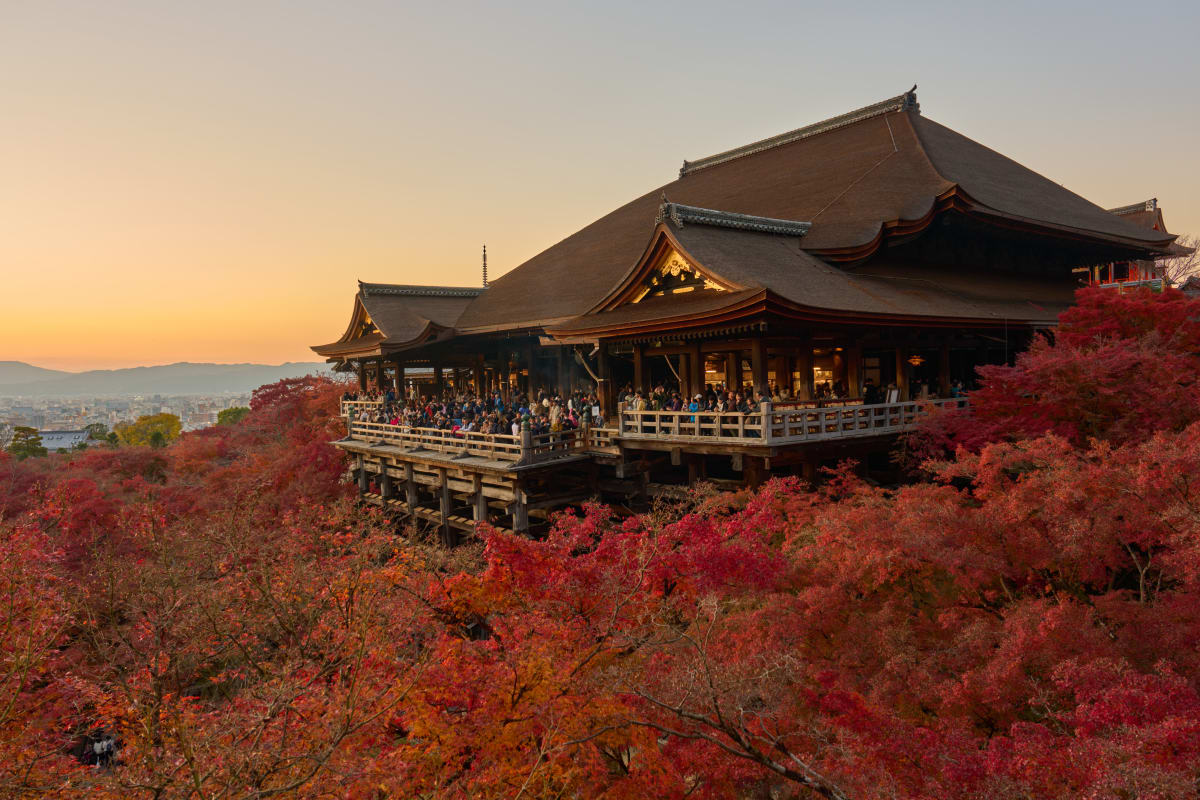
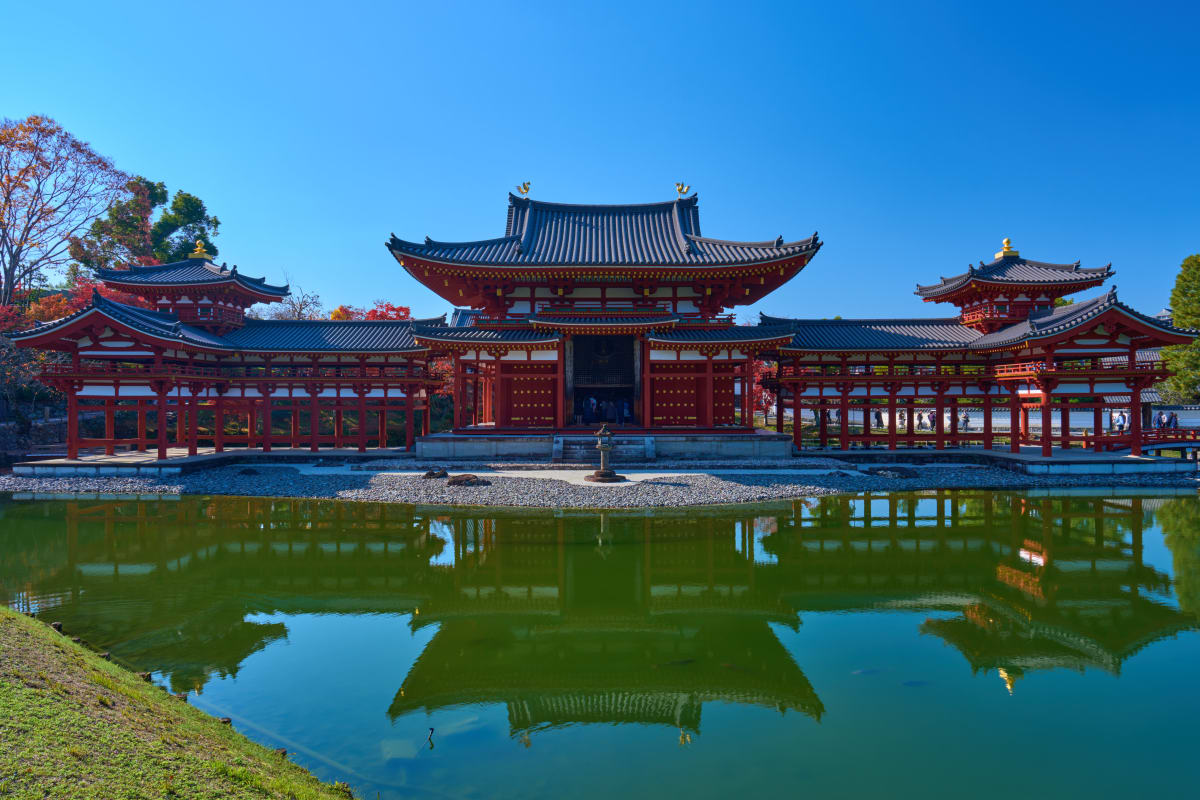
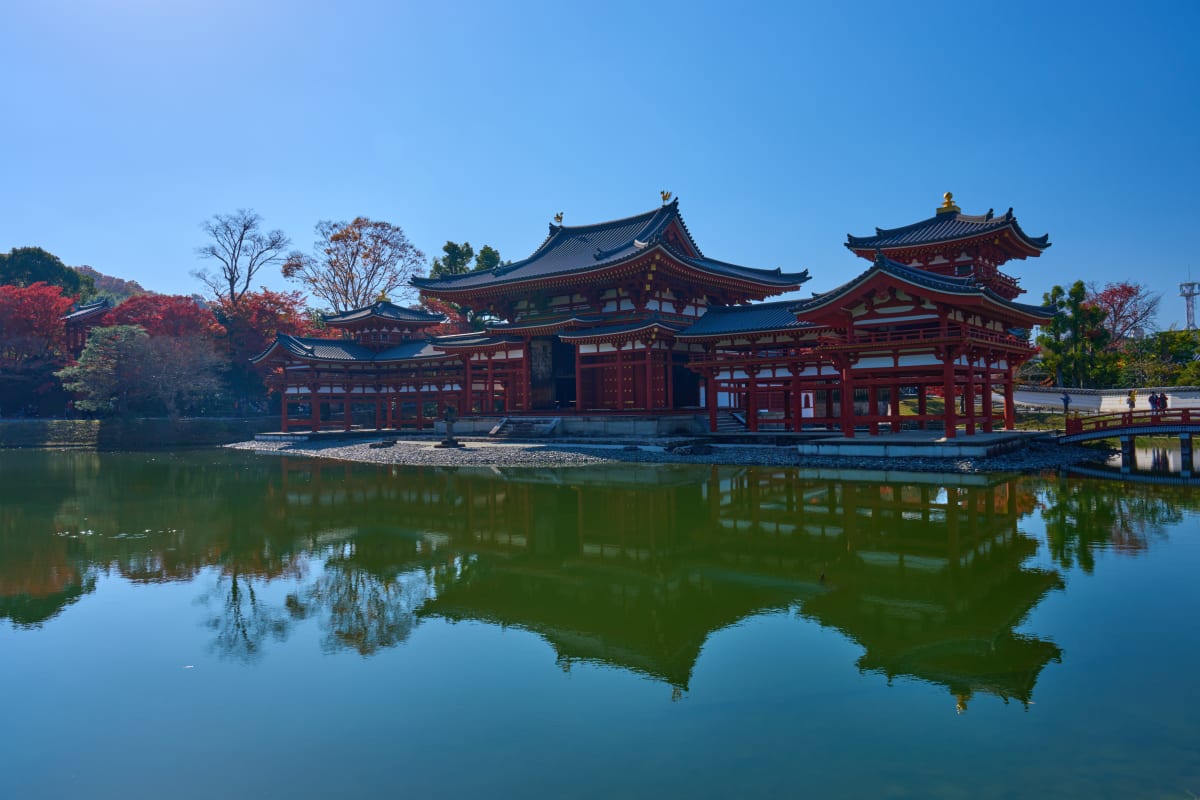
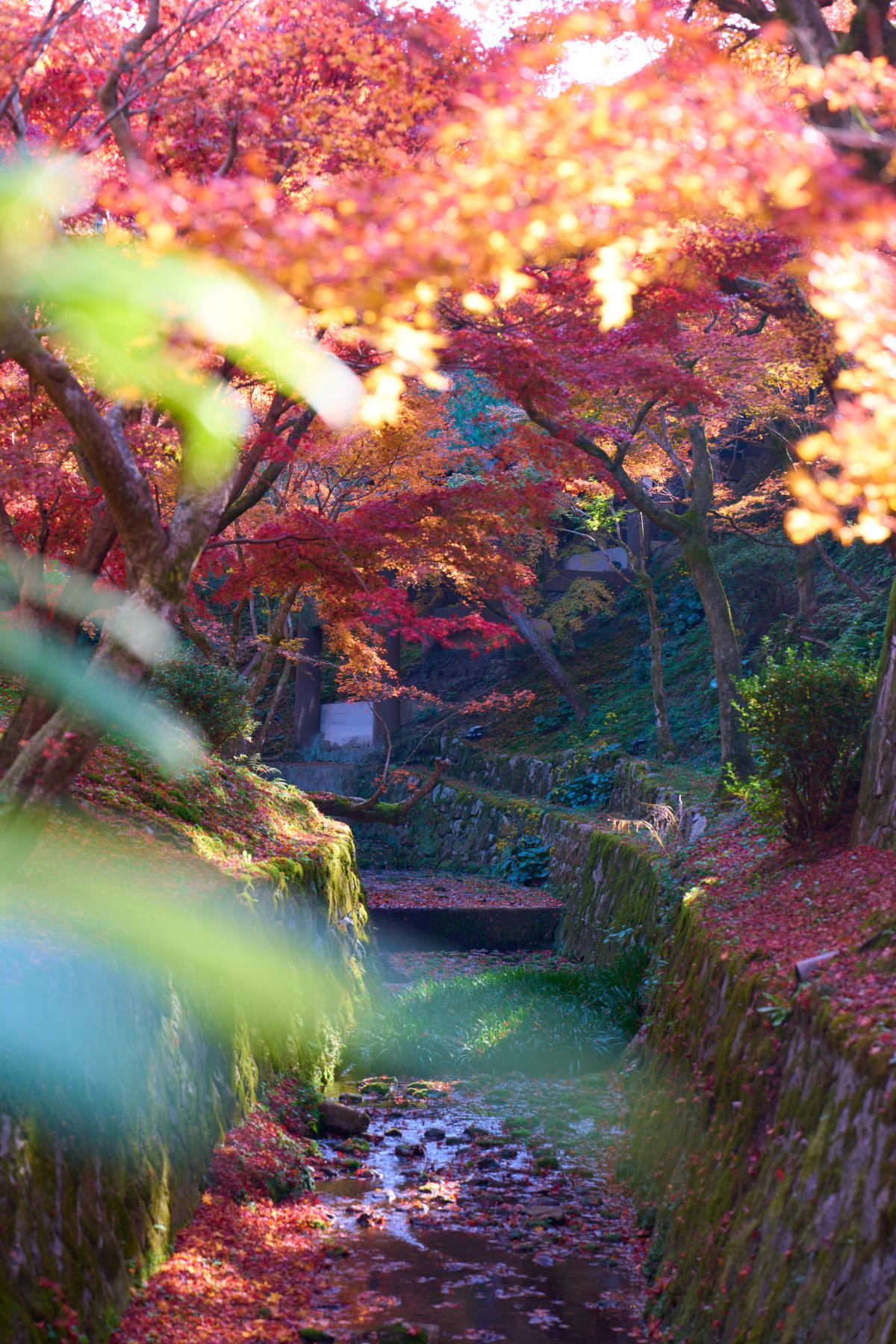
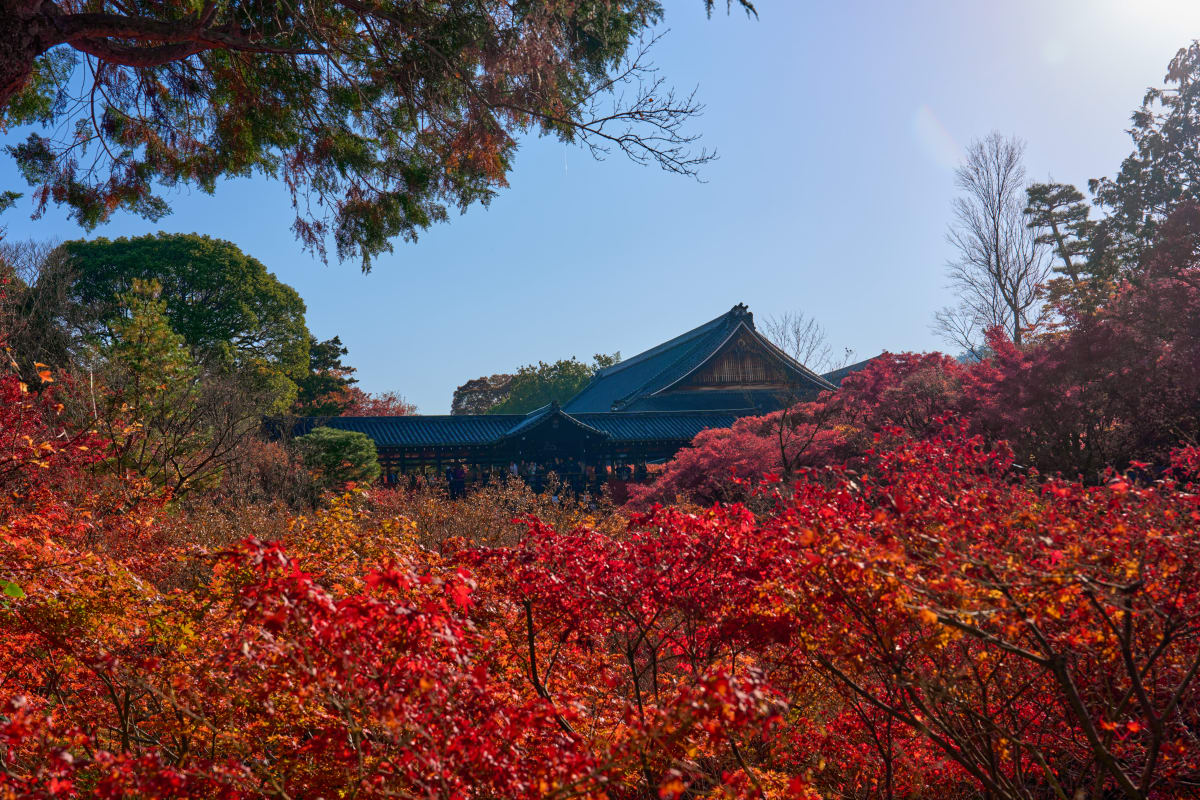
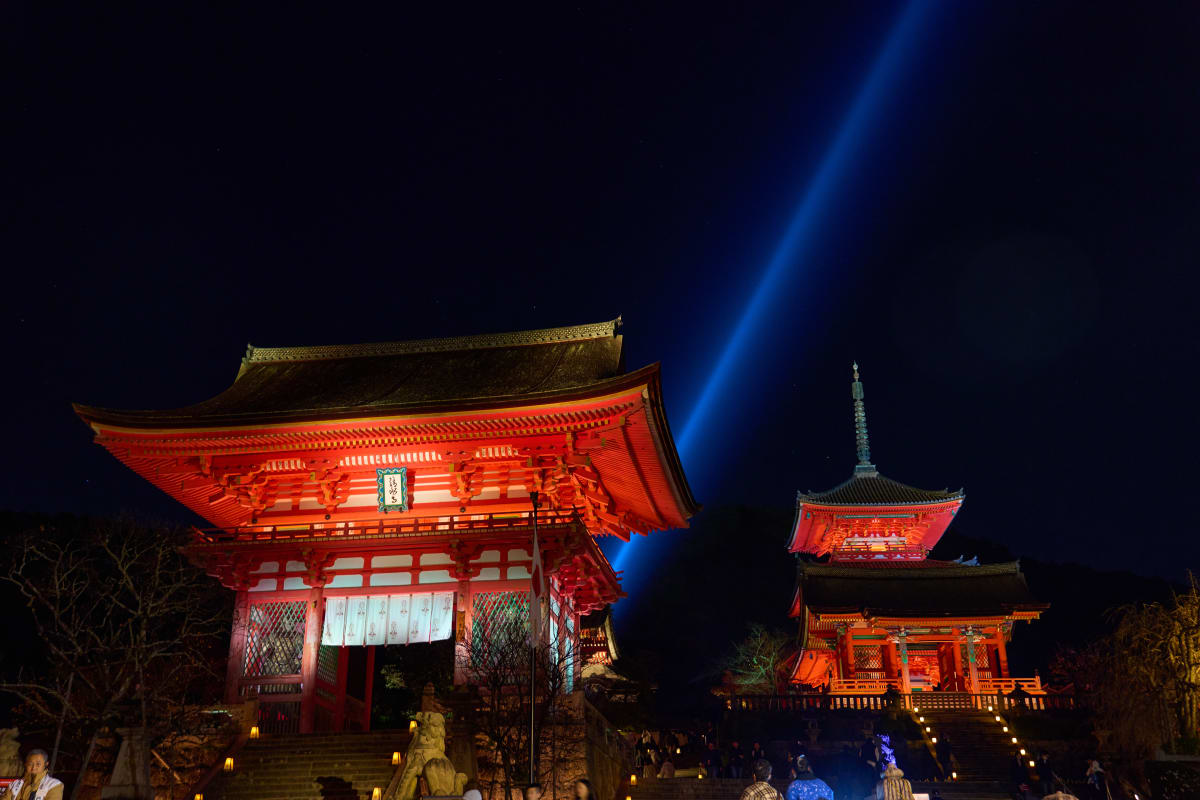
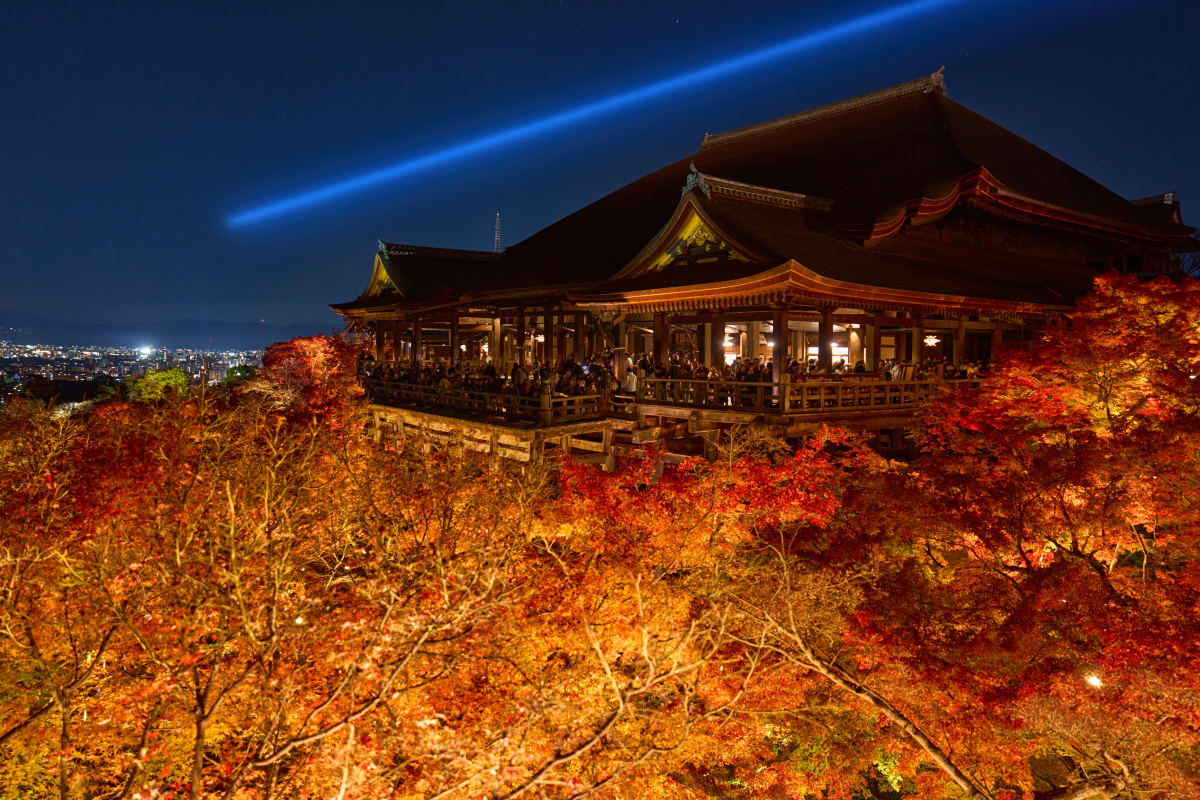
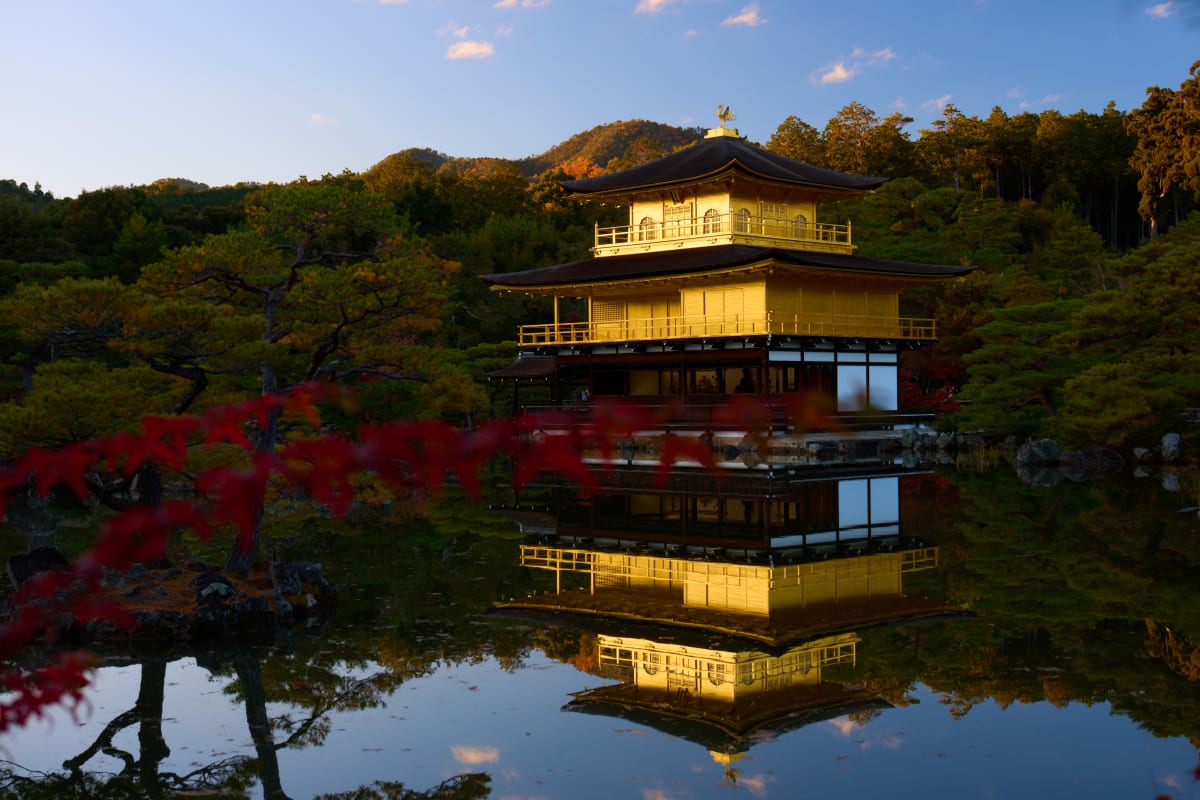
Sacred sites of Japan's spiritual heritage. UNESCO Kiyomizu-dera with its stage and autumn leaves, gold-leafed Kinkaku-ji, Byodo-in Phoenix Hall, autumn-famed Tofuku-ji, the sanctity of Ise Jingu, Horyu-ji (the world's oldest wooden building), and Meoto-iwa's sacred torii — over a thousand years of prayerful landscapes.
Photography Guide
Best Season
Year-round, but autumn (mid–late November), cherry blossom (early April), fresh greenery (early May), and snow (Jan–Feb) are exceptional. Ise Jingu's once-in-20-years Shikinen Sengu (next 2033) is a historic moment. Horyu-ji's post-monsoon (July) blue sky + white clouds + white plaster is ideal.
Best Time
Early morning 6:00–9:00 — quietest, most spiritual. The atmosphere of empty paths and prayer halls only exists before the crowds. Evening 17:00–18:00 lights west-facing halls golden. Just-after-rain heightens stone-pavement, moss, and wooden-architecture textures.
Technique
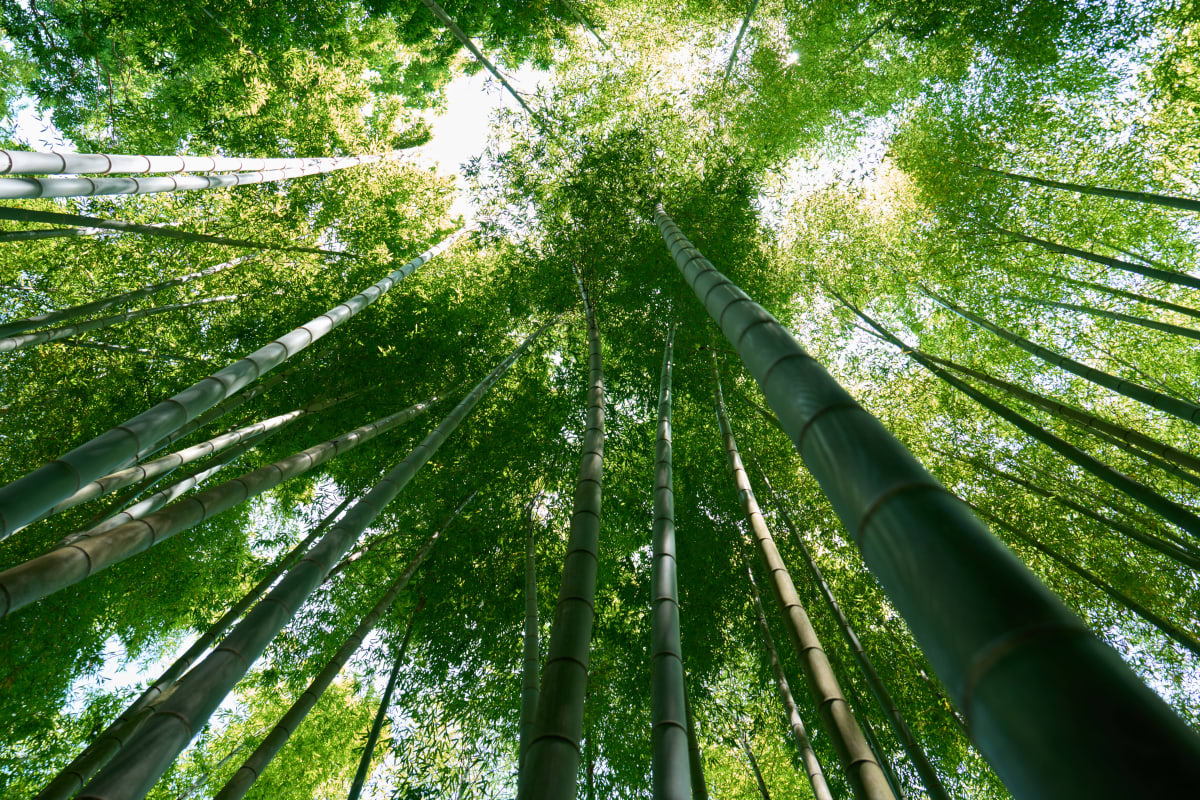
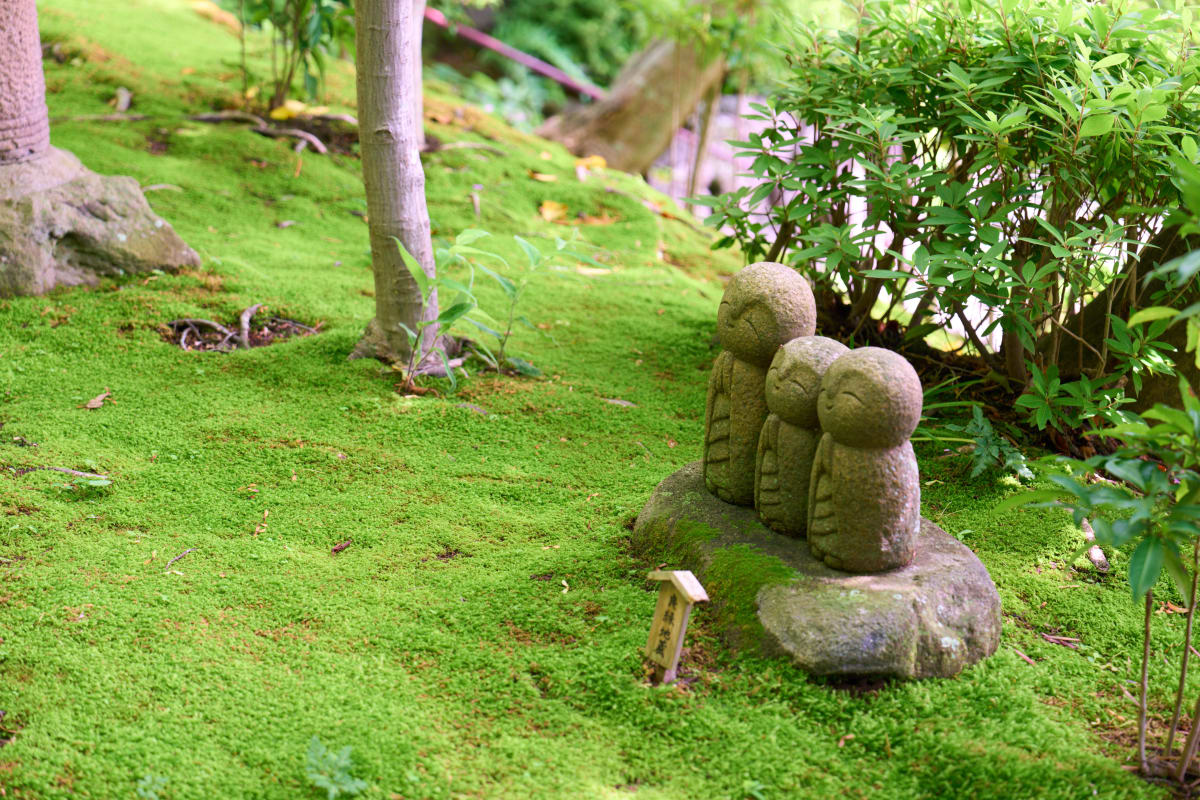
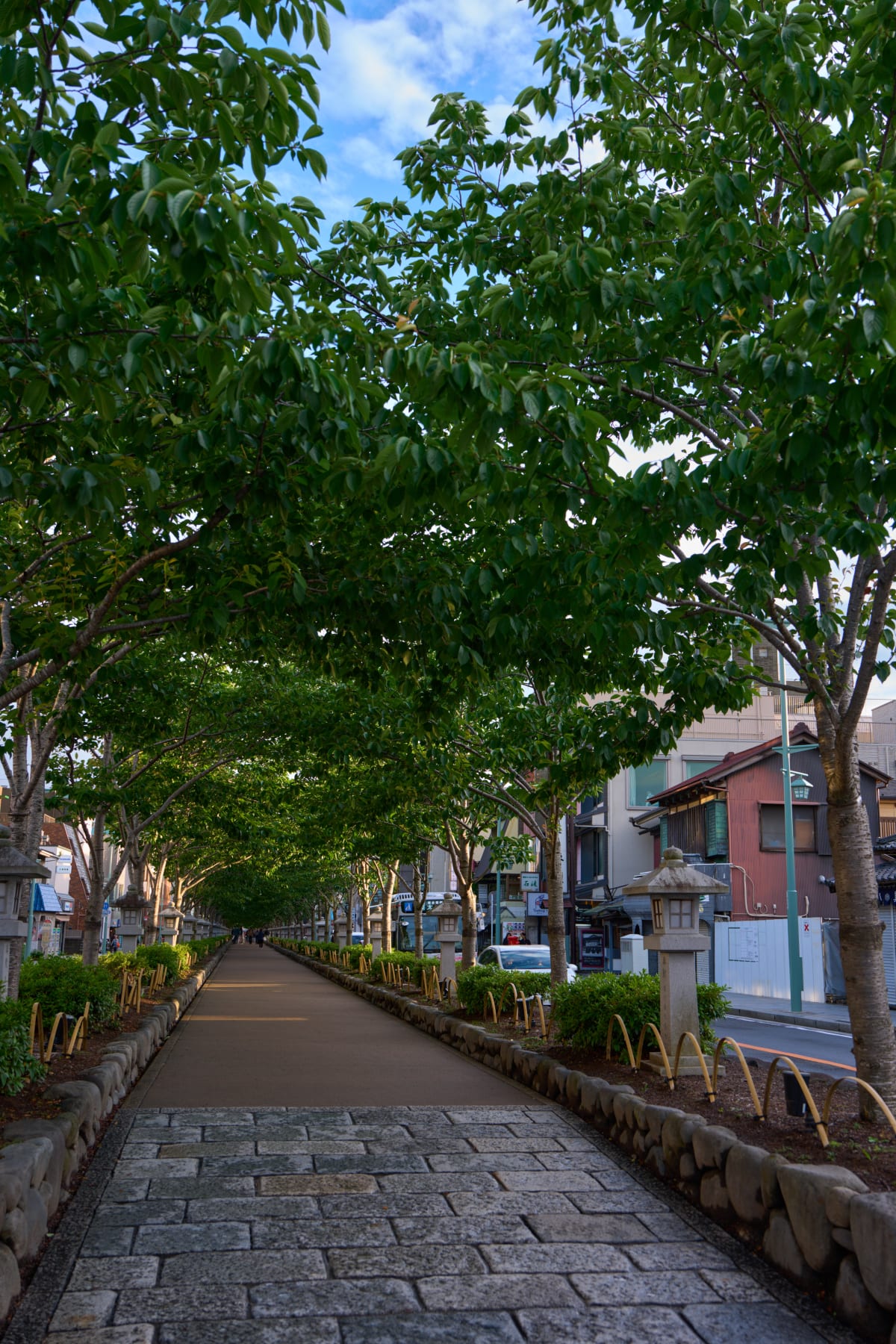
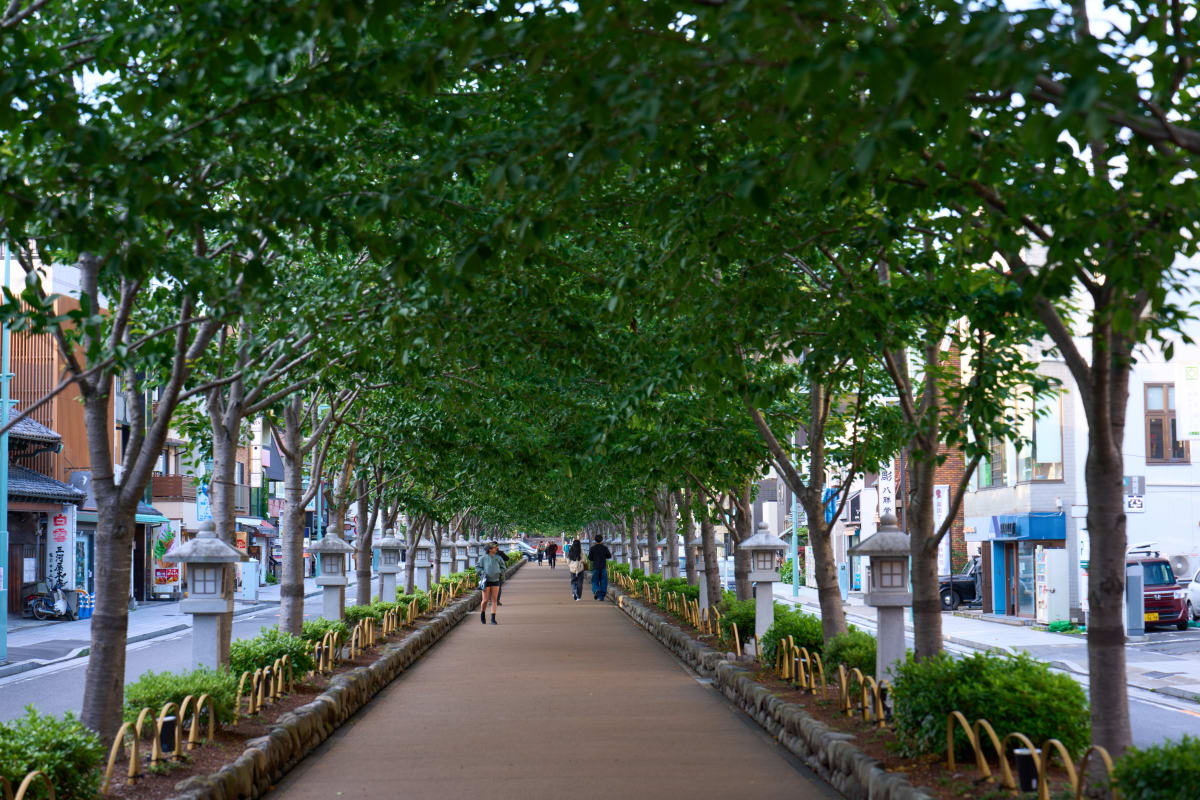
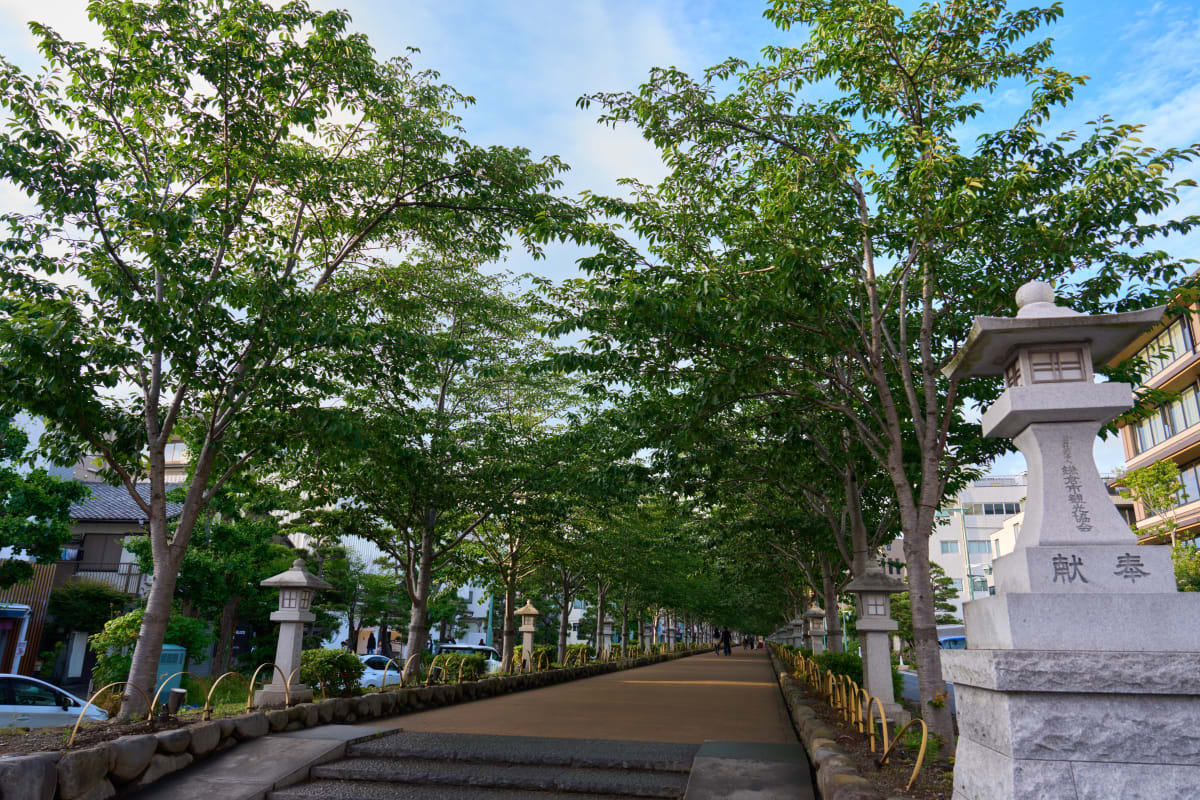
Shrines and temples favor symmetry (approach paths, main halls, pagodas). Wide-angle (16–35mm) for whole compounds; medium-tele (70–200mm) for eave details, brackets, carvings; macro for Buddha statues and moss. White-balance «Daylight» faithful, «Shade» warmer, «Cloudy» pushes vermillion. Slight underexposure preserves shadow detail.
Equipment
Tripods OK outdoors but forbidden inside main halls and treasure houses (check signage). Wide zoom + standard zoom suffice. Macro lens (90mm or 100mm) for Buddha details, lotus, moss. Rain cover for monsoon. Slip-on shoes — entering main halls requires removing shoes.
Field Tips
Many sites have no-photography zones (main deities, treasure houses). Check signage; never use flash. Early entry (6:00 openings) avoids crowds and captures sacred atmosphere. Amulets and ema plaques photograph well, but avoid candid shots of people in prayer — etiquette dictates capturing the place, not the worshipper.