Lakes
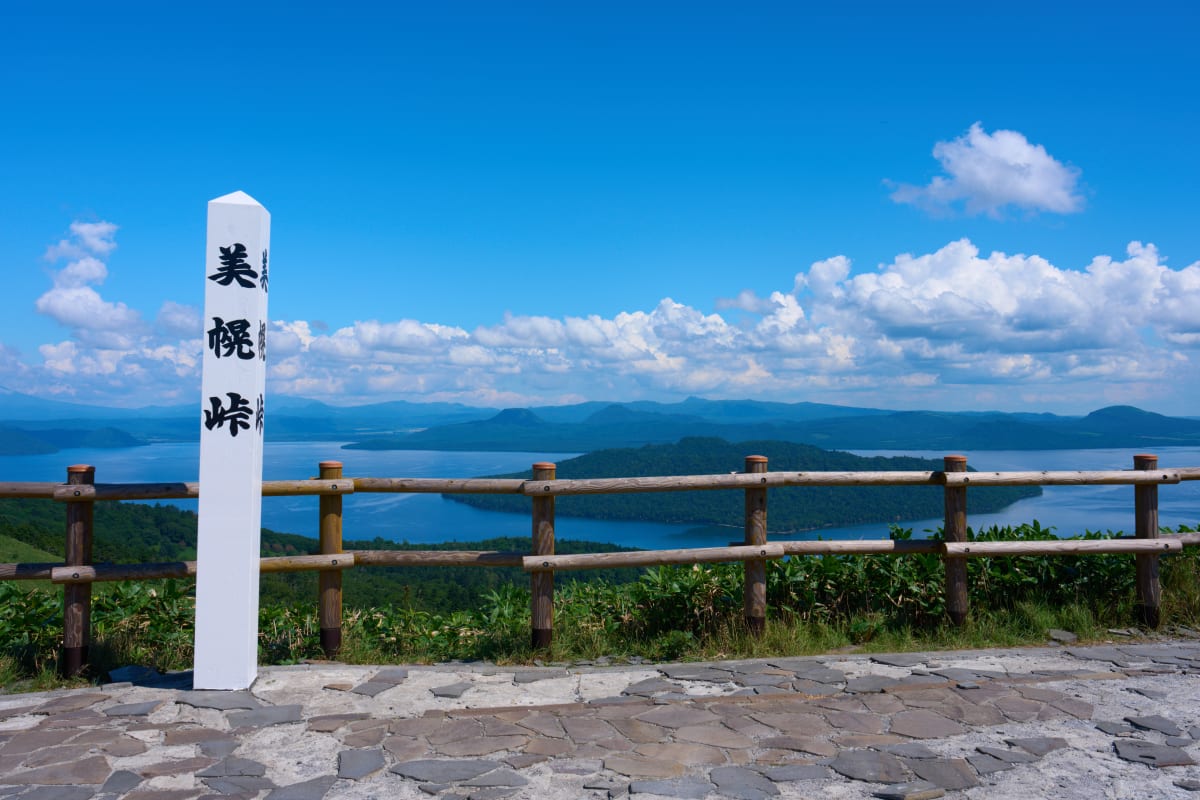
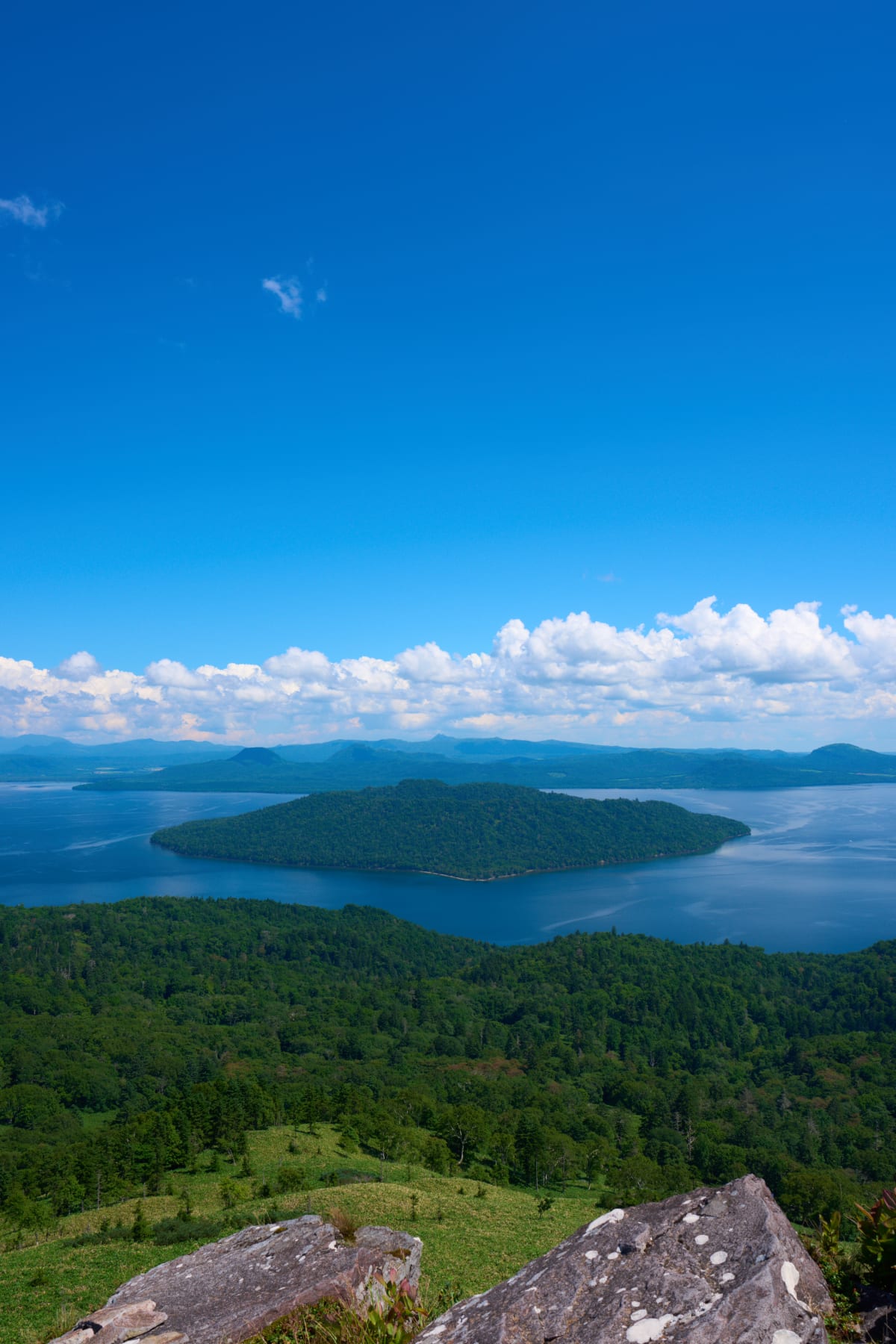
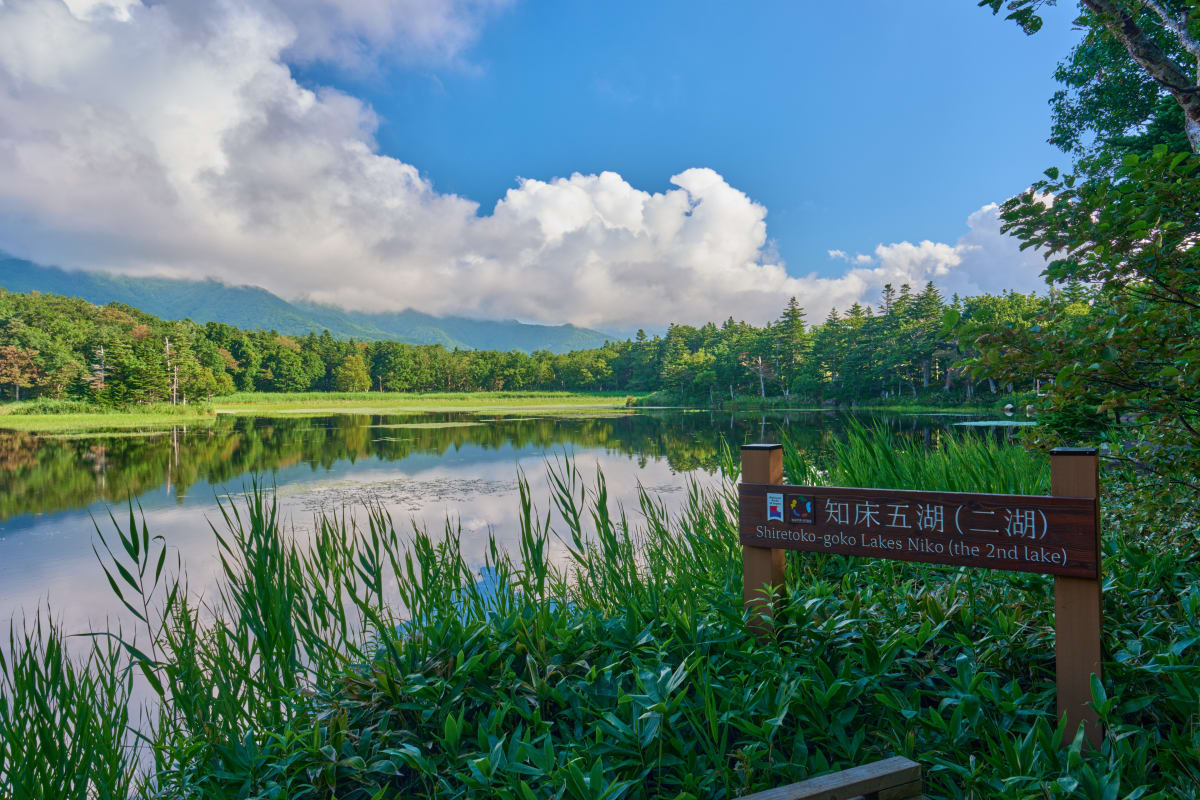
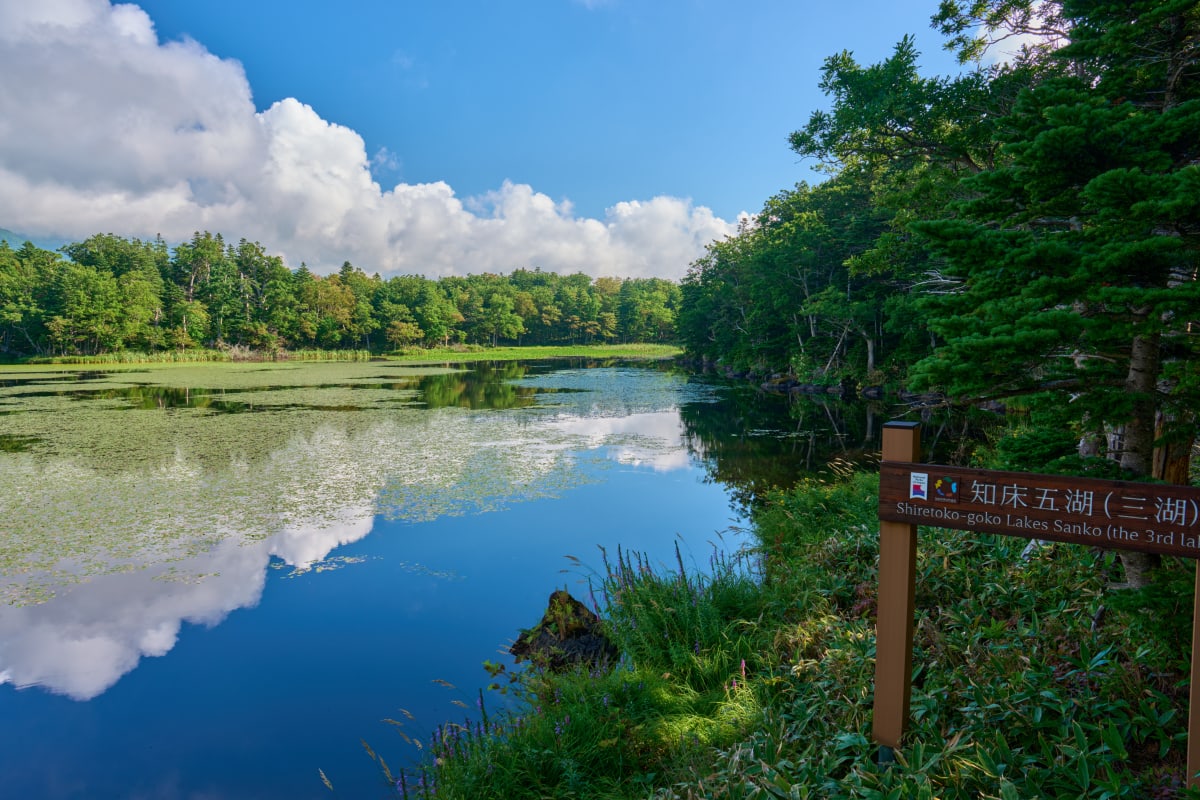
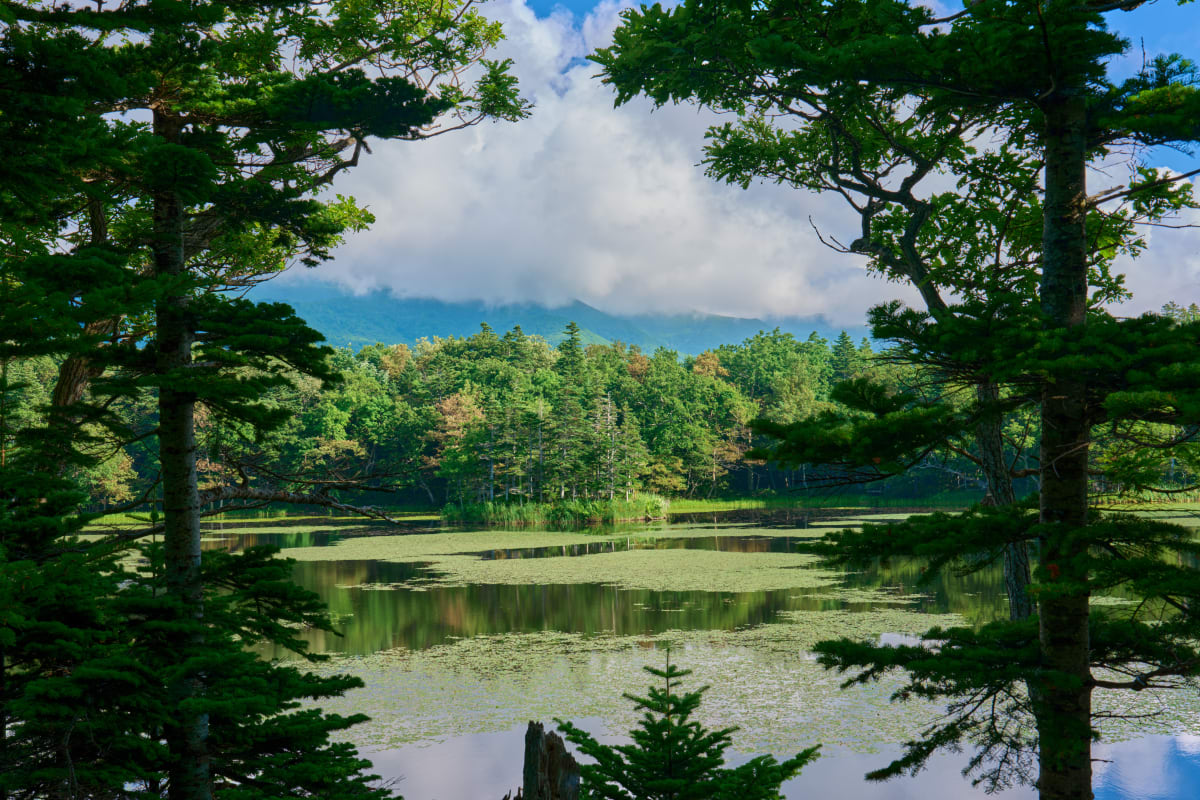
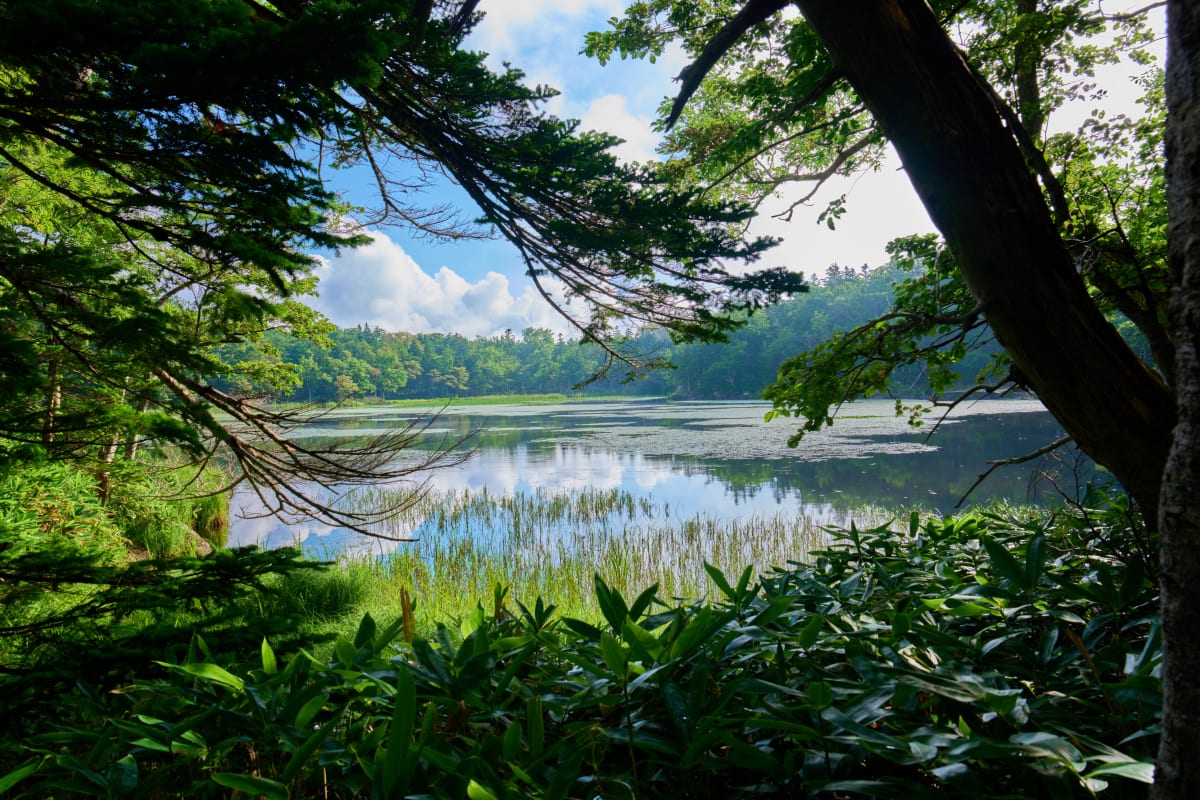
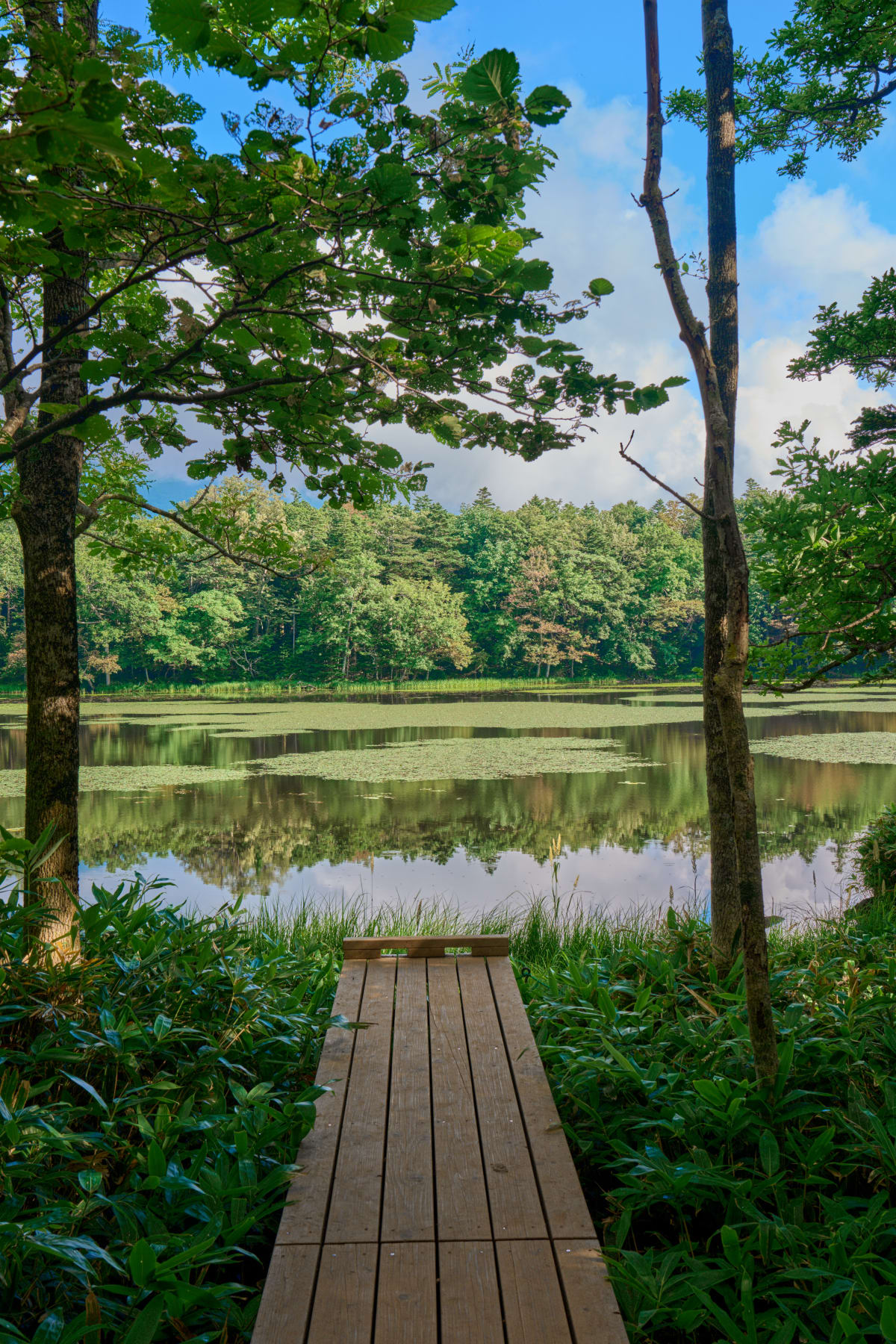
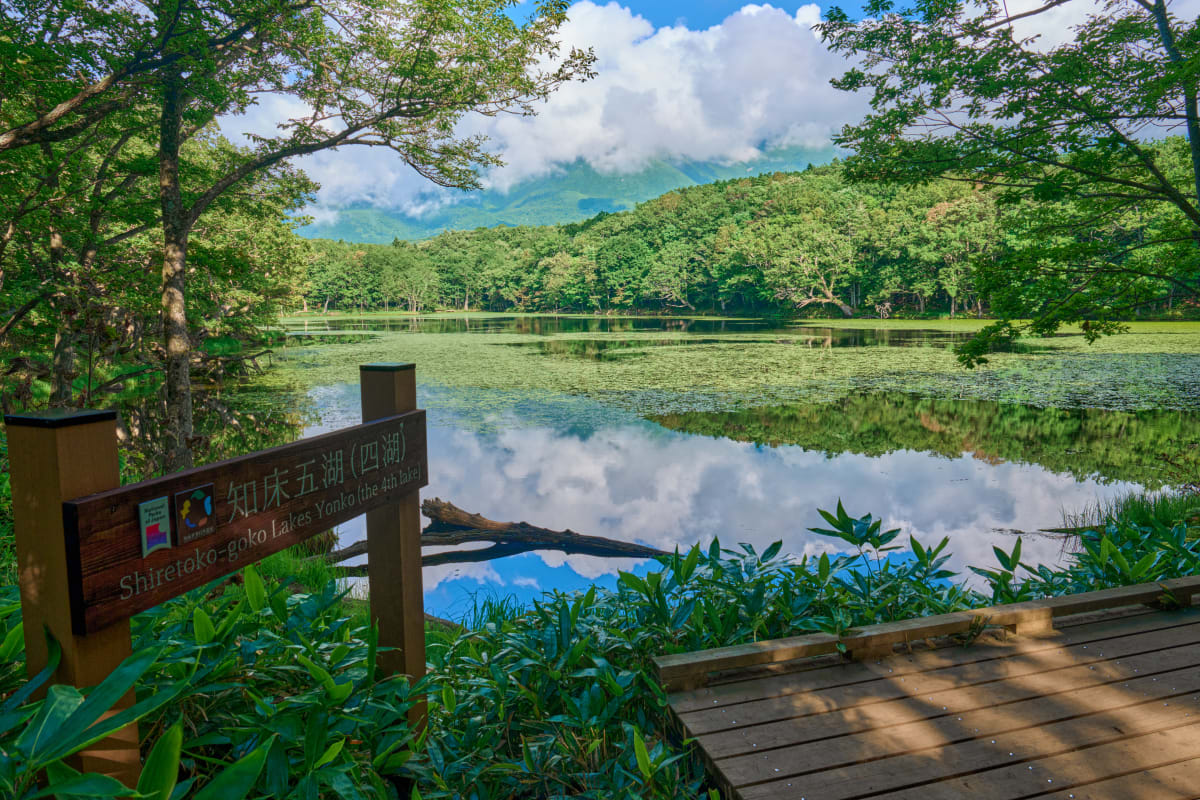
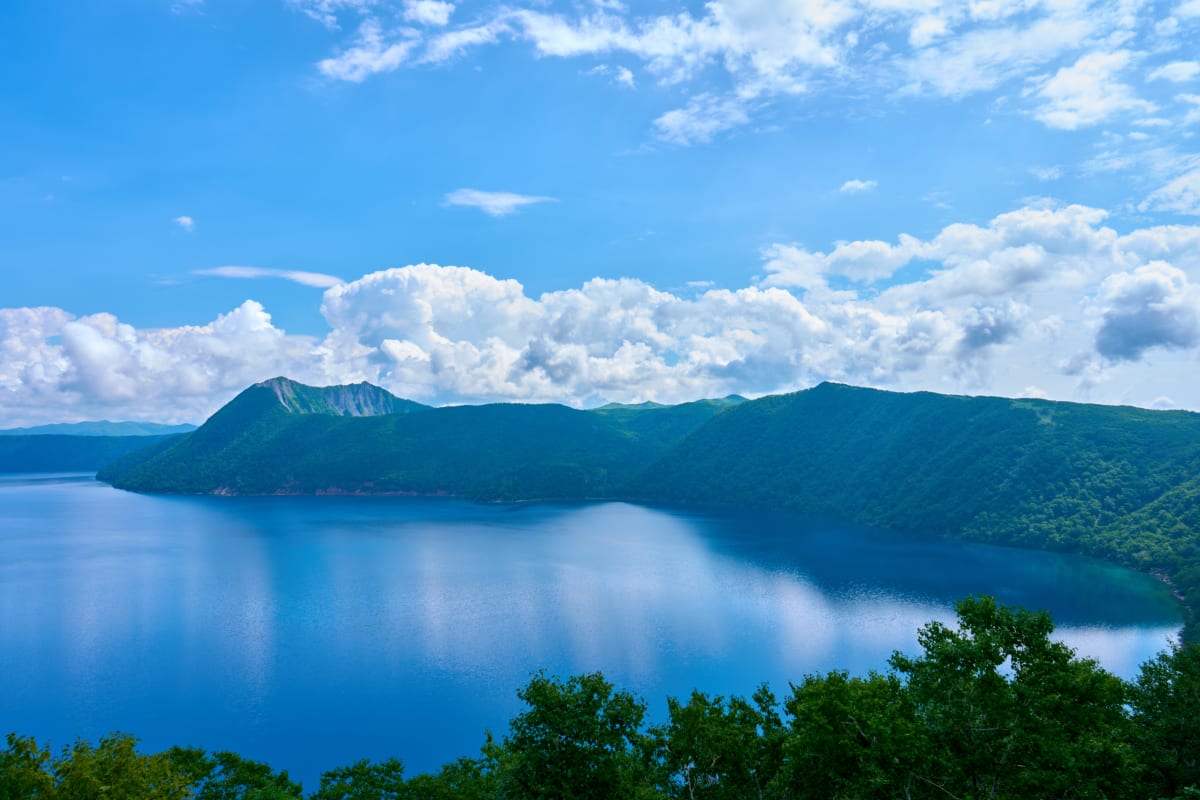
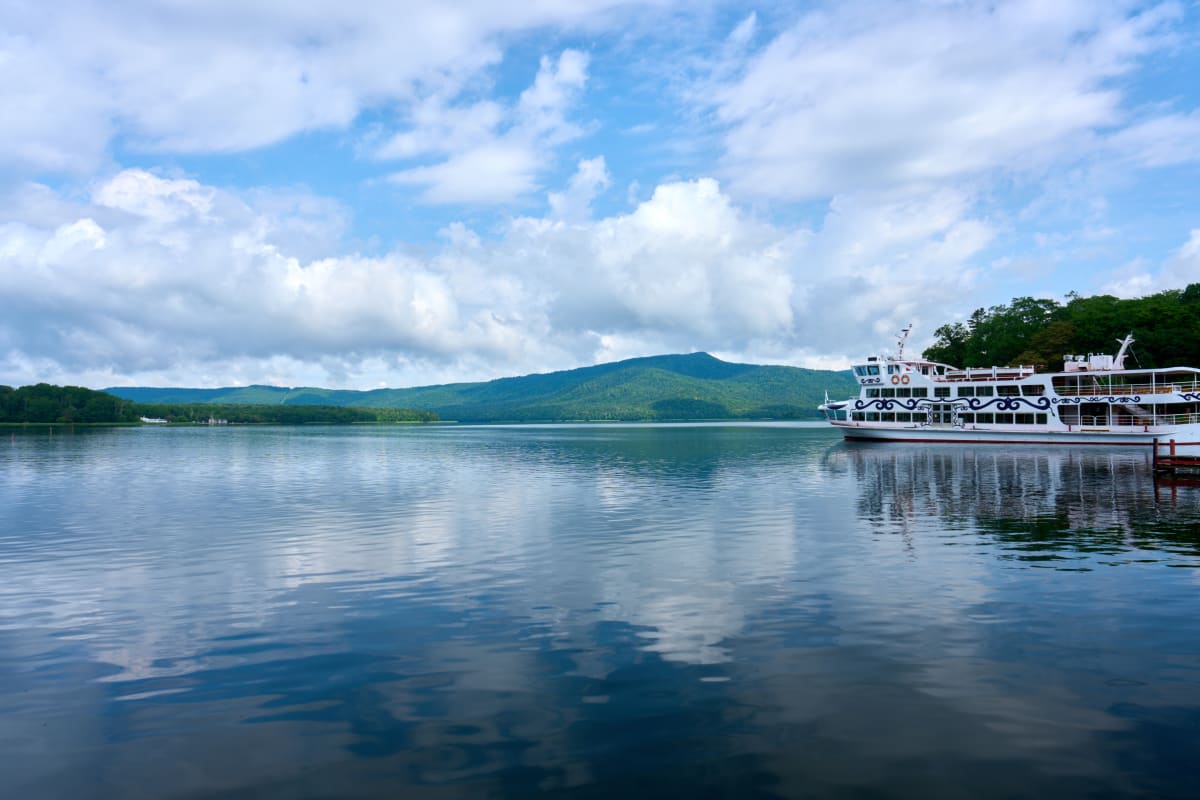
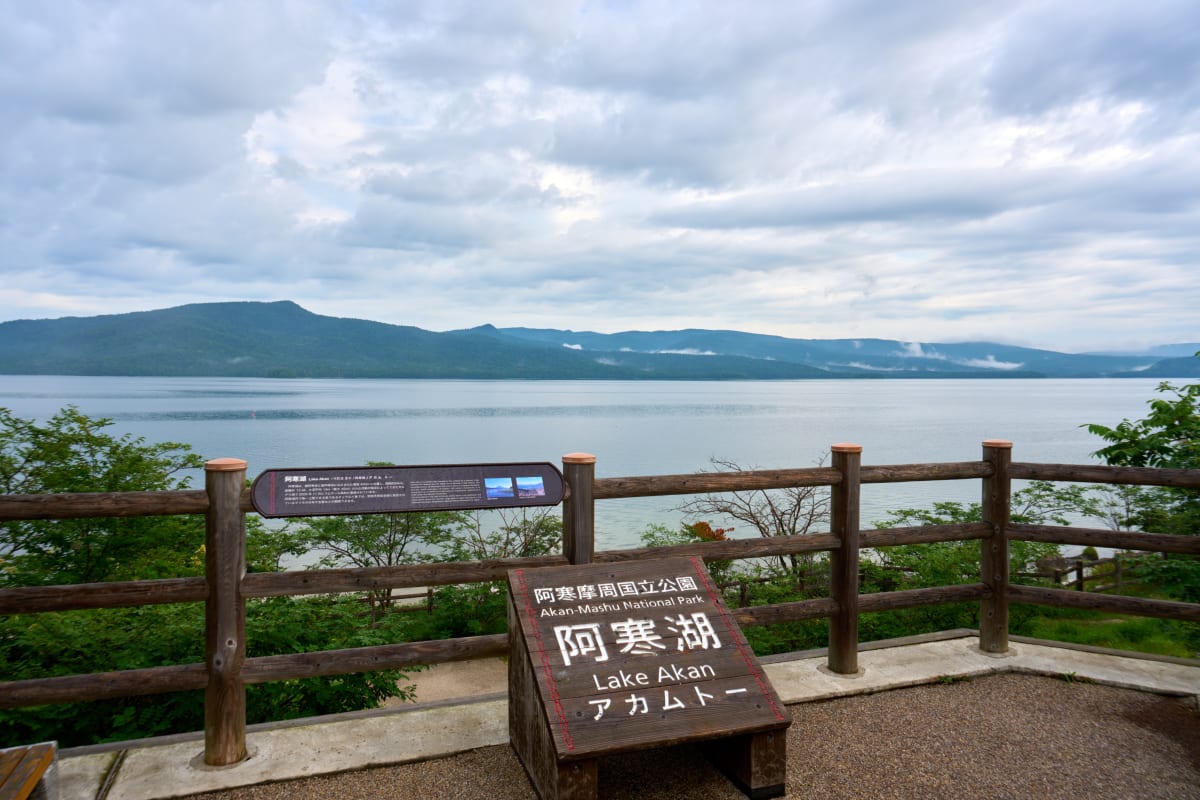
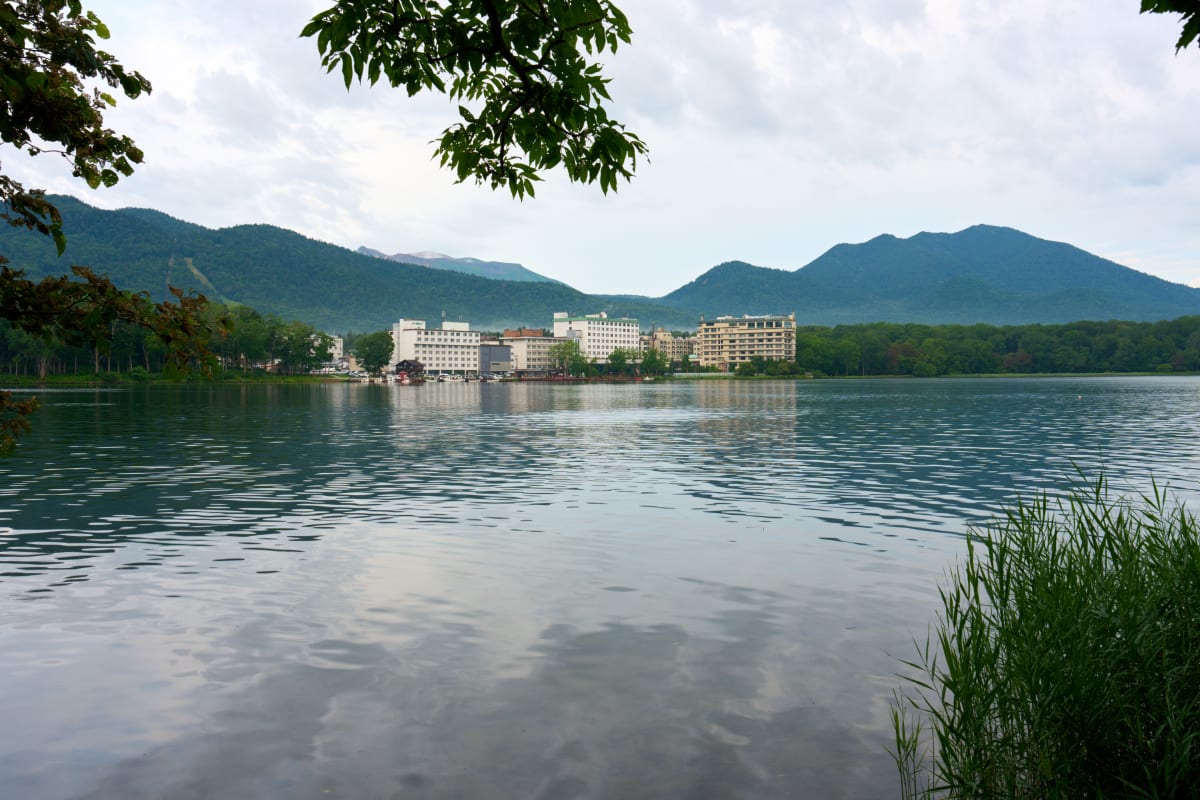
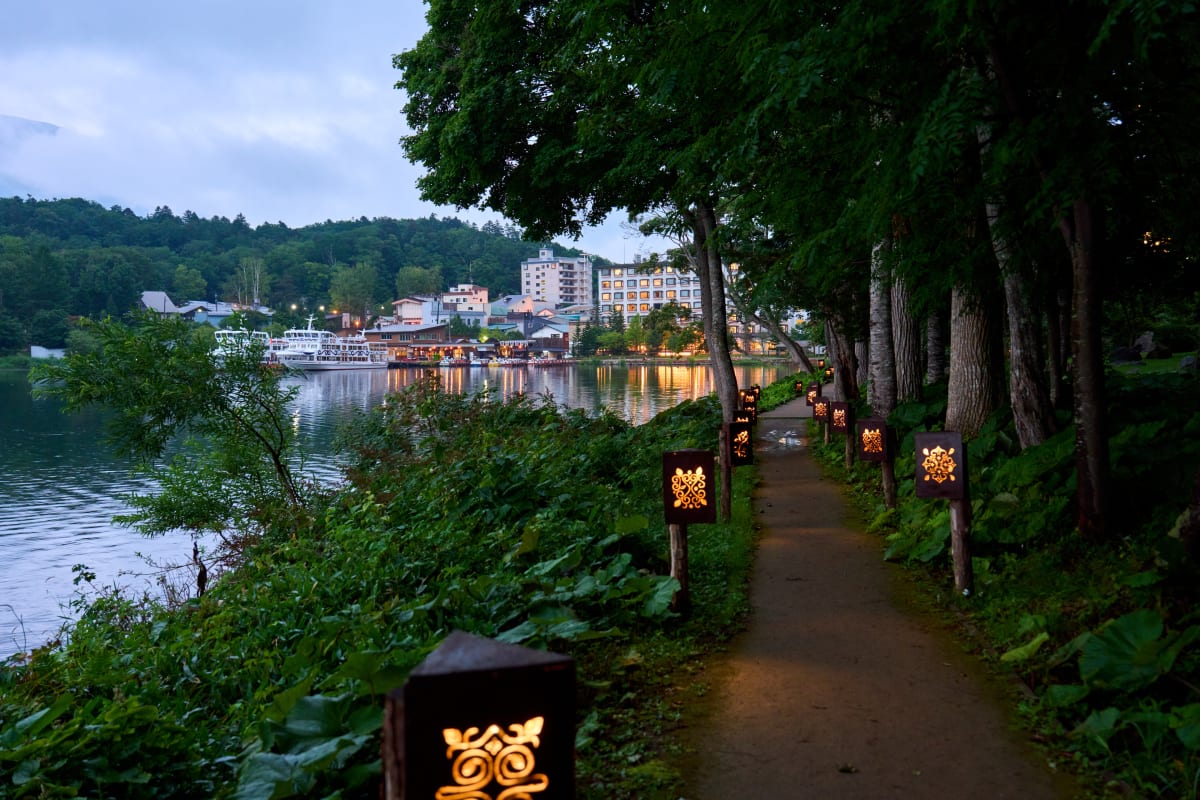
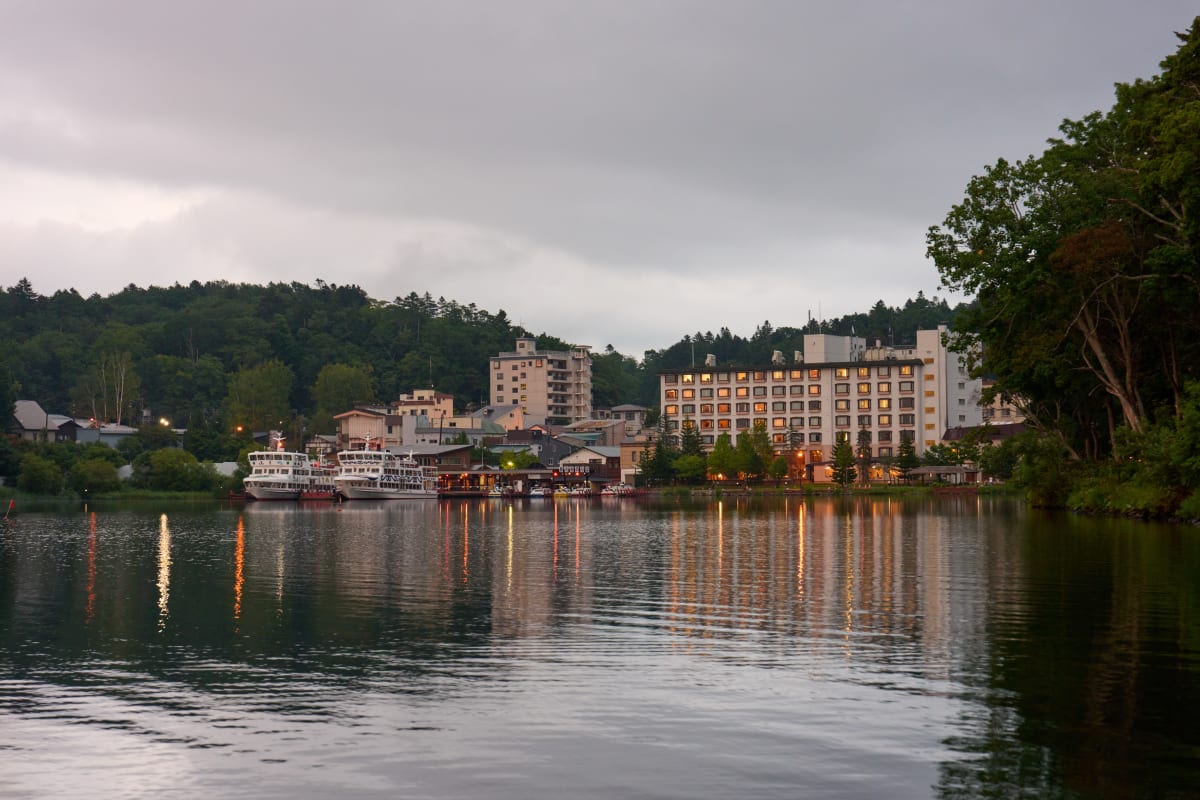
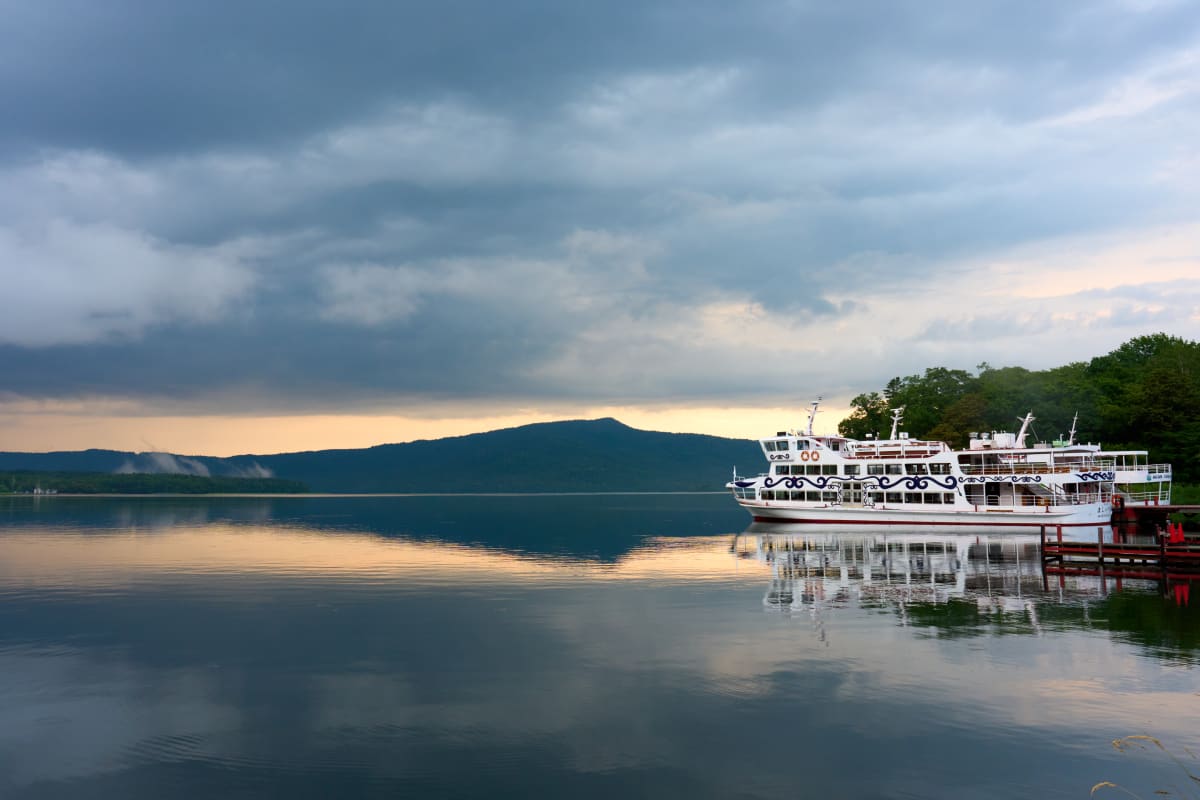
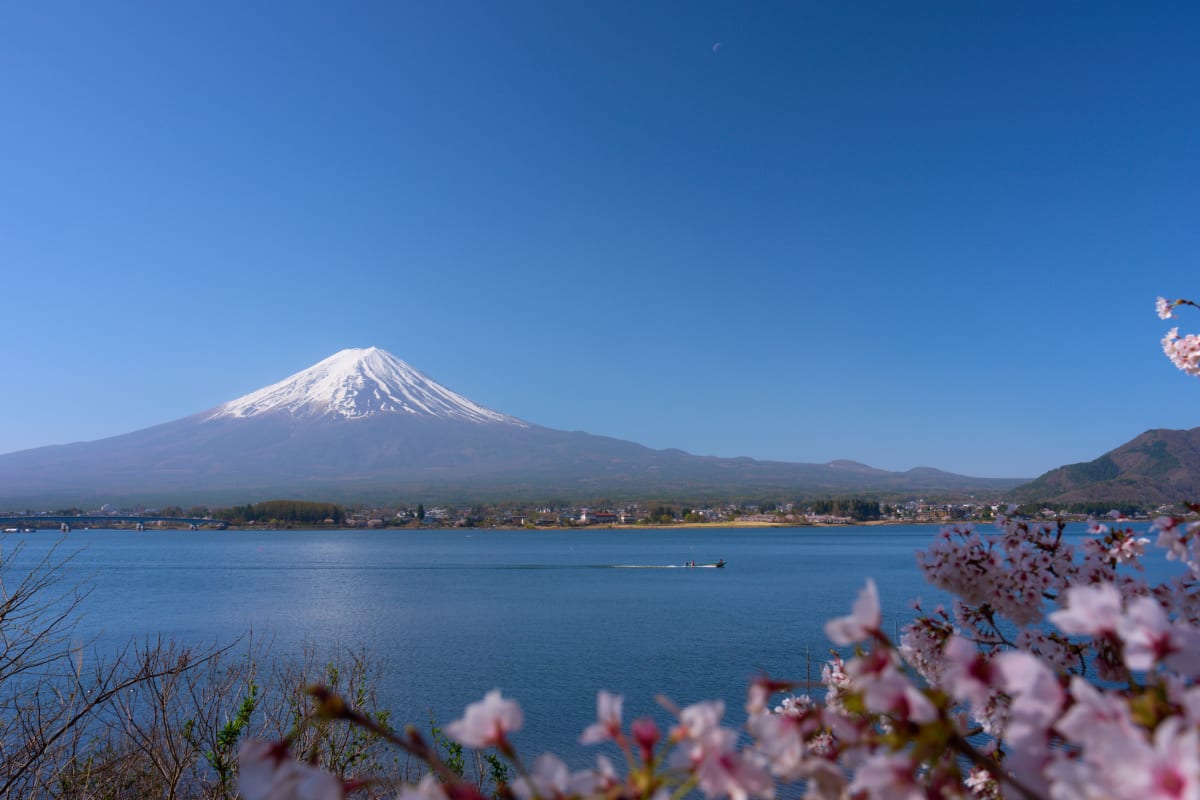
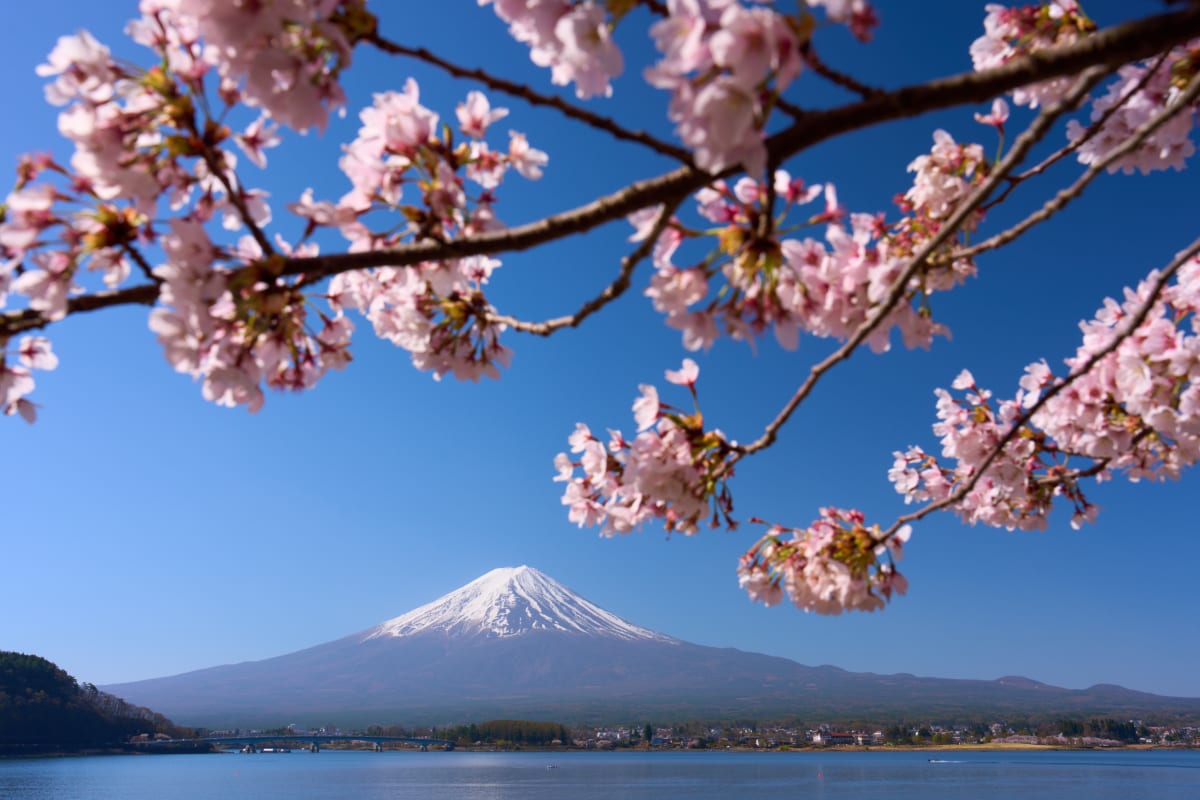
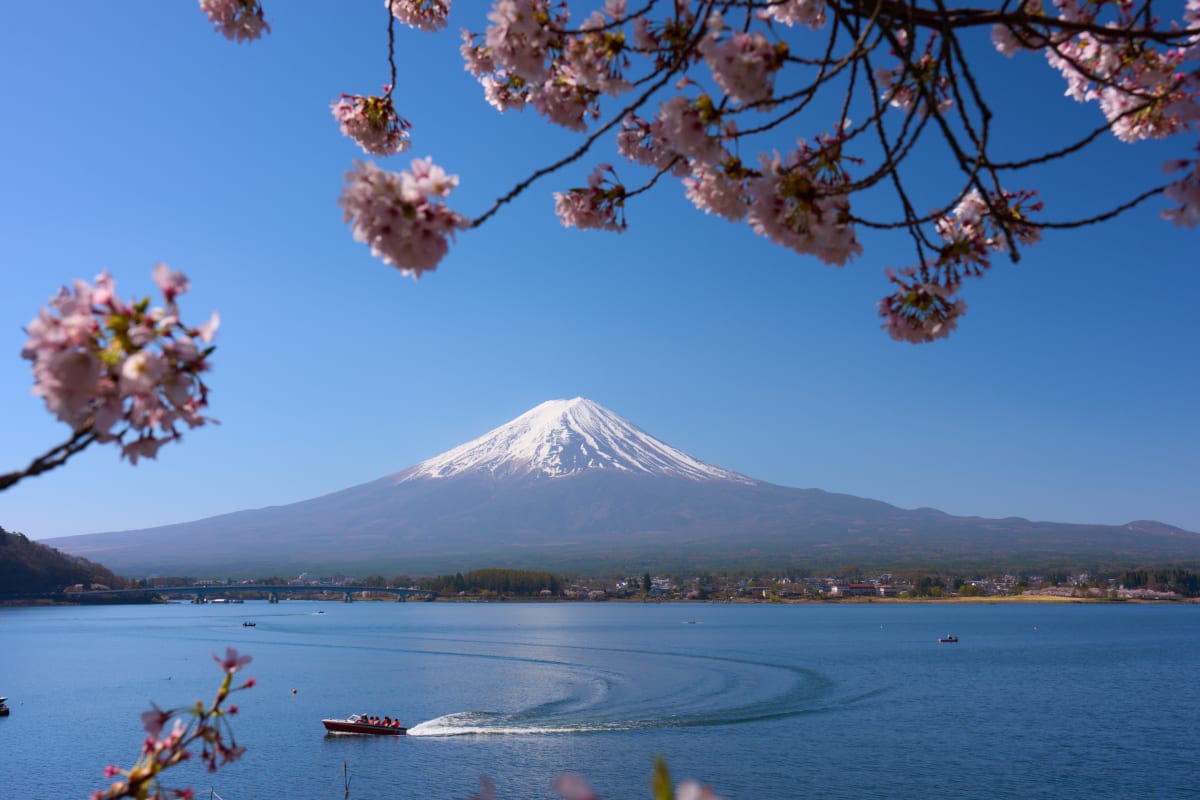
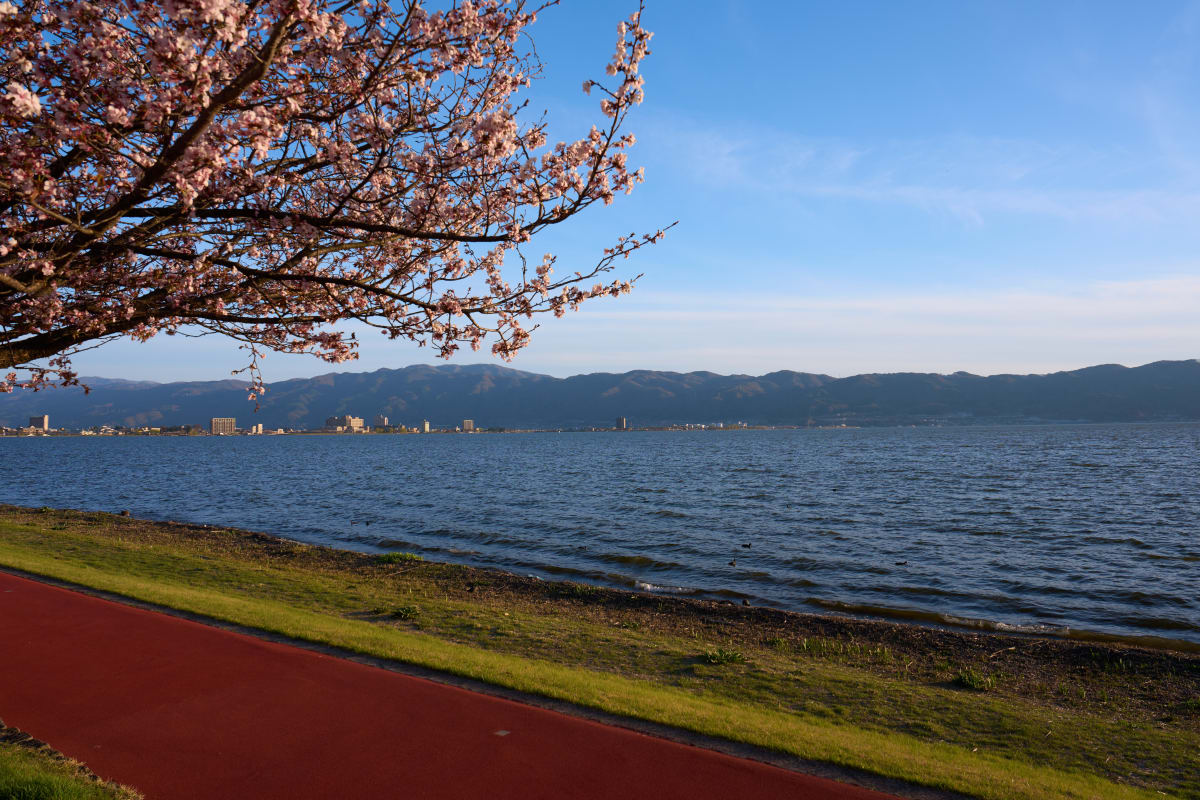
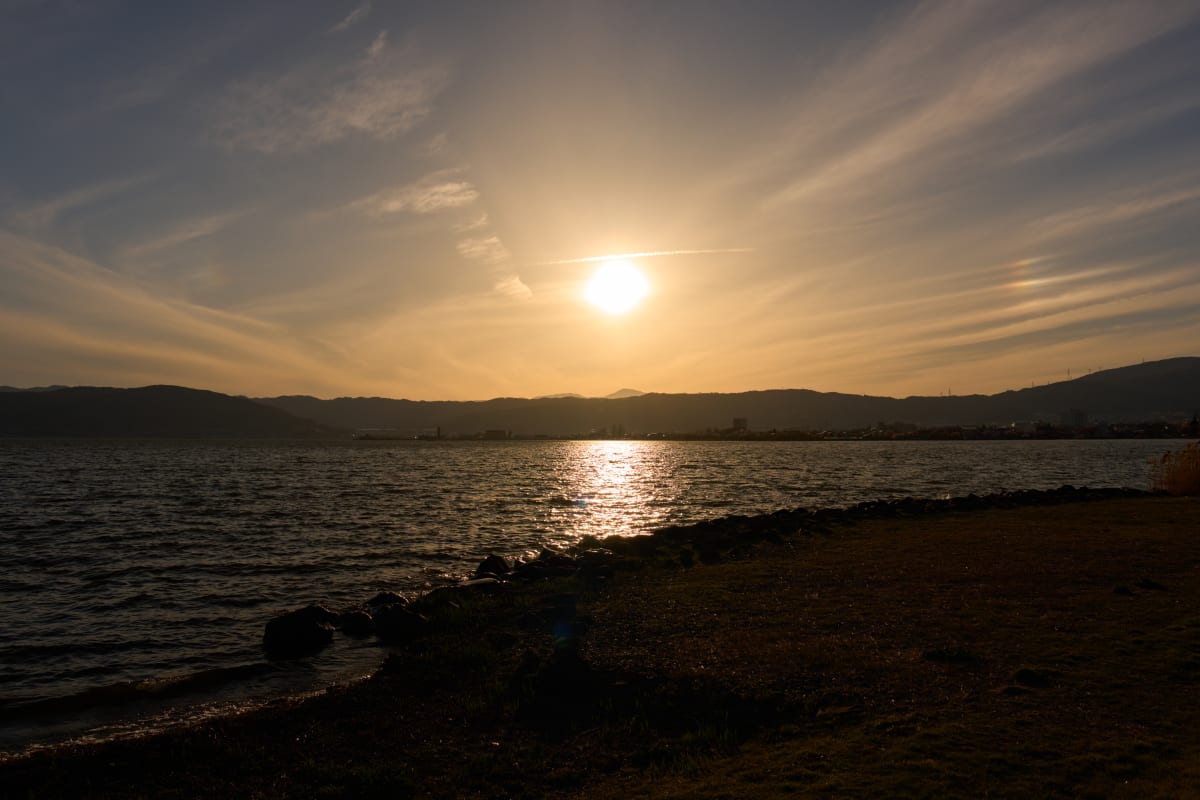
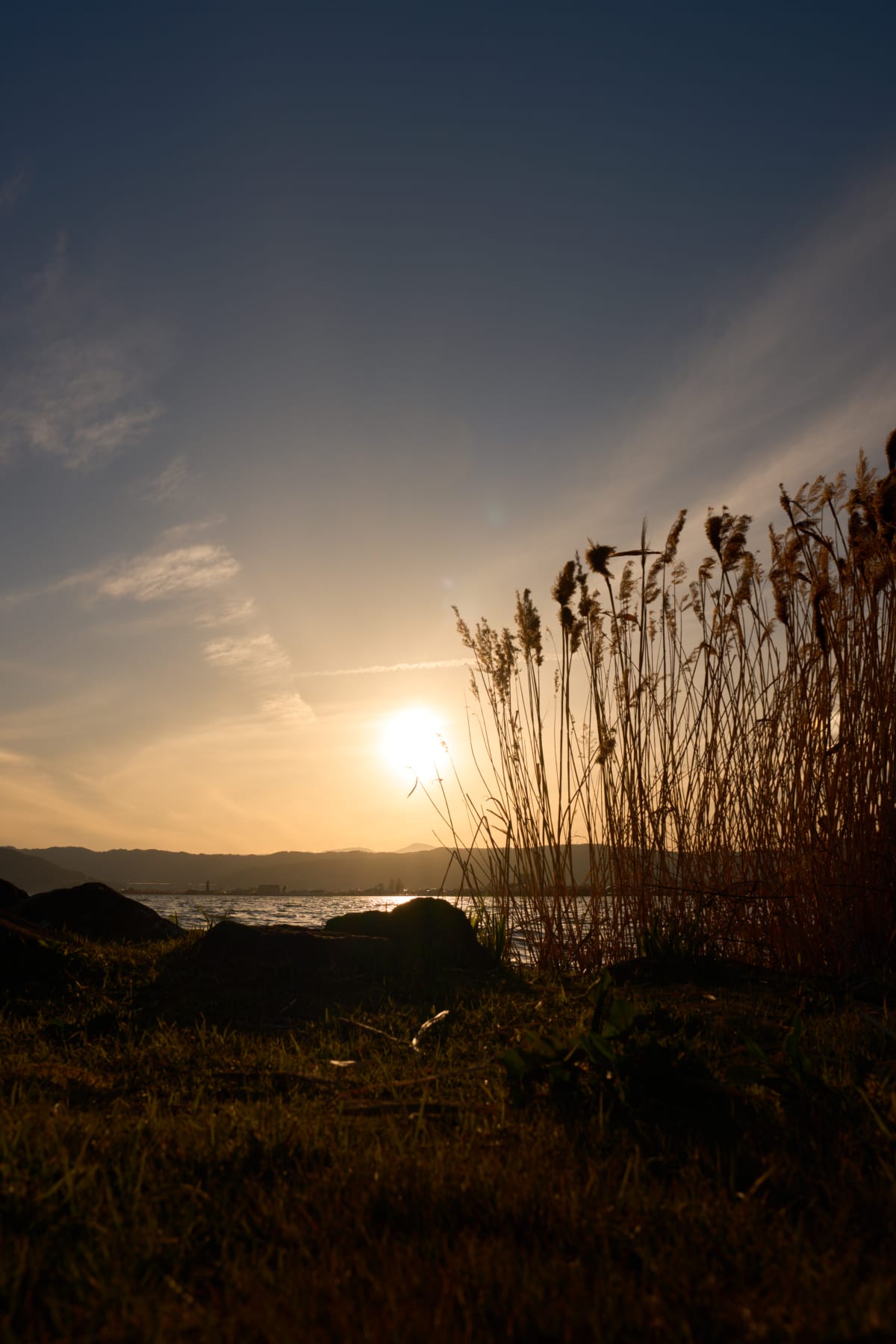
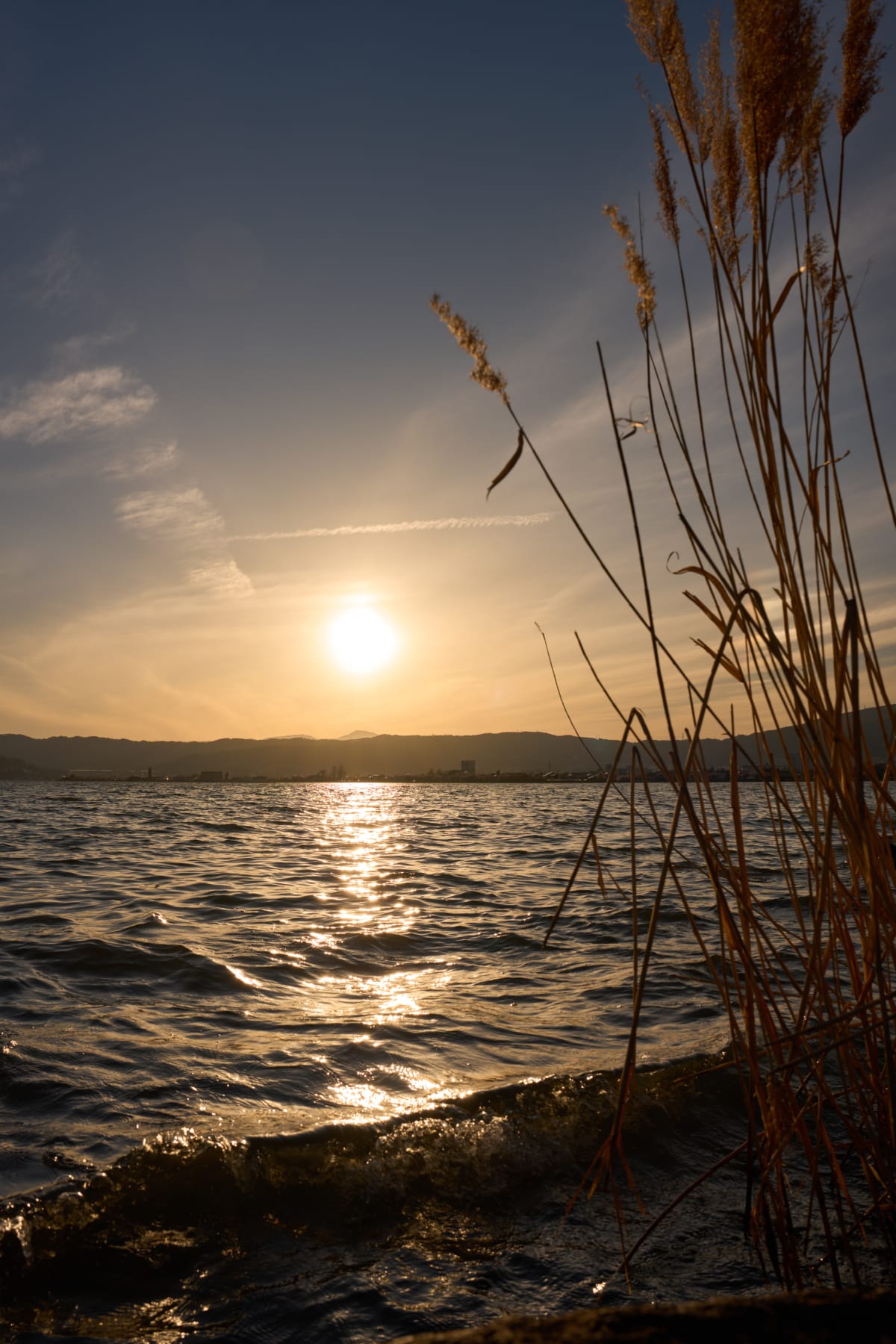
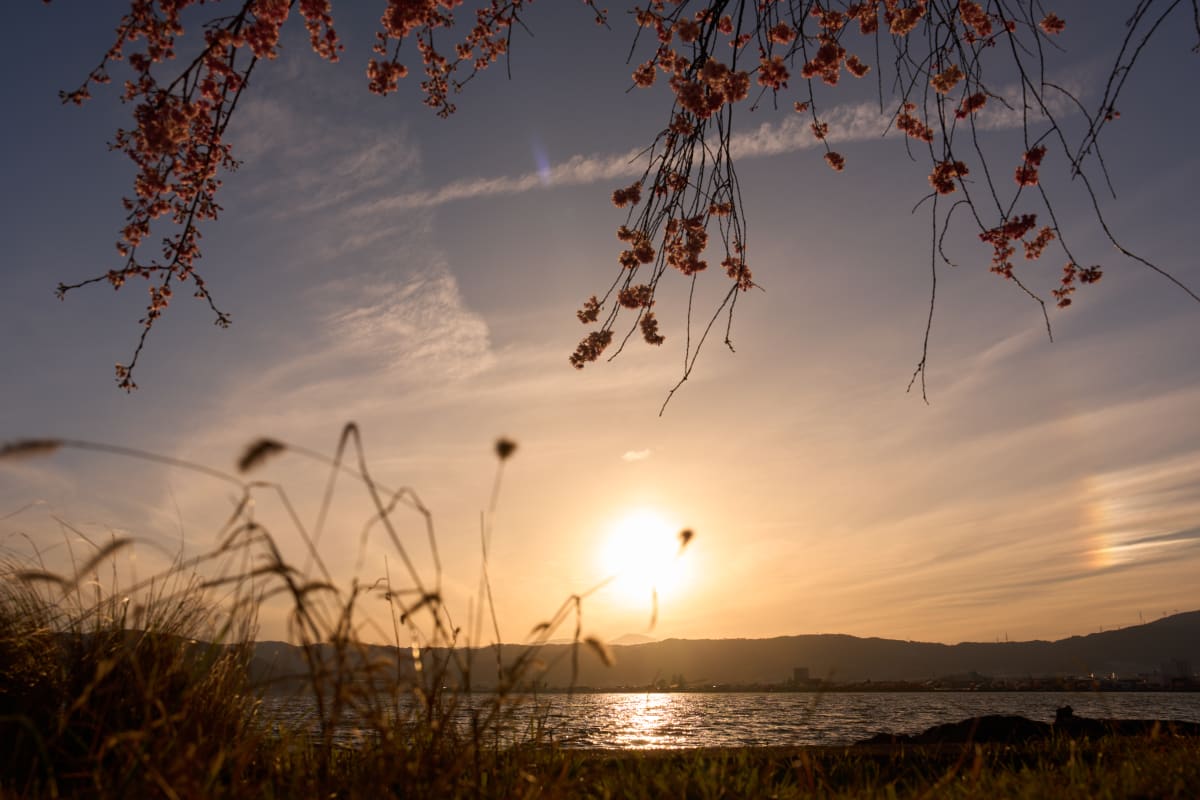
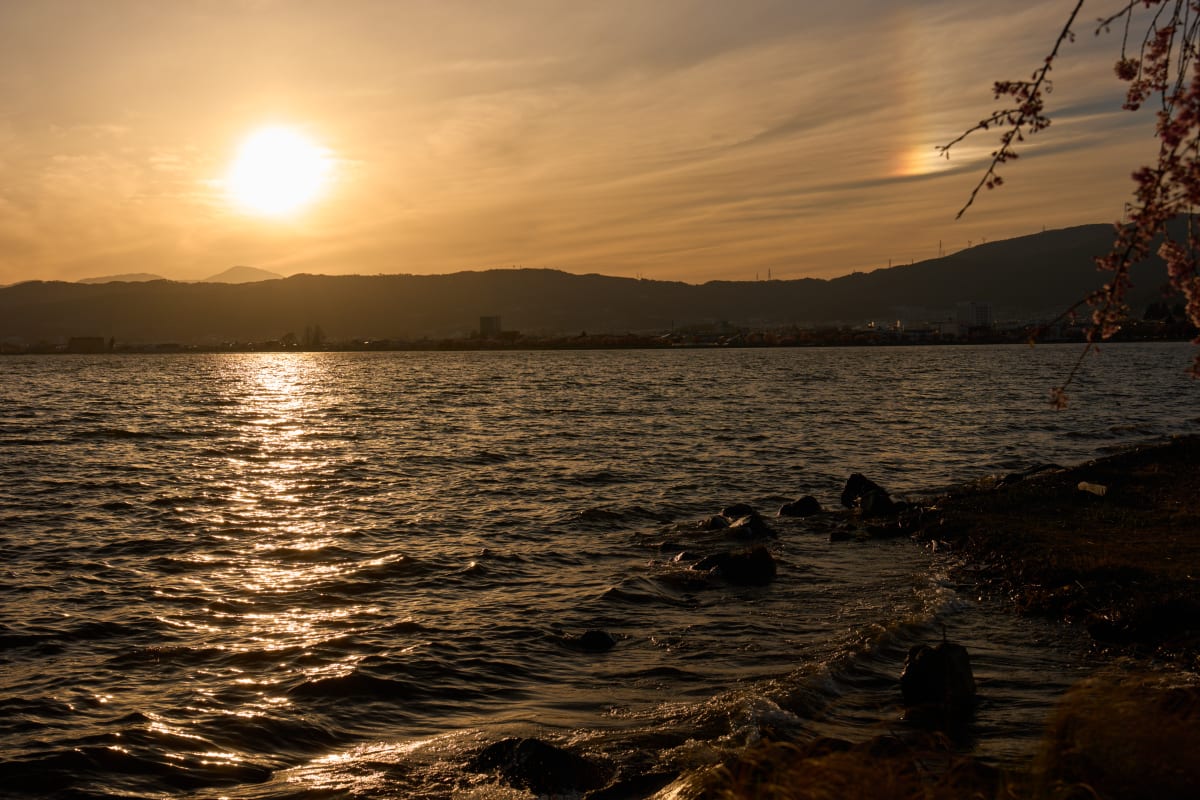
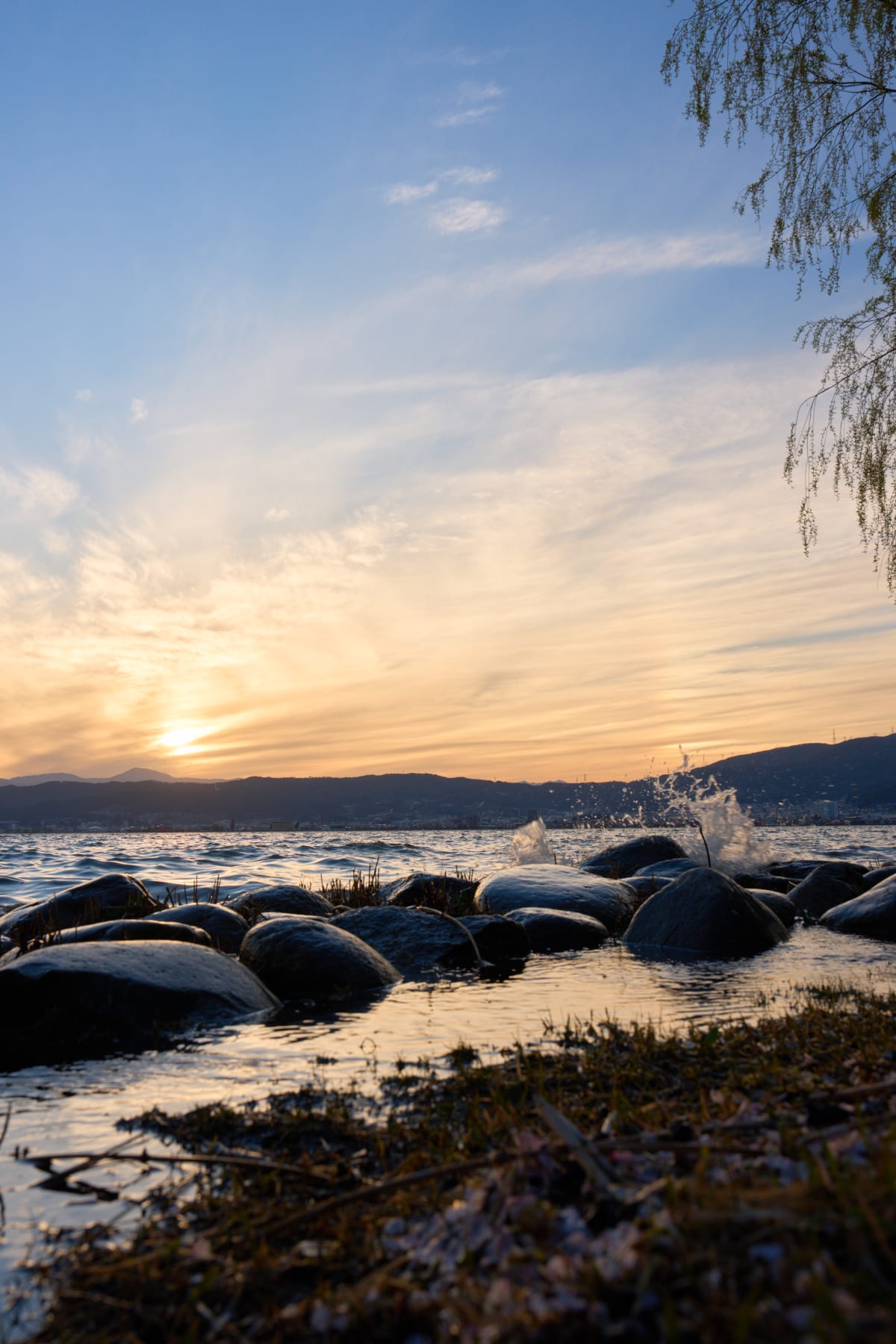
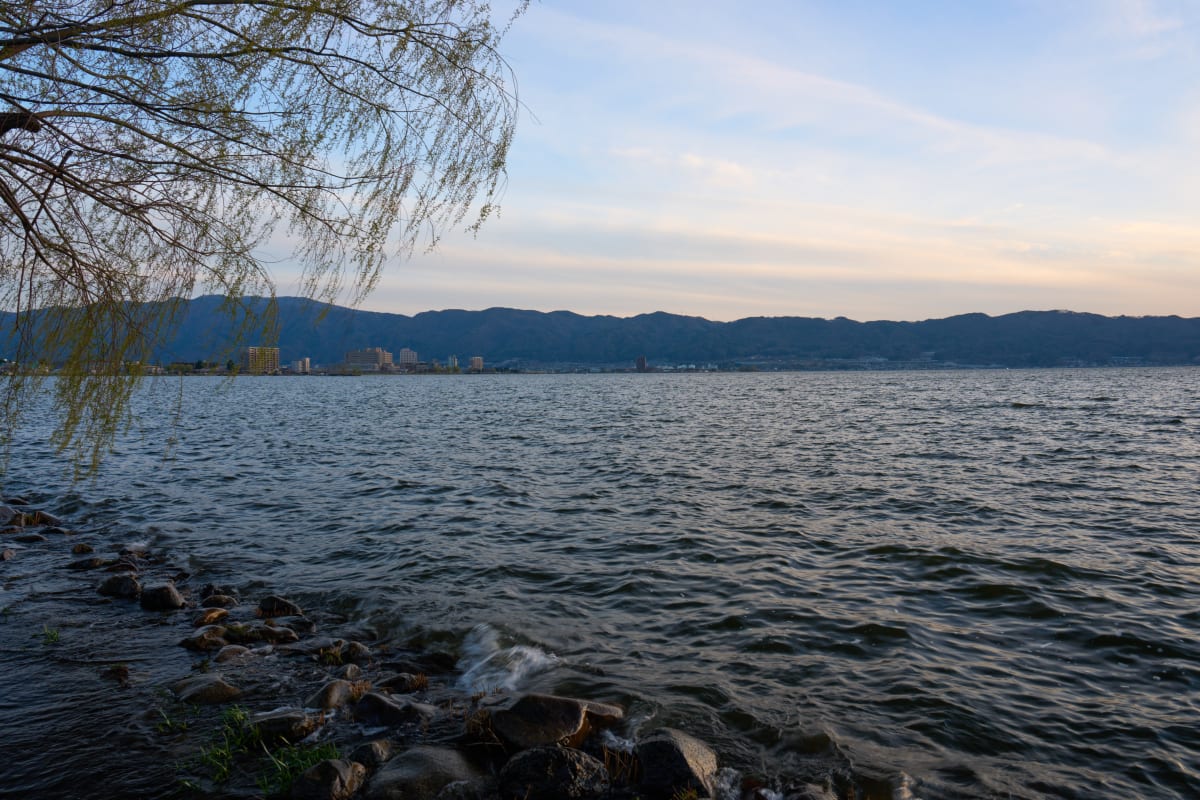
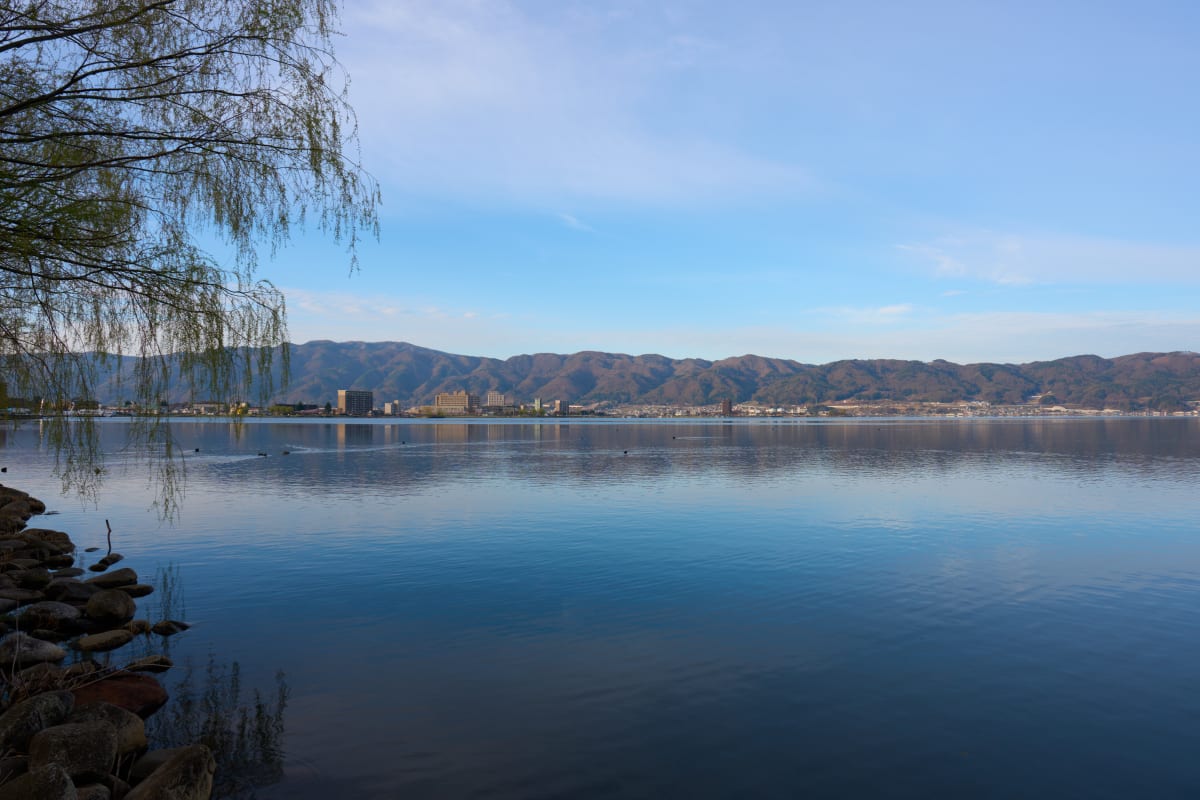
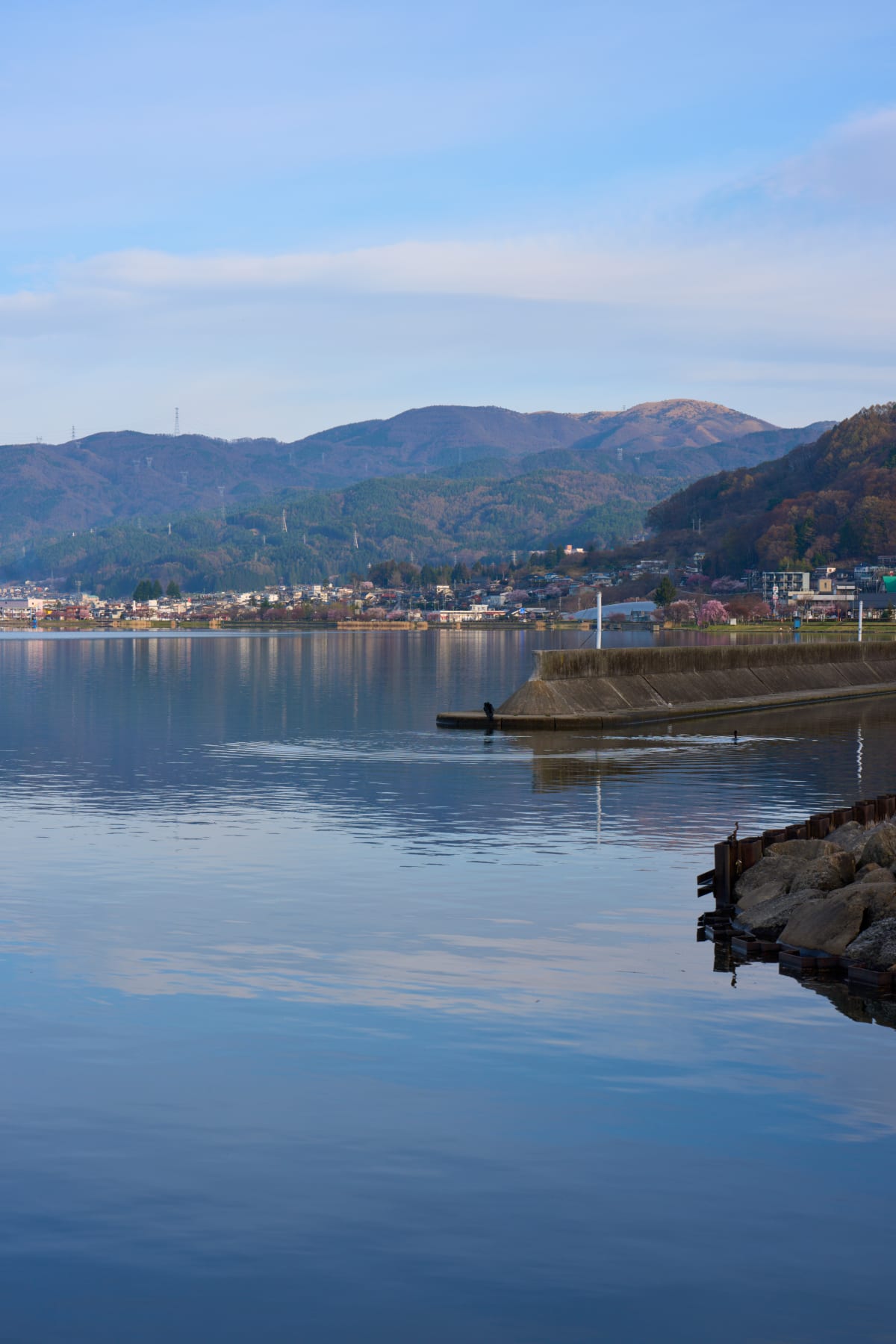
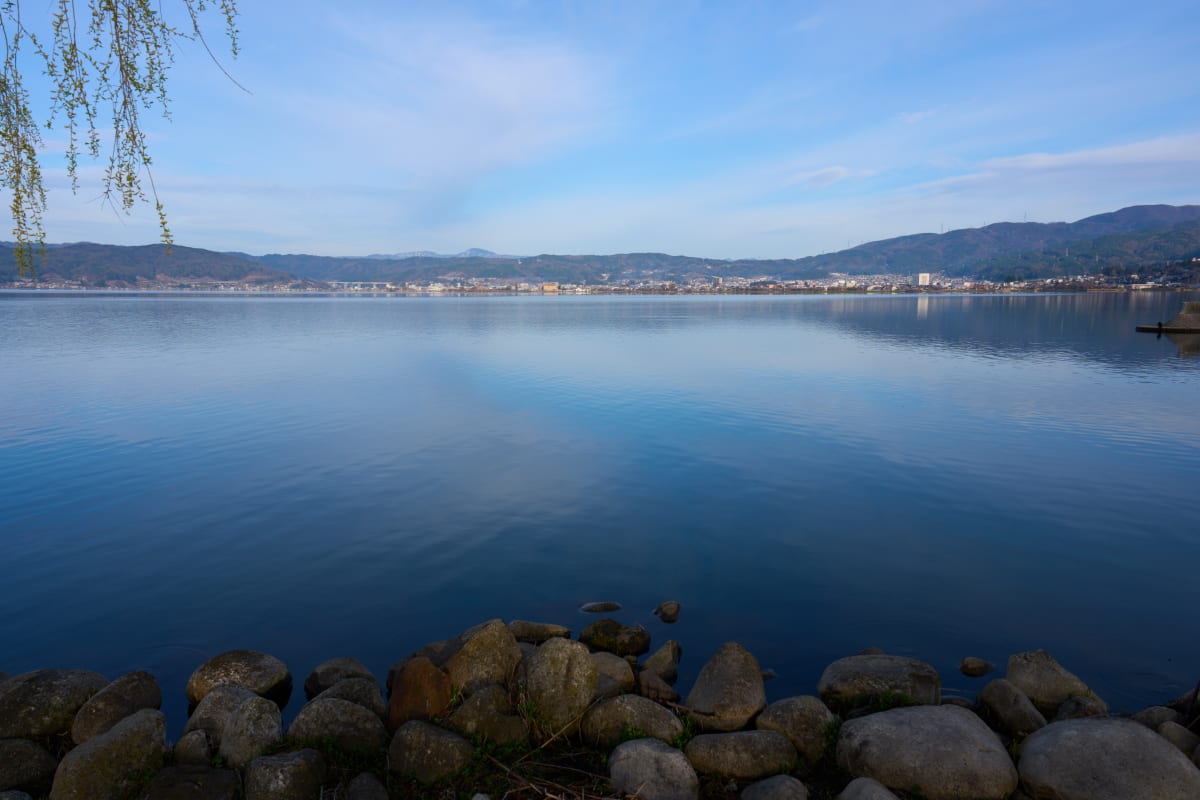
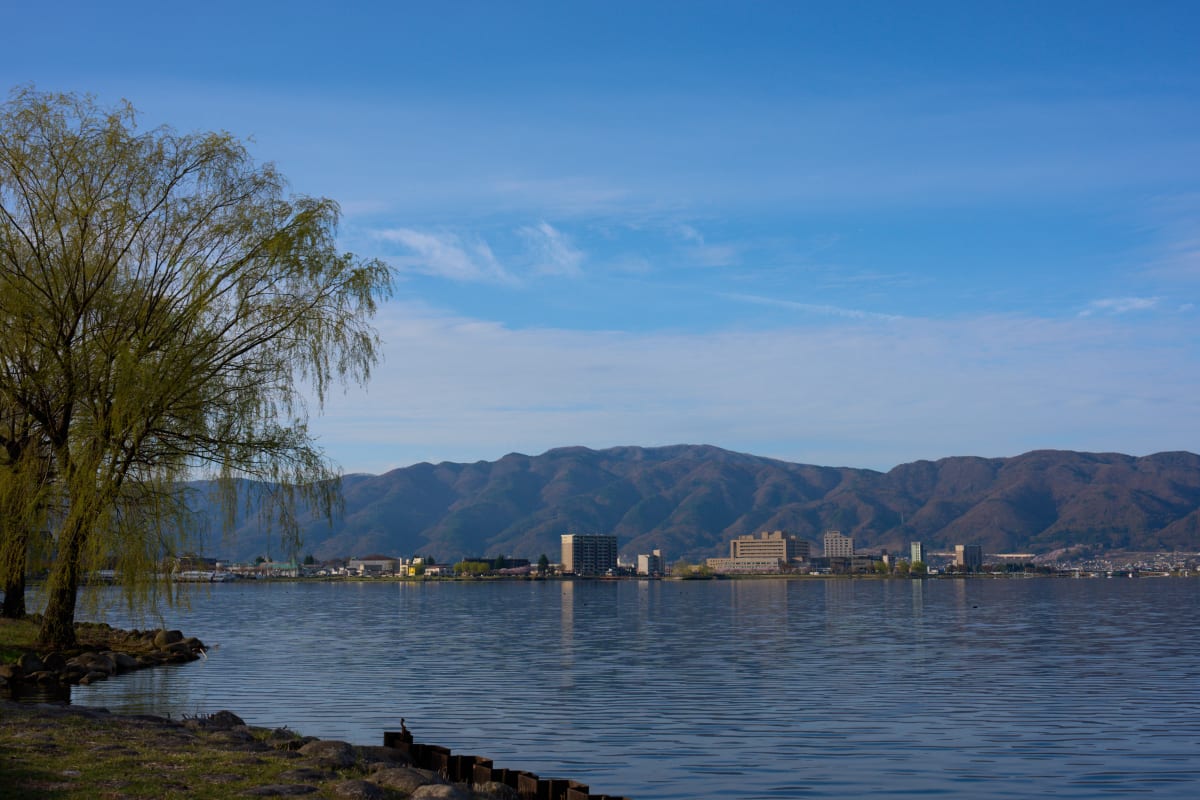
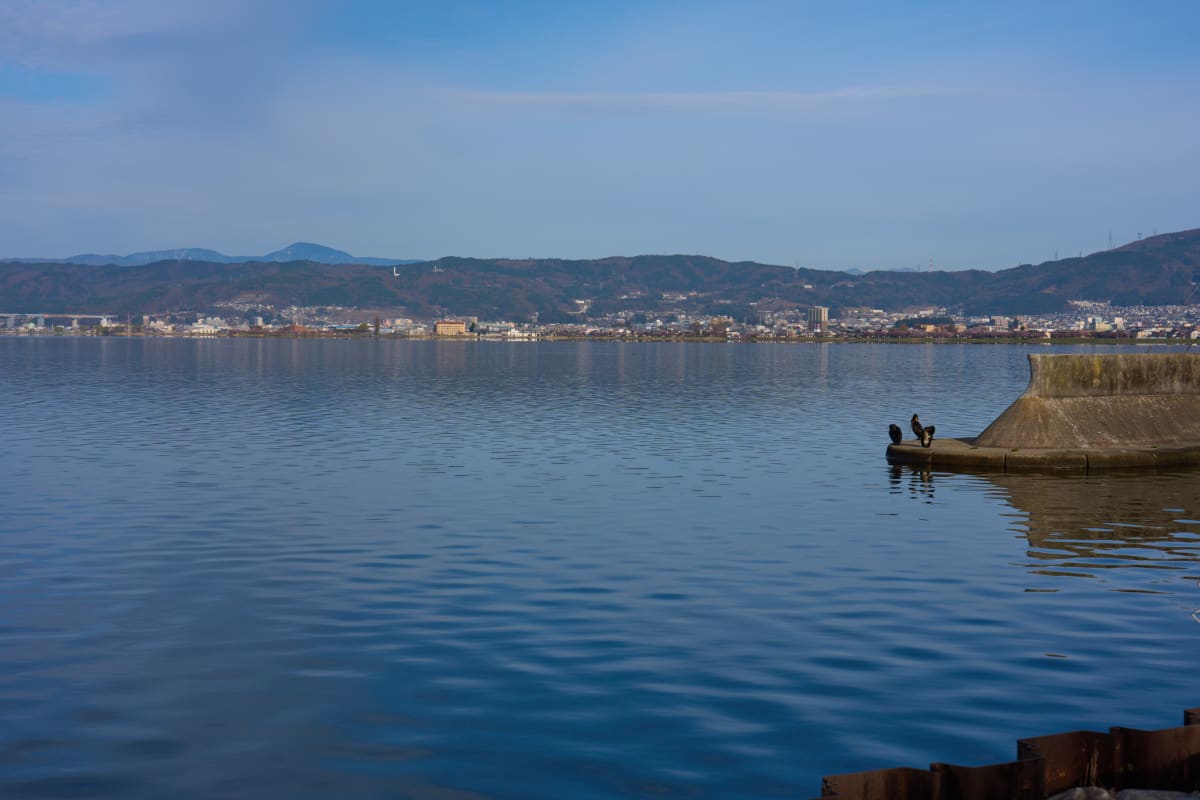
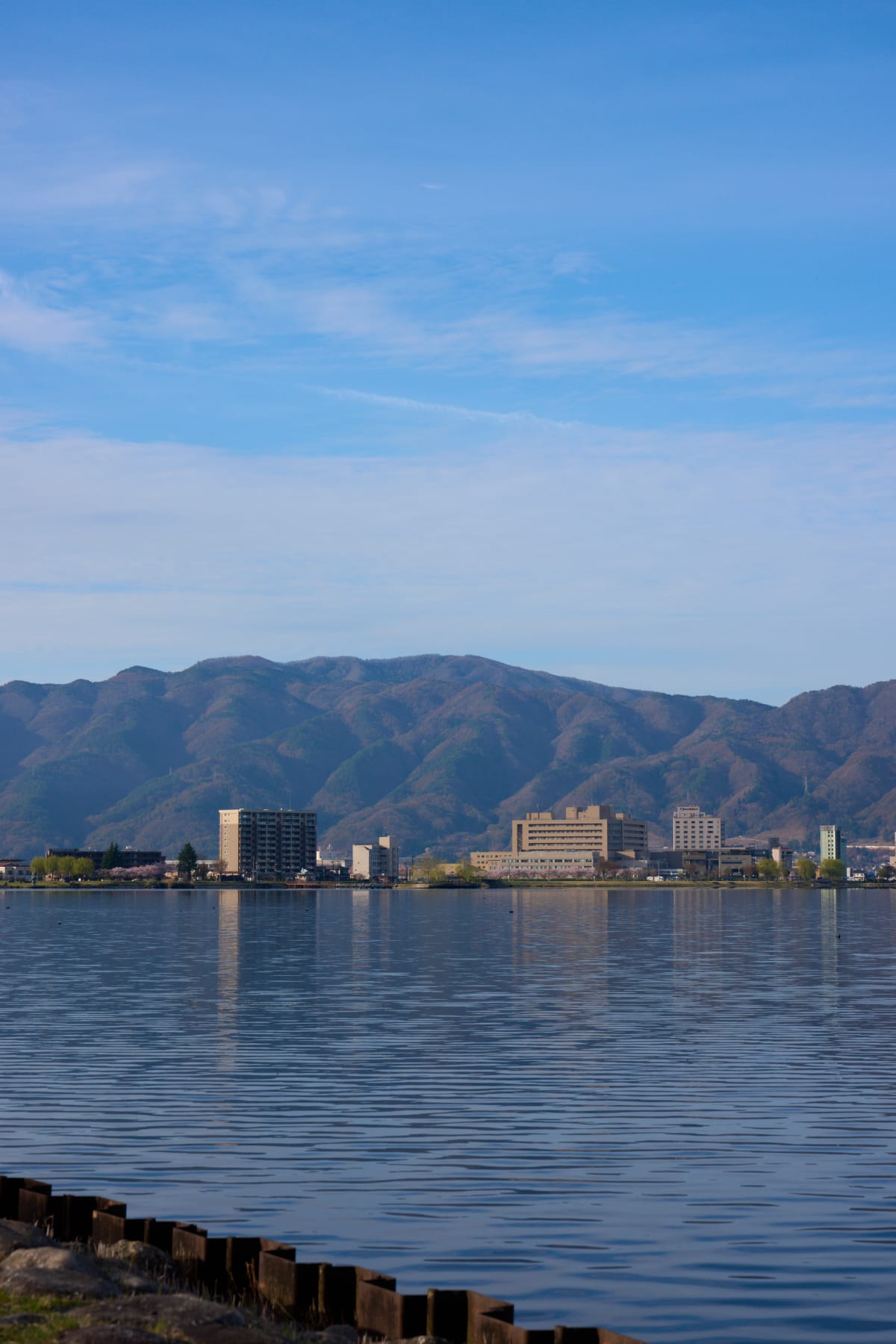
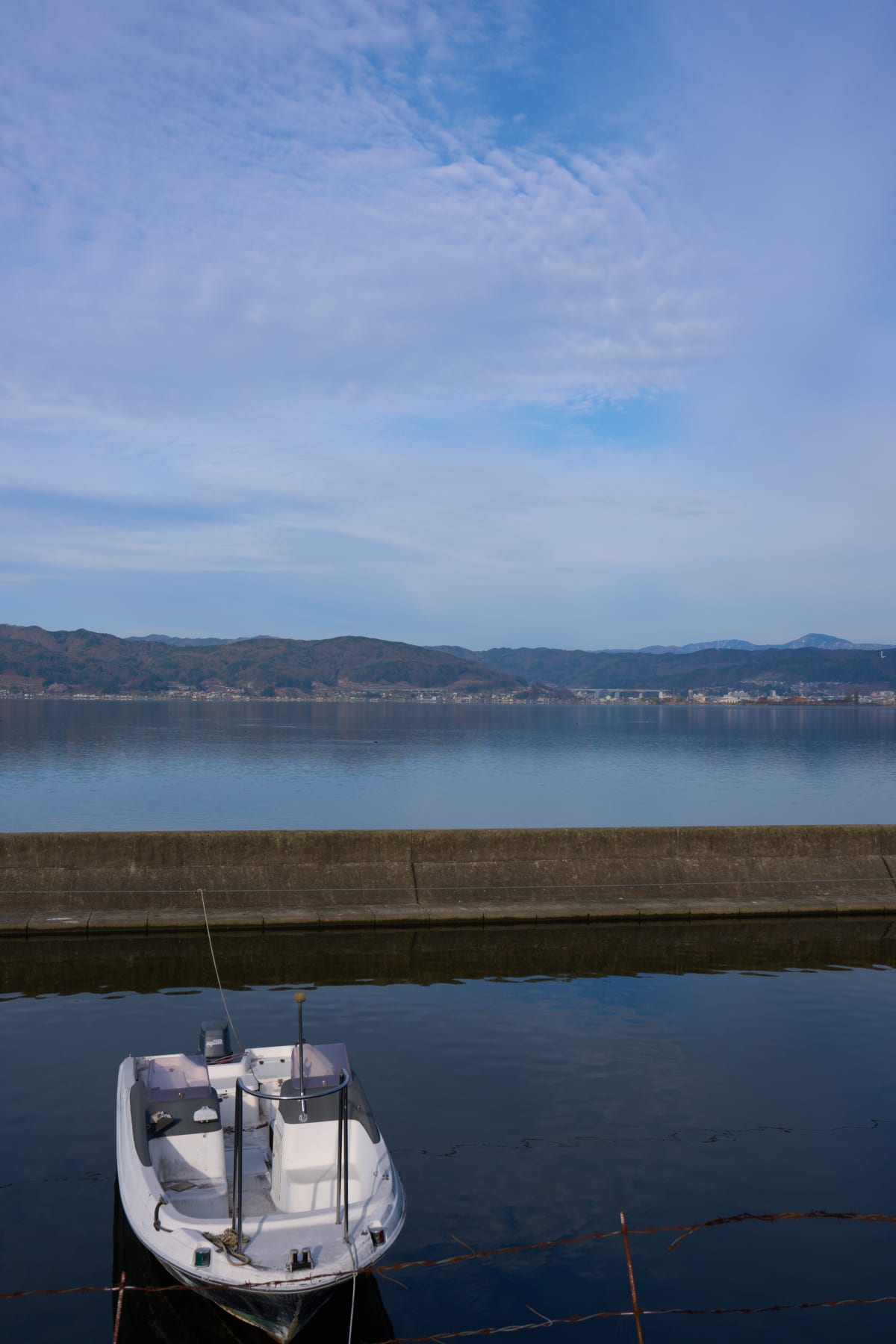
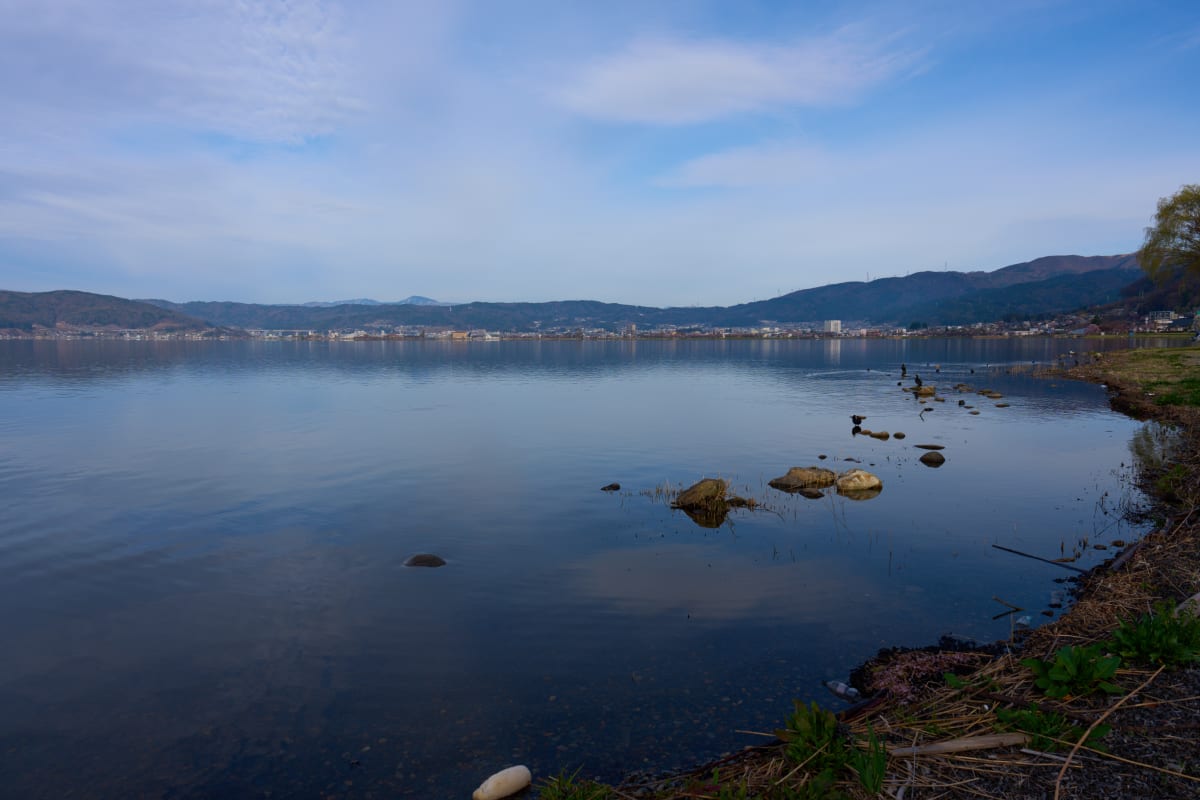
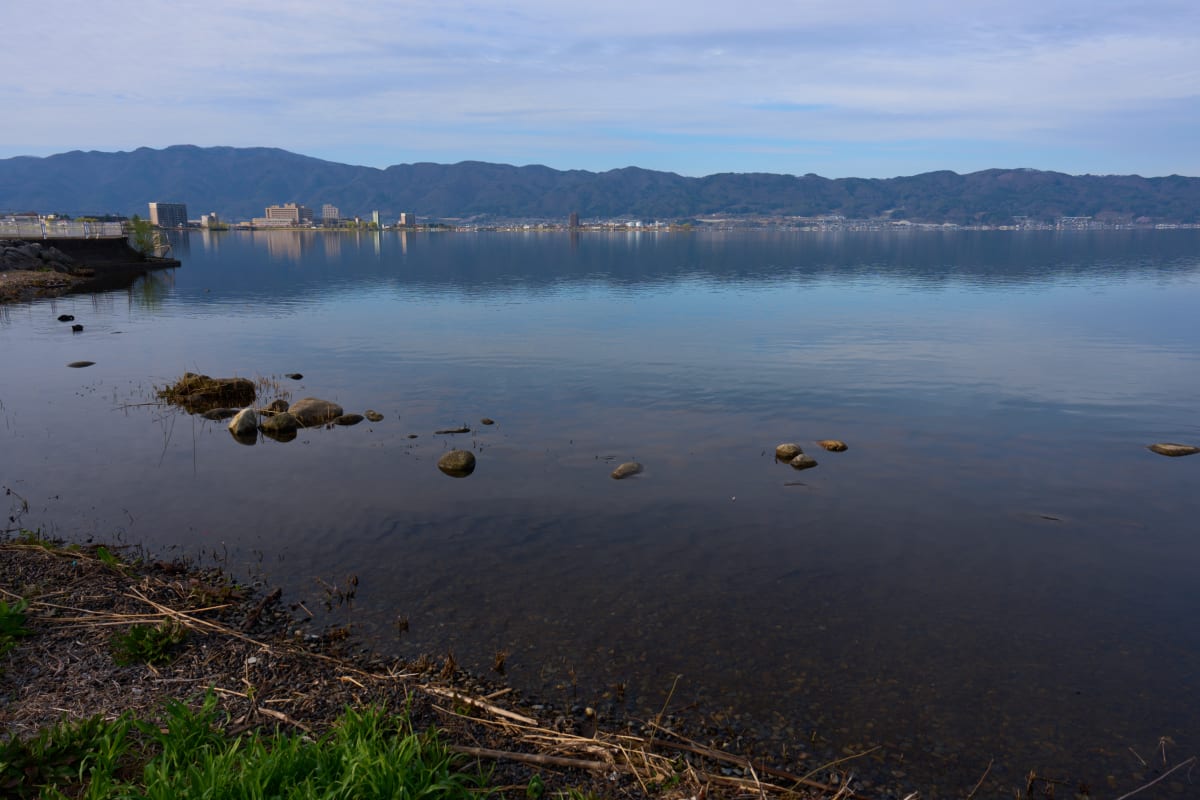
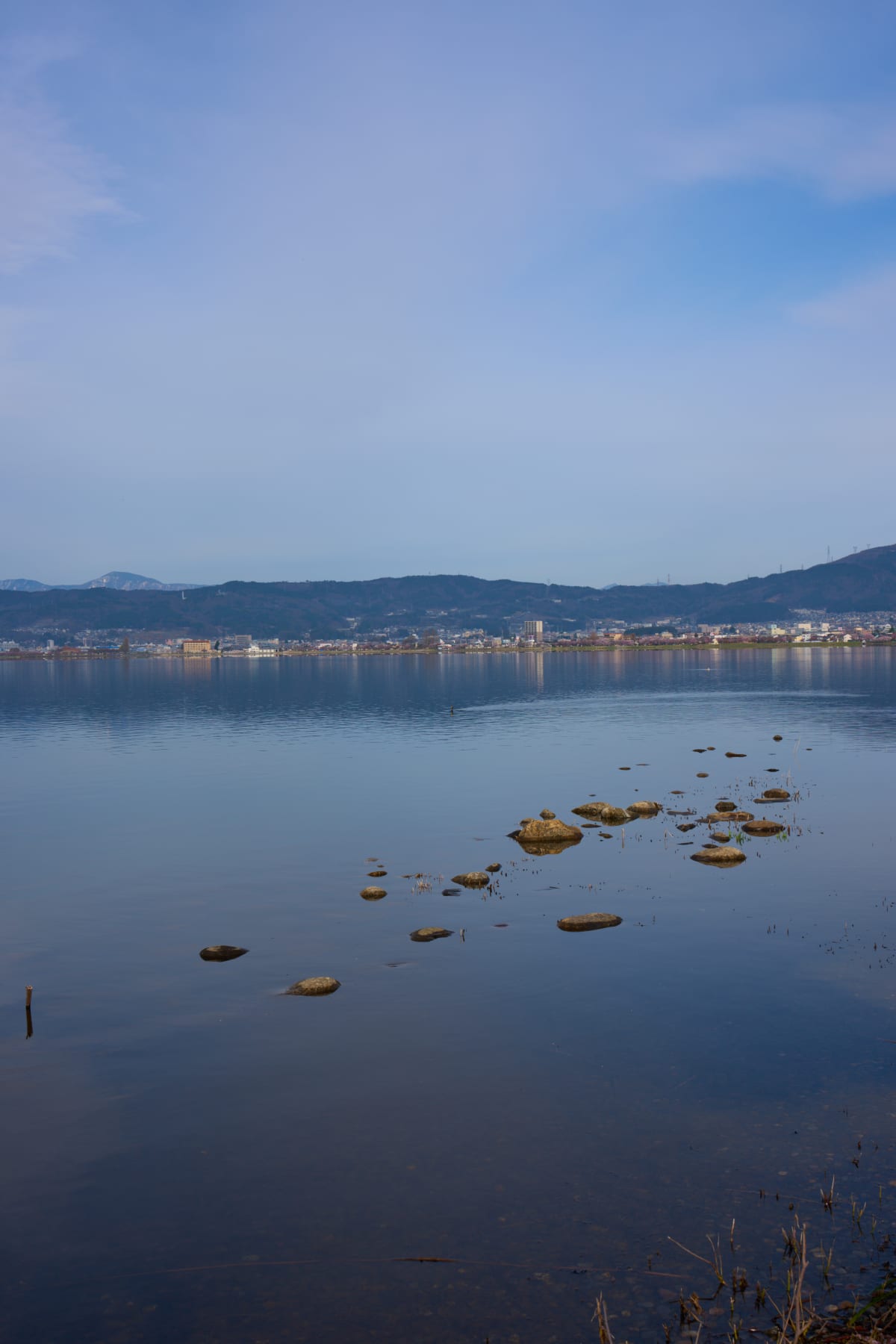
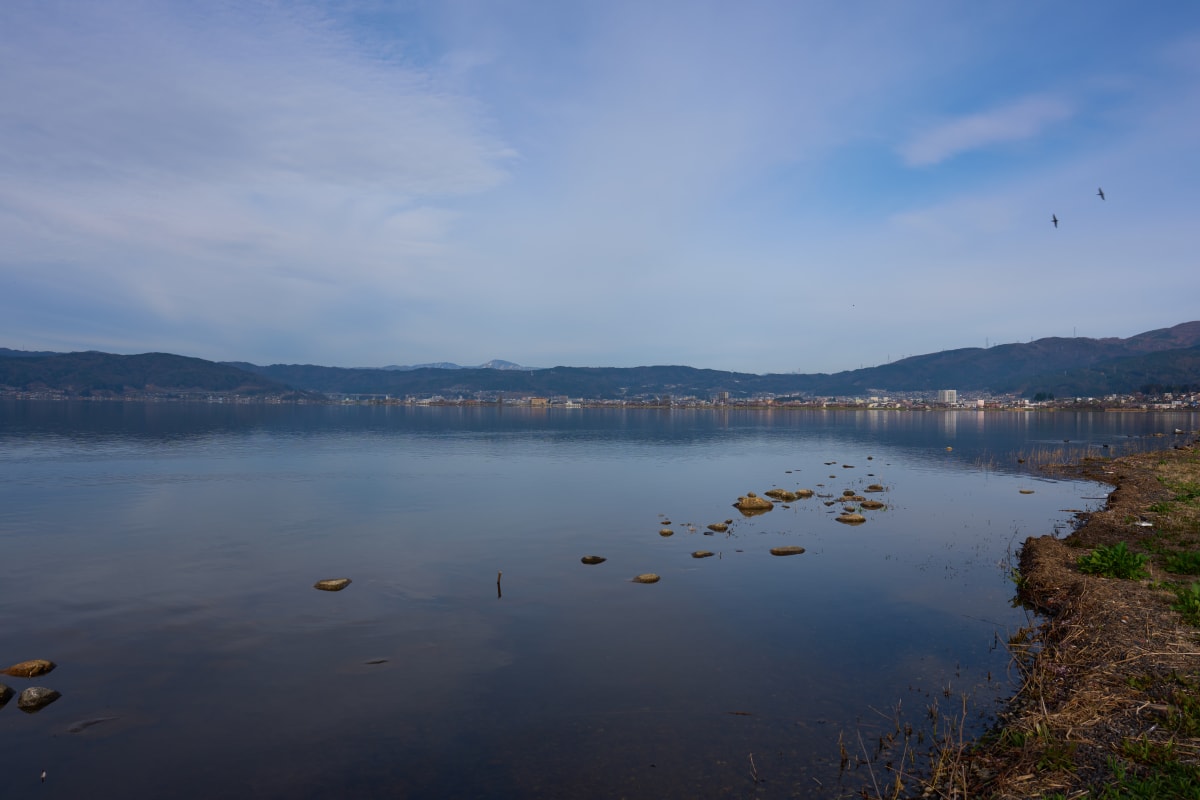
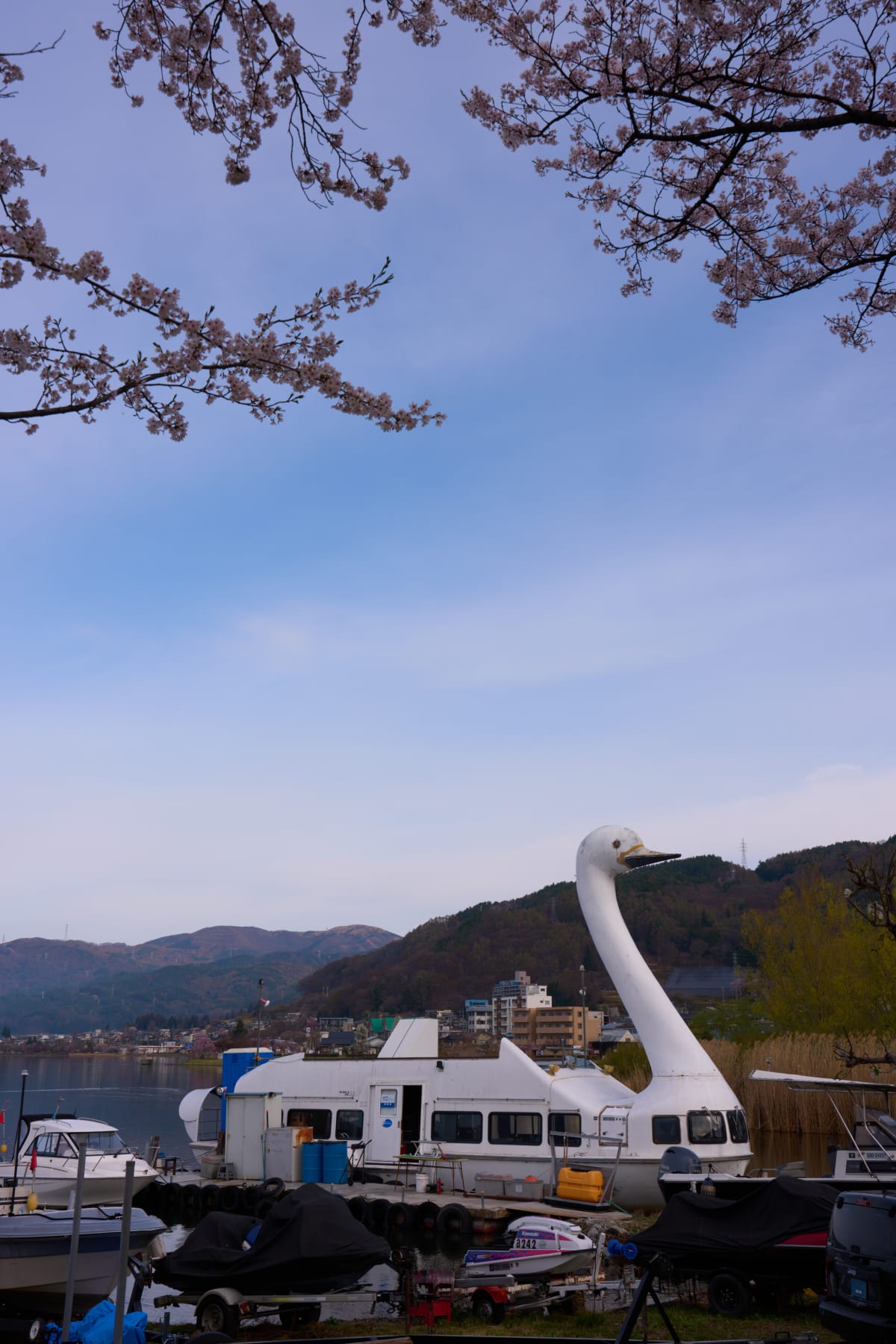
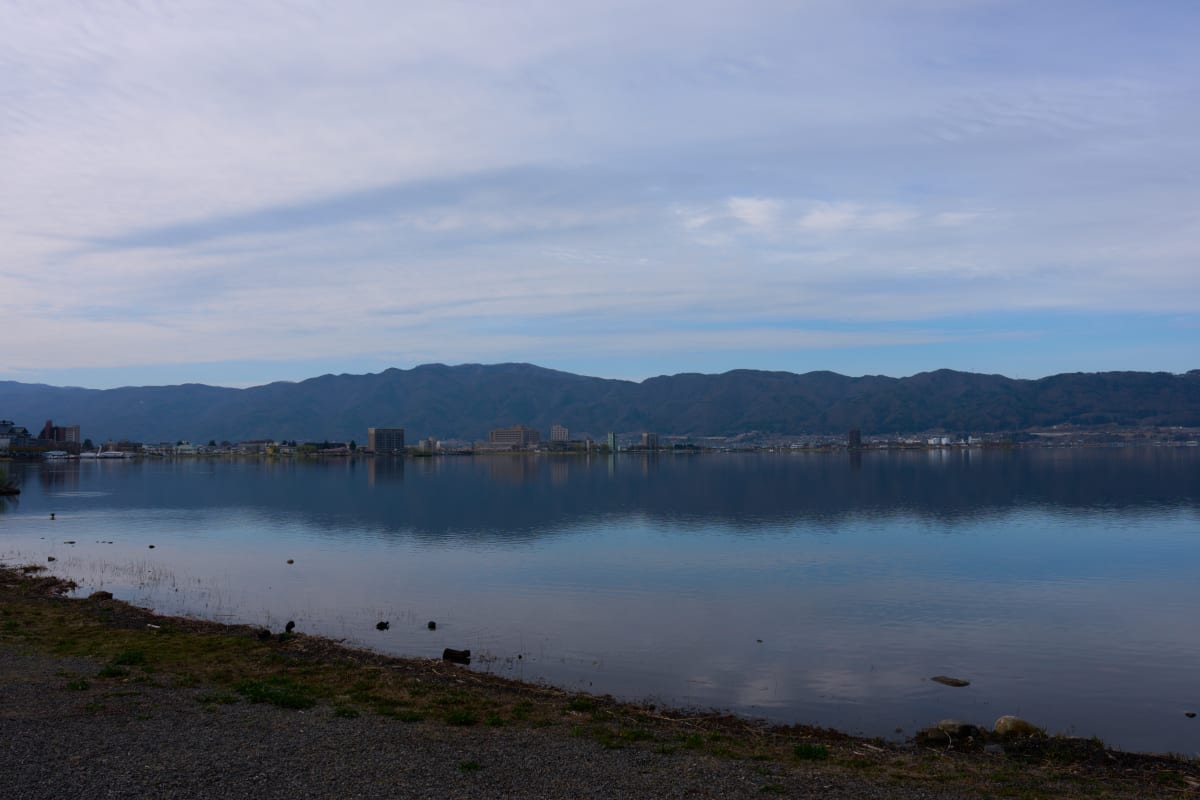
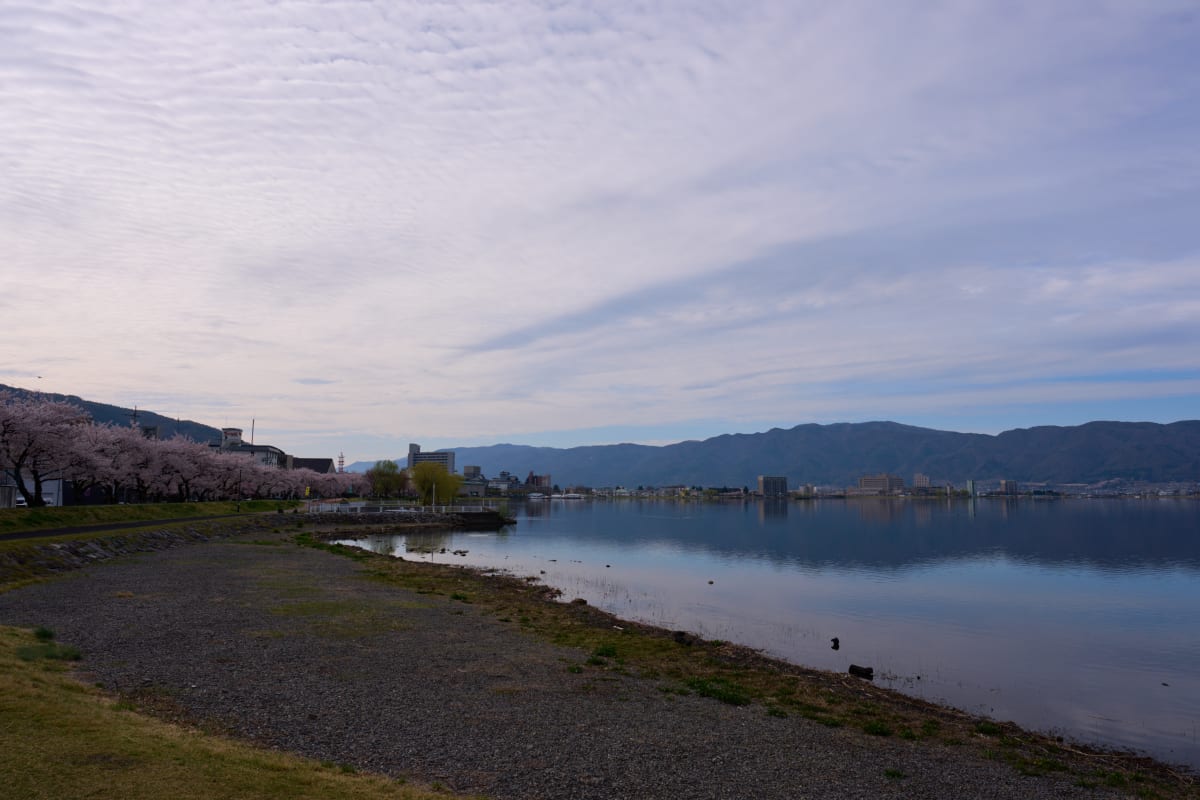
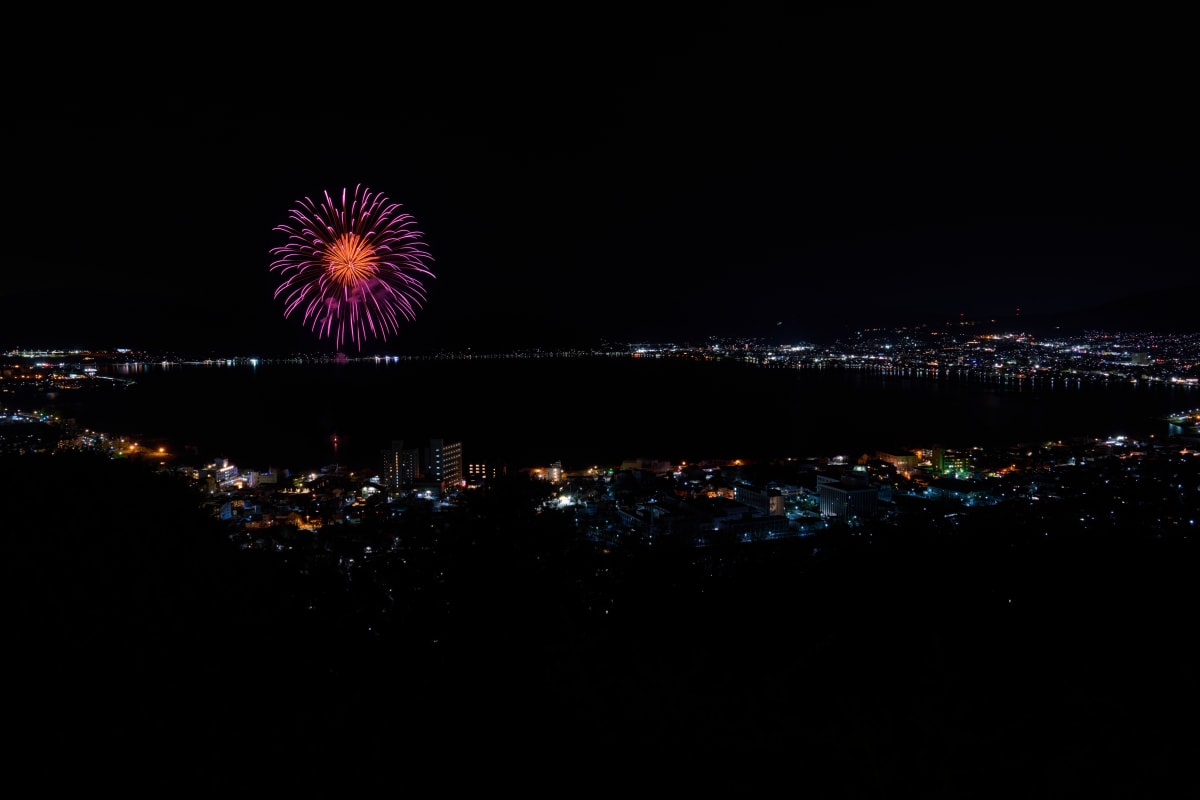
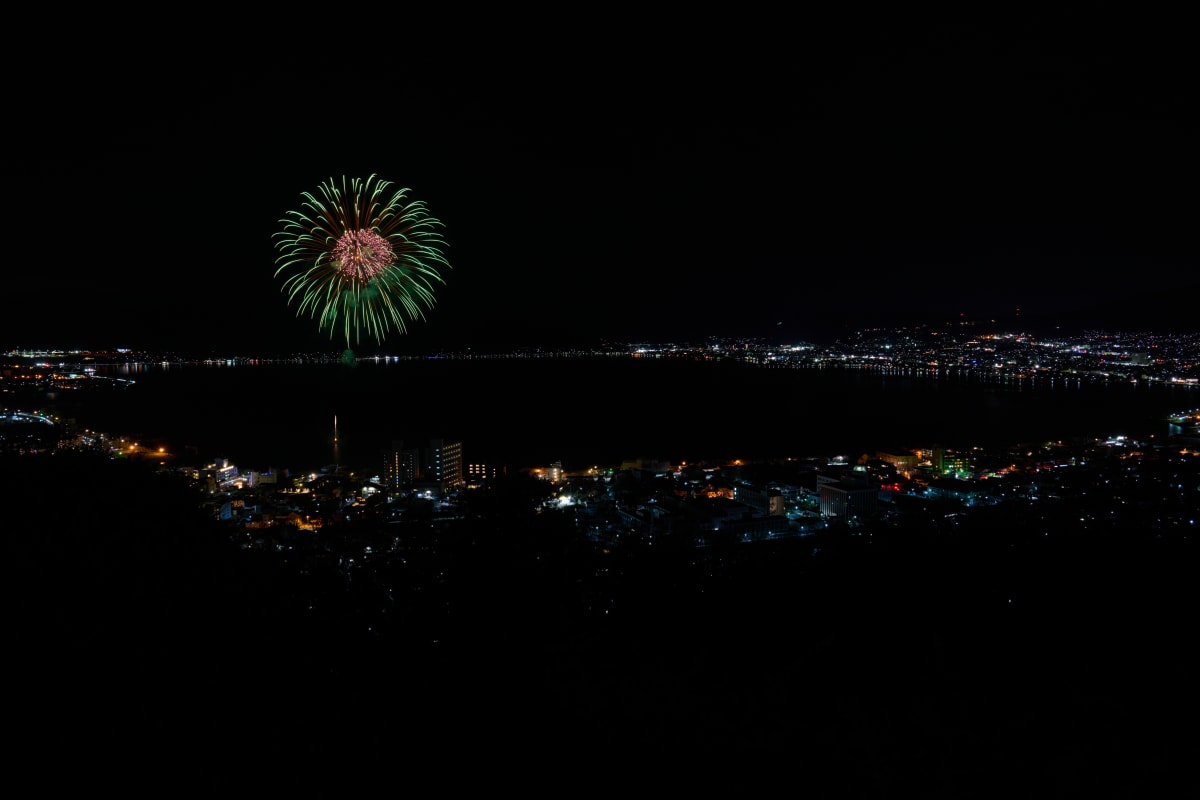
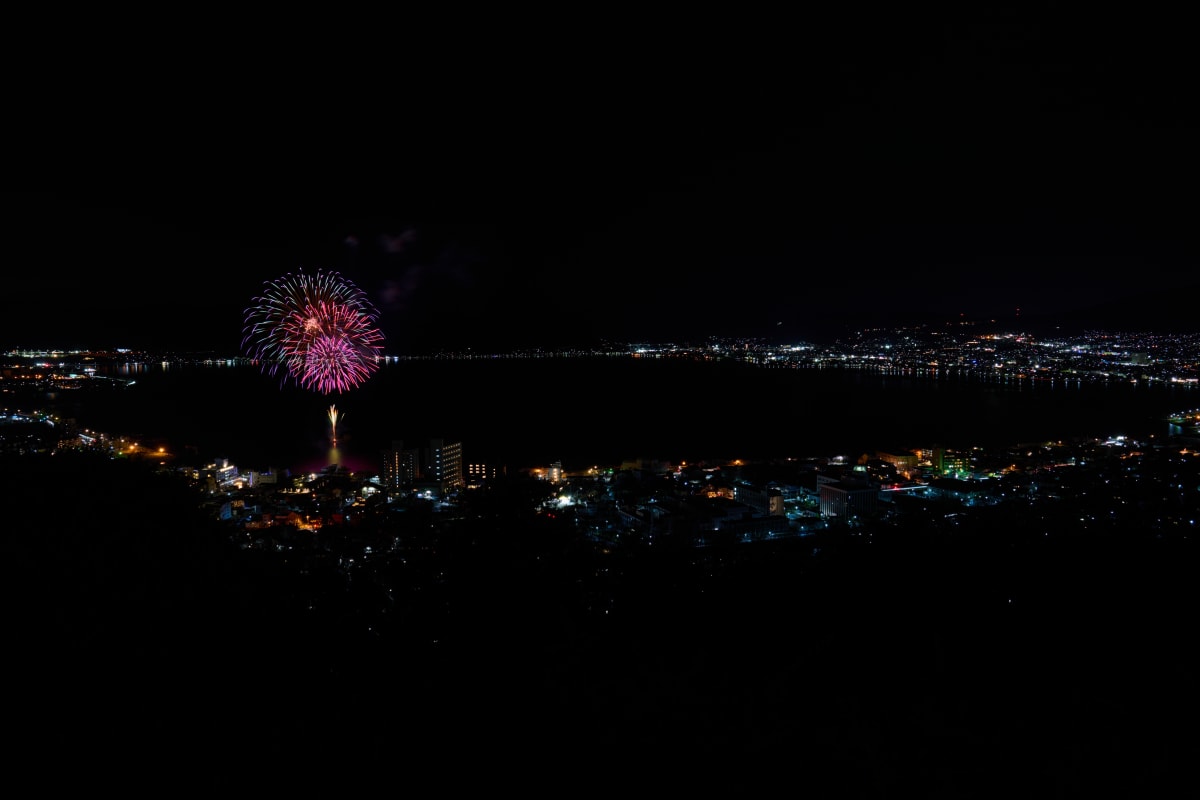
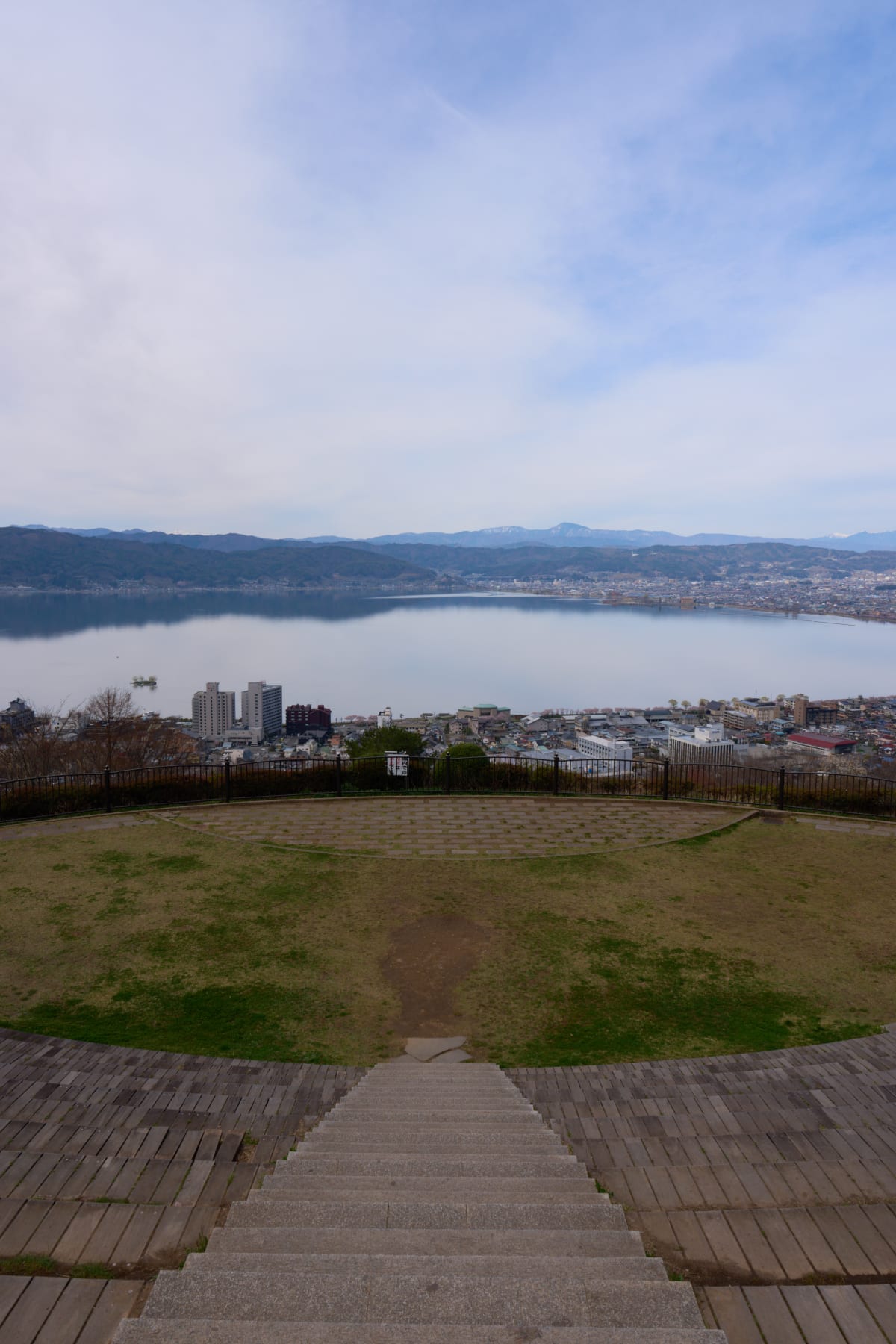
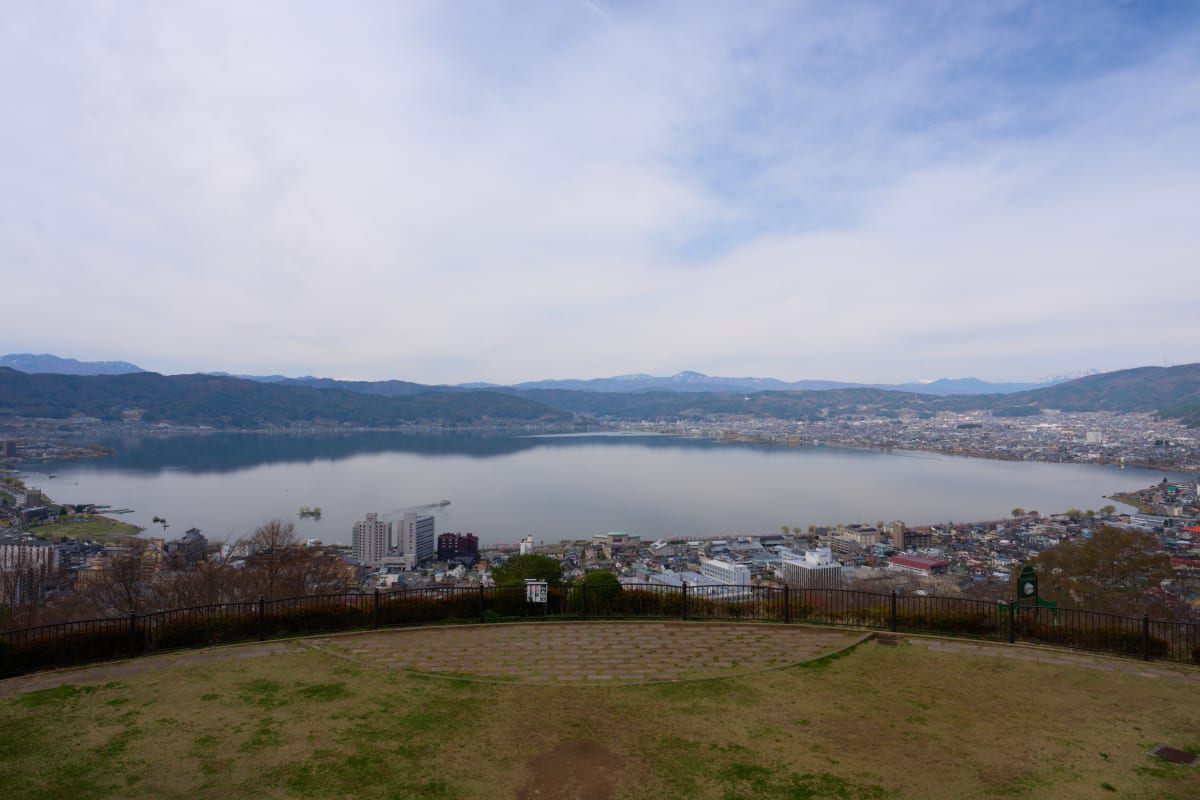
Japan's lakes. The world-class clarity of Hokkaido's Lake Mashu, Lake Toya with Mt. Yotei and summer fireworks, Lake Kawaguchi mirroring Mt. Fuji, and Lake Suwa with its winter «Omiwatari» ice ridges — quiet waterscapes born of volcanoes and prayer.
Photography Guide
Best Season
Each lake has a different peak: Mashu in autumn (October) on rare clear days, Toya in summer (Jul–Aug) for nightly fireworks, Kawaguchi in winter (Dec–Feb) for snow-capped Fuji + inverted reflection, Suwa in winter (Jan–Feb) for «Omiwatari» ice ridges (every few years). Fresh greenery (May) gives gentle lakeside scenes too.
Best Time
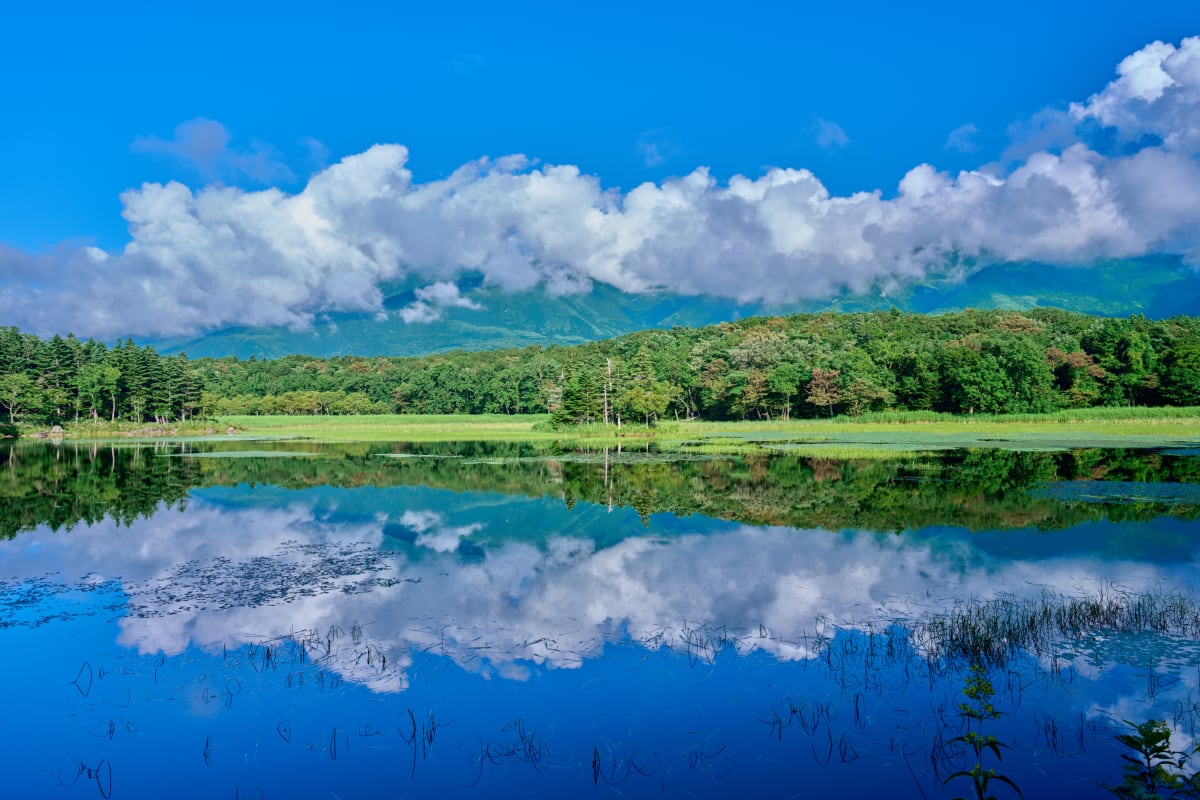
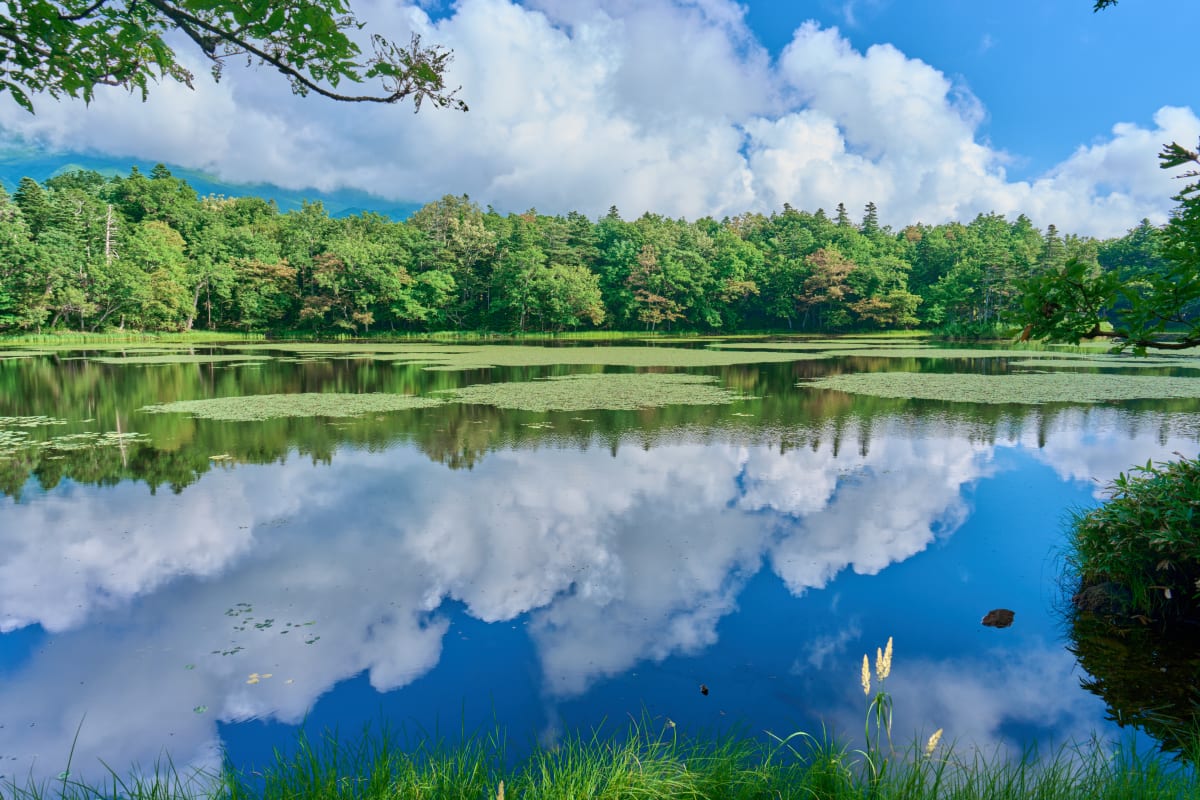
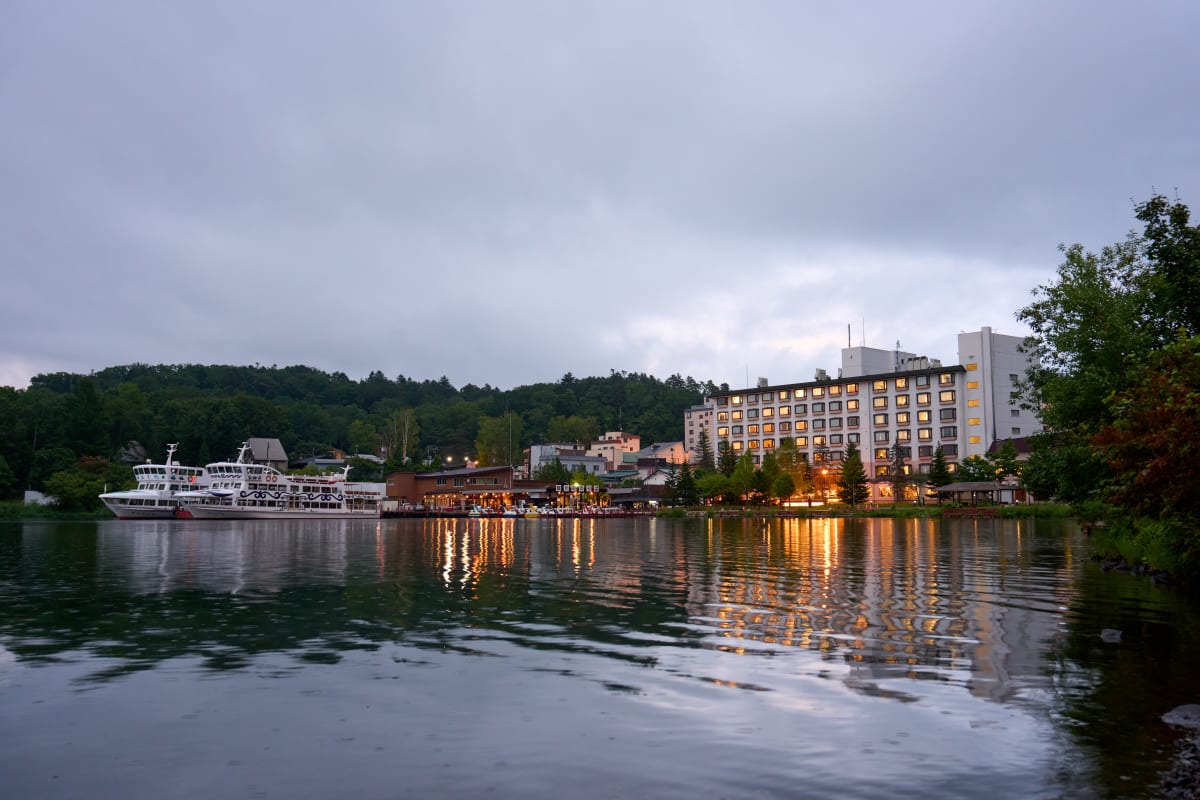
Early-morning windless hours (5:00–7:00) are essential for inverted reflections. Mashu is often foggy — target the brief clearings. Kawaguchi's inverted Fuji works best late autumn–winter at dawn when temperature differential calms the surface. Post-sunset blue hour deepens lake into navy — dreamlike.
Technique
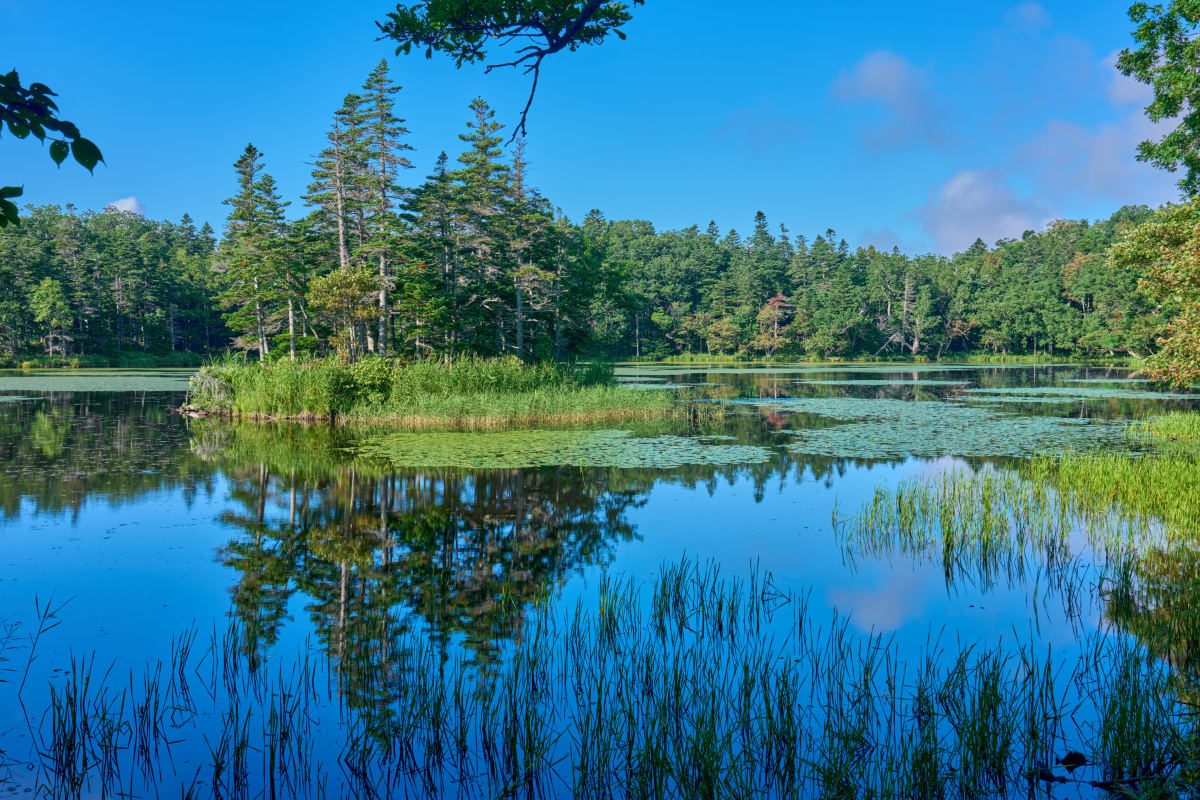
Inverted reflections demand zero wind — even faint breeze ruins the mirror. Wide-angle (16–35mm) for lake+mountain+sky three-layer; medium-tele compresses reflection. Expose for shadow side (reflection) for symmetric result. Tripod essential. CPL: keep or kill reflection — your call.
Equipment
Tripod needs heft for rocky/sandy lakeside. ND for daytime long-exposure (smoothed water). CPL boosts subsurface clarity or cuts surface reflection. Three-zoom kit (wide+standard+tele) ideal. Lakes attract mist — bring rain cover and absorbent cloths.
Field Tips
Mashu is foggy — clear days under 30% of year. Plan multi-day visits. Three observatories (Lookouts 1, 3, Ura-Mashu) offer different views. Toya fireworks April–October nightly 20:45–21:05. Kawaguchi inverted Fuji needs hourly wind data check. Suwa Omiwatari requires 10+ consecutive days below -15°C.