촬영지블로그컬렉션검색문의

노보리베쓰

홋카이도· Noboribetsu

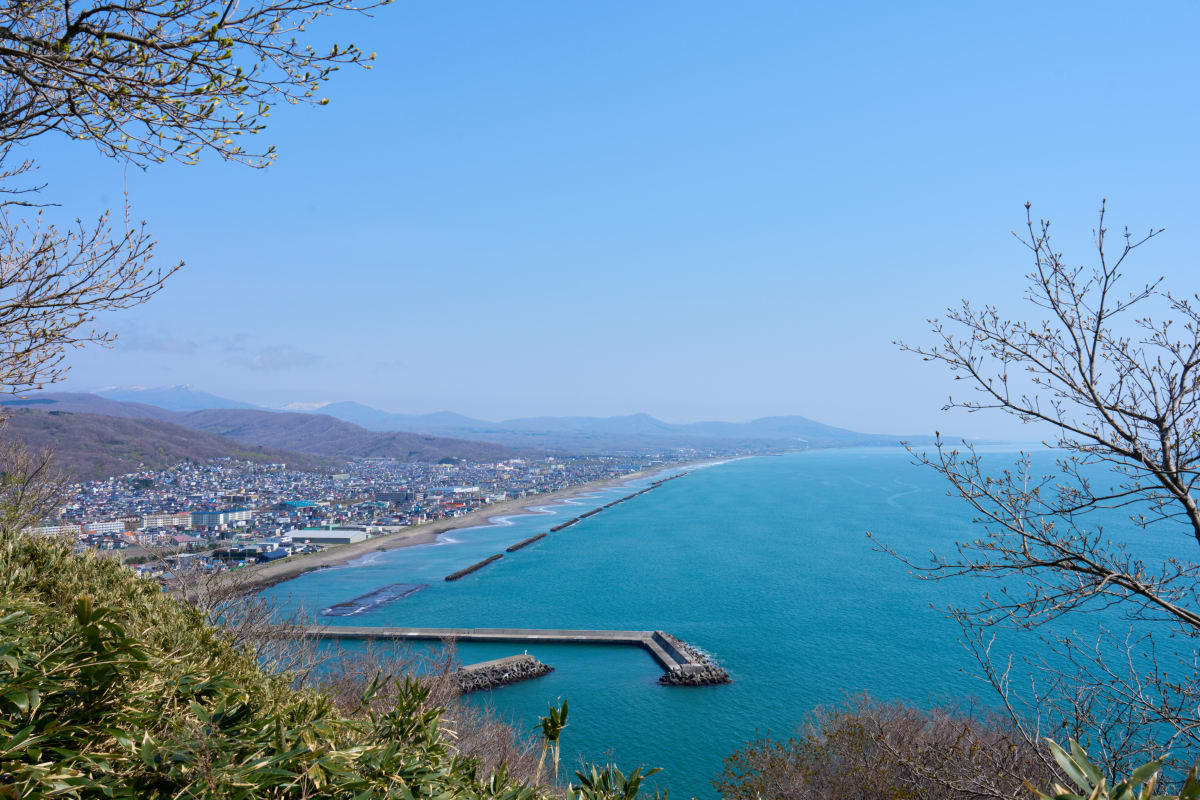
Noboribetsu, in Noboribetsu City within the Iburi General Subprefectural Bureau of Hokkaido, is one of Japan's premier hot spring towns — earning the nickname «department store of hot springs» because of its nine distinct water types. Producing about 10,000 tonnes of hot spring water daily (roughly 1.5 Tokyo Domes), its natural outflow ranks among the world's largest. The main landmark, Noboribetsu Jigokudani («Hell Valley»), is a roughly 450 m-wide, 11-hectare crater formed by the eruption of Mt. Kuttara about 10,000 years ago — an active volcanic zone where steam, volcanic gas, and hot spring water continue to vent. With the natural footbath of Oyunuma River (where iron-rich water flows like a stream), Oku-no-Yu (a 7,000 m² sulfur-spring lake), walking paths through steaming valleys, and the «Oni Hanabi» fireworks of July–August, it offers dynamic onsen photography.

하이라이트

  • Noboribetsu Jigokudani — a 450 m-wide, 11-hectare crater with steaming valleys and walking paths
  • Oyunuma — a 1 km-perimeter, 7,000 m² sulfur-spring lake with surface temperatures of 40–50 °C, mystical pale-blue waters
  • Oyunuma River Natural Footbath — a hot spring stream flowing from Oyunuma, free to enjoy as a forest footbath
  • Oku-no-Yu — adjacent to Oyunuma, an ash-gray pond extending the Jigokudani's otherworldly landscape
  • Evening Illumination and Oni Hanabi (July–August) — the Jigokudani path is illuminated at night, with the «demon fireworks» festival in summer

빠른 답변

What is Noboribetsu?
A hot spring town in the Iburi region of Hokkaido — the «department store of hot springs» with nine different water types. With about 10,000 tonnes of daily output (one of the world's largest natural flows), the Jigokudani crater, Oyunuma, and the Oyunuma River footbath form a dynamic photographic landscape of volcanic terrain and onsen.
Best time to shoot Jigokudani?
Morning is best for soft light and visible steam. Evening illumination (May–October) is atmospheric. Winter mornings produce the densest steam due to the temperature gap; long exposures with a tripod reveal the flow of vapor.
Access?
About 1 hour by car from New Chitose Airport, 15 minutes by bus from JR Noboribetsu Station. From Sapporo, about 1.5 hours by car or by limited-express bus/JR. From Jigokudani, walk 30 minutes to Oyunuma; include Oku-no-Yu for a 2–3 hour stroll.
What are the nine water types?
Sulfur (cloudy white, skin), saline (warming), Glauber's (cuts), alum (skin beauty), iron sulfate (blood-forming), radium (women's health), iron (anemia), acidic (sterilizing), and bicarbonate (skin beauty). It is rare worldwide to have all nine in one resort. Each ryokan features different waters — visit several.
Recommended ryokan?
Dai-ichi Takimotokan (founded 1858, the historic landmark with 35 baths), Noboribetsu Grand Hotel (near Jigokudani, Japanese-Western fusion), Takinoya (luxury Japanese, top cuisine), Noboribetsu Manseikaku (good value). ¥15,000–35,000/night with two meals. Day-bath access ¥1,500–2,000 — visiting 3–4 ryokan as a «bath crawl» is the standard.
Nearby attractions?
①Jigokudani + Oyunuma trail (2 hr walk) ②Lake Kuttara (caldera lake rivaling Mashu's clarity, 15 min by car) ③Noboribetsu Bear Park (~100 brown bears, ropeway access) ④Noboribetsu Marine Park Nixe (aquarium with retro Danish-castle architecture). A 2-day stay covers onsen photography and sightseeing.
노보리베쓰 - 홋카이도 | Landscapes of Japan
2025
Landscapes of Japan
노보리베쓰 - 홋카이도 | Landscapes of Japan
2025
Landscapes of Japan

More in 홋카이도

삿포로
27 photos
삿포로 눈축제
4 photos
아사히야마 동물원
6 photos
비호로 고개
11 photos
시레토코
30 photos
마슈호
3 photos
아칸
10 photos
후라노
6 photos
산단타키 공원
2 photos
무로란
4 photos
오타루
5 photos
비바이
2 photos
도야호
4 photos
호쿠류 해바라기 밭
2 photos

Related Content

Blog Posts
Noboribetsu in Spring: Cherry Blossoms, the Sea, and a Hot-Spring Town
Photography Techniques
한랭지 촬영
Collections & Tags
설경온천#가을#겨울#단풍#온천 증기
View all 47 prefectures →