สถานที่BlogCollectionsSearchติดต่อ

บริเวณรอบคิโยมิสึ

เกียวโต· Around Kiyomizu-dera

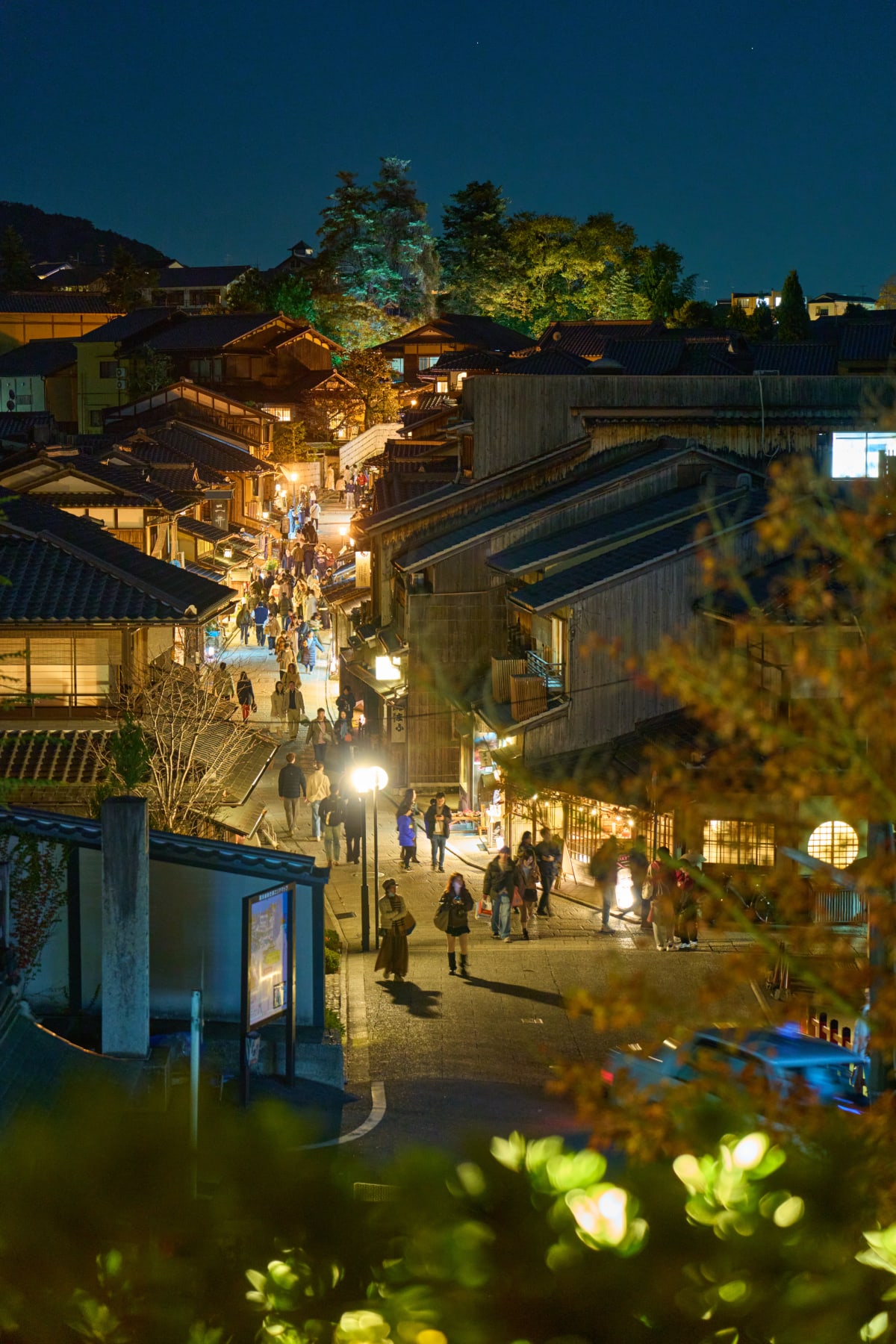
The lanes around Kiyomizu-dera (Kiyomizu-dera shu-hen) form the approach district to the temple in Kyoto's Higashiyama Ward, including Sannenzaka, Ninenzaka, Kiyomizuzaka, and Yasaka-dori — a Designated Important Preservation District for Groups of Traditional Buildings, where Edo-to-Meiji-era machiya houses line stone-paved streets. The district's icon, the Yasaka Pagoda (Hokan-ji), is a 46 m five-story pagoda — said to have been founded by Prince Shotoku in the late 5th century, with the current structure dating to 1440 — that defines Kyoto's old-city skyline. Compositions combining narrow stone-paved slopes, lattice-fronted machiya, kimono-clad visitors, and the pagoda are beloved by photographers worldwide, drawing several million visitors a year as Kyoto's quintessential photographic district.

Highlights

  • Sannenzaka — a stone-stepped slope laid out in the 1740s; framing the Yasaka Pagoda over Edo-era streetscapes makes a classic shot, with cherry blossoms or autumn colors as borrowed scenery
  • Ninenzaka — a gentler slope above Sannenzaka, with Meiji-era machiya, stone paving, and atmospheric lantern light at dusk
  • Yasaka Pagoda (Hokan-ji) — the 46 m five-story tower; looking up from below on Yasaka-dori is the iconic worldwide composition
  • Nene-no-Michi — a stone-paved path leading to Kodai-ji, named for Nene (wife of Toyotomi Hideyoshi), popular for kimono dressing experiences
  • Kiyomizuzaka — the main approach to Kiyomizu-dera, with souvenir shops and Kyoto-style atmosphere; photograph after the evening crowds disperse
Quick Answers

What is the Kiyomizu-dera district?
The approach district to Kiyomizu-dera in Kyoto's Higashiyama Ward (Sannenzaka, Ninenzaka, Kiyomizuzaka, Yasaka-dori) — a Designated Important Preservation District lined with Edo-to-Meiji machiya and stone-paved streets, where compositions framing the Yasaka Pagoda epitomize Kyoto in photography.
Best spot for the Yasaka Pagoda?
Looking up the Yasaka-dori slope from below is the world-famous classic angle. 6–7 AM is virtually empty — ideal also for kimono portraits. After rain, when stone paving reflects evening light, the atmosphere is unique.
Best time of day to shoot?
Early morning (6–8 AM) is uncrowded with soft light. Around 3 PM, kimono-clad visitors add color. Blue hour around sunset combines lanterns and stone paving for a magical scene; wet stones after rain are especially loved by international photographers.
History of Sannenzaka and Ninenzaka?
Sannenzaka is named for legend that it was built in Daido 3 (808 AD), though actual paving dates to the 1740s. From the folk belief «trip here, die in three years,» shops still sell gourd-shaped charms against falls. Designated Important Preservation District in 1976, it remains an iconic success story of Kyoto machiya preservation.
Kimono rental and dressing experiences?
Around 30 kimono rental shops in Gion and Higashiyama. Half-day plans ¥3,000–6,000 (kimono + hair); plus a photo session, ¥15,000+. «Yumeyakata Gion» and «Okamoto» are major chains. Pick up early, shoot before the crowds, return in the evening — that's the efficient pattern. Kimono on the approach paths is a Kyoto signature.
Combine with nearby attractions?
①Kiyomizu-dera (8 AM opening) → ②Sannenzaka/Ninenzaka (stone paving + Yasaka Pagoda) → ③Yasaka Shrine (matchmaking, night illumination) → ④Gion Shirakawa (machiya + cherry/night) → ⑤Hanami-koji (you might glimpse maiko). The Kyoto golden route, all walkable; covers half a day to a full day.
บริเวณรอบคิโยมิสึ - เกียวโต | Landscapes of Japan
2025
Landscapes of Japan

More in เกียวโต

คิโยมิสึเดระ
7 photos
ฟีนิกซ์ฮอลล์เบียวโดอิน
2 photos
โทฟุกุจิ
5 photos
คินคาคุจิ
2 photos

Related Content

Blog Posts
Sannenzaka by Night: Walking the Lantern-Lit Lane to Kiyomizu
Collections & Tags
วัดและศาลเจ้า#วัด

Other prefectures in Kansai

มิเอะ(38)เฮียวโงะ(5)นารา(3)
View all 47 prefectures →