Tokyo
Tokyo
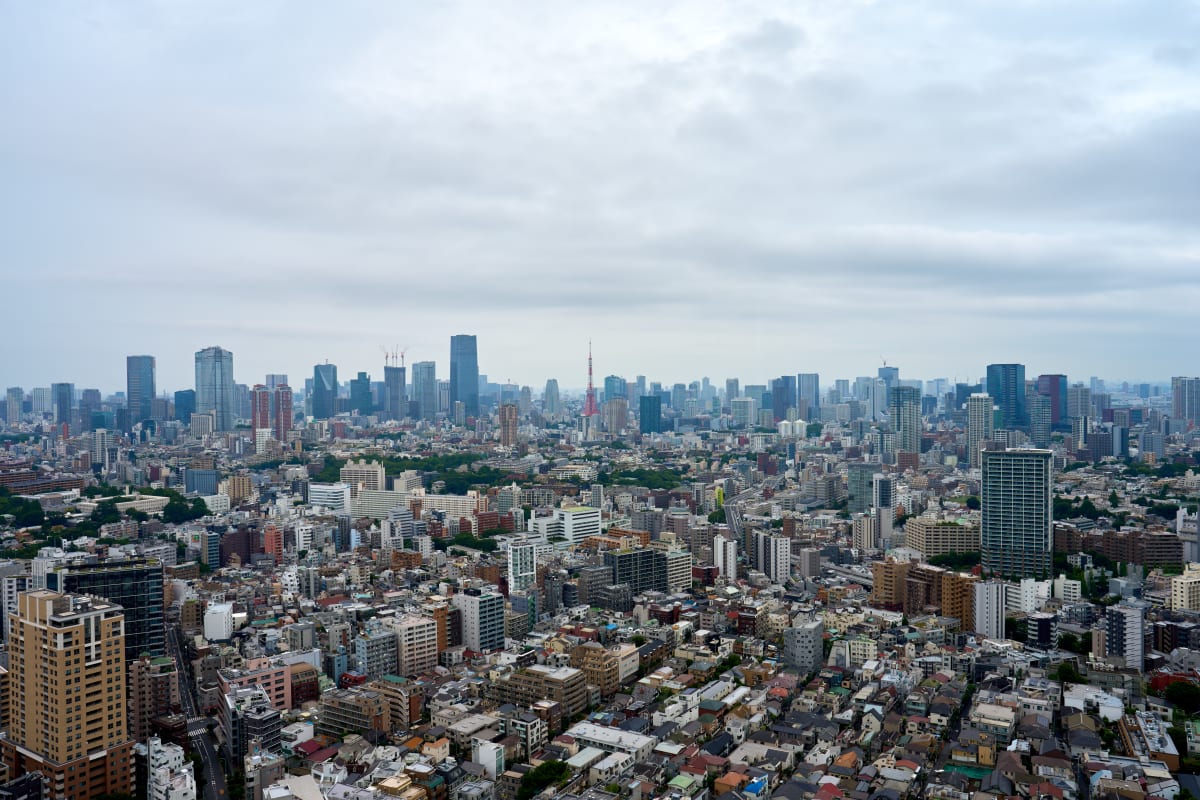
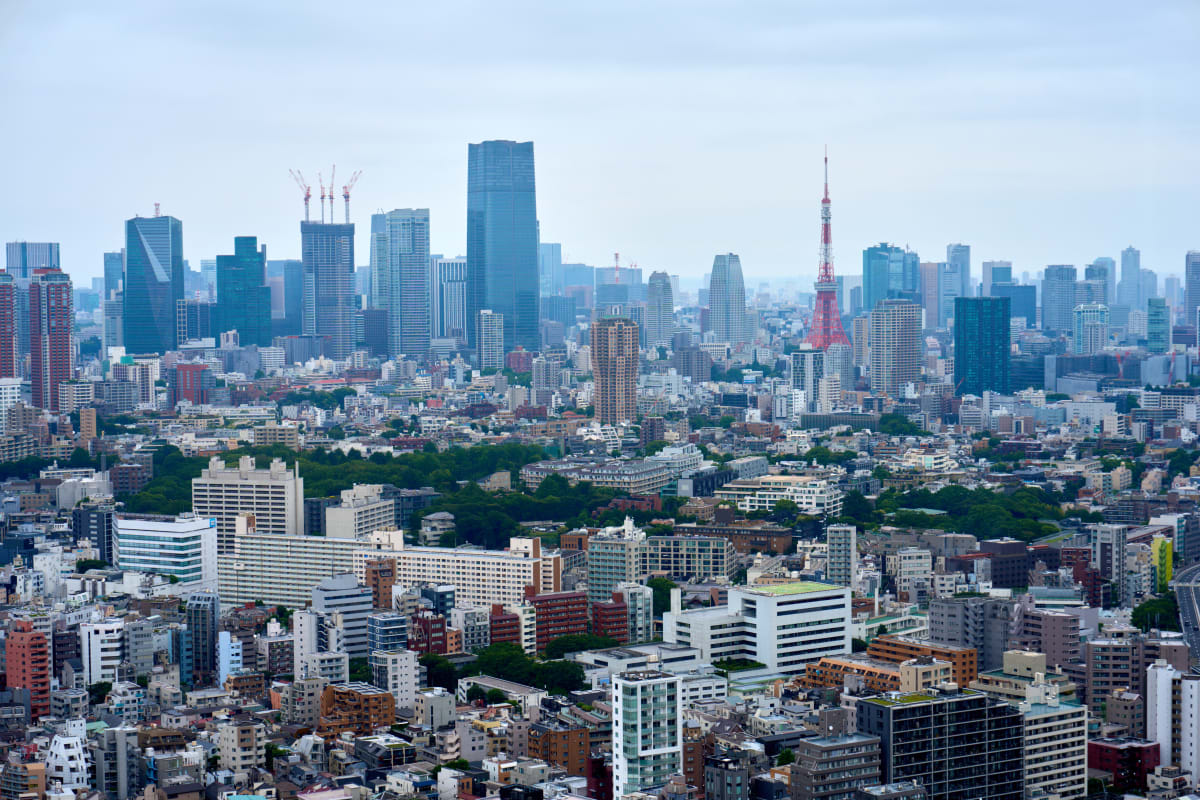
Tokyo's central area covers the heart of the 23 wards — including Chiyoda, Chuo, Minato, Shinjuku, and Shibuya — encompassing the city's main business and shopping districts. Subjects span the Marunouchi brick station of Tokyo Station (opened 1914, restored 2012), Tokyo Tower (333 m, completed 1958, a symbol of postwar reconstruction), Tokyo Skytree (634 m, the world's third-tallest broadcasting tower, opened 2012), the four seasons of the Imperial Palace, the entertainment districts of Ginza, Shinjuku, and Shibuya, and Odaiba's Rainbow Bridge. About 70% of international visitors to Japan come to Tokyo, making it the country's largest urban photographic destination.
Highlights
- Tokyo Station Marunouchi facade — the 1914 red-brick station, restored in 2012 to its Taisho-era form; capture the night illumination from the Marunouchi Building or KITTE rooftop
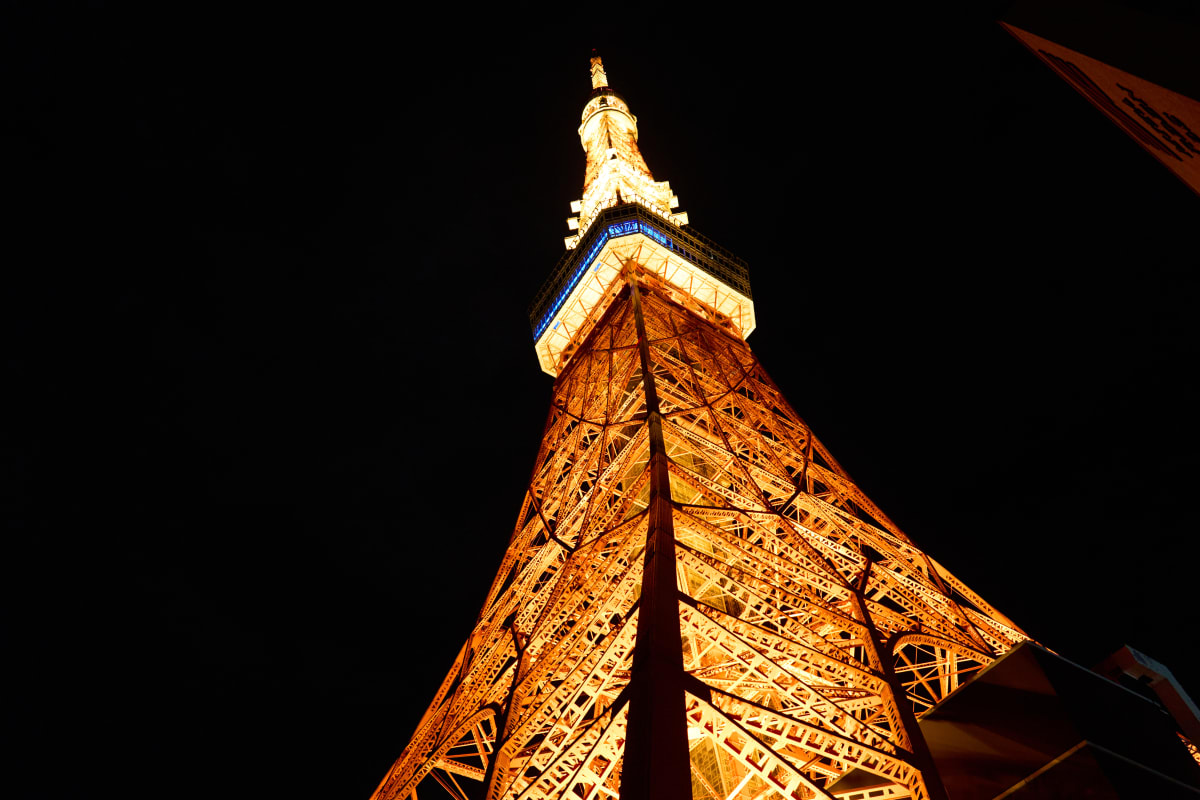
- Tokyo Tower — completed 1958 at 333 m, once the world's tallest self-supporting tower (taller than the Eiffel Tower), a symbol of postwar reconstruction
- Tokyo Skytree — opened 2012 at 634 m, the world's third-tallest broadcasting tower, with seasonal color illuminations at night
- Shibuya Scramble Crossing — half a million people cross daily, the world's busiest intersection; capture the bird's-eye view from SHIBUYA SKY
- Imperial Palace and Chidorigafuchi — green oasis on the Edo Castle site, with cherry blossoms, fresh green, autumn colors; includes the Imperial Plaza and Niju-bashi Bridge
Quick Answers
What is central Tokyo?
The heart of Tokyo's 23 wards — its main business and shopping districts. Subjects include Tokyo Station, Tokyo Tower (333 m), Skytree (634 m), the Imperial Palace, Ginza, Shinjuku, Shibuya, and Odaiba — Japan's largest urban photographic destination, where modern architecture, nightscapes, and culture all converge.
One-day shooting route in Tokyo?
Morning: Imperial Palace → Tokyo Station → Marunouchi. Noon: Asakusa Kaminarimon, Skytree. Evening: Shibuya Scramble → Roppongi Hills nightscape. The ¥800 subway day pass covers it all. Early morning at the Imperial Palace and Asakusa is least crowded with softest light.
Tips for Tokyo night photography?
Use a tripod, low ISO, and long exposure. Blue hour (30 min after sunset) balances sky and city lights best. Watch observatory closing times; rooftops require wind and cold gear. SHIBUYA SKY (229 m), Tokyo City View (238 m), and Caretta Shiodome are insider picks.
Recommended observatories?
①SHIBUYA SKY (229 m, rooftop, ¥2,500, sacred for sunset to night views) ②Tokyo City View (Roppongi Hills, 238 m, ¥2,500) ③Tokyo Skytree (634 m, ¥3,500) ④Tokyo Tower (333 m, ¥1,500) ⑤Tokyo Metropolitan Government Bldg North/South (202 m, free, until 22:30). Peak times need reservations; weekday evening to night is the secret window.
Best cherry blossom photo spots?
①Chidorigafuchi (west of the Imperial Palace, ~260 Yoshino trees, night illumination, late March) ②Ueno Park (~1,200 trees, largest hanami gathering) ③Meguro River (~800 cherry-lined trees, night view) ④Shinjuku Gyoen (multiple varieties bloom over a long period) ⑤Around Roppongi Hills (urban + cherry). Arrive 6–8 AM to beat crowds.
Access and useful passes?
From Narita to Tokyo Station, Narita Express ~60 min, ¥3,070. From Haneda to central Tokyo, subway ~30 min, ¥480. Useful passes: Tokyo Metro 24-hour pass ¥800 (multi-line), JR Tokunai Pass ¥760, Suica/IC card (¥2,000+). Subway + walking is far more efficient than driving for sightseeing.



More in Tokyo
Related Content
Photography Techniques
Collections & Tags