Pesisir
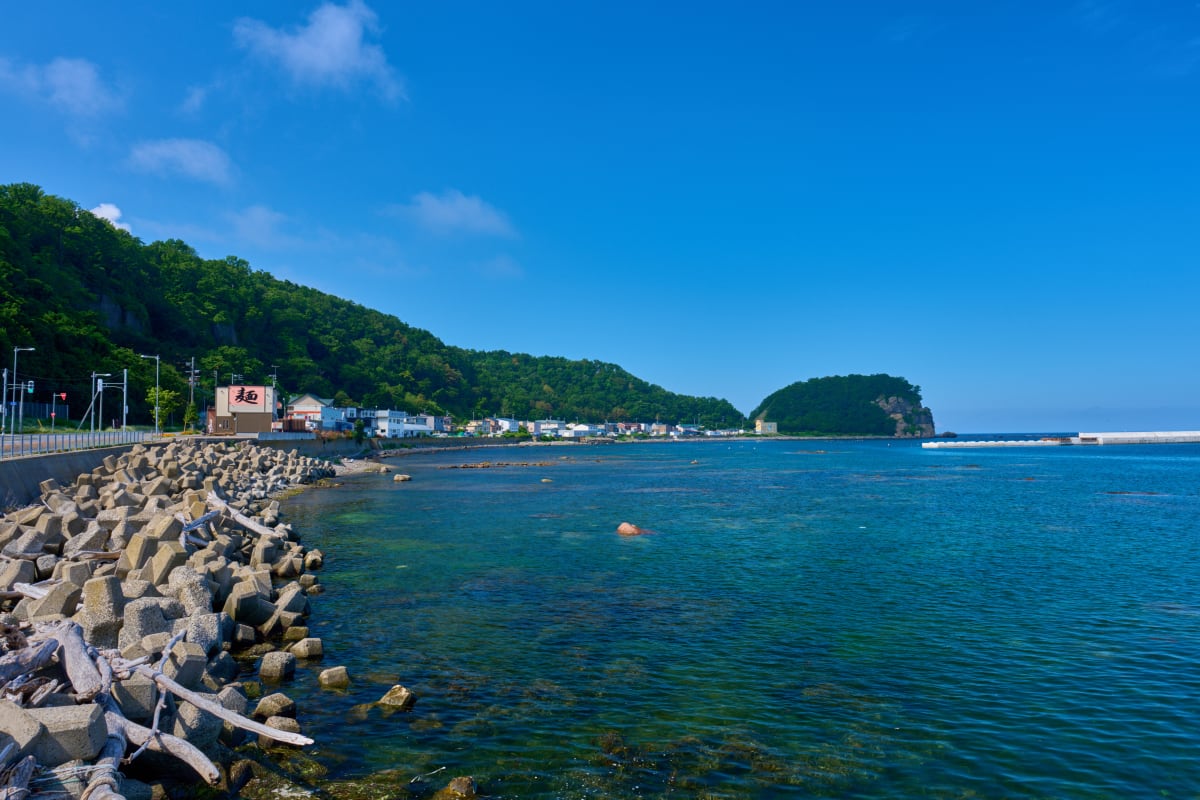
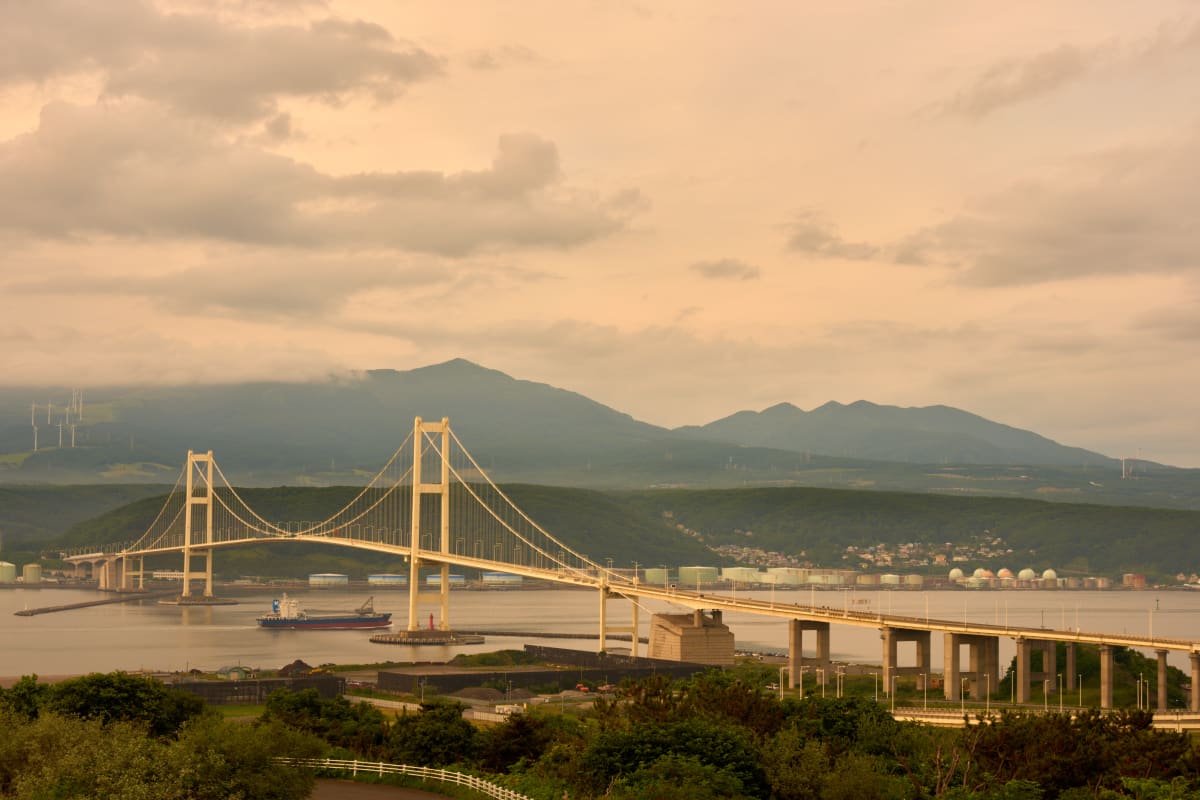
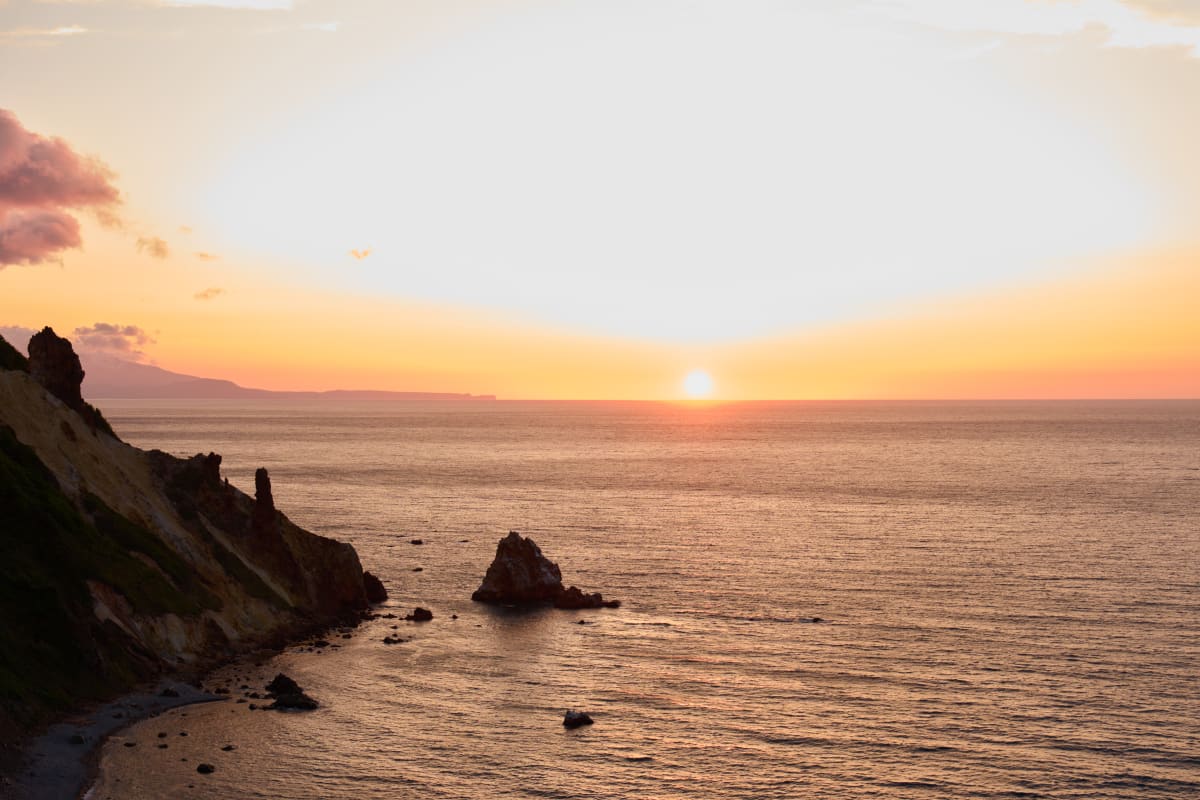
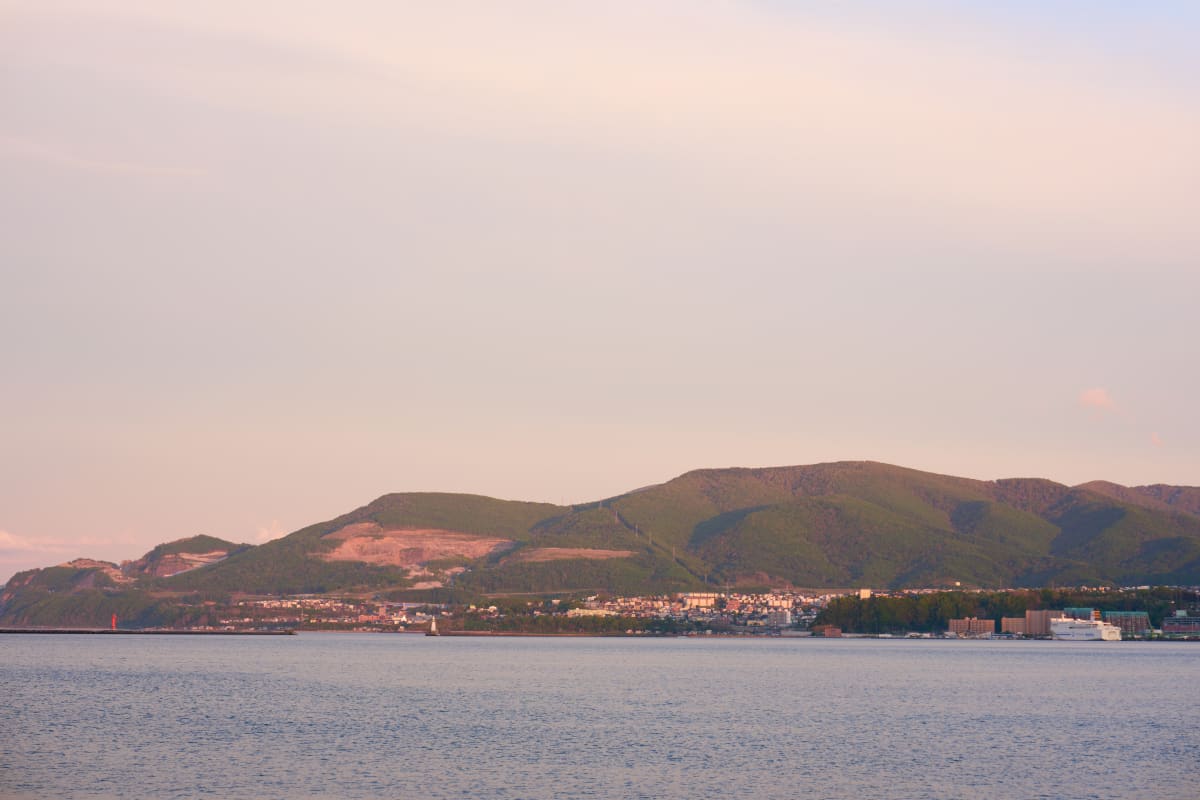
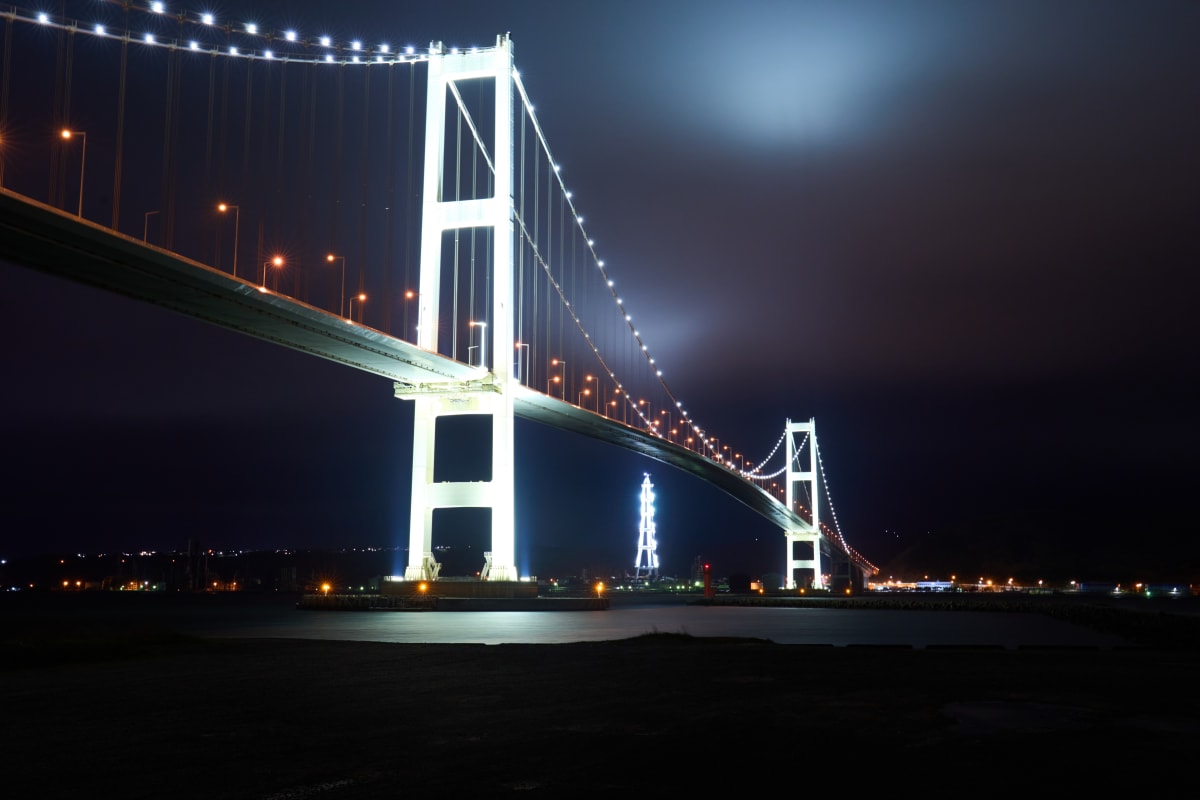
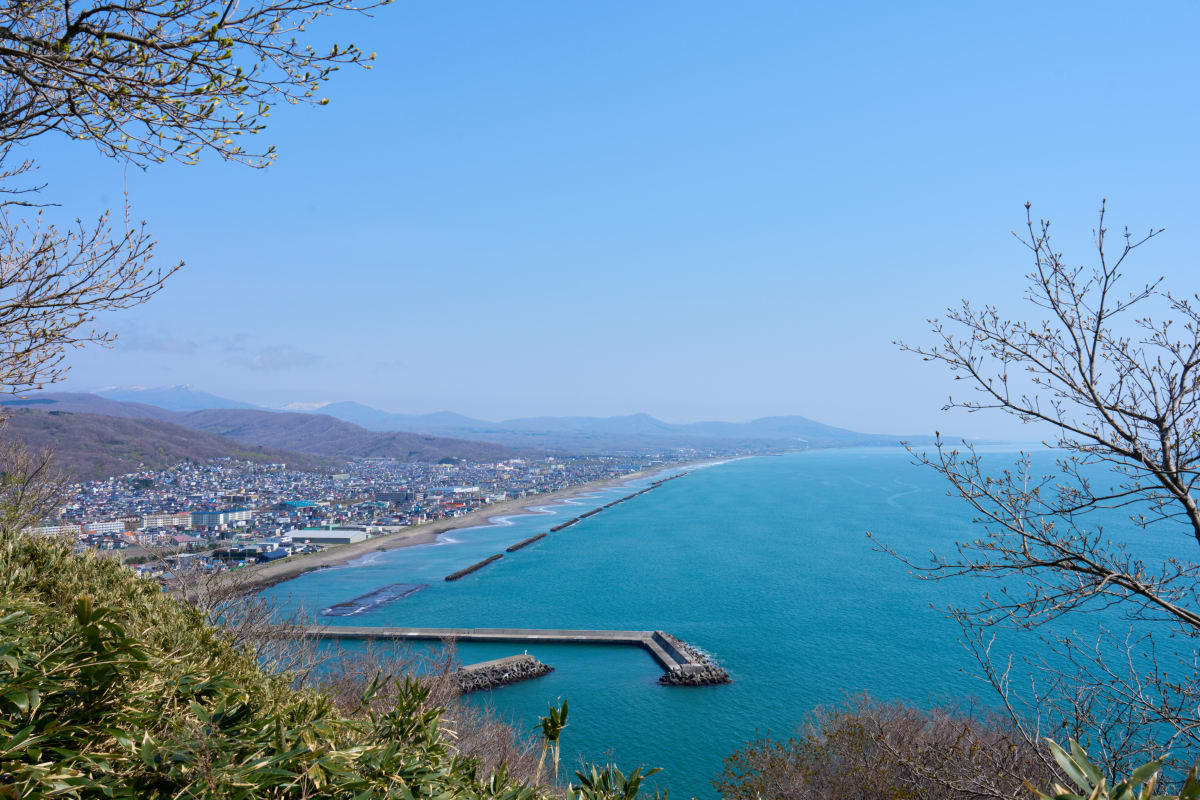
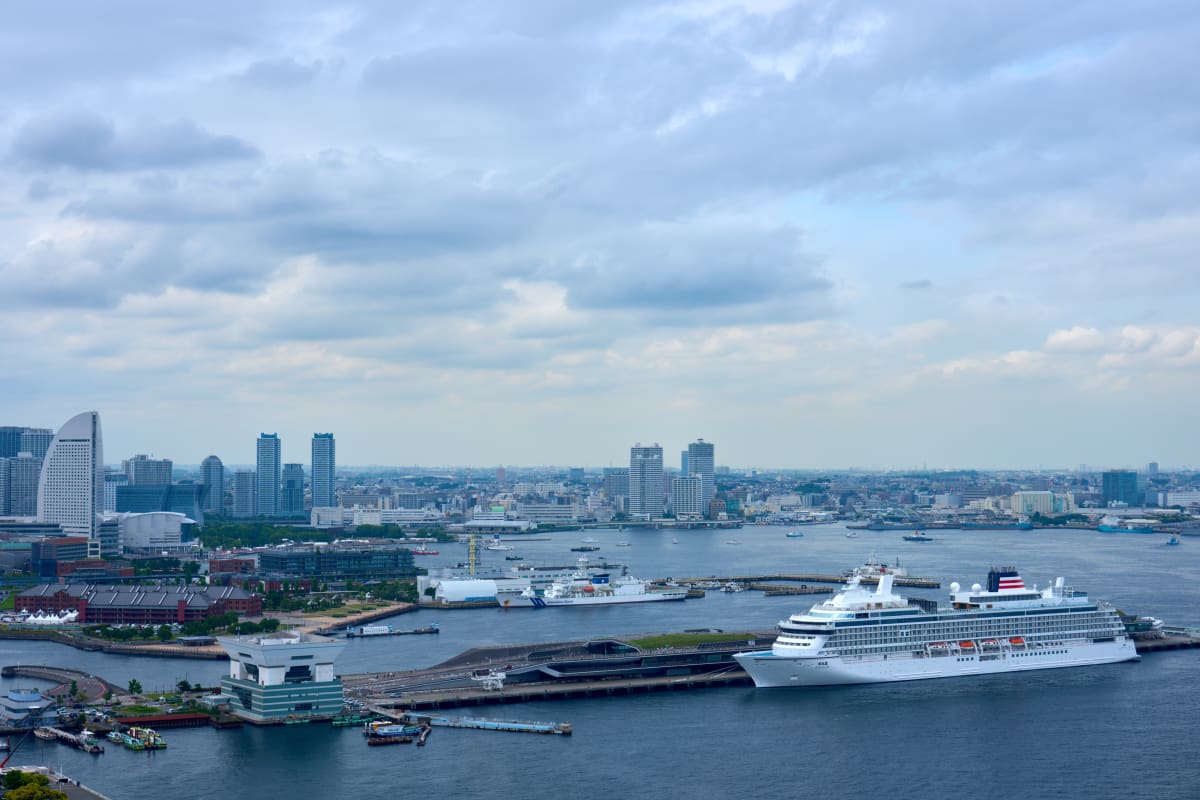
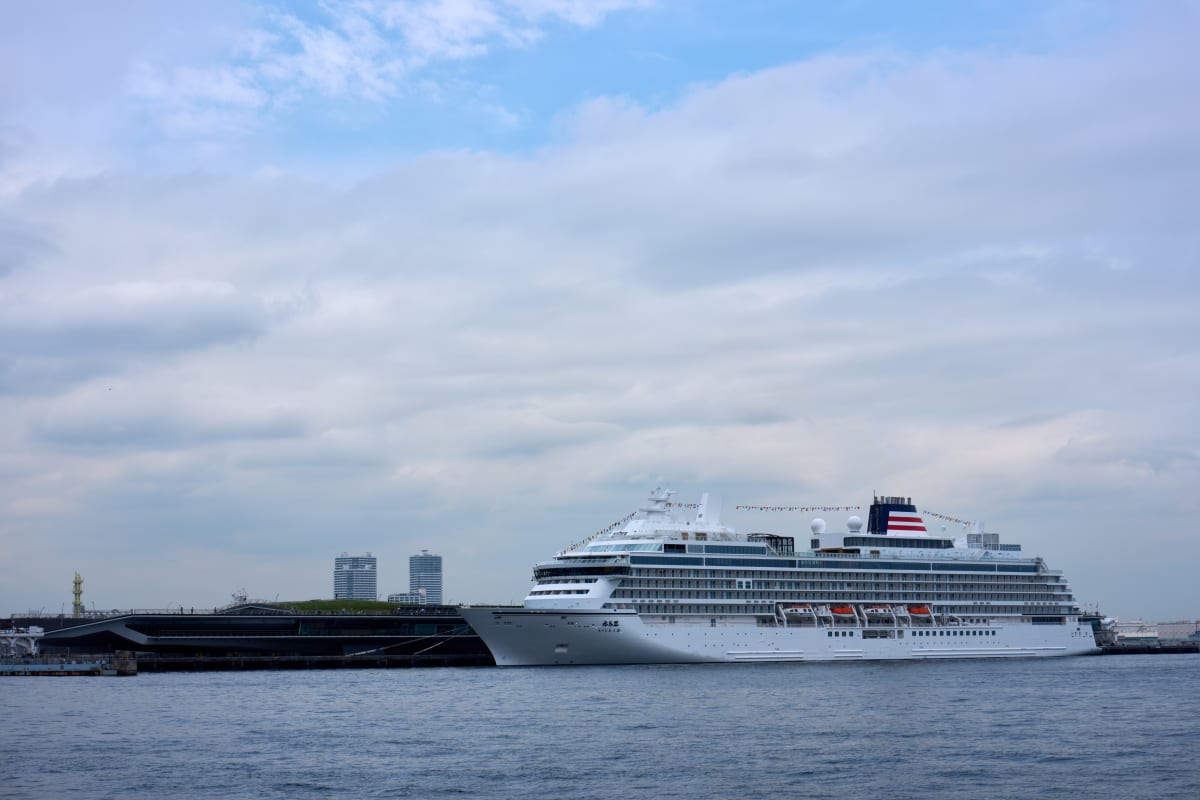
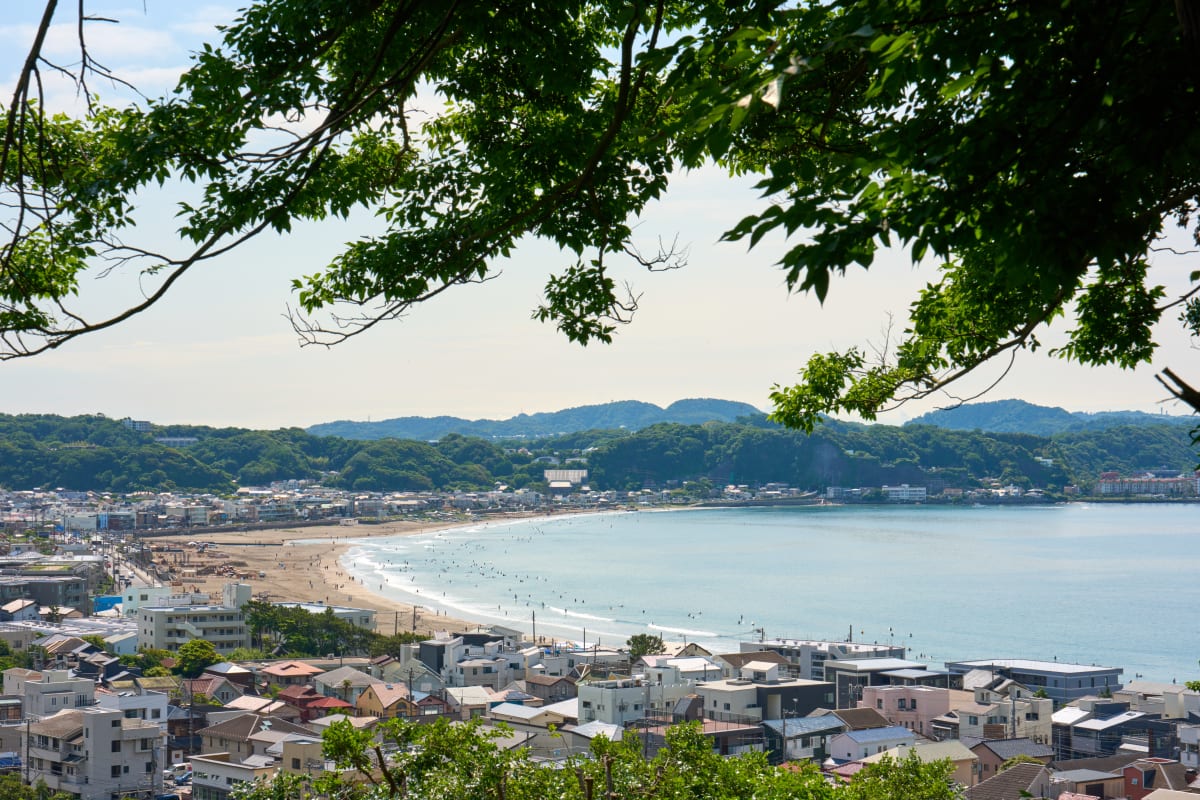
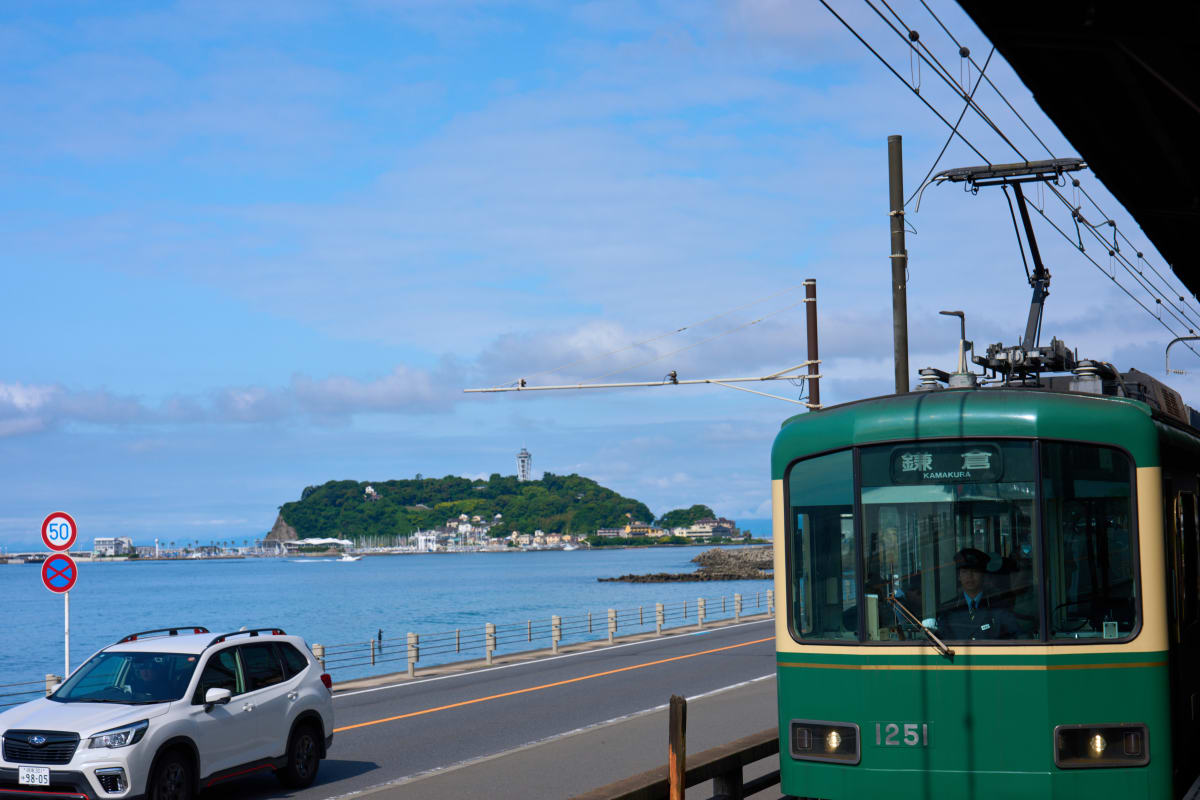
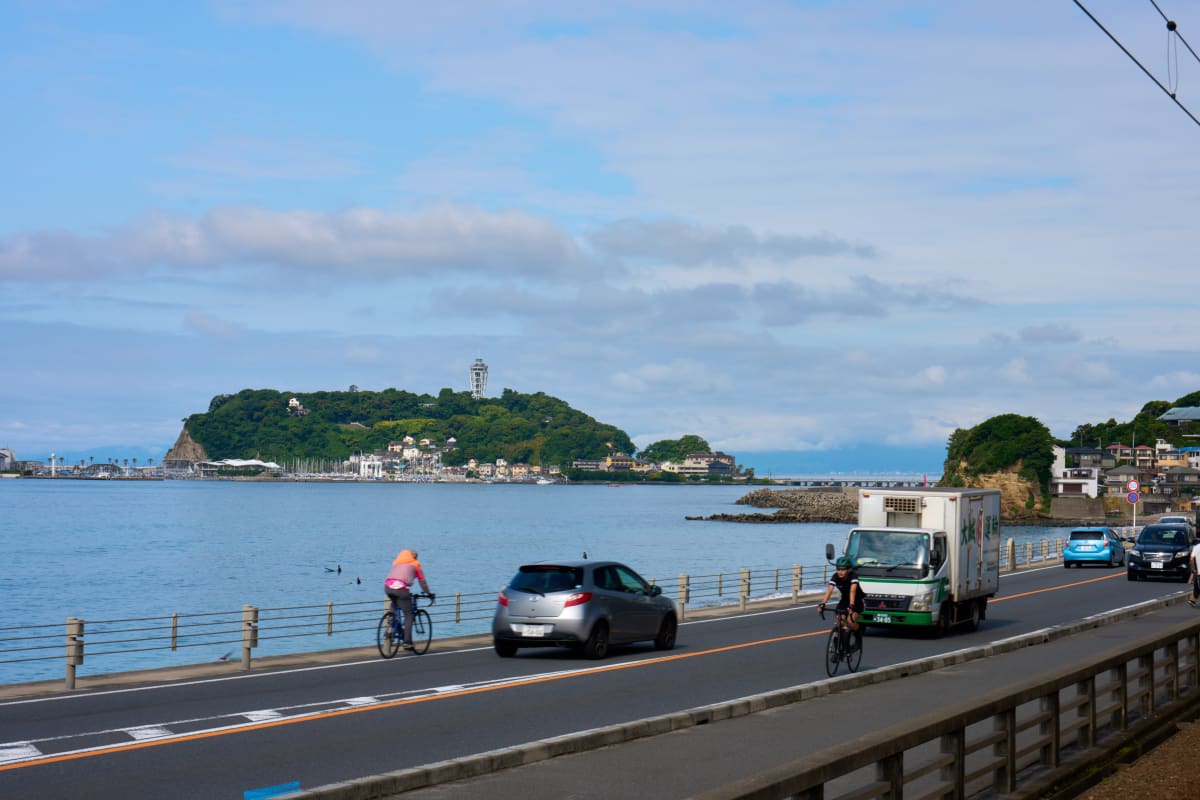
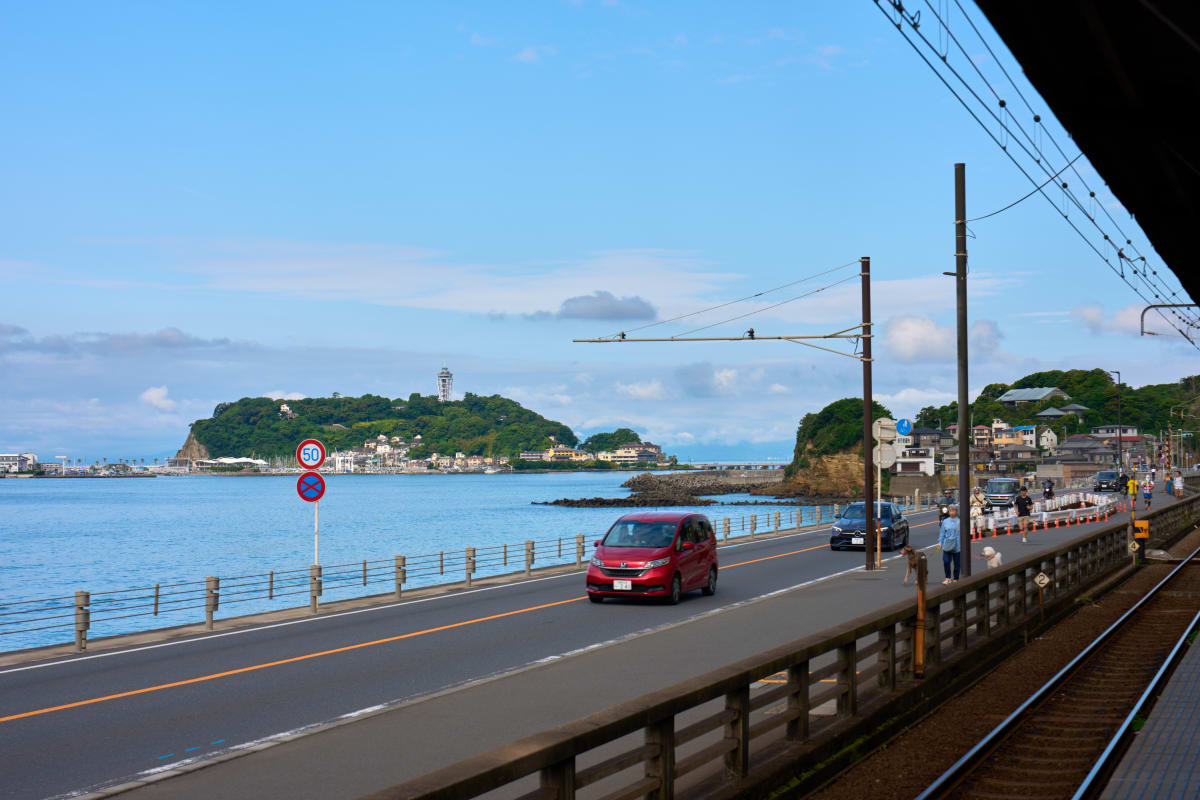
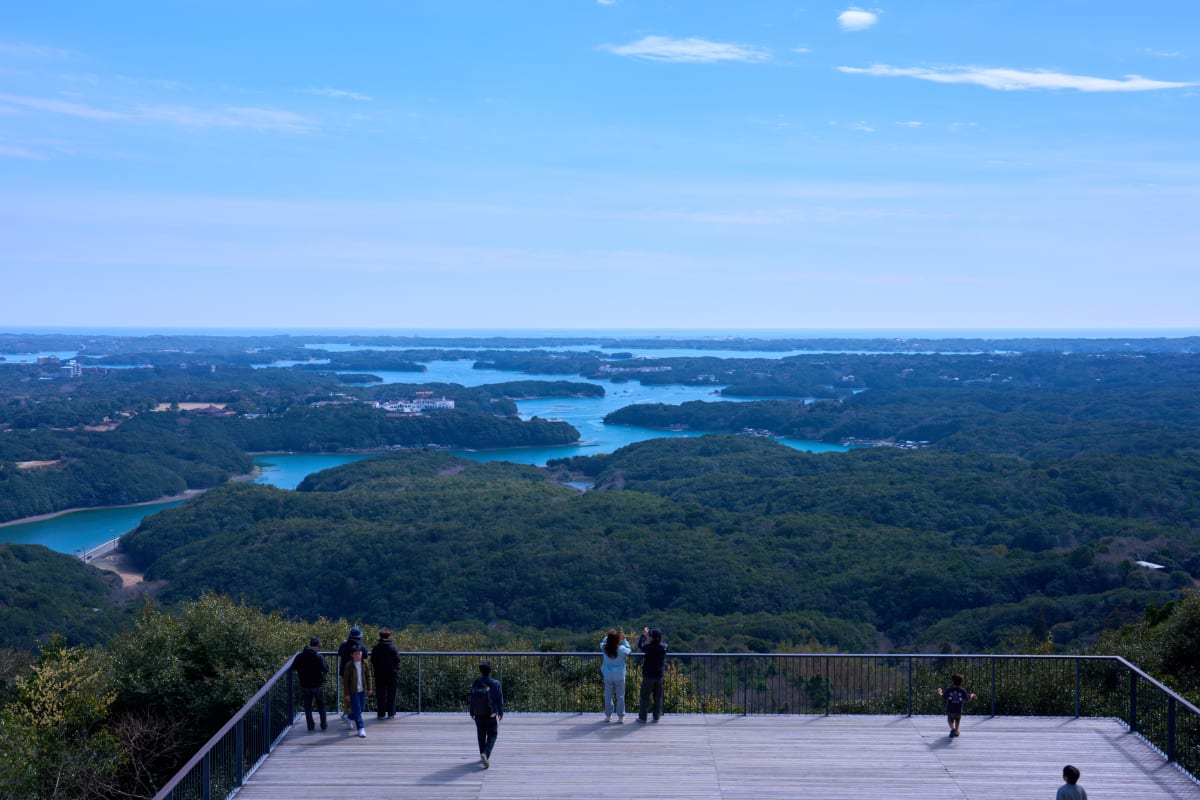
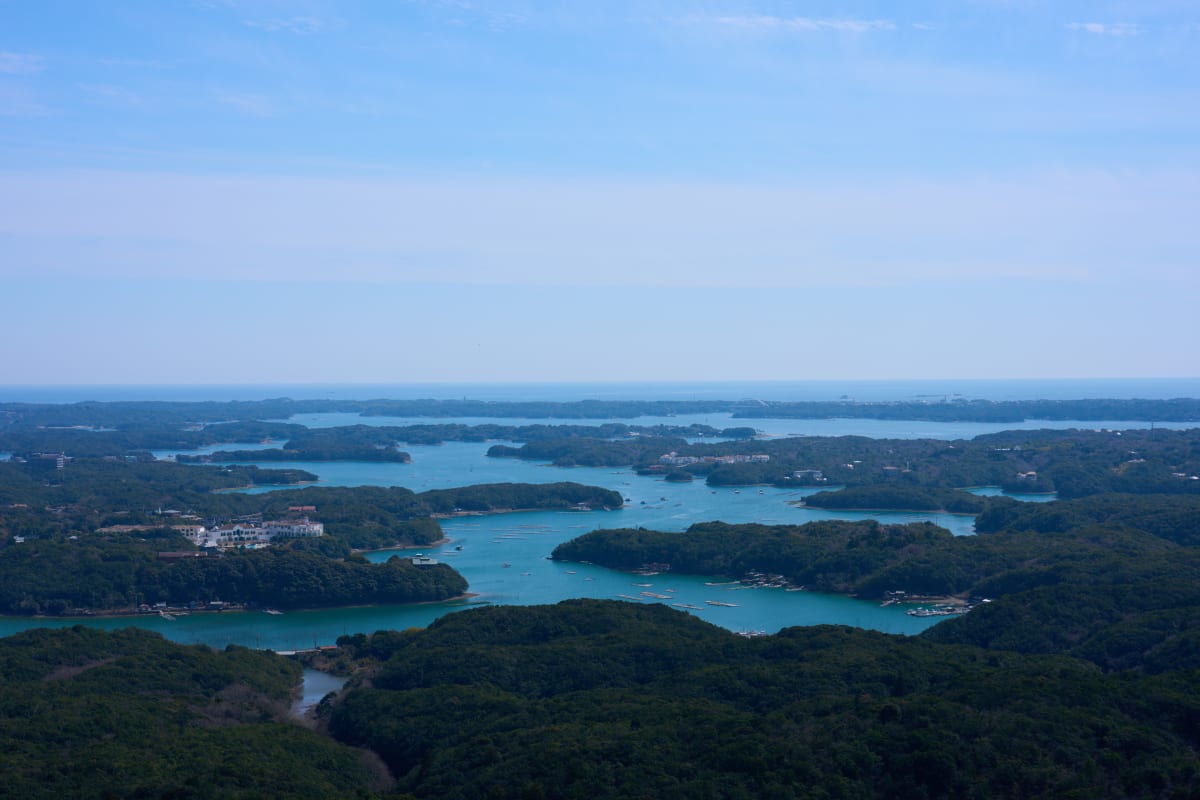
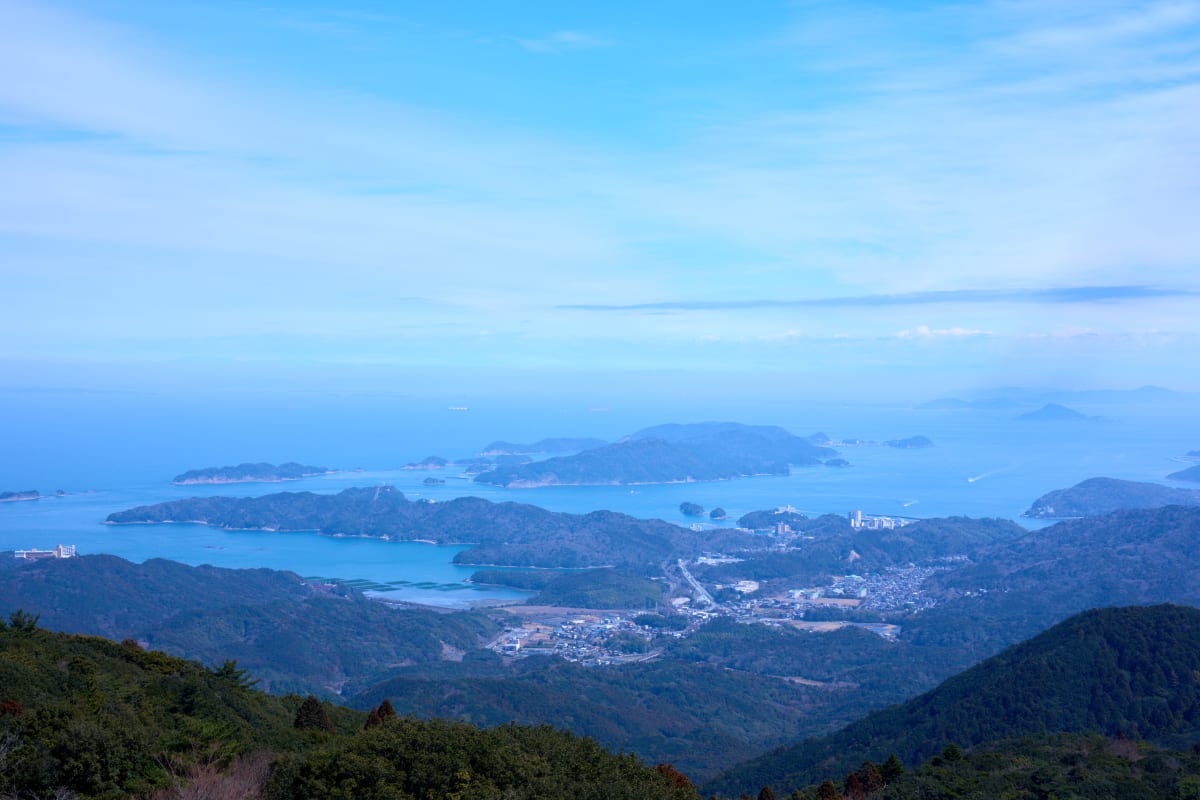
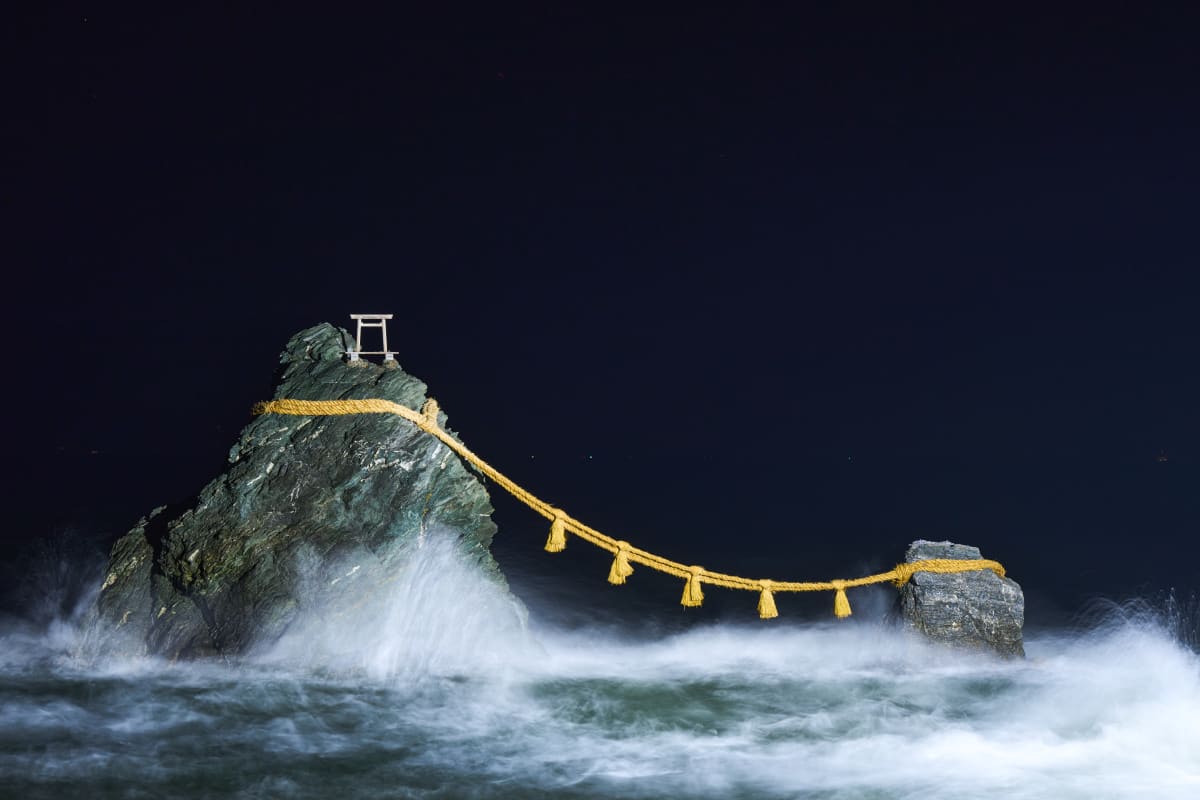
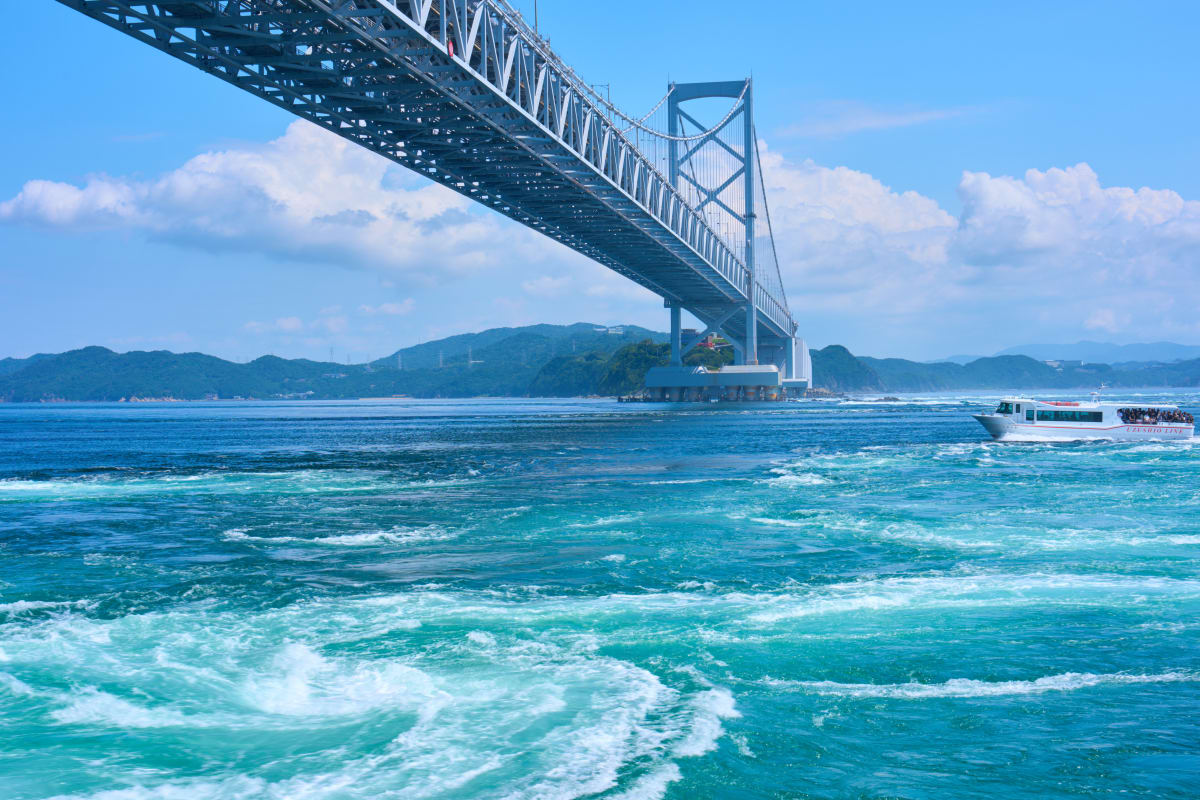
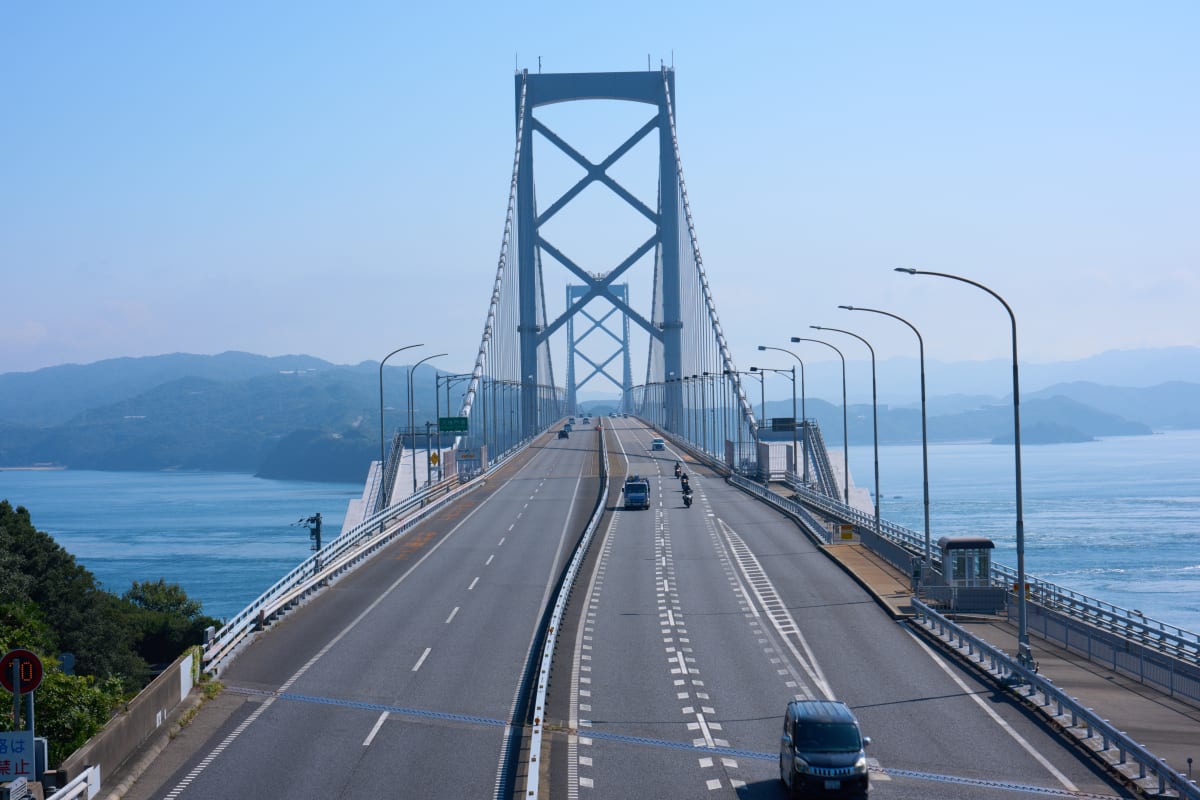
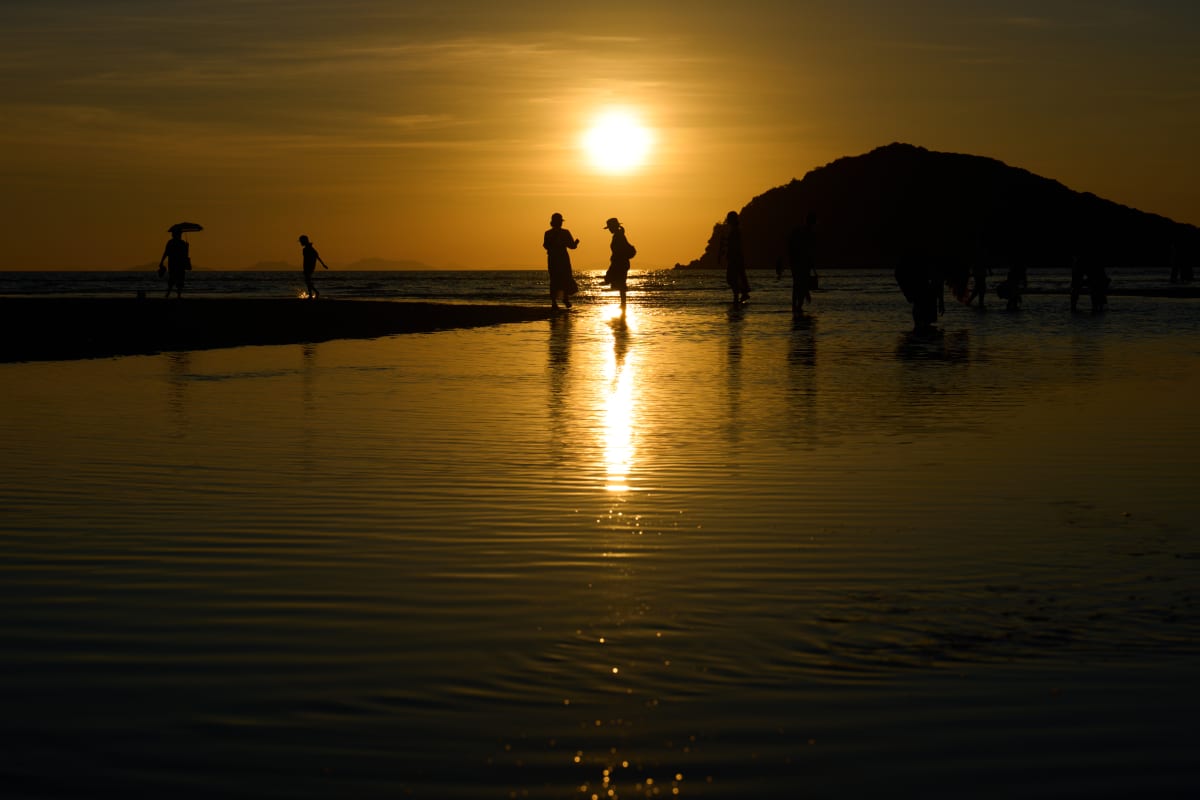
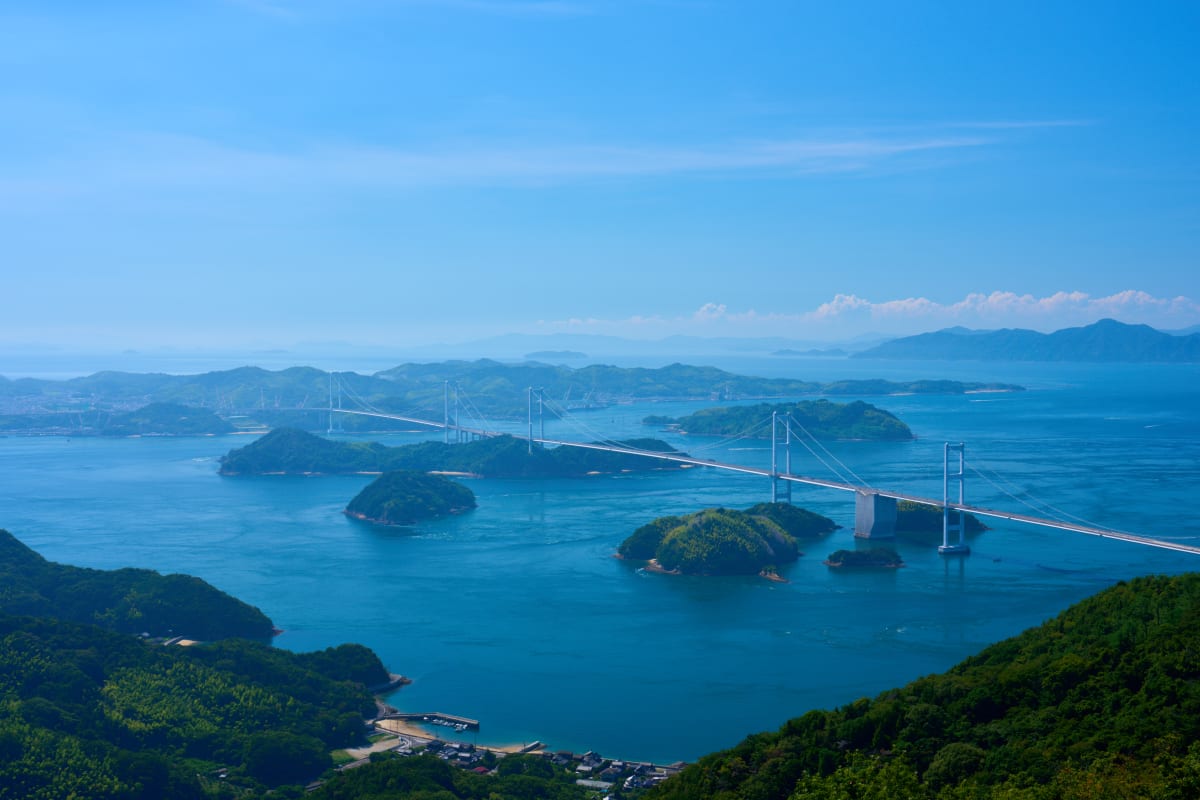
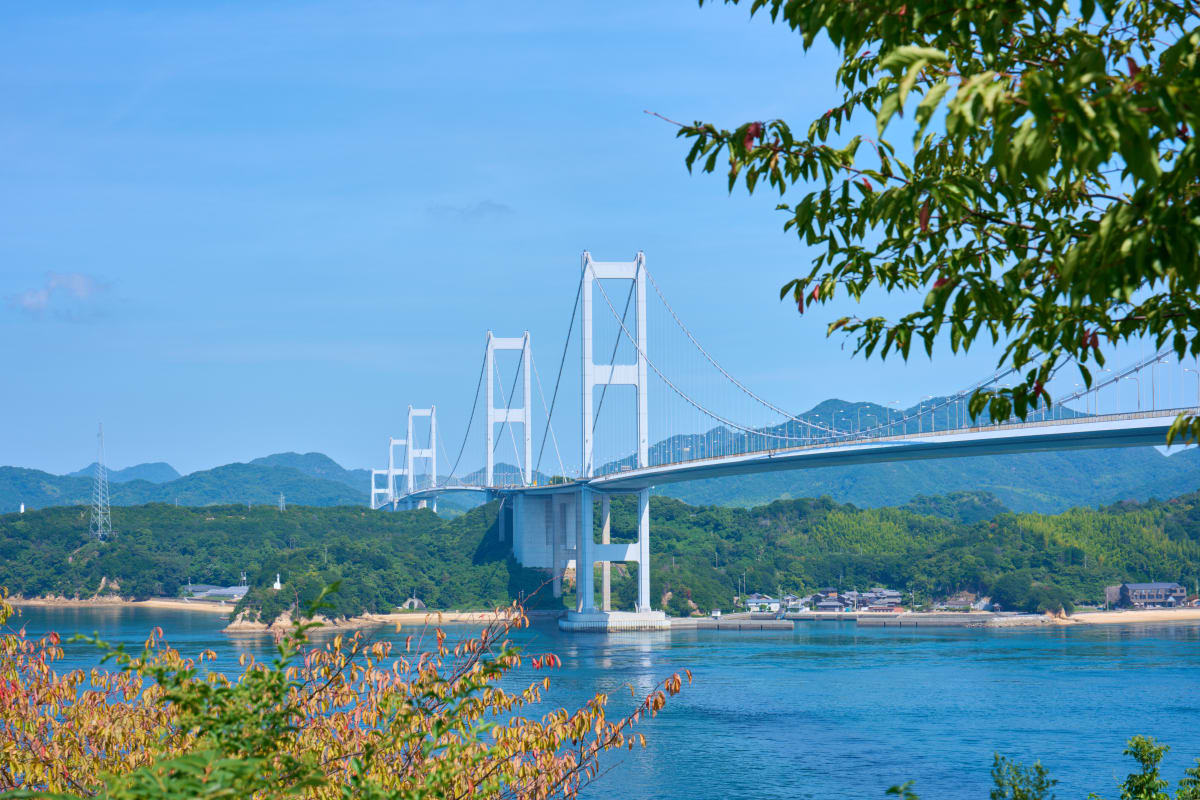
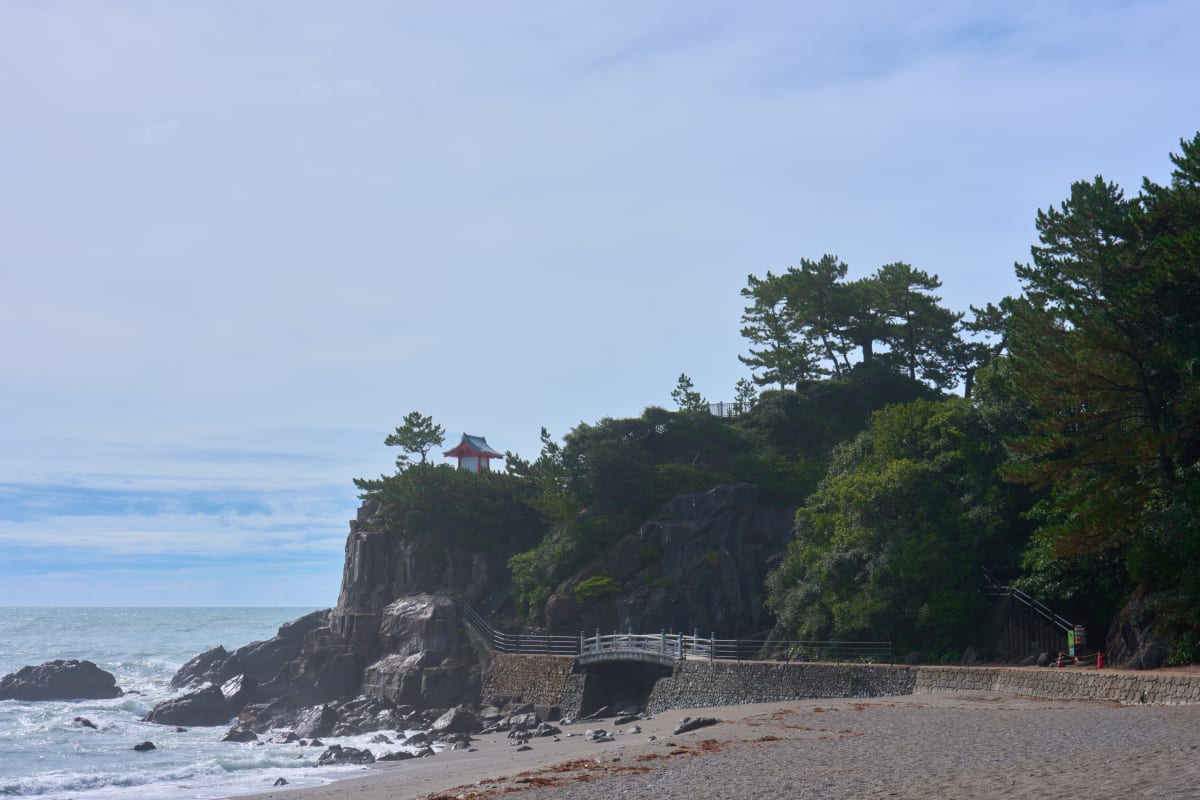
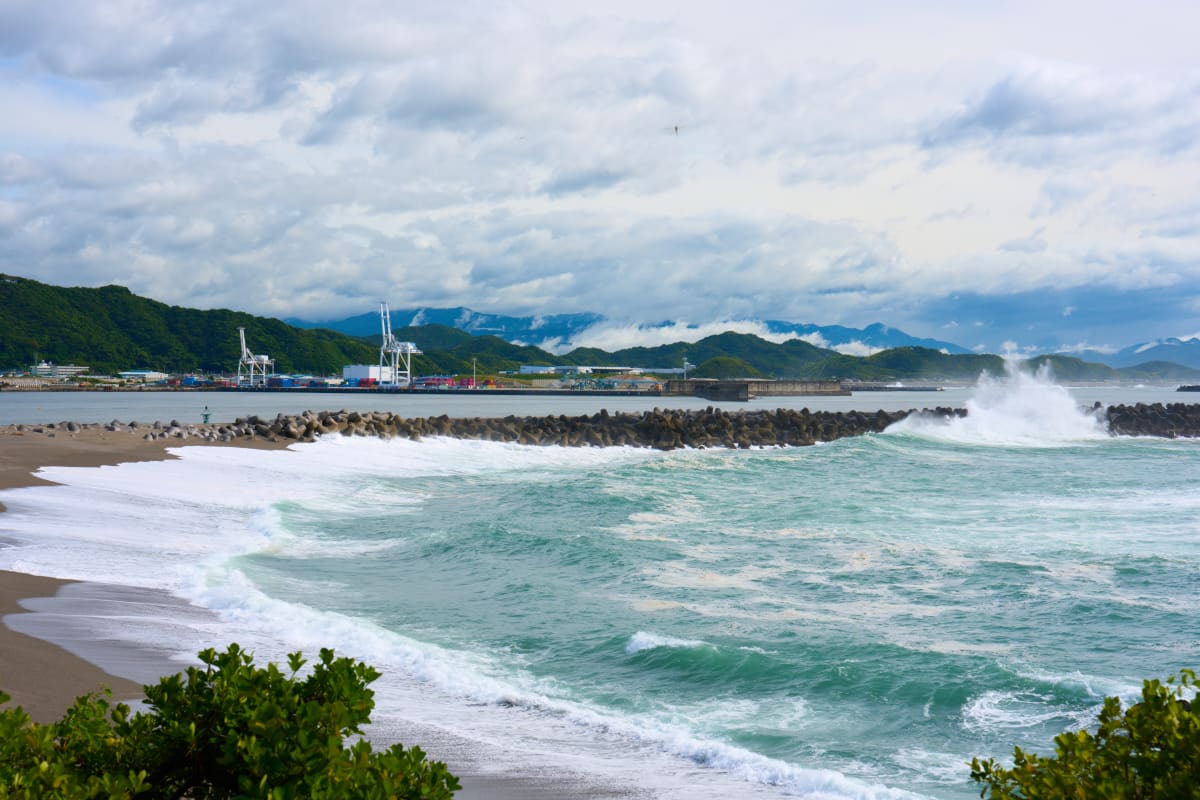
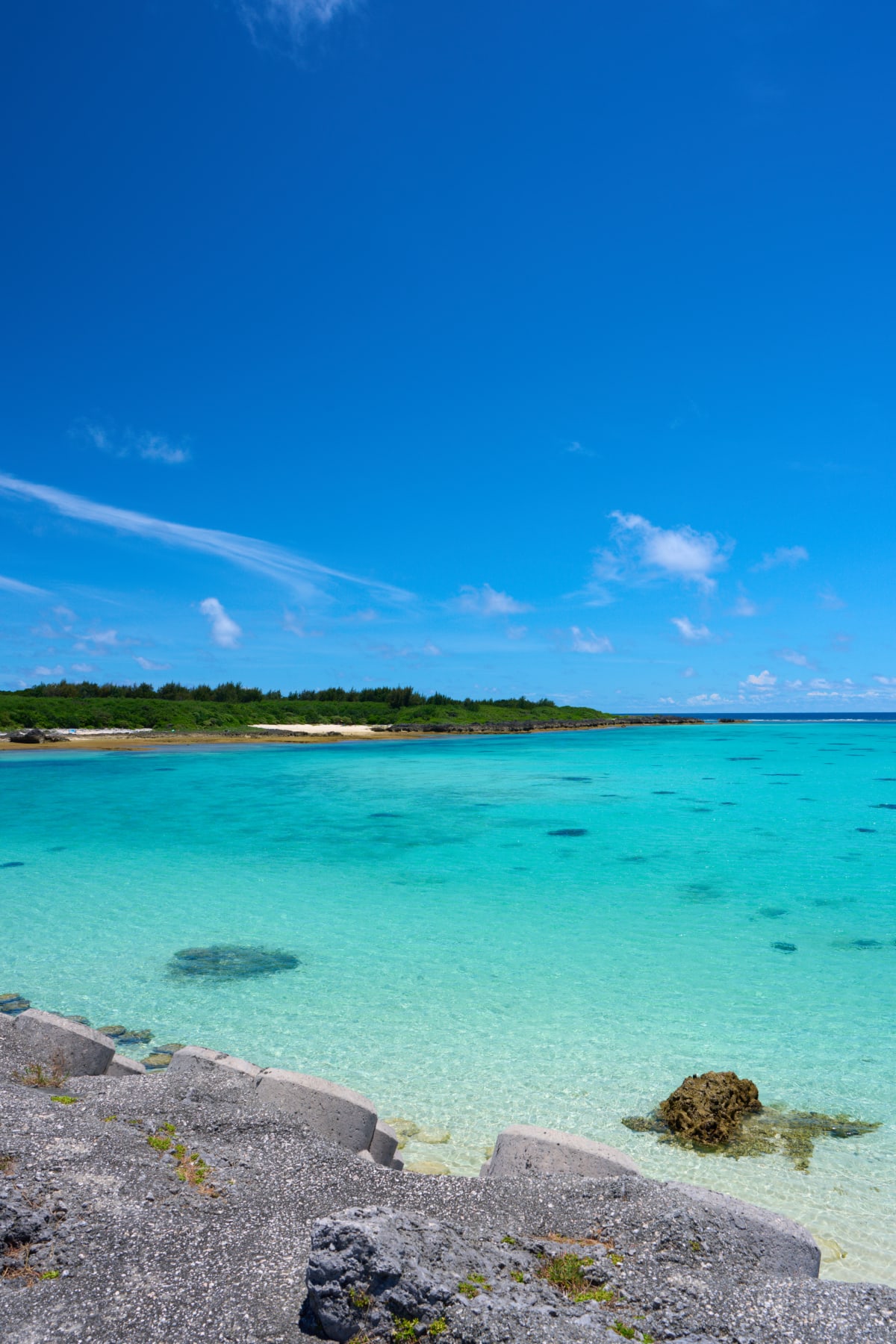
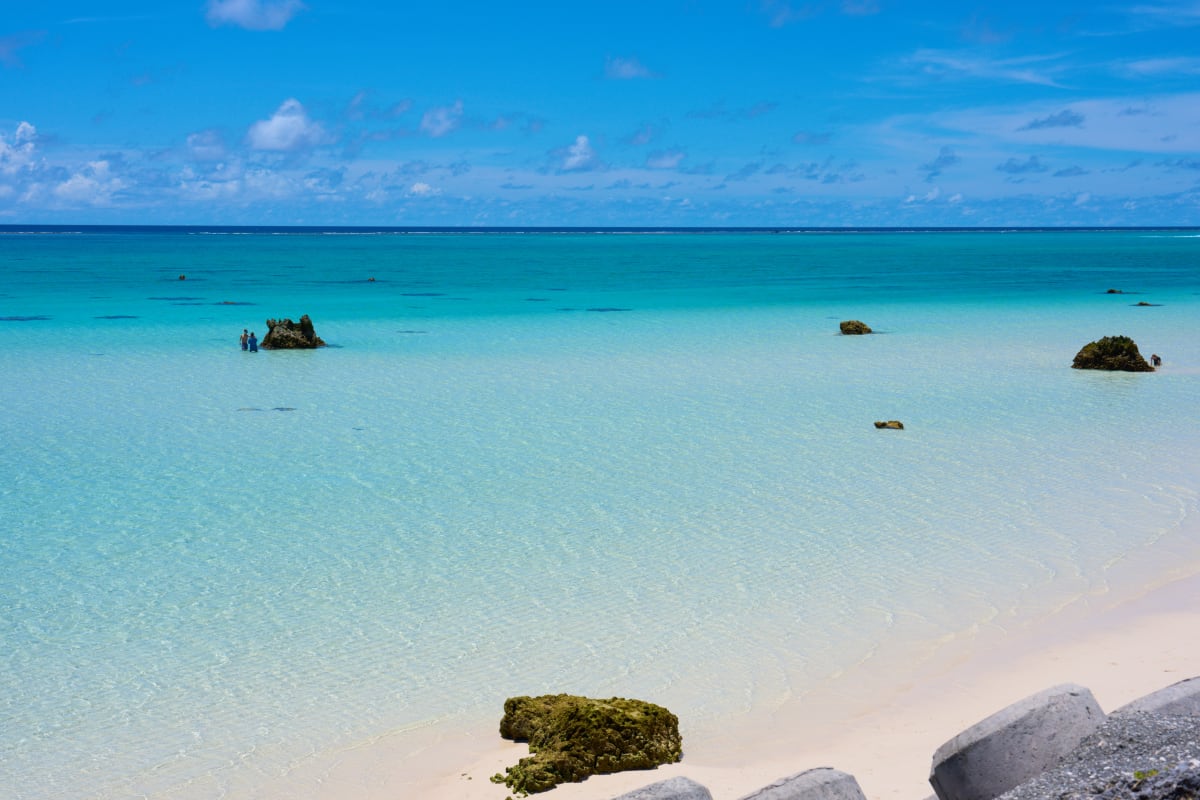
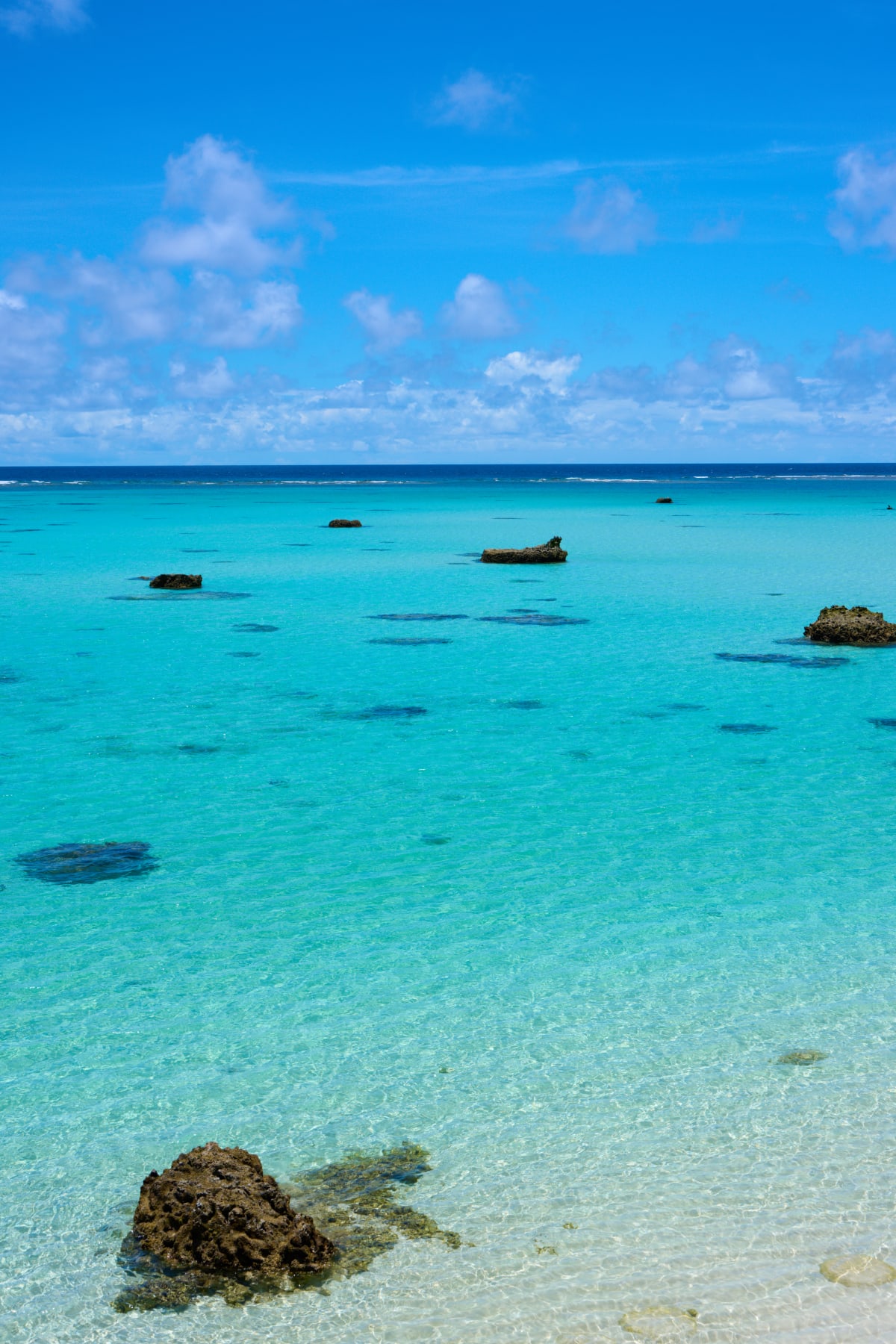
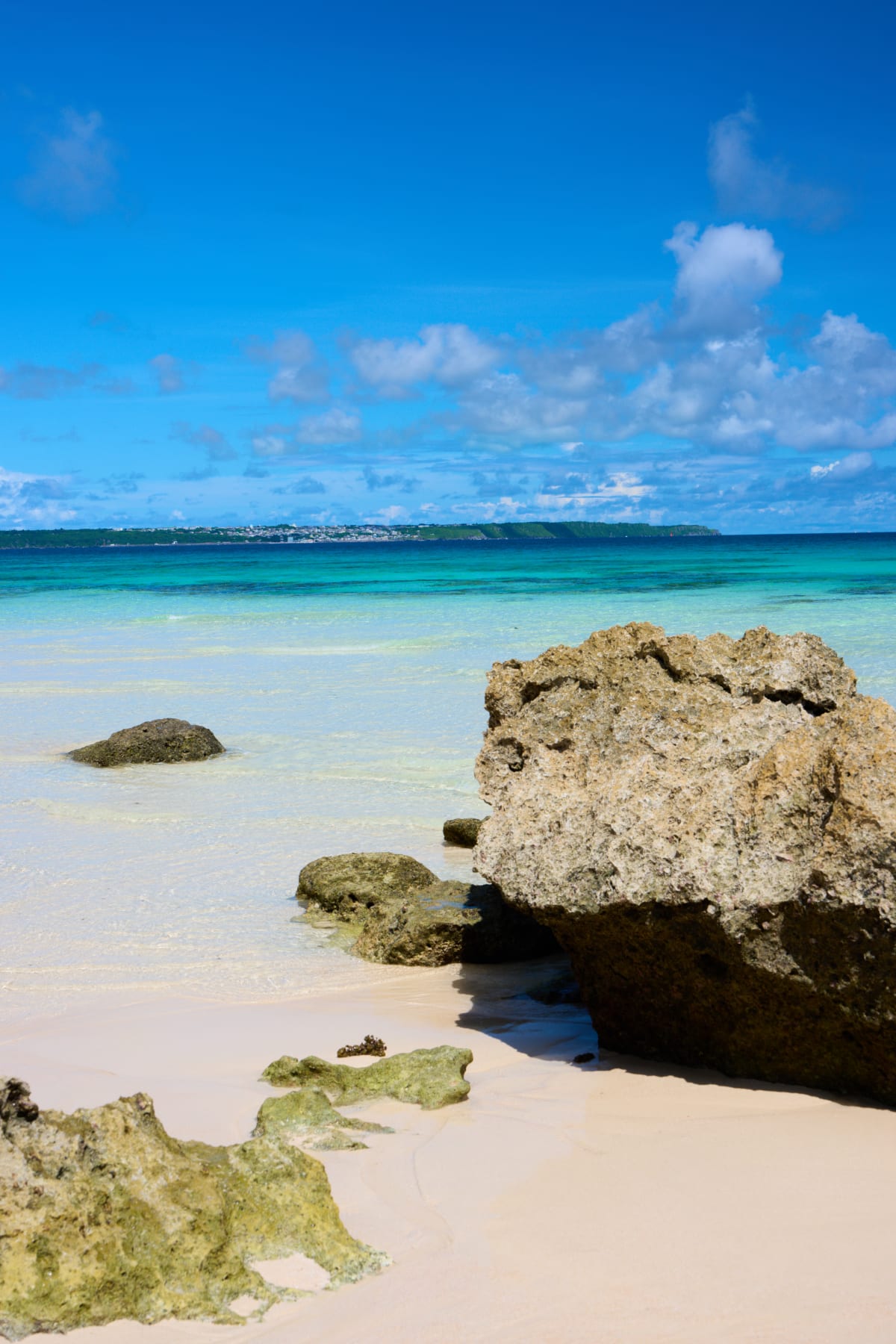
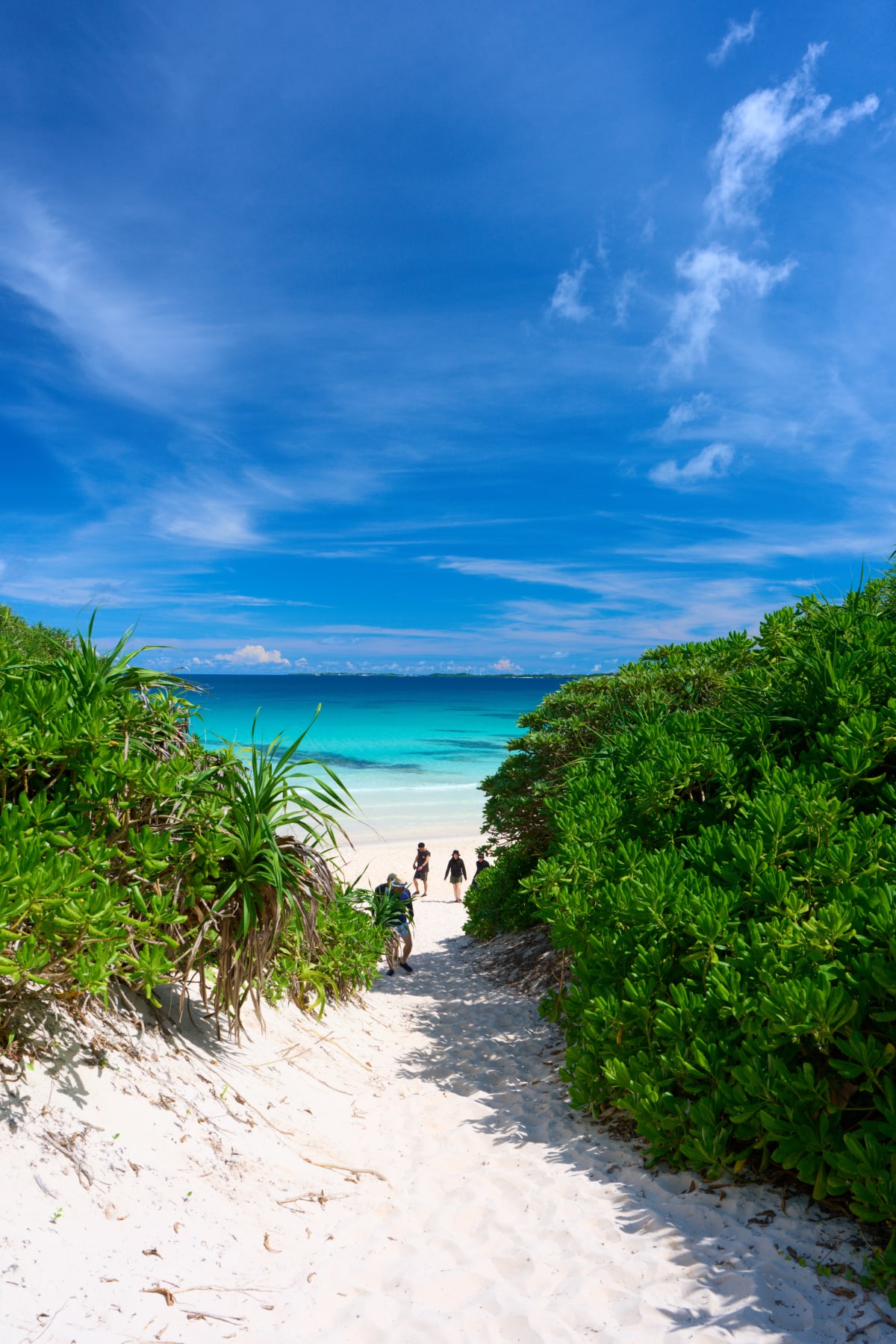
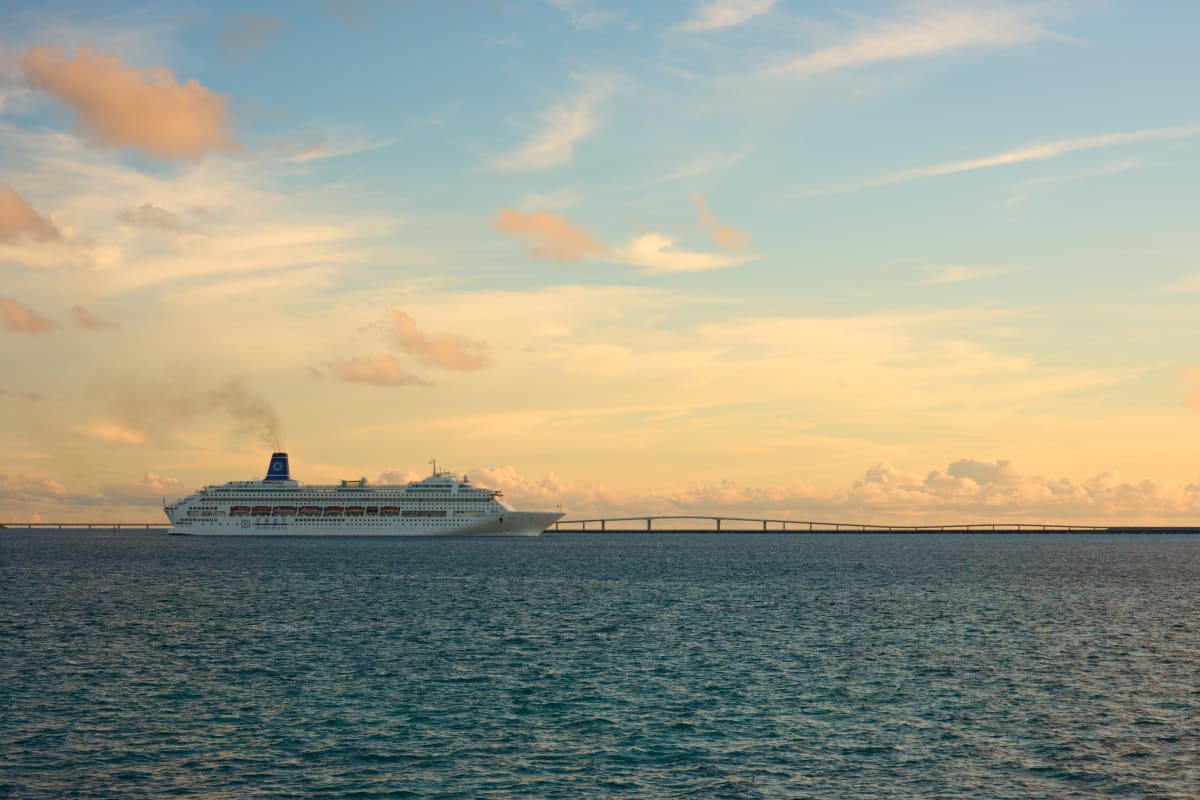
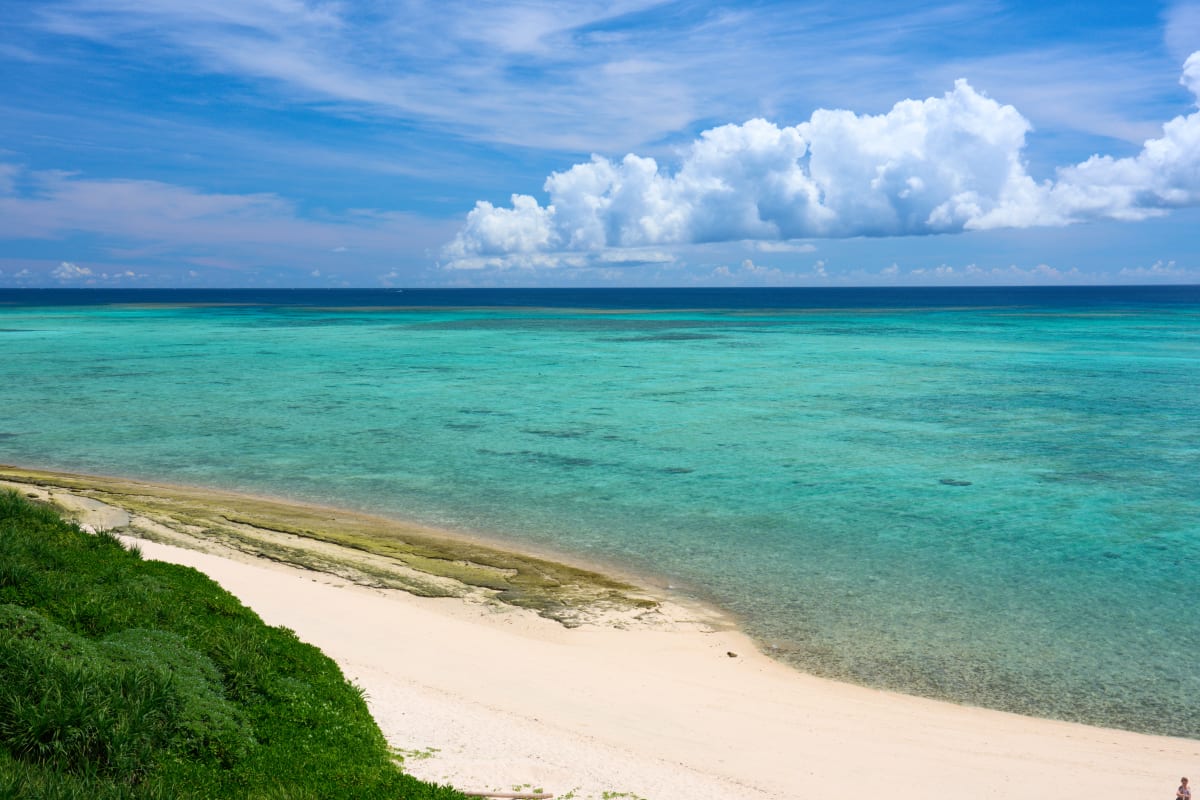
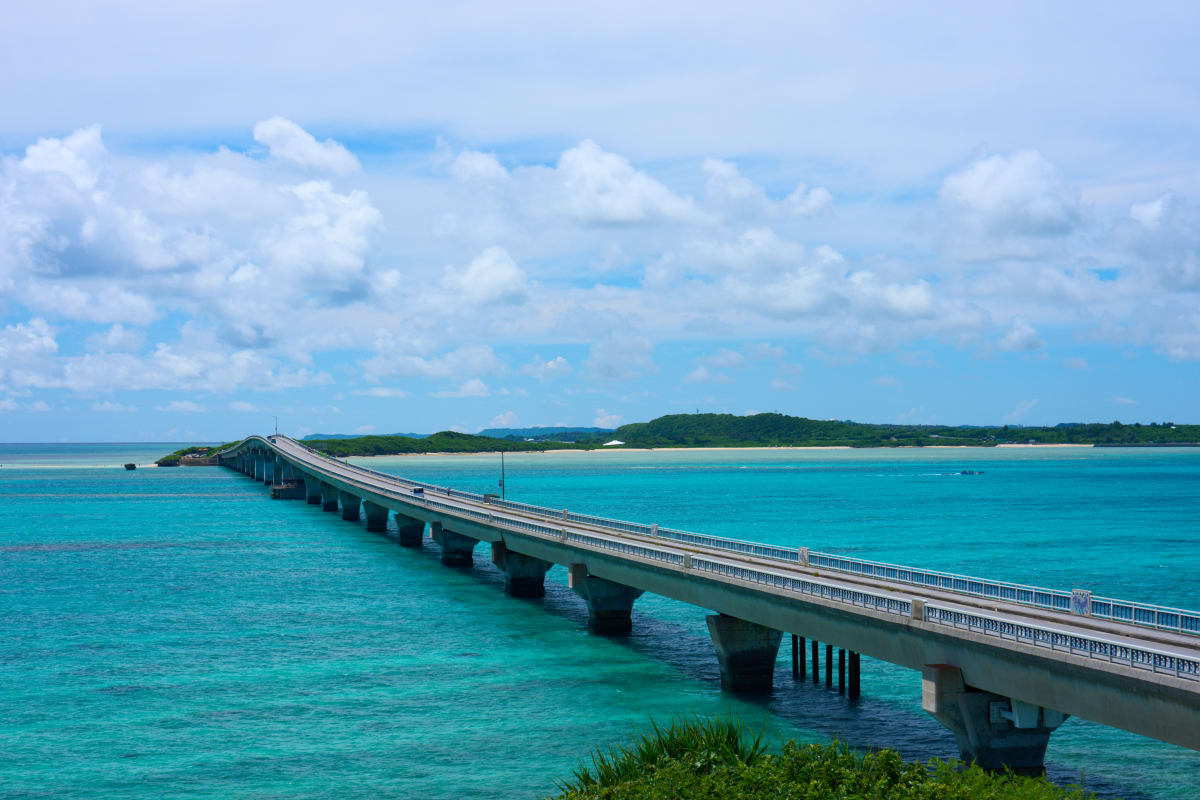
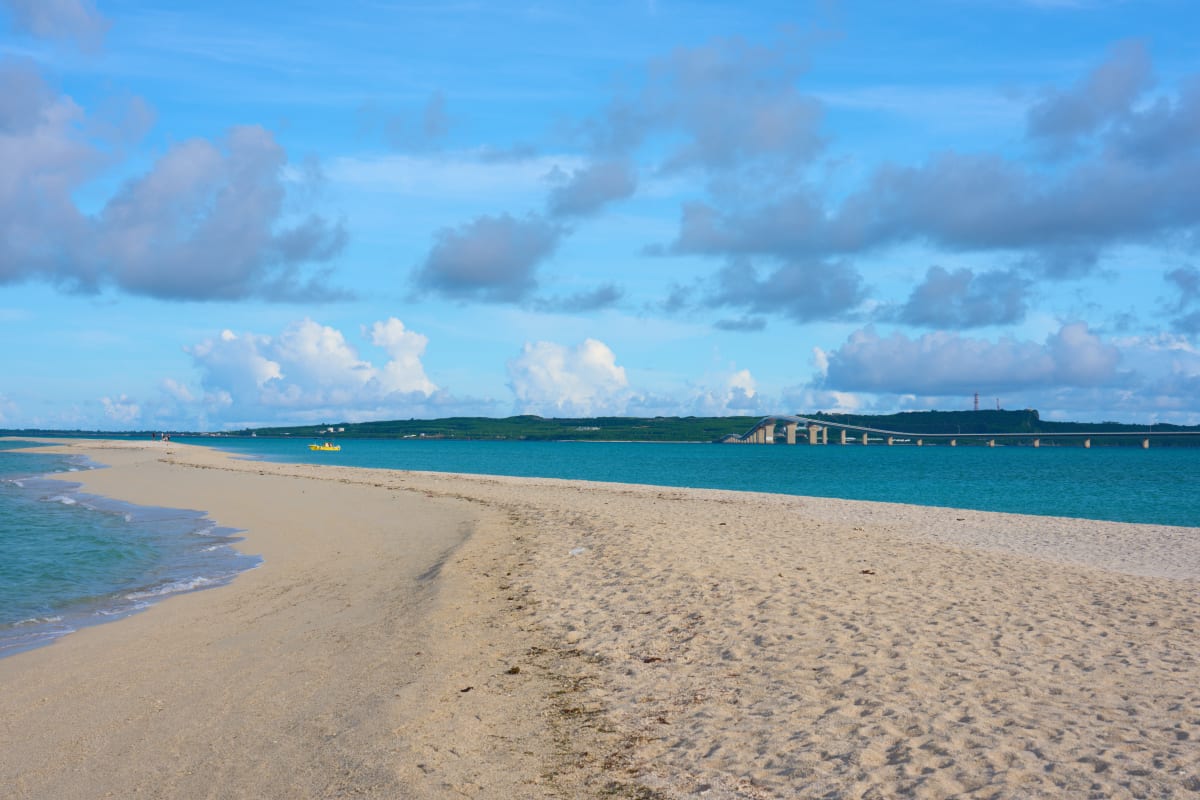
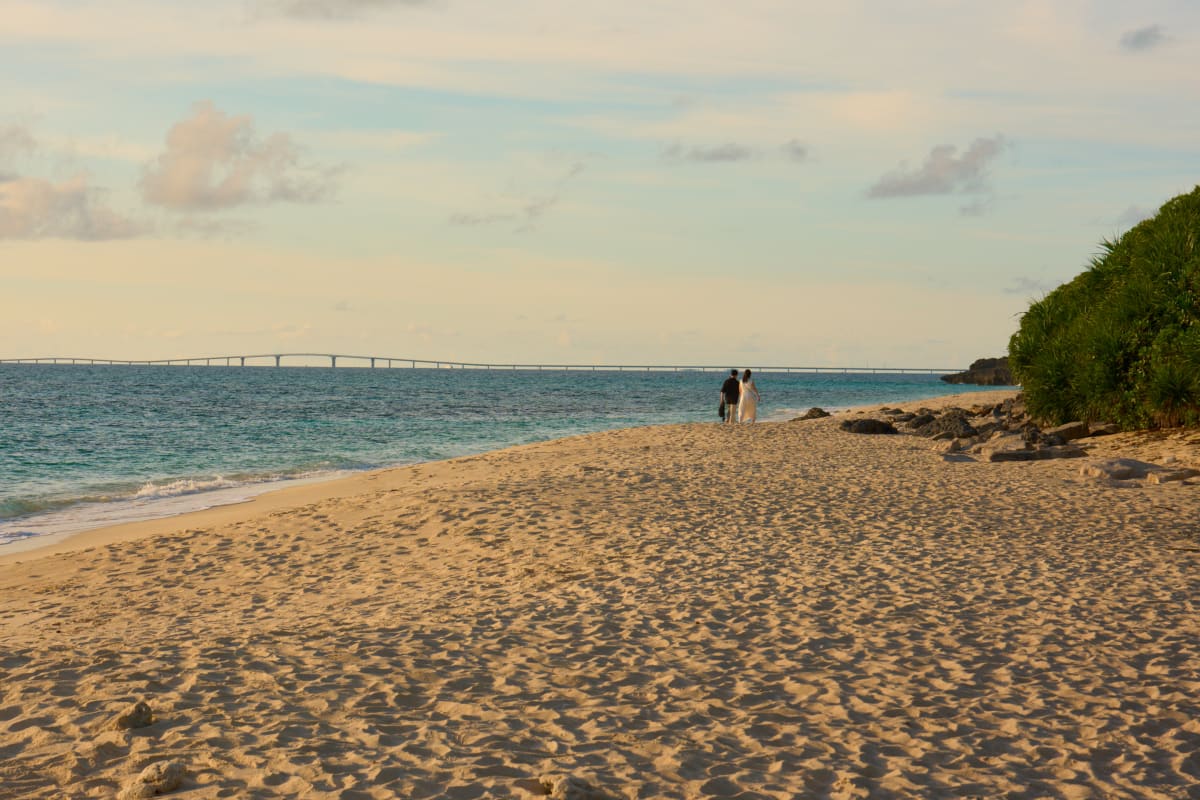
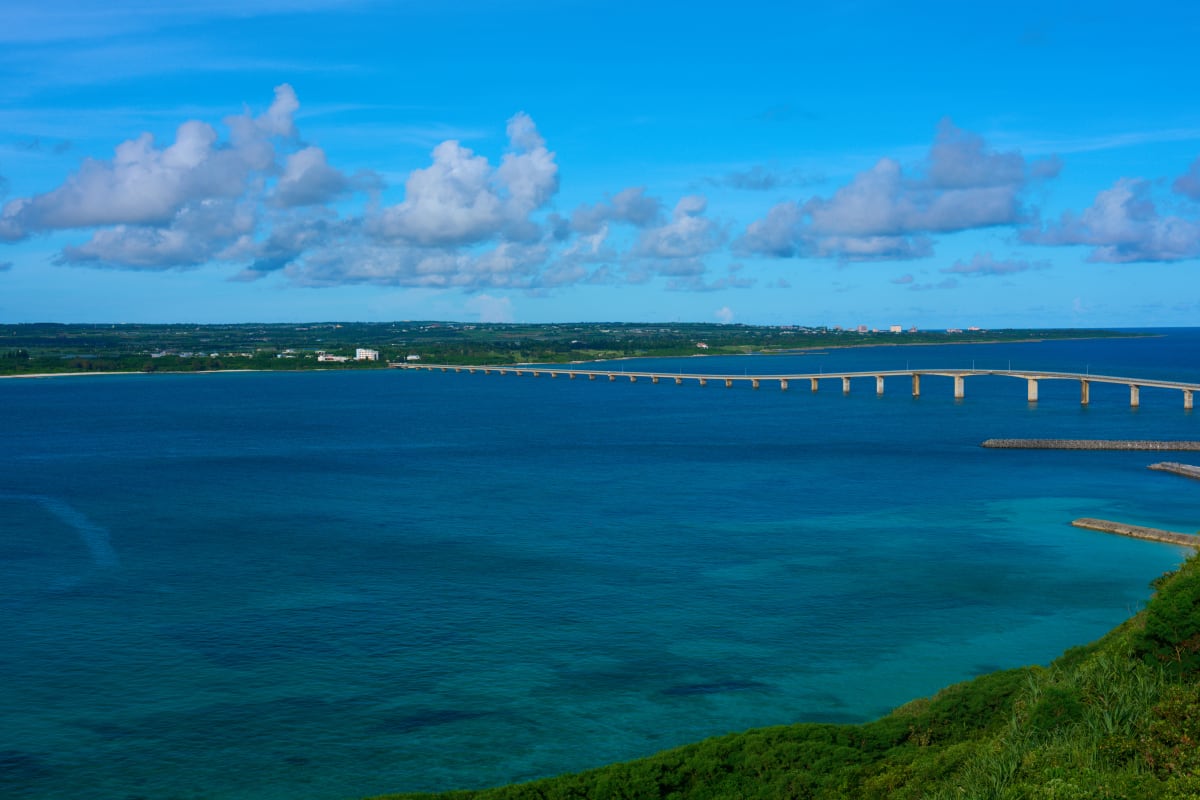
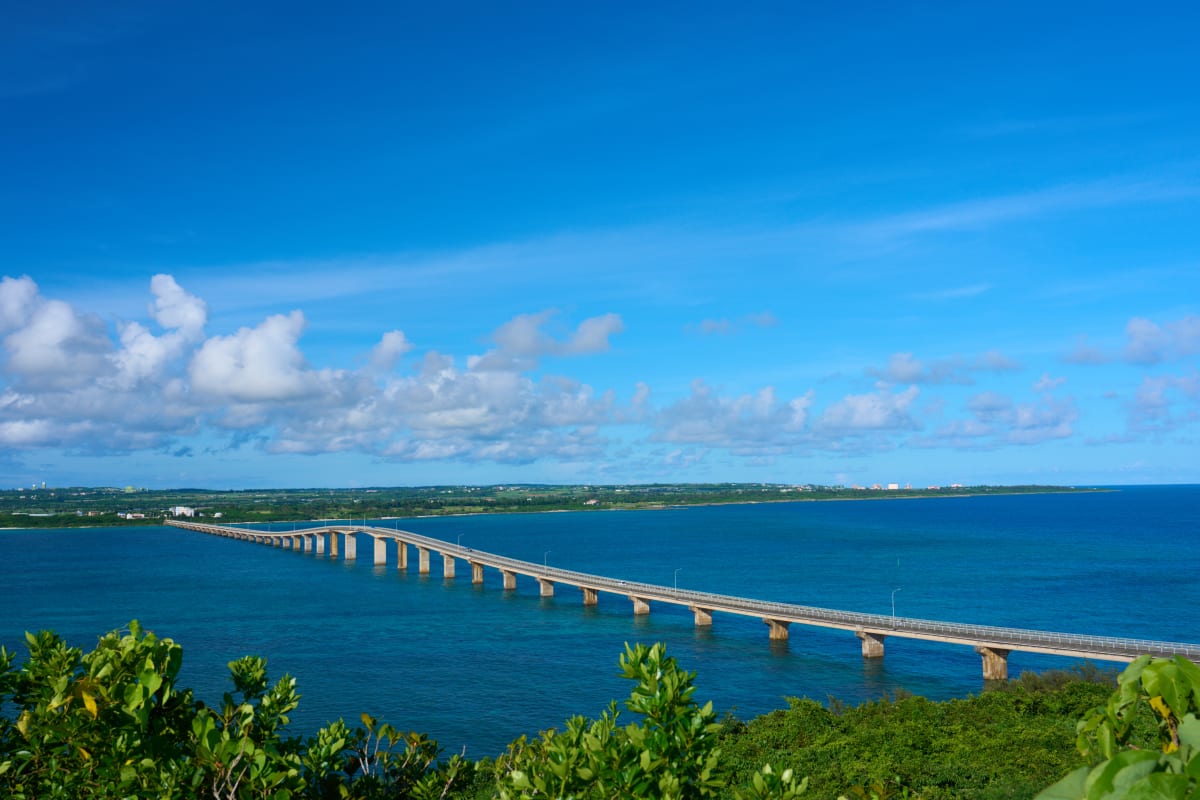
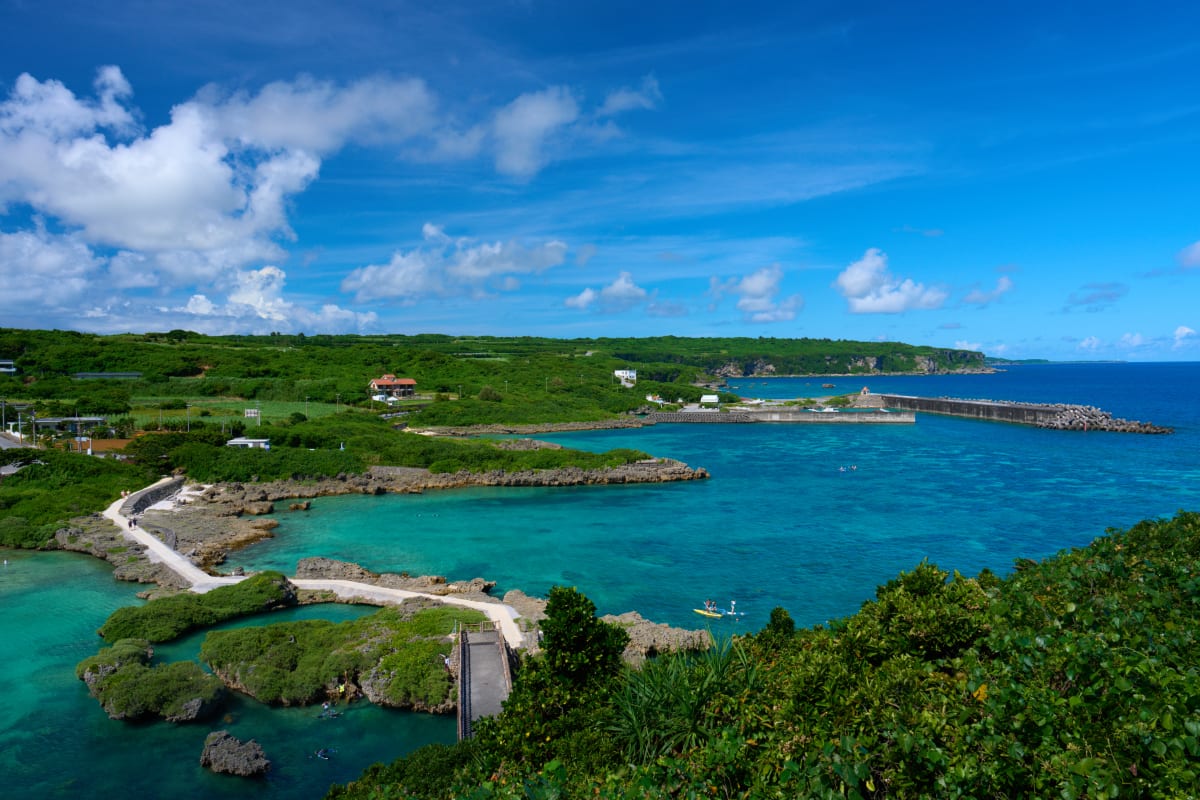
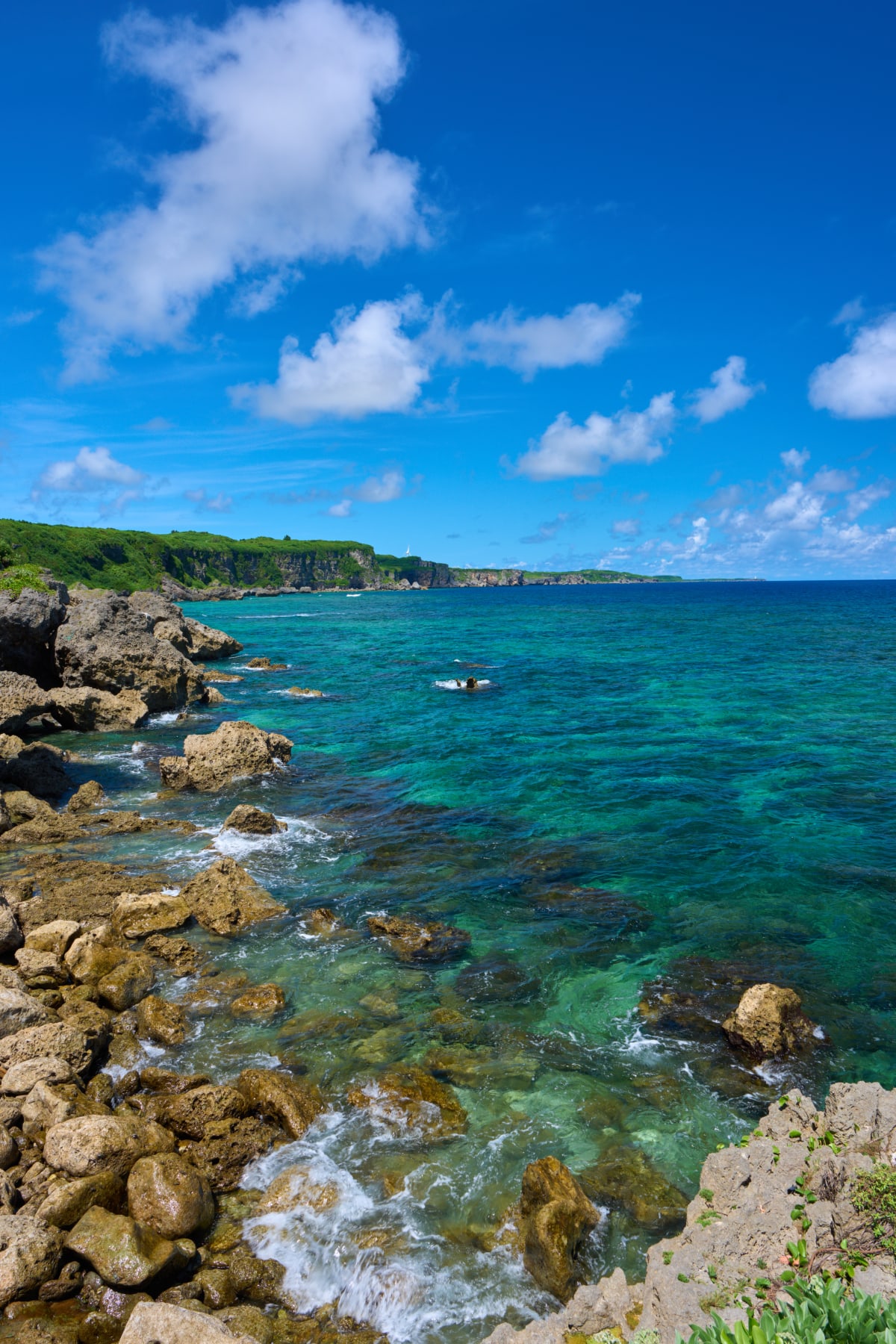
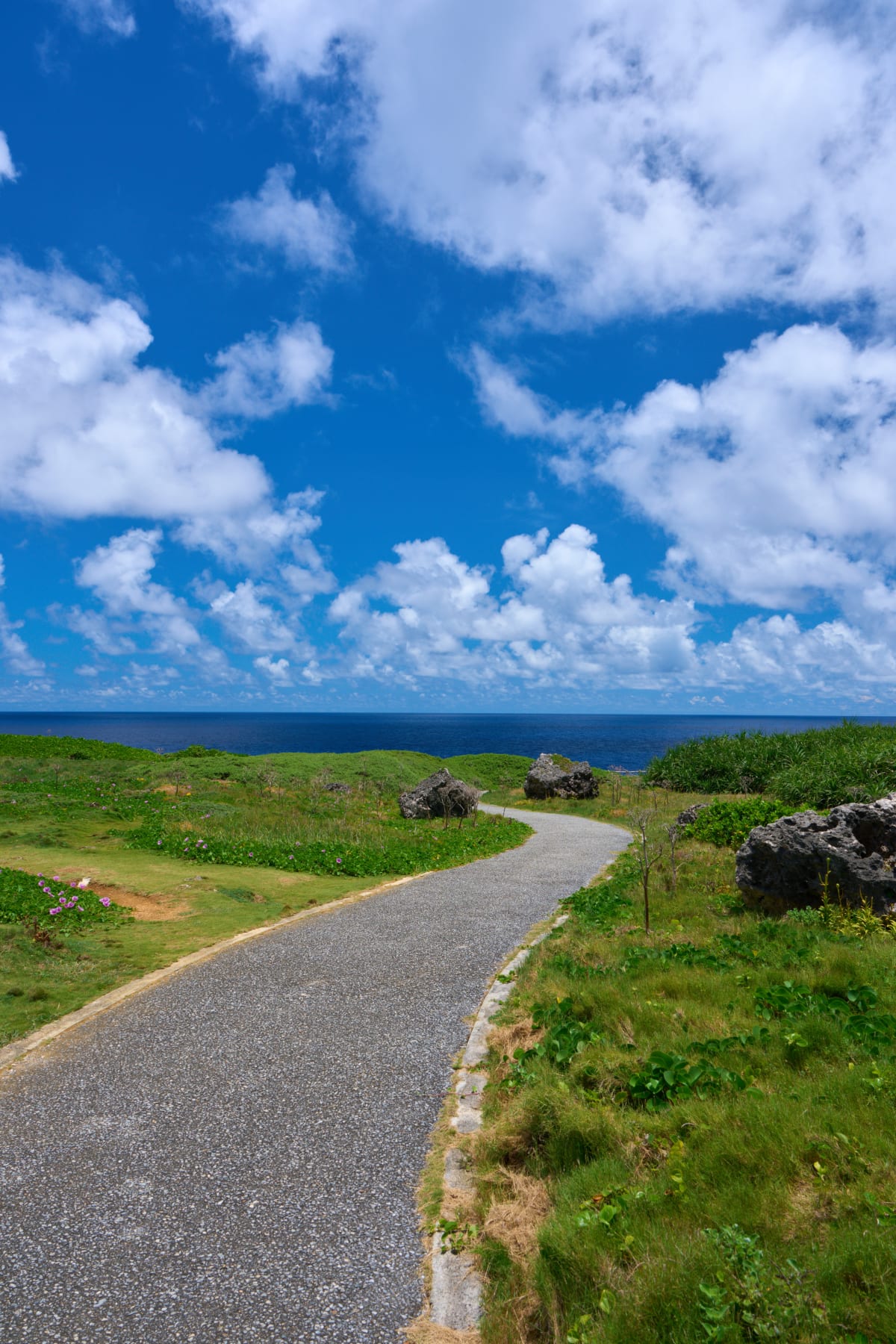
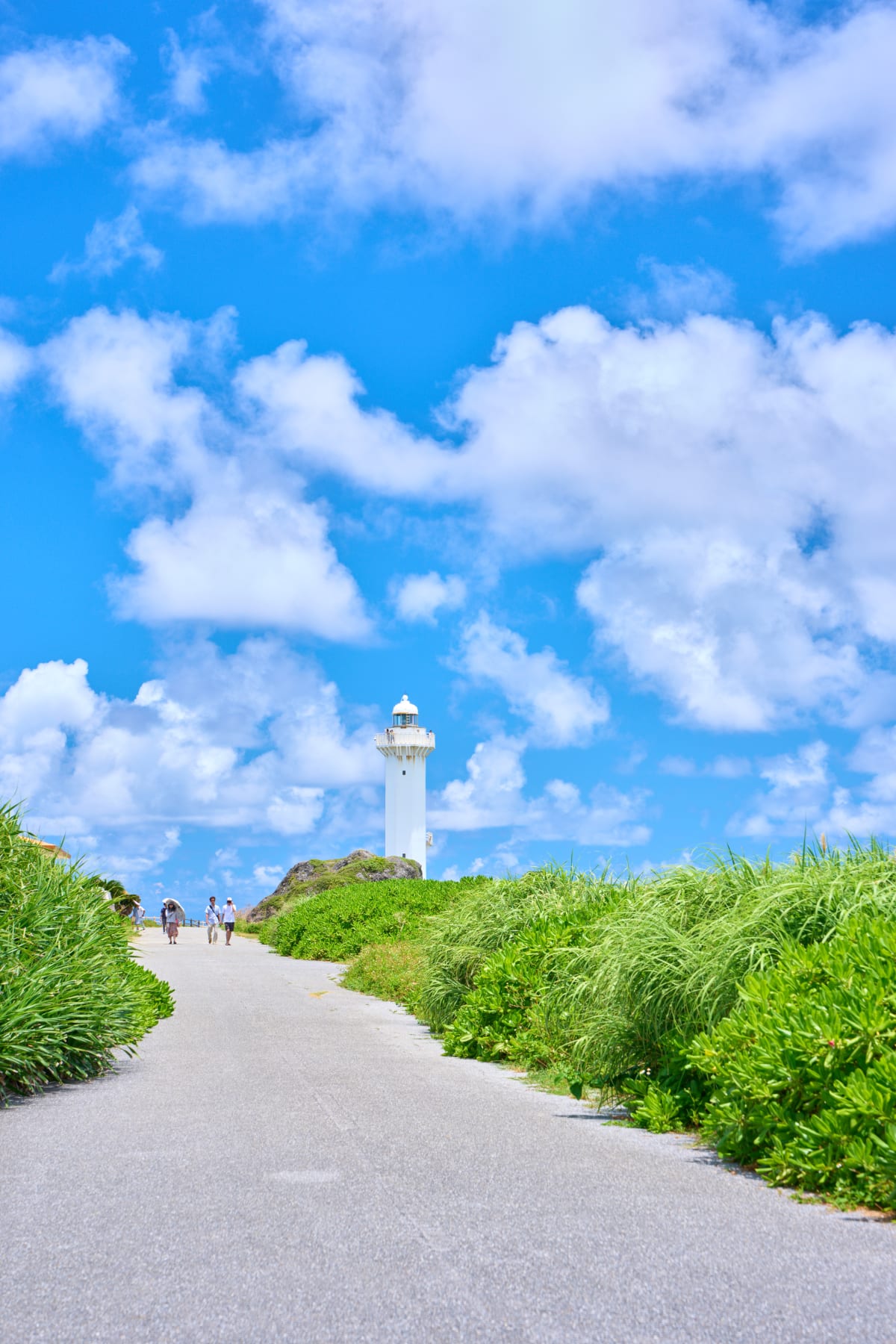
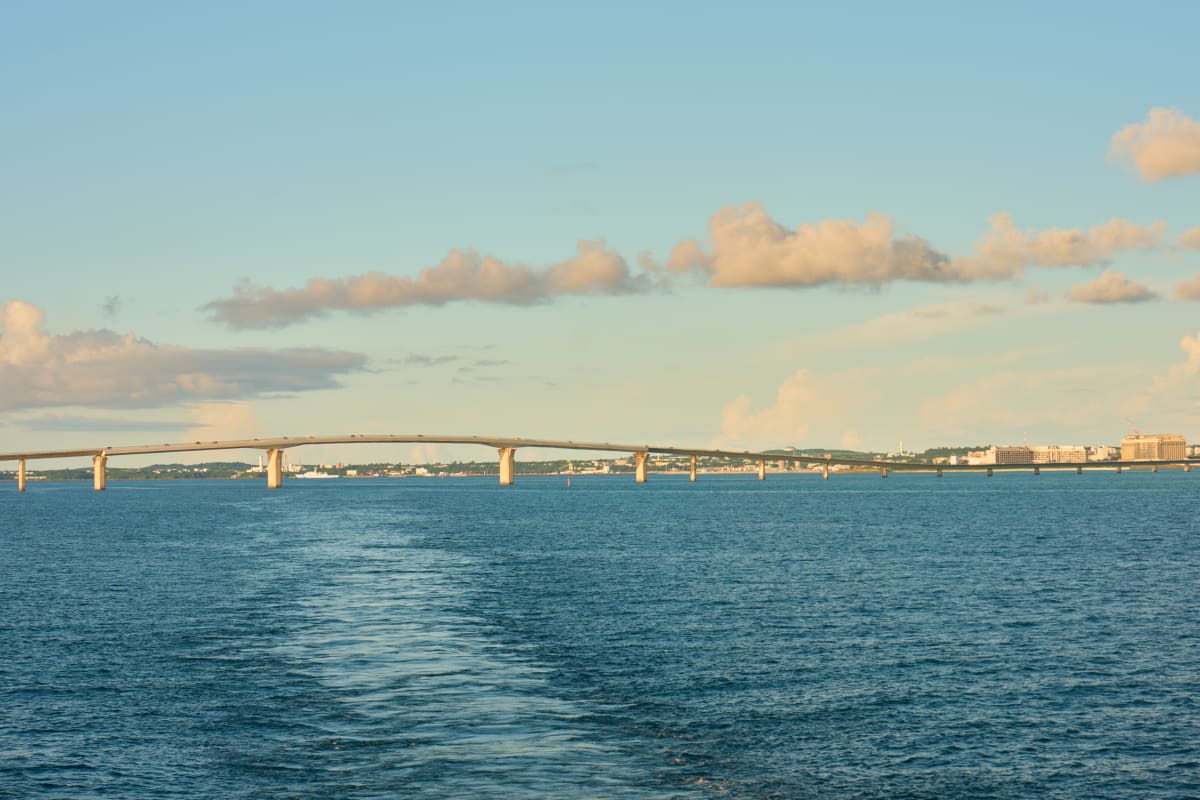
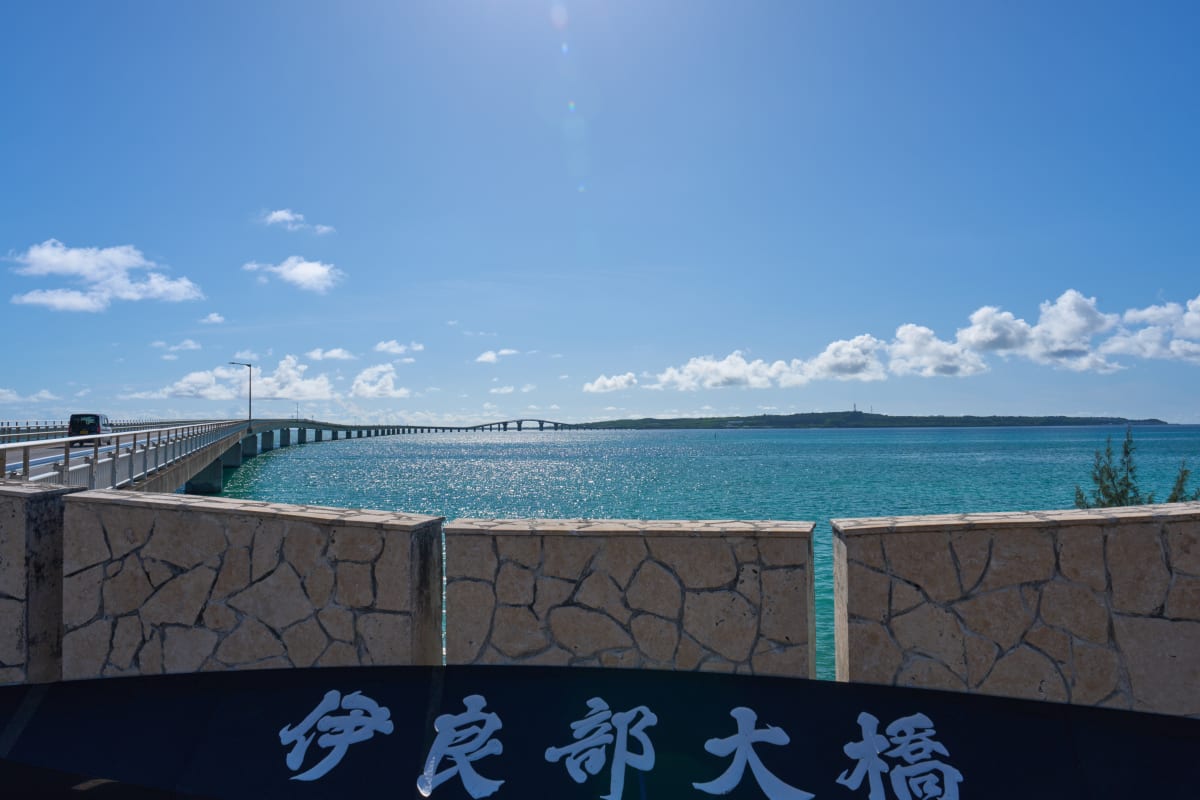
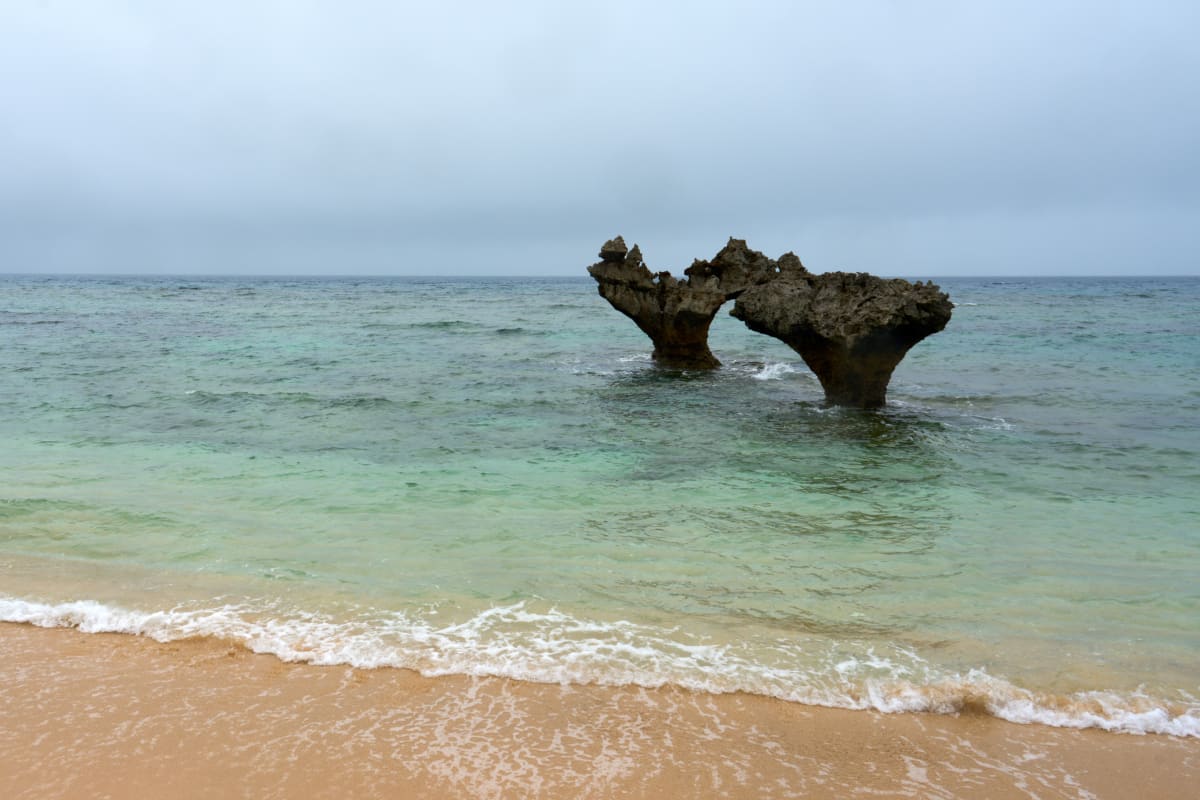
Japan's coastlines. Chichibugahama's sunset reflections (the «Uyuni of Japan»), Katsurahama beach watched by Sakamoto Ryoma's statue, the «Miyako Blue» of Miyakojima and Okinawa's reefs, the torii and sunrise at Meoto-iwa, Naruto's whirlpools, and the Shimanami Kaido bridges — from Pacific to East China Sea.
Panduan Fotografi
Musim terbaik
Okinawa/Miyakojima: April–June and October–November (avoid monsoon and typhoons). Chichibugahama: April–September for best sunsets. Meoto-iwa summer-solstice sunrise: May–July only. Naruto whirlpools: spring/autumn ohshio (great tide). Winter sharpens horizons even on Pacific coasts.
Waktu terbaik
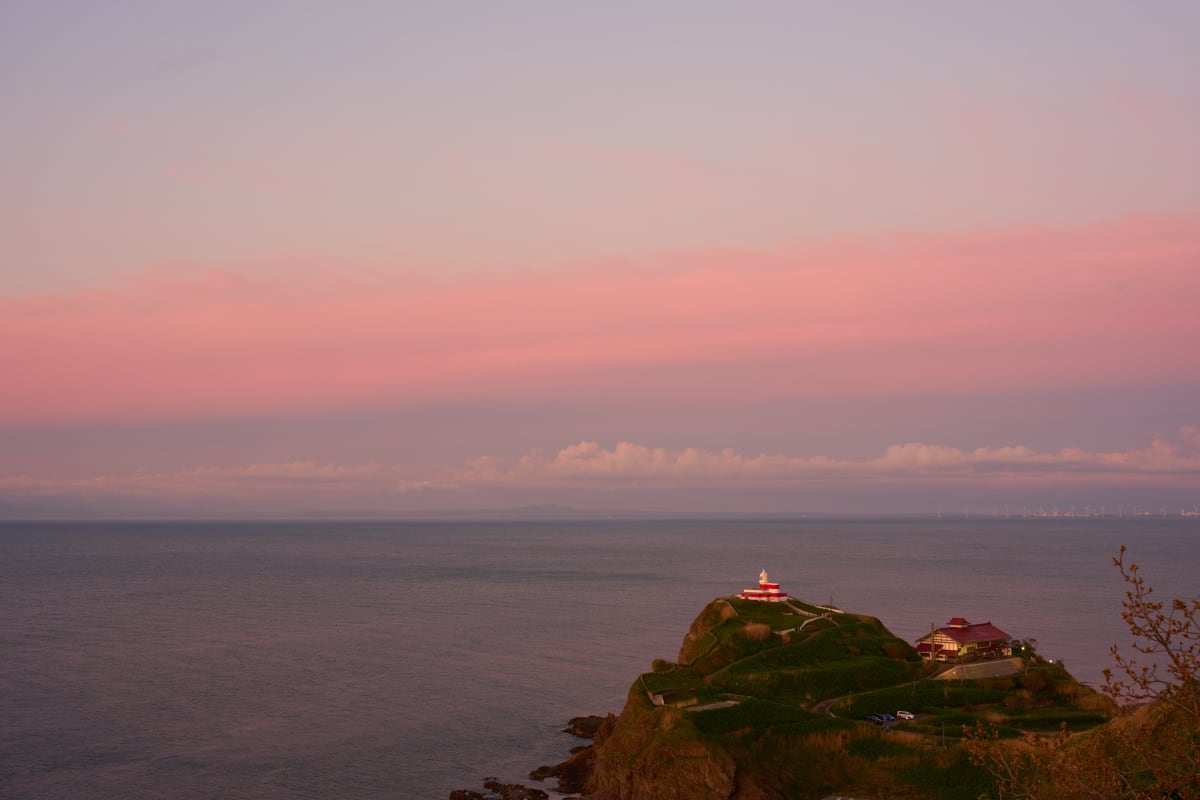
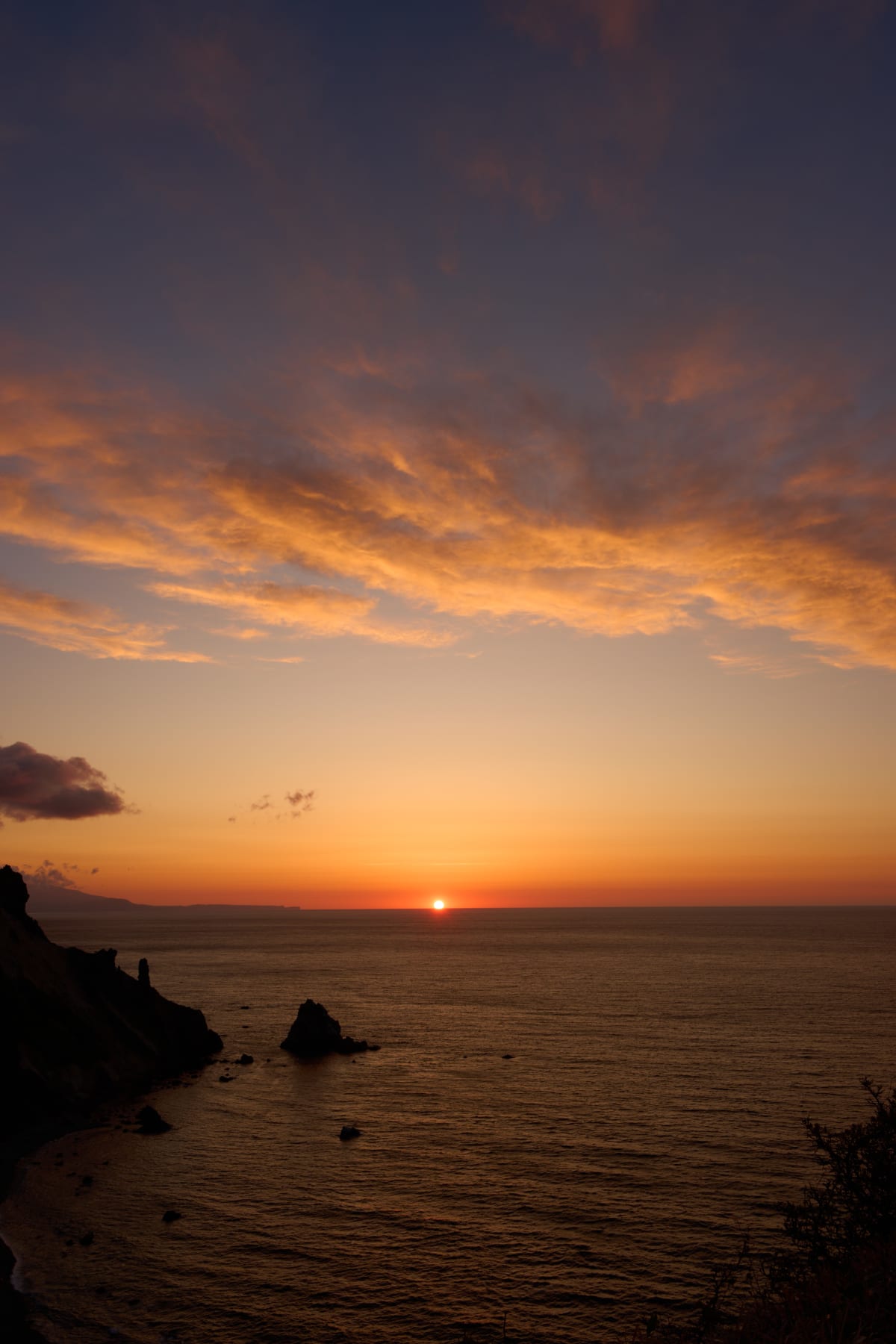
Sunrise and sunset are critical. Chichibugahama: 30–40 min before sunset at low tide with no wind for mirror reflections. Meoto-iwa: summer solstice ±3 days for sun centered between rocks. Naruto: ±1 hour from peak high or low tide. Coastal magic hour (blue hour) — 20–40 min after sunset is most magical.
Teknik
Sea reflections — keep or cut, your choice. CPL kills reflection; ND enables long exposure (silken waves). Wide-angle for dynamic-range sky+sea+foreground three-layer; telephoto compresses islands, rocks, boats. HDR balances bright sky and dark foreground. Tripod essential.
Peralatan
Tripods need stability against wind and waves — heavy tripod + windbreak stone. ND filters (8–400) for long exposure; graduated ND for sky balance. CPL for polarization. Salt-water care: rinse camera and tripod with fresh water or salt-removal wipes after each shoot. Rain cover essential.
Tips praktis
Chichibugahama is shootable only on days when low tide and sunset coincide. The tourist board publishes a tide+sunset calendar — check it. Meoto-iwa's sun moves 2cm per day; summer solstice ±3 days centers it. Naruto whirlpools — check the bridge company's prediction site. Okinawa typhoon season (Jul–Oct) carries weather risk.