तट
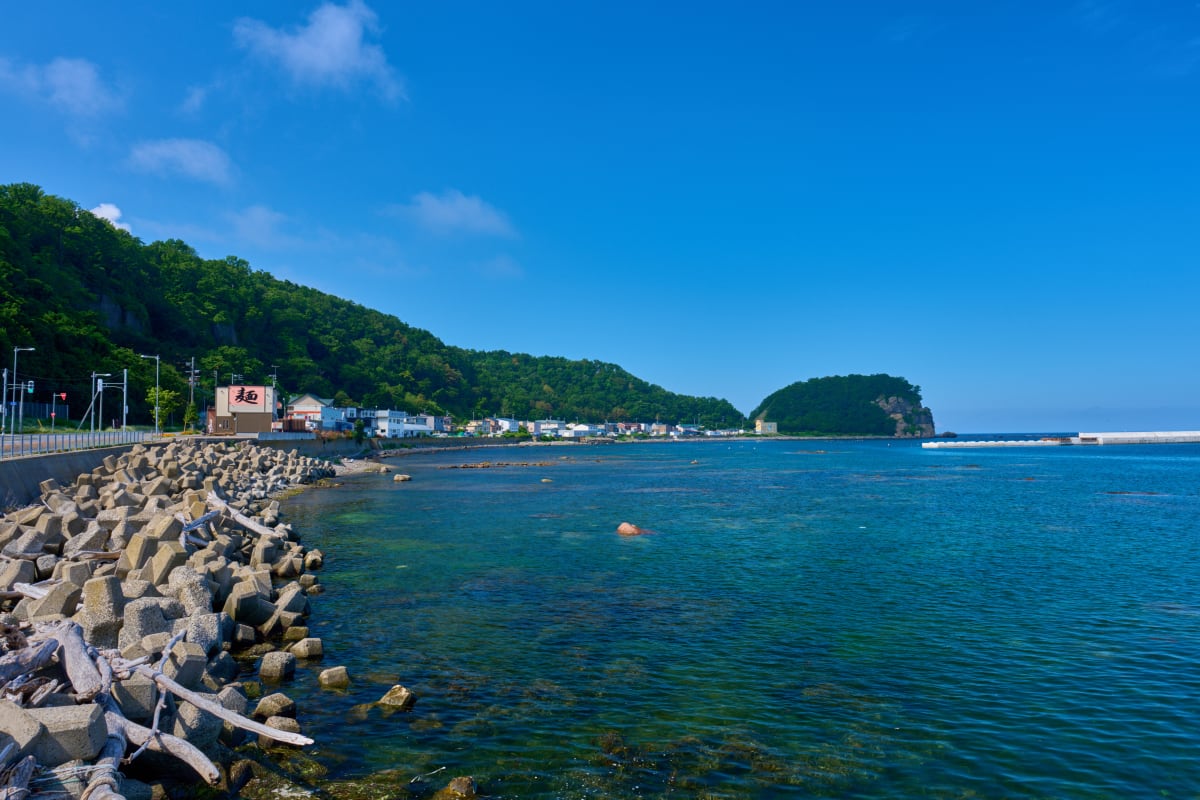
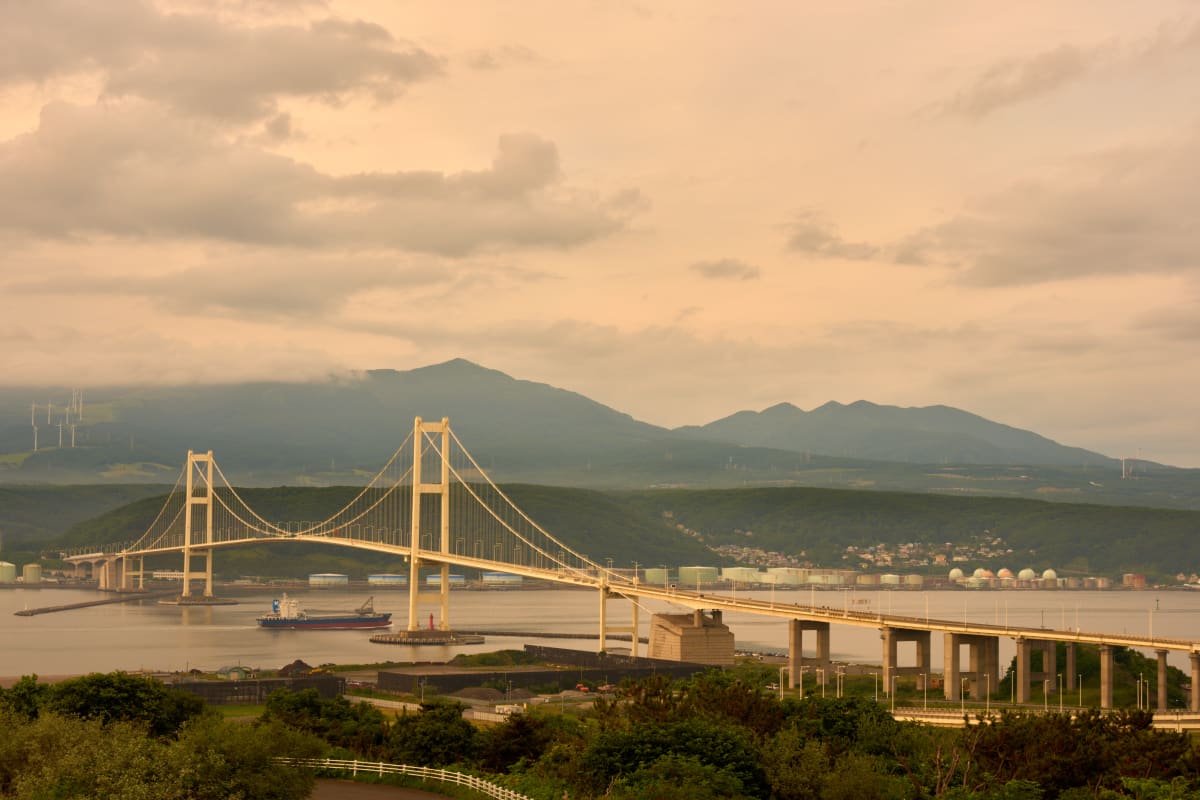
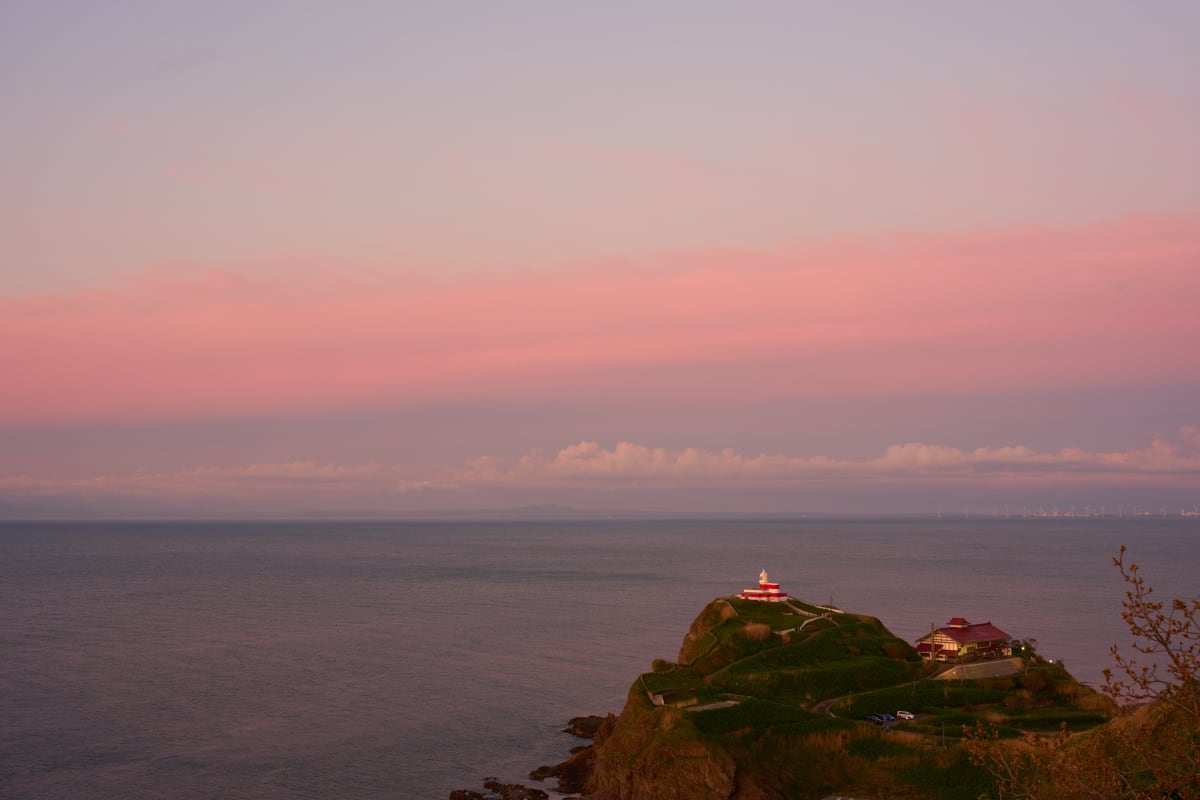
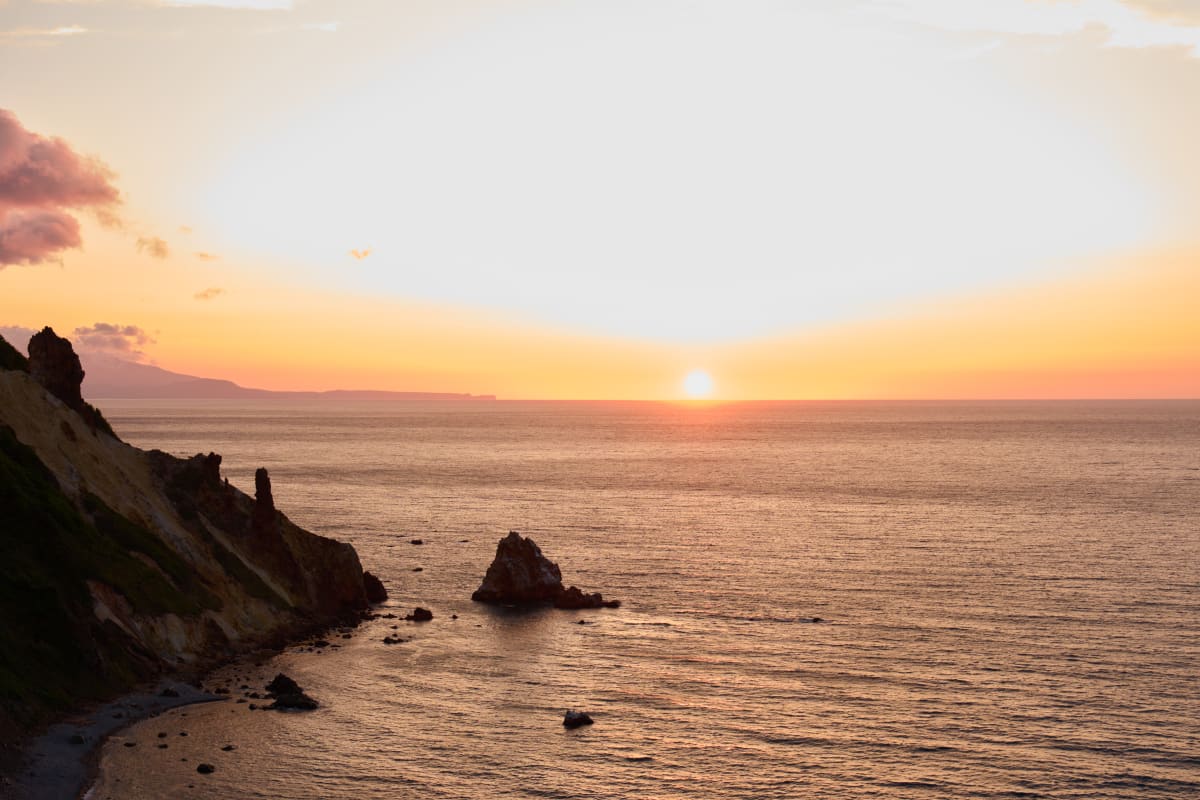
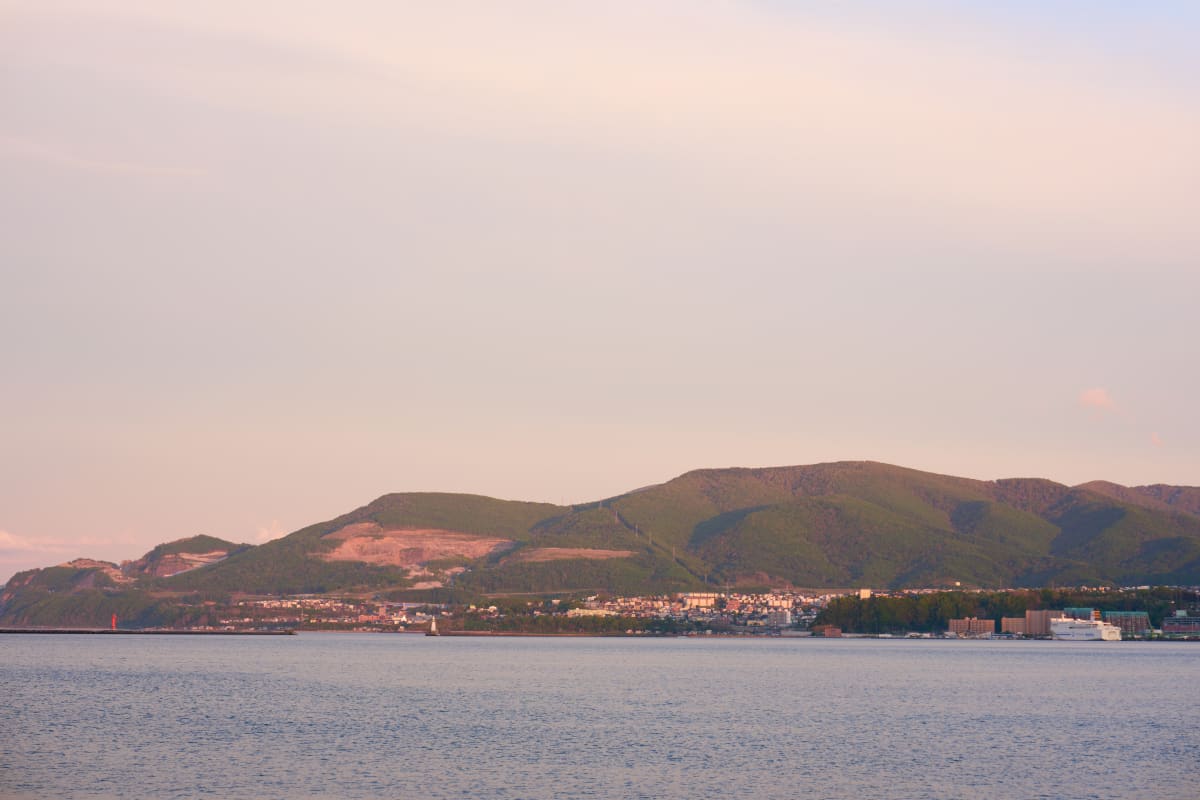
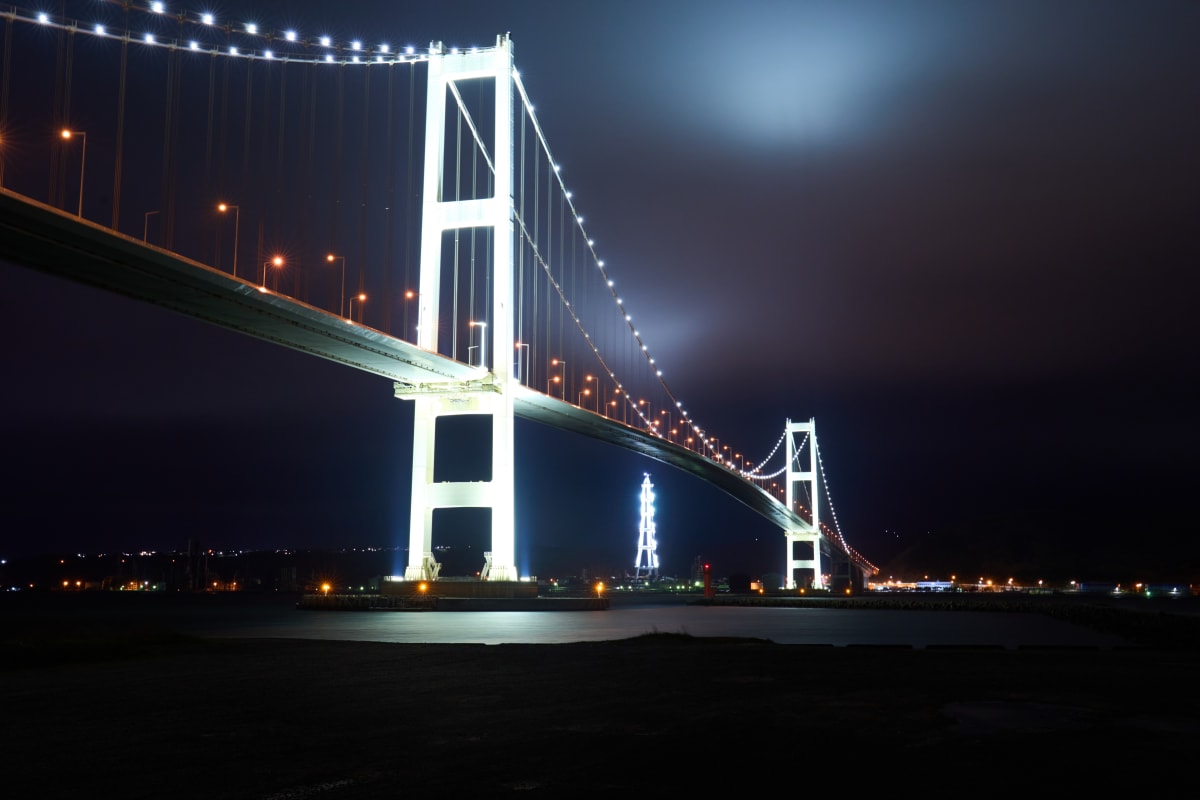
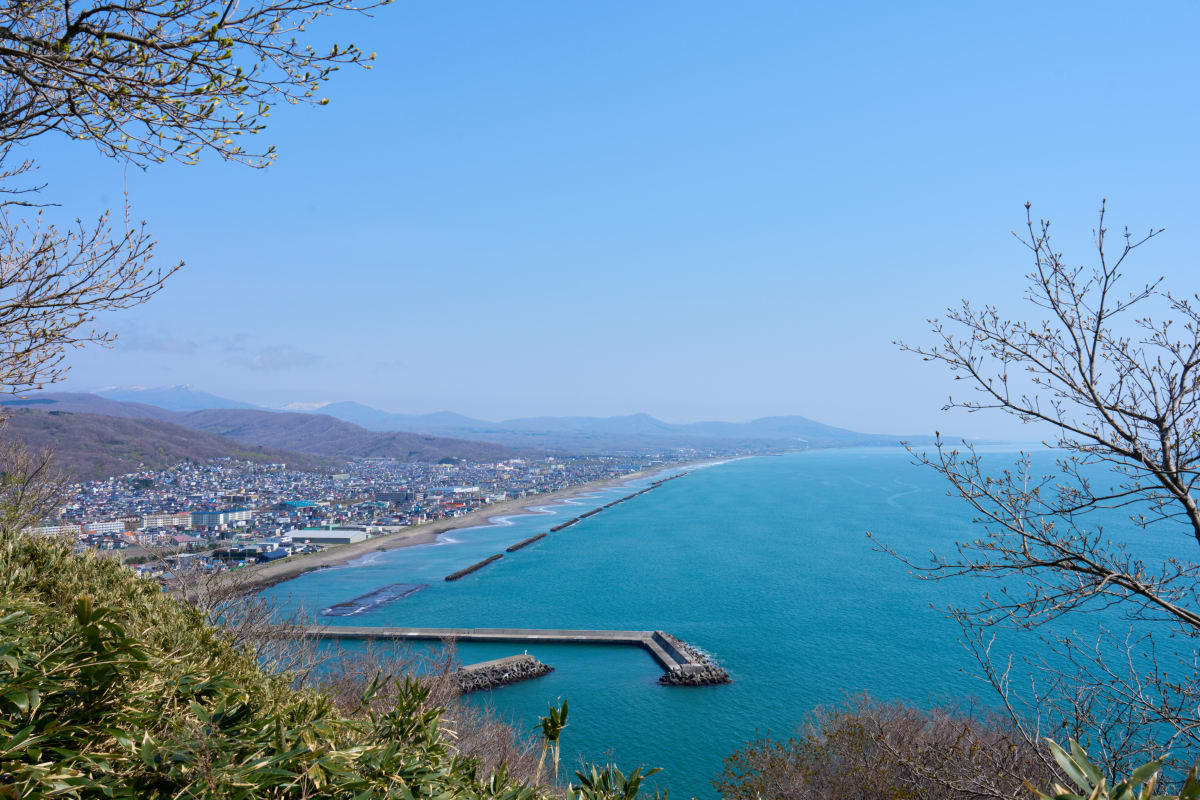
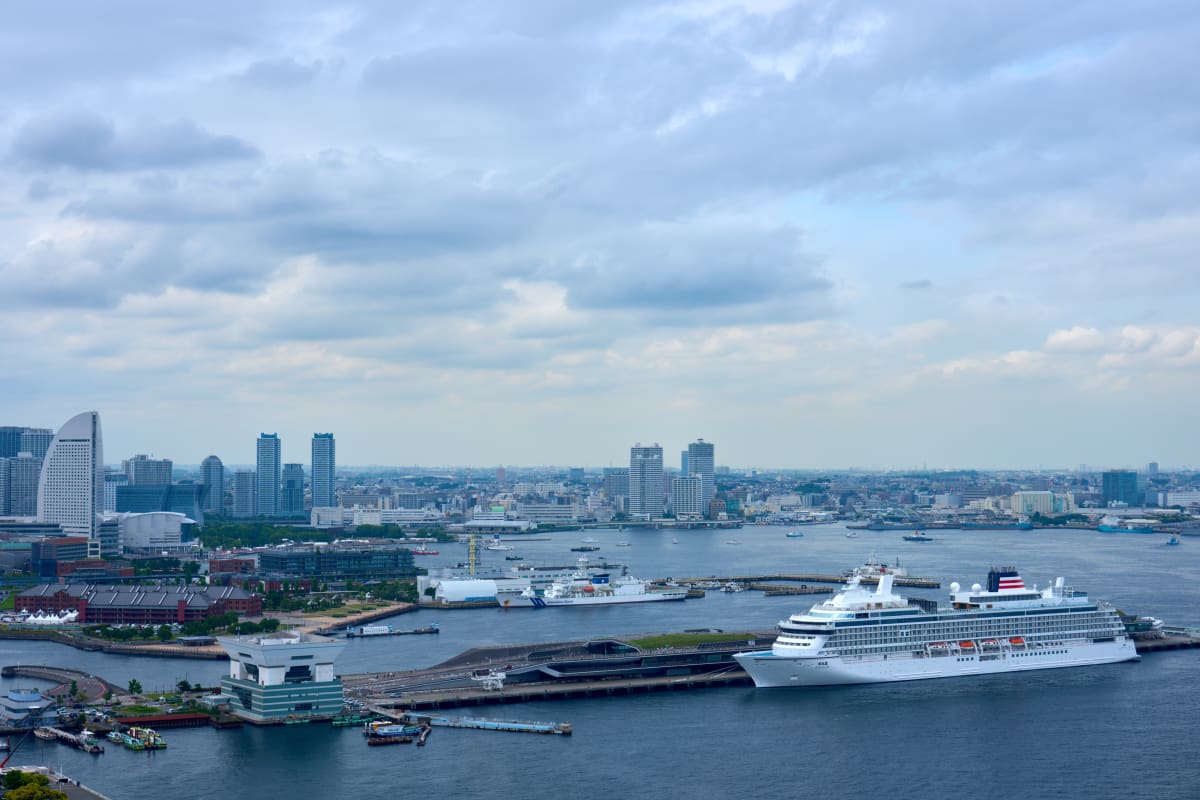
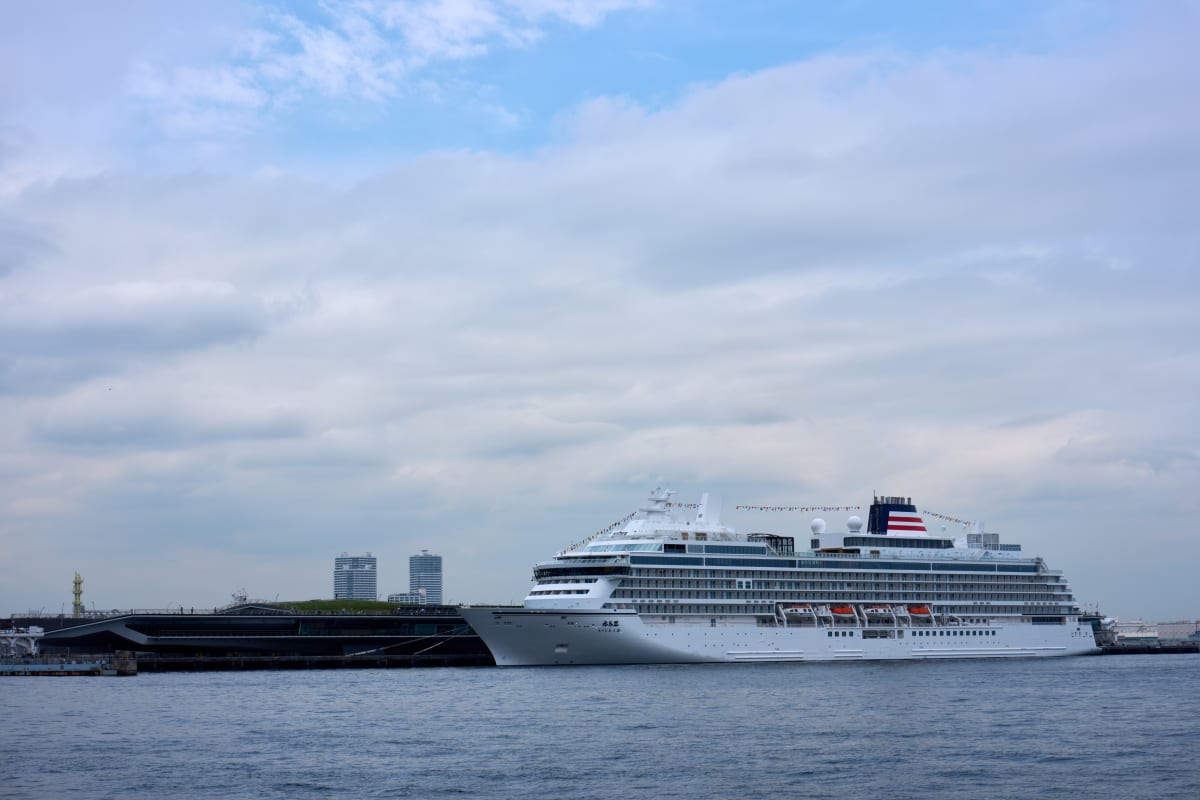
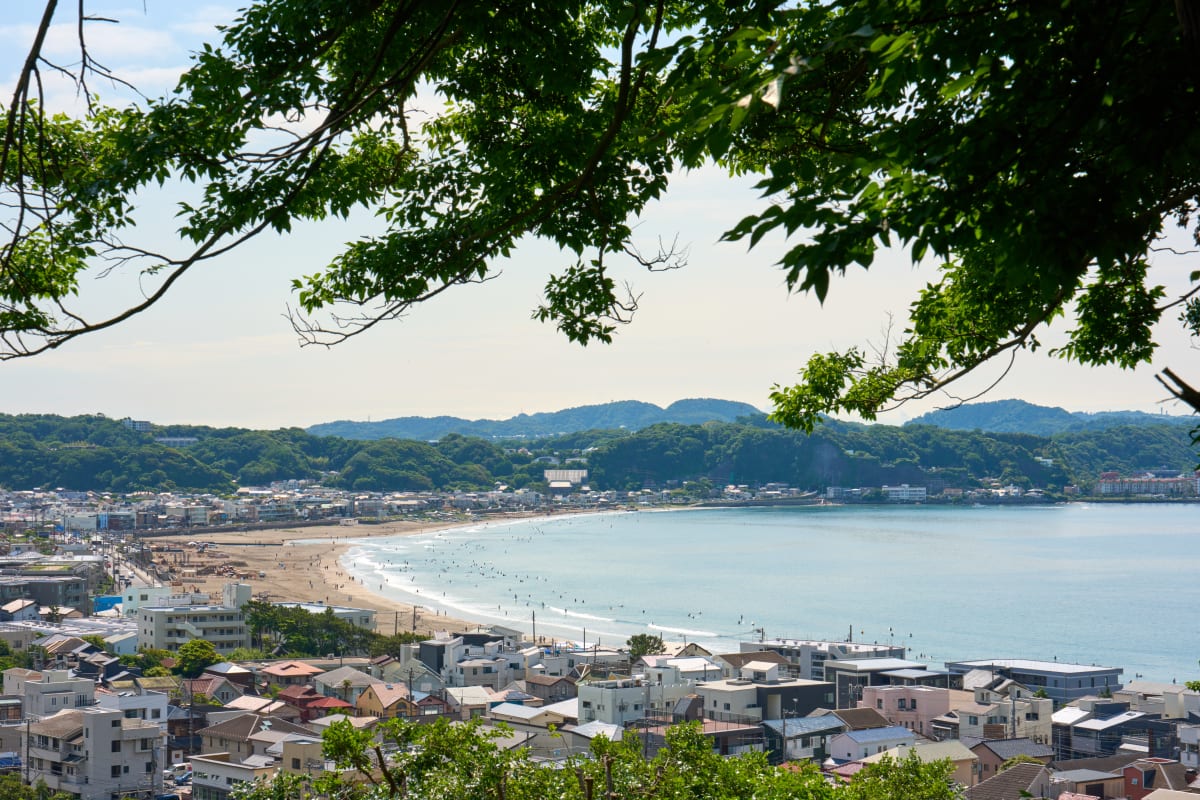
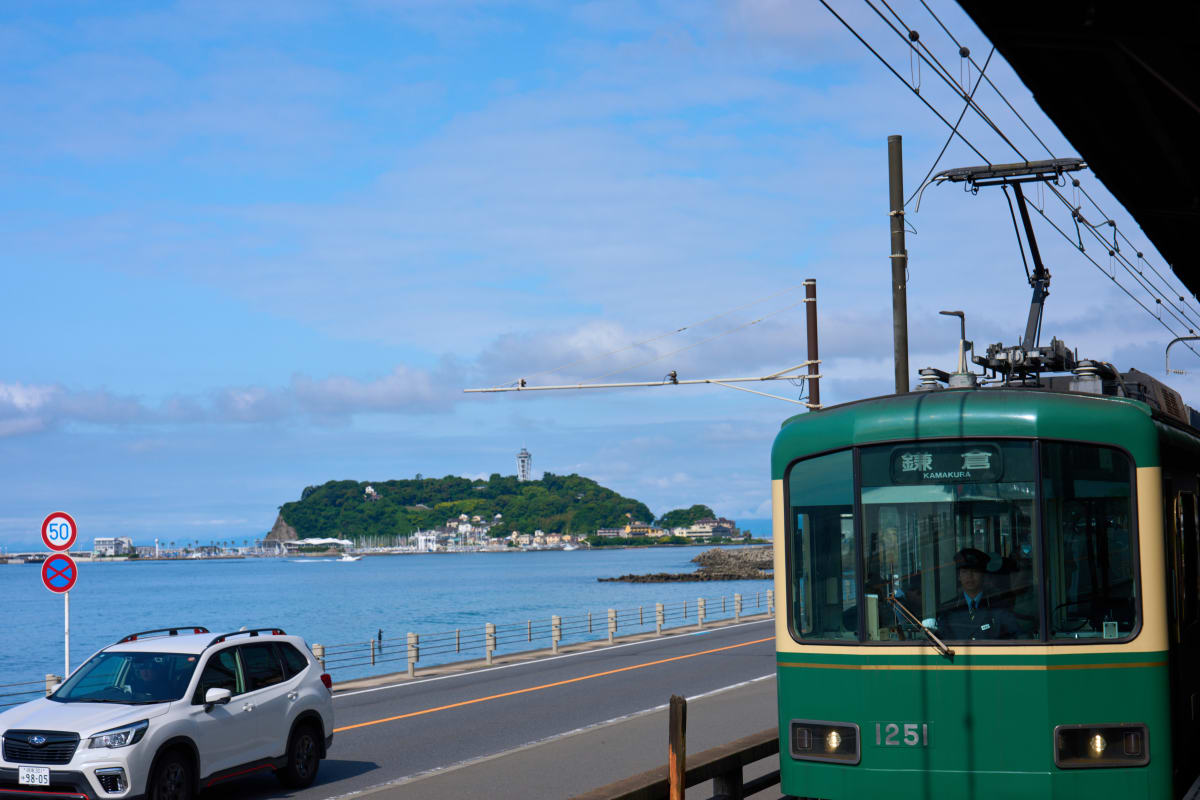
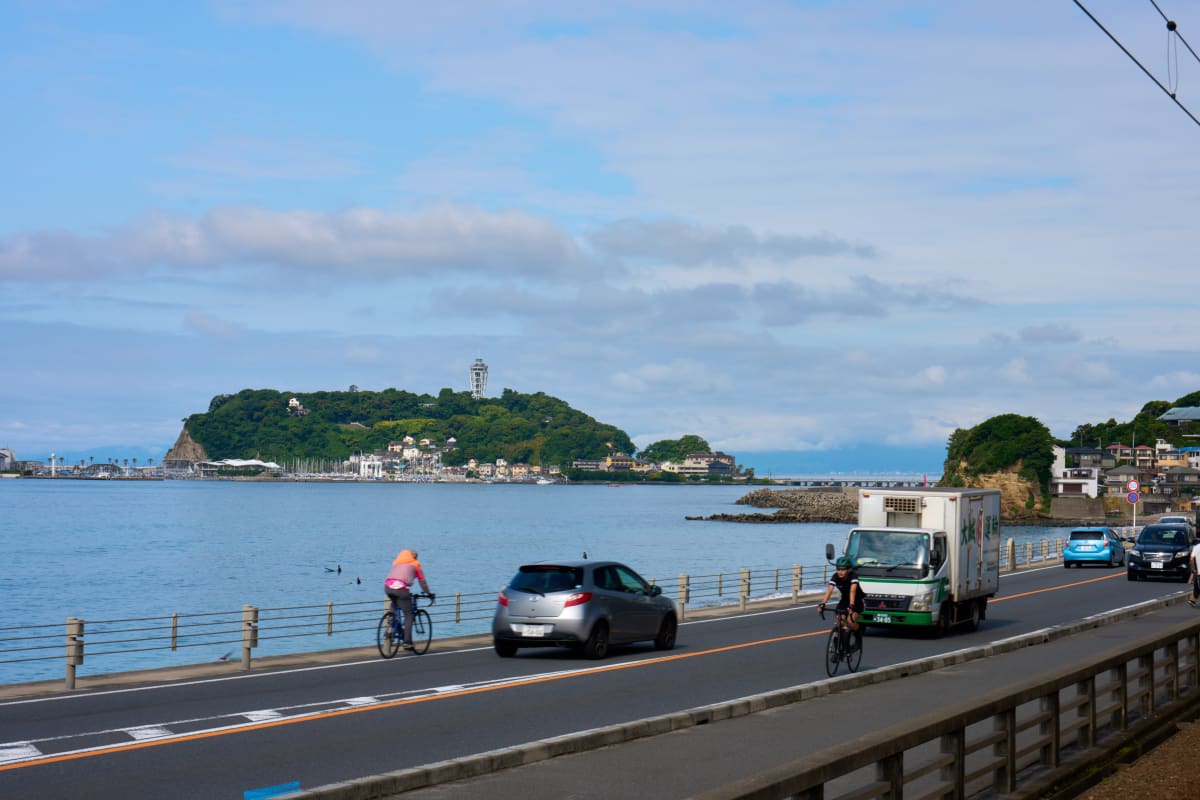
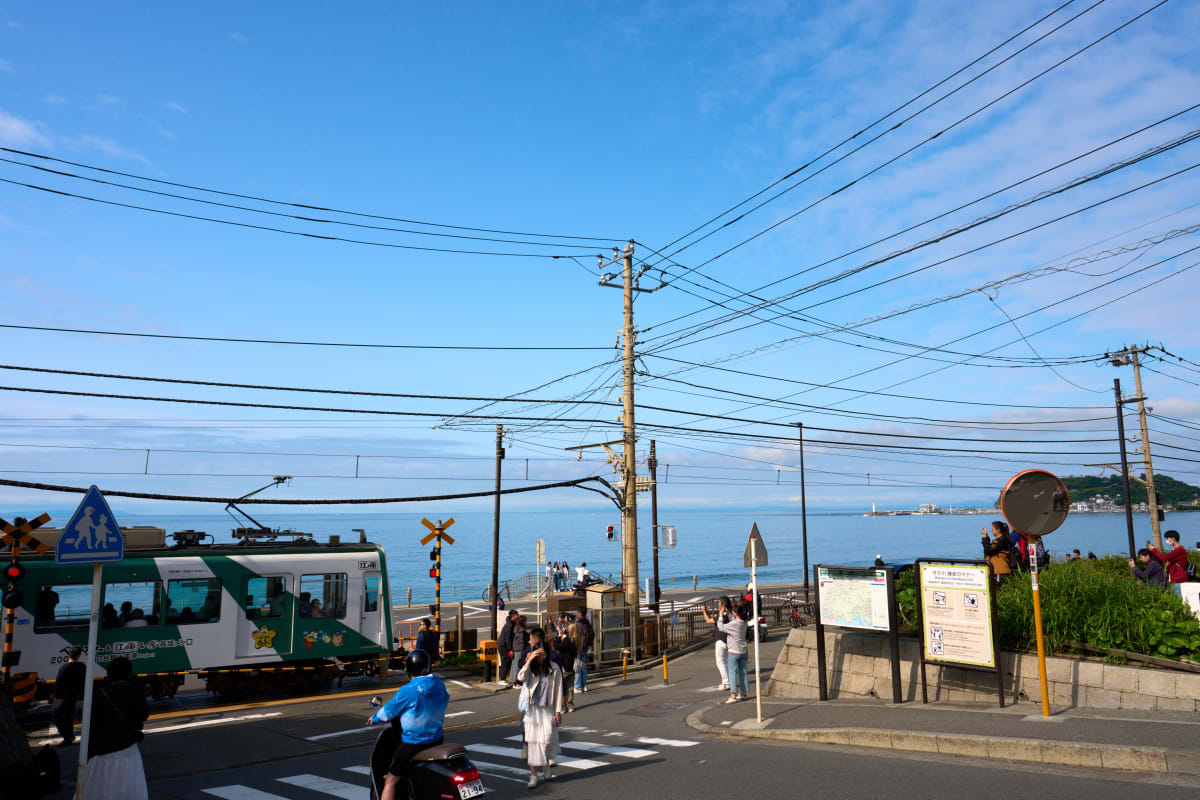
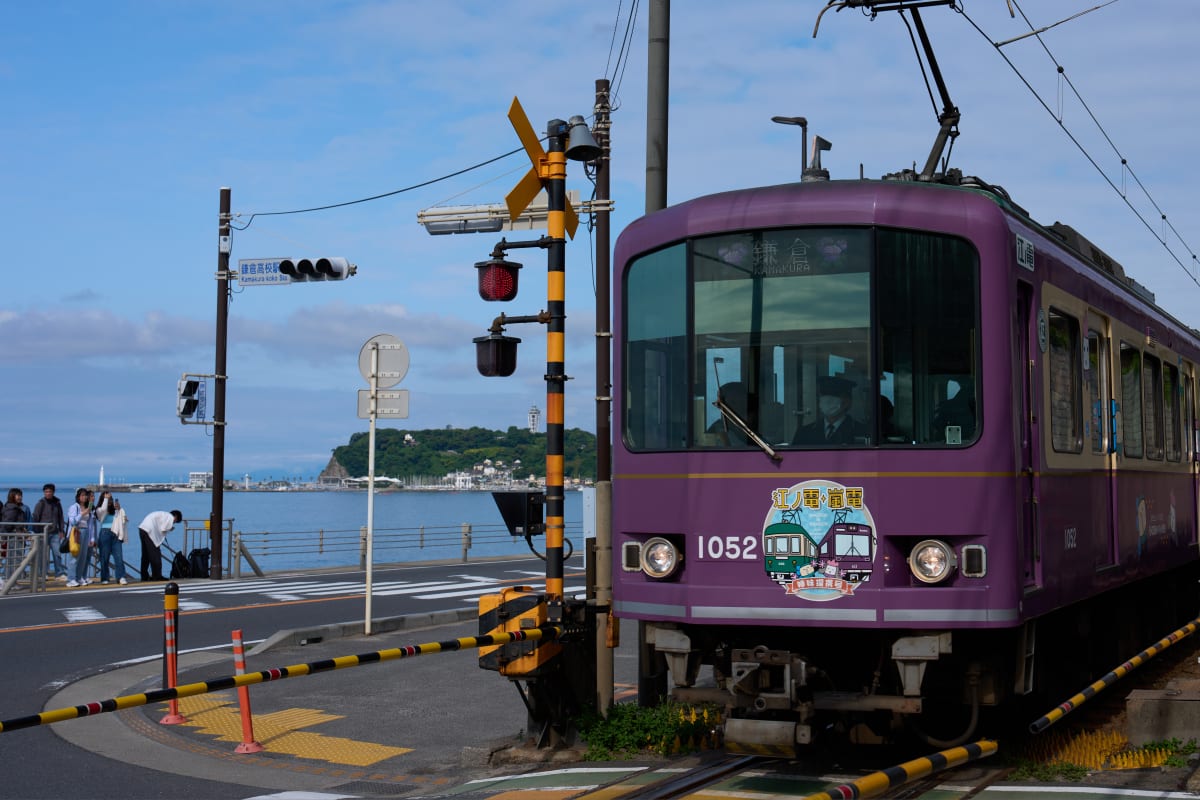
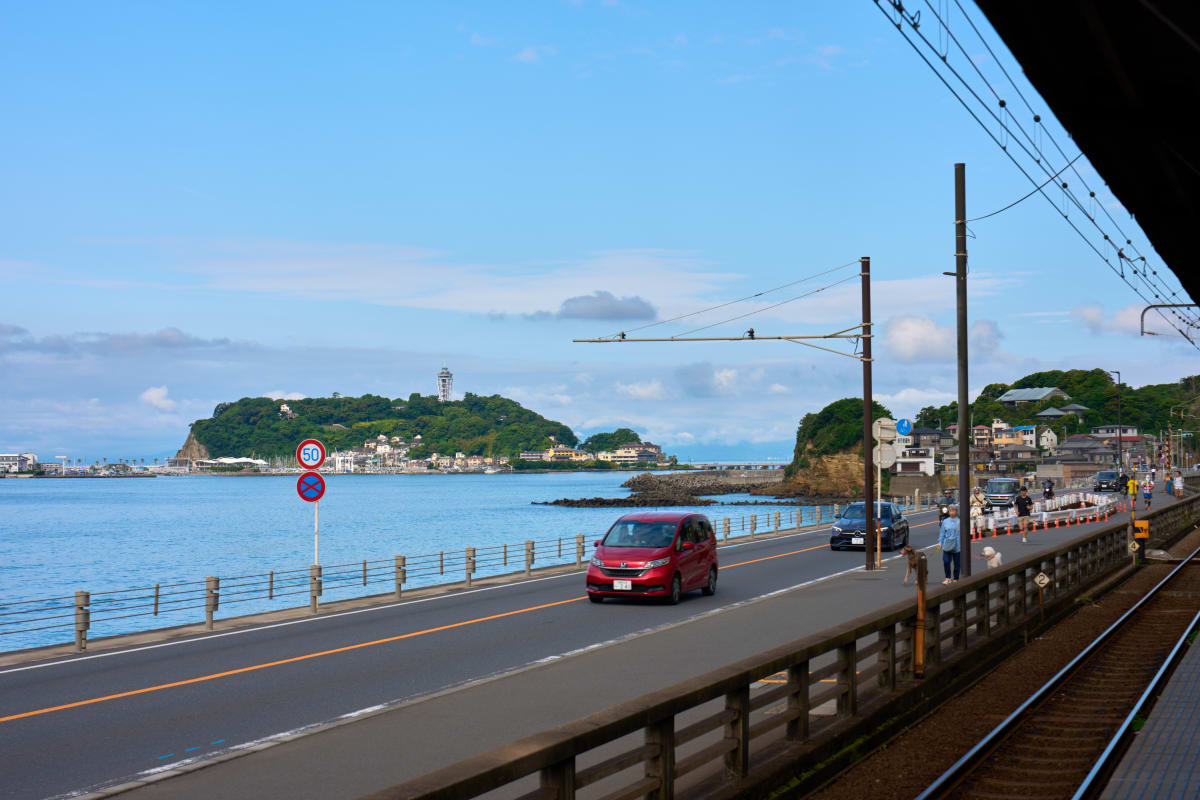
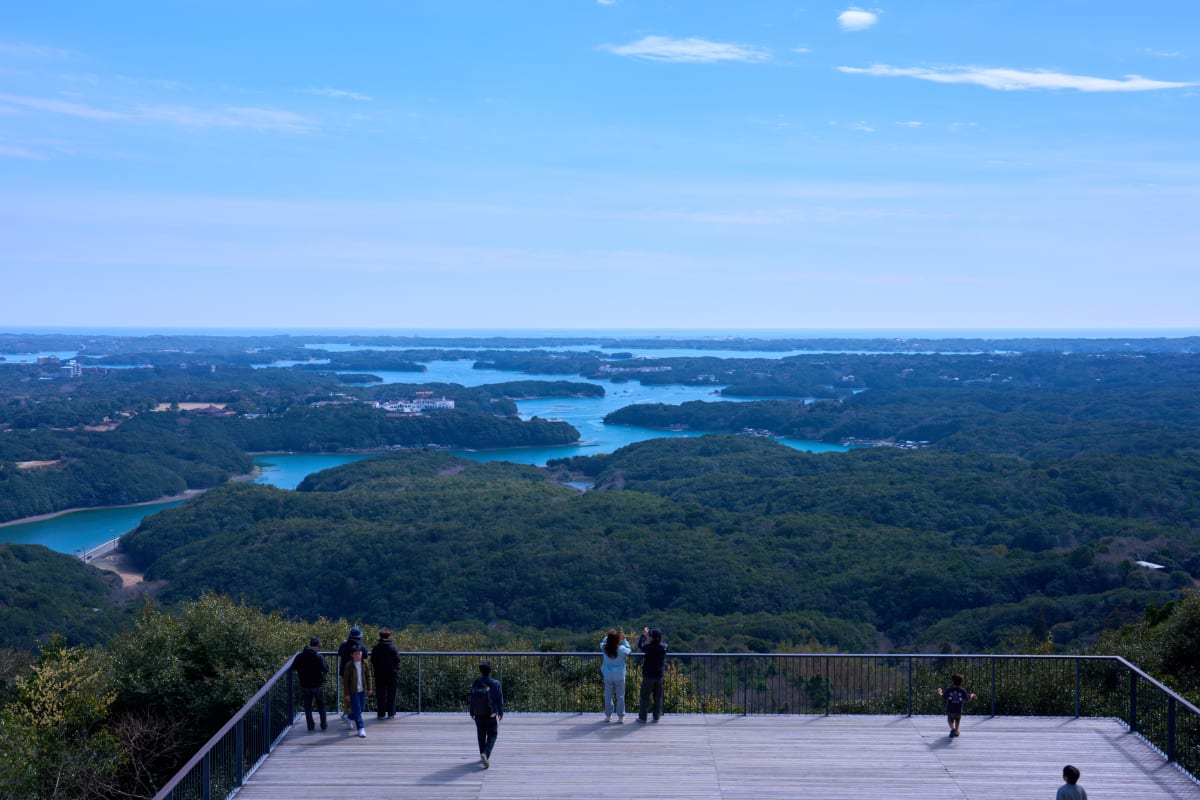
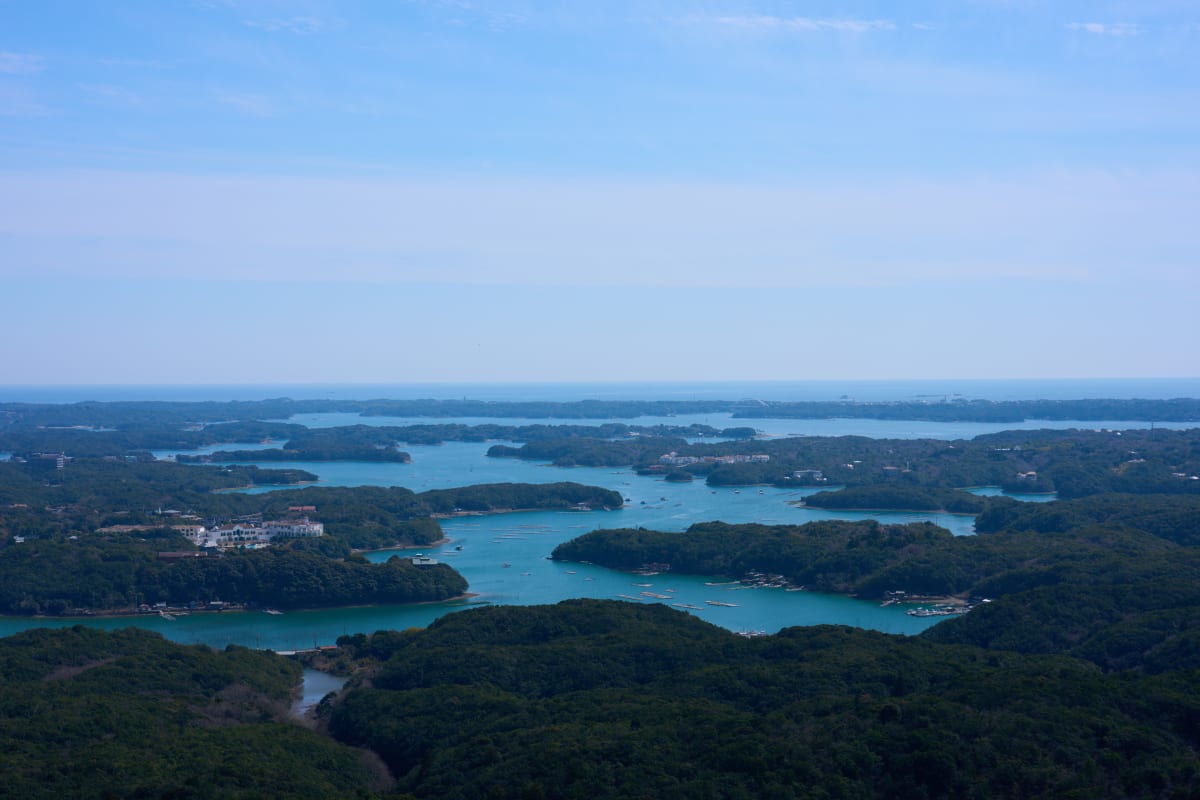
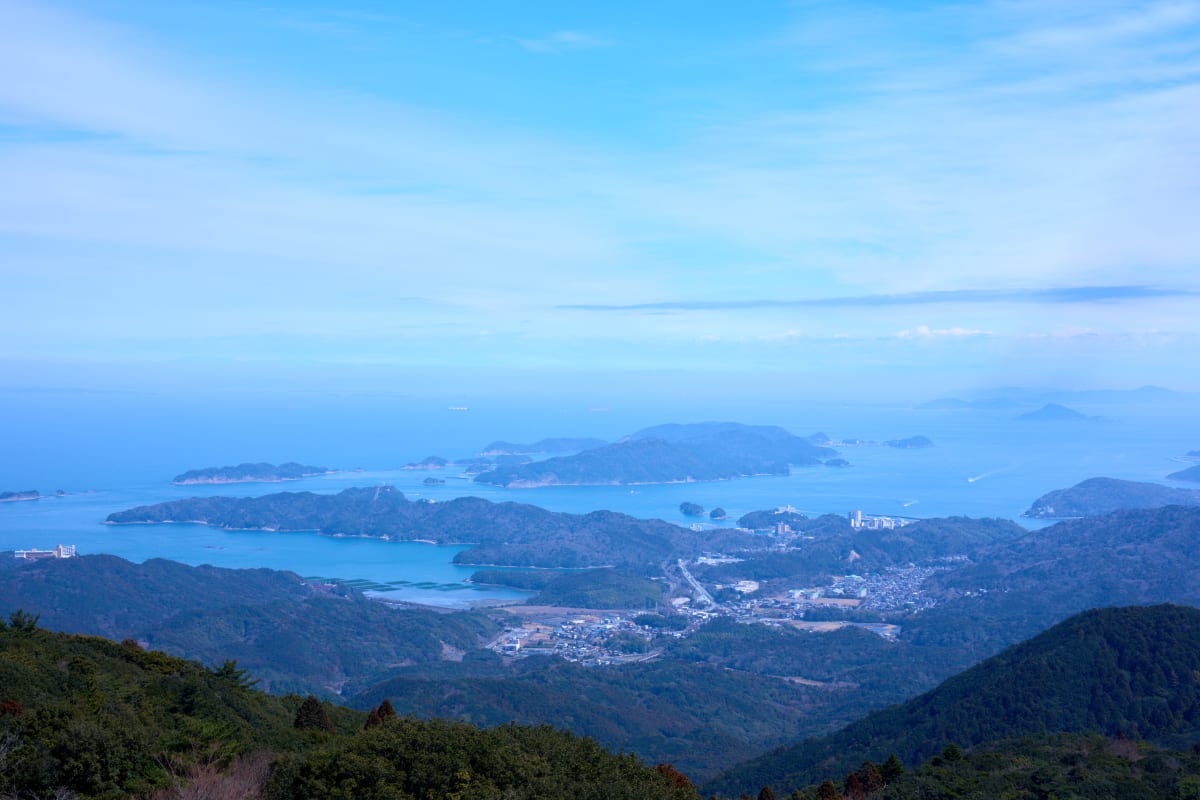
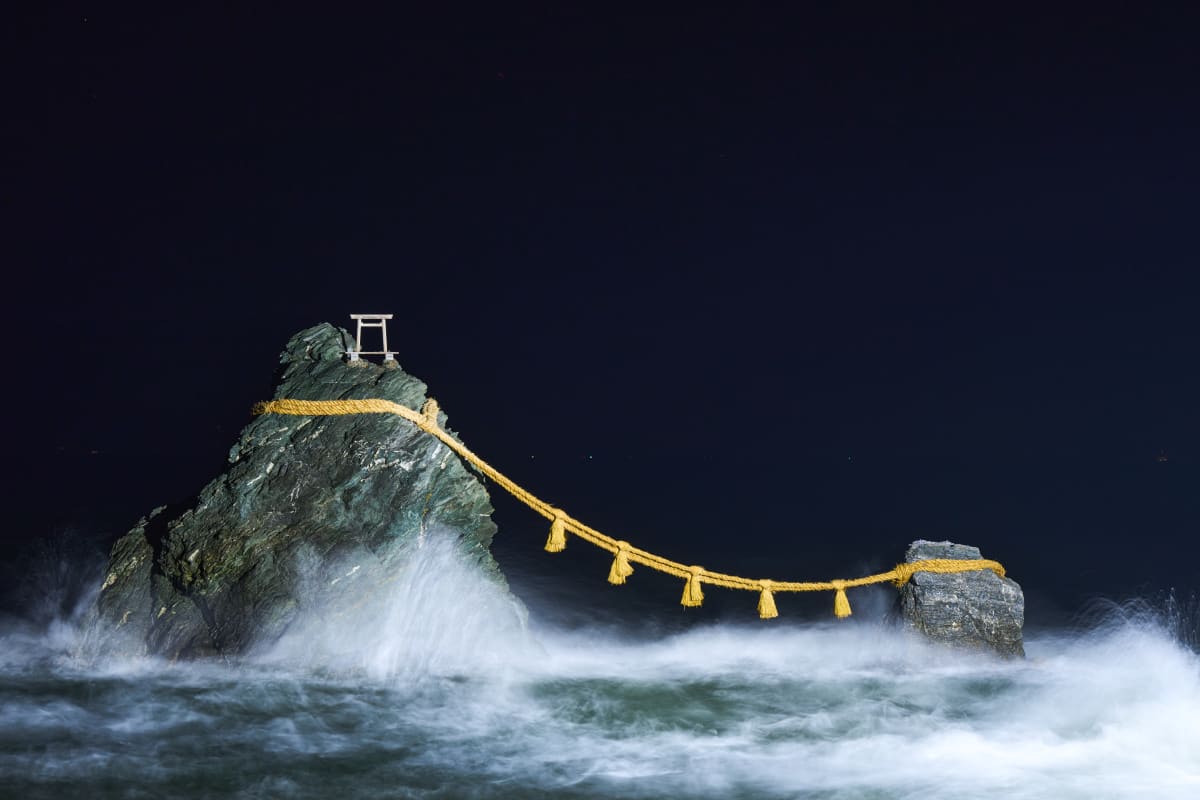
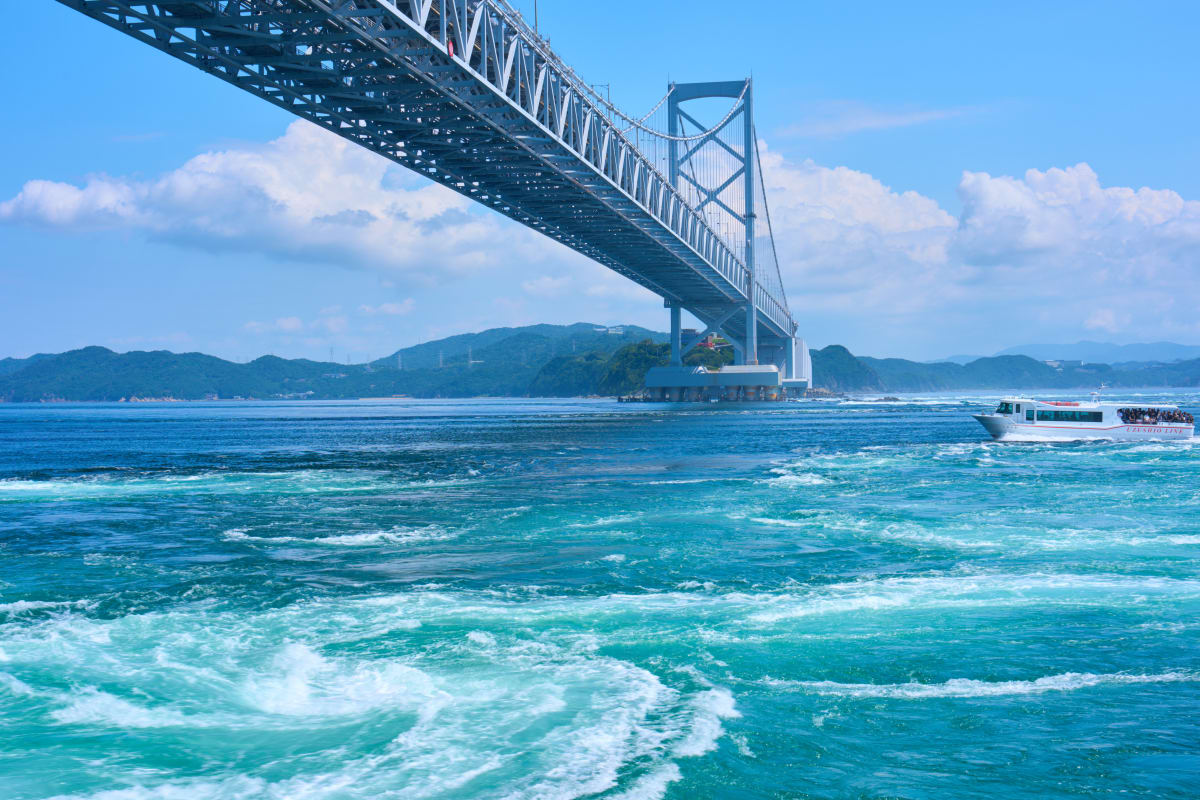
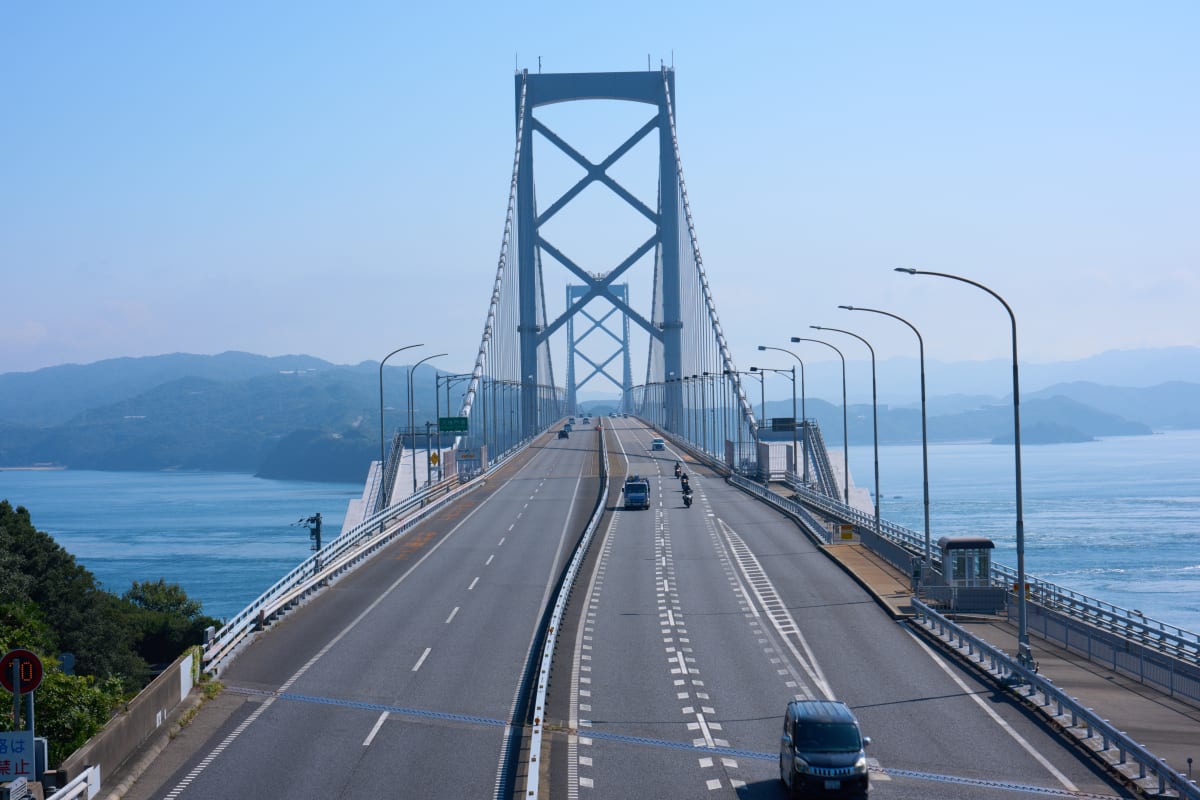
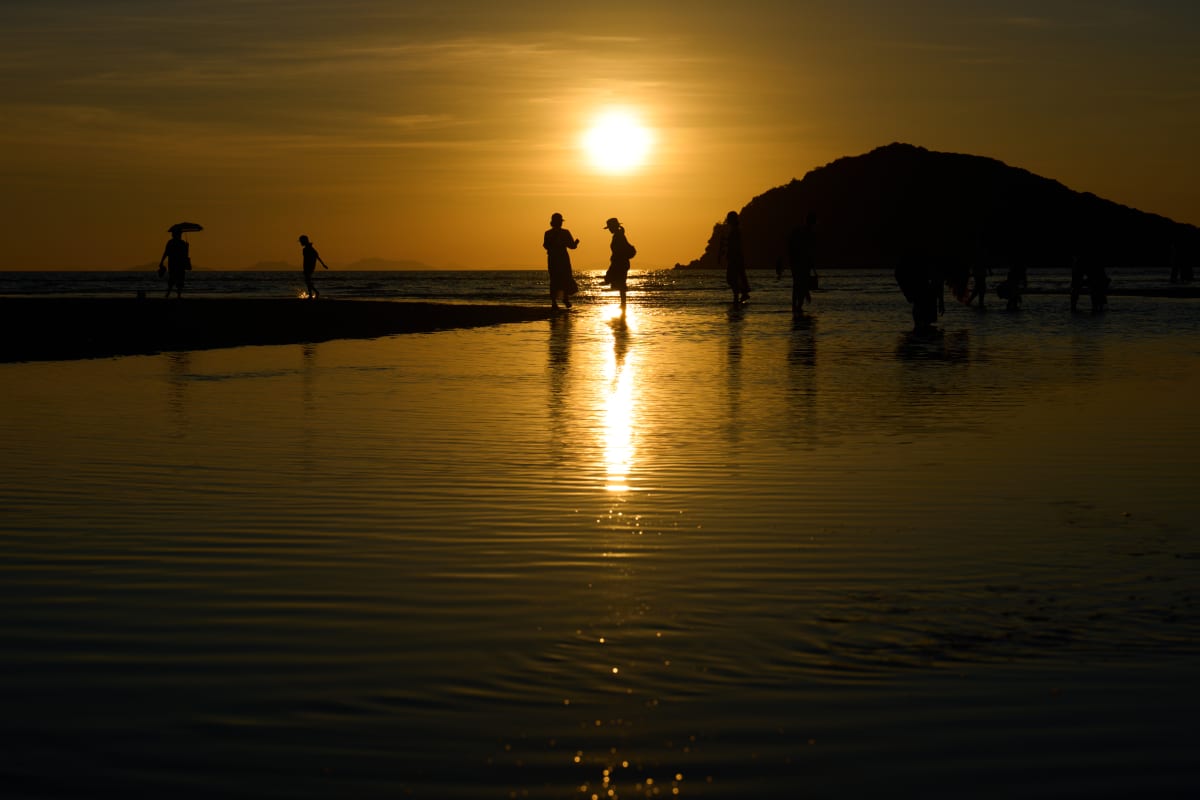
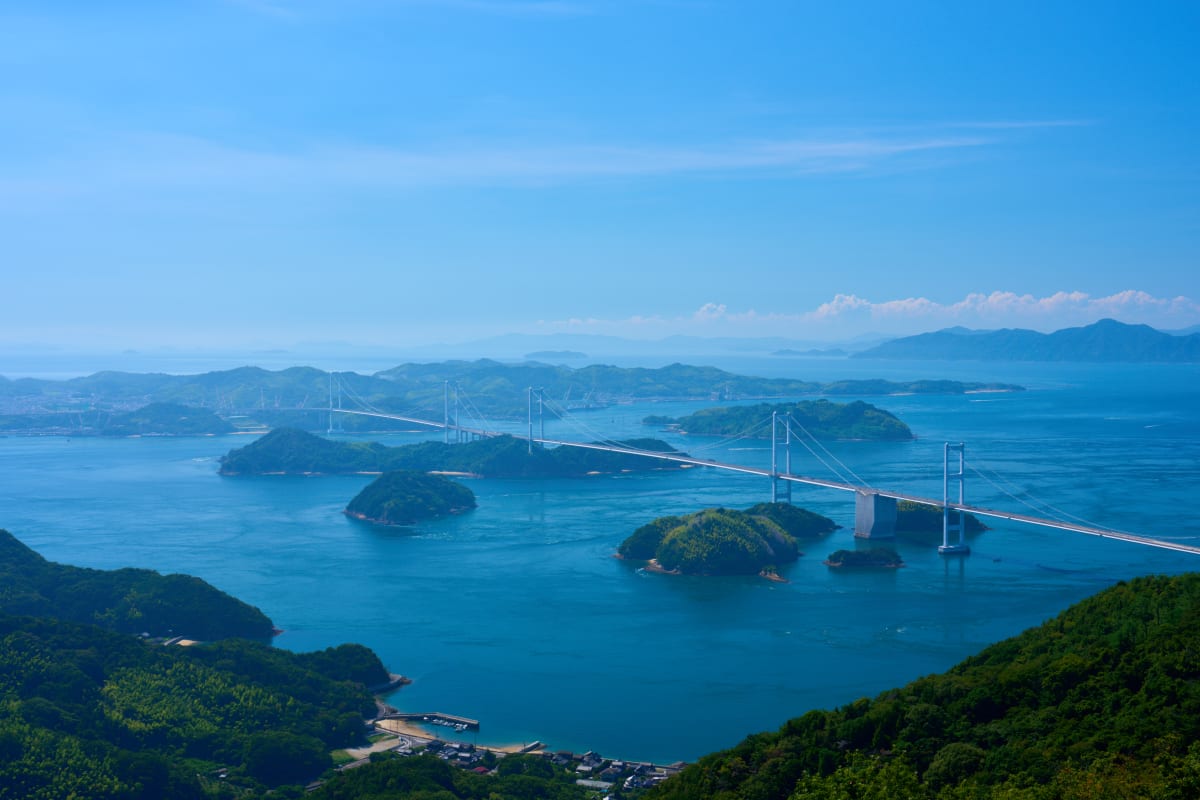
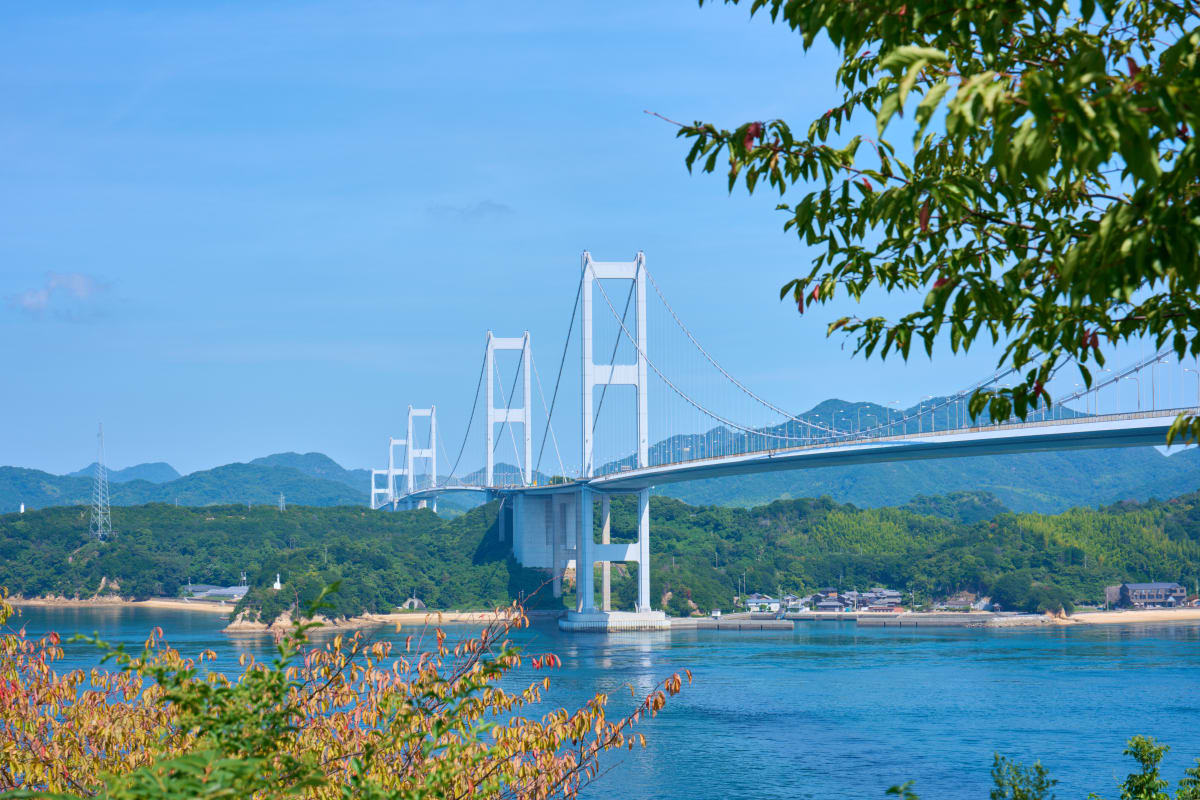
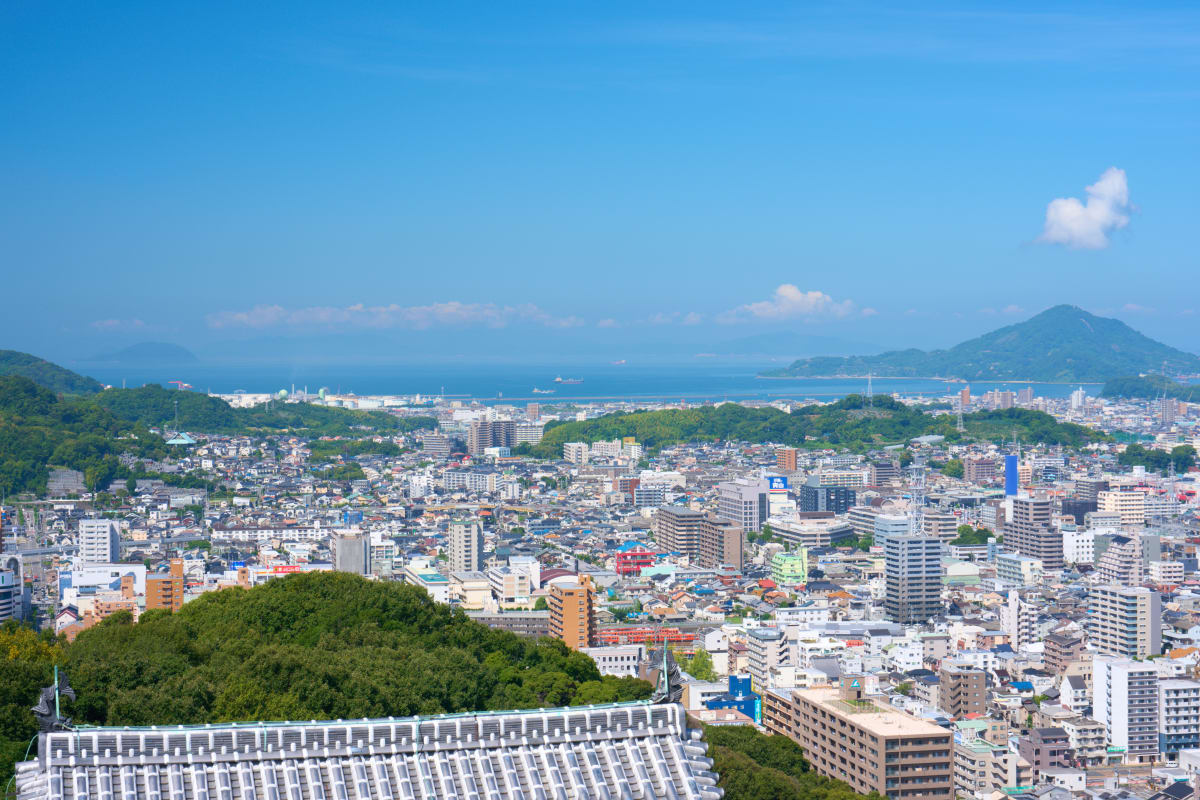
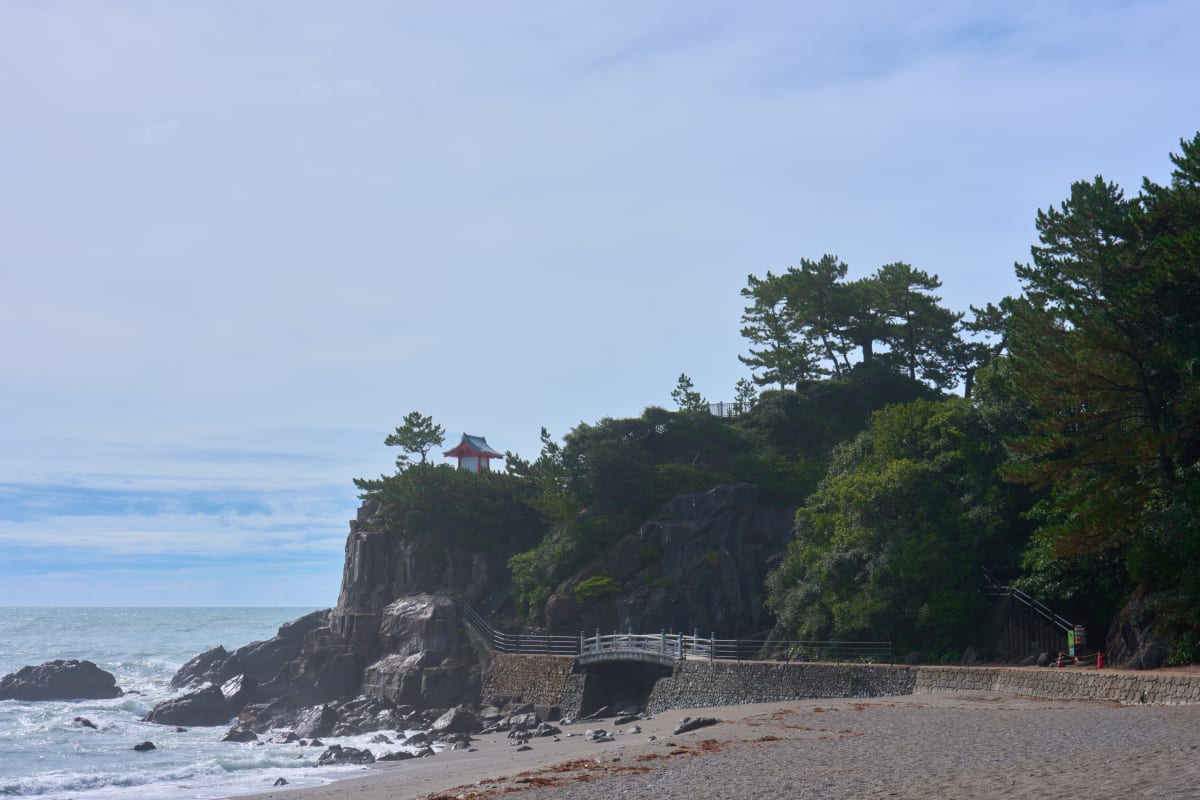
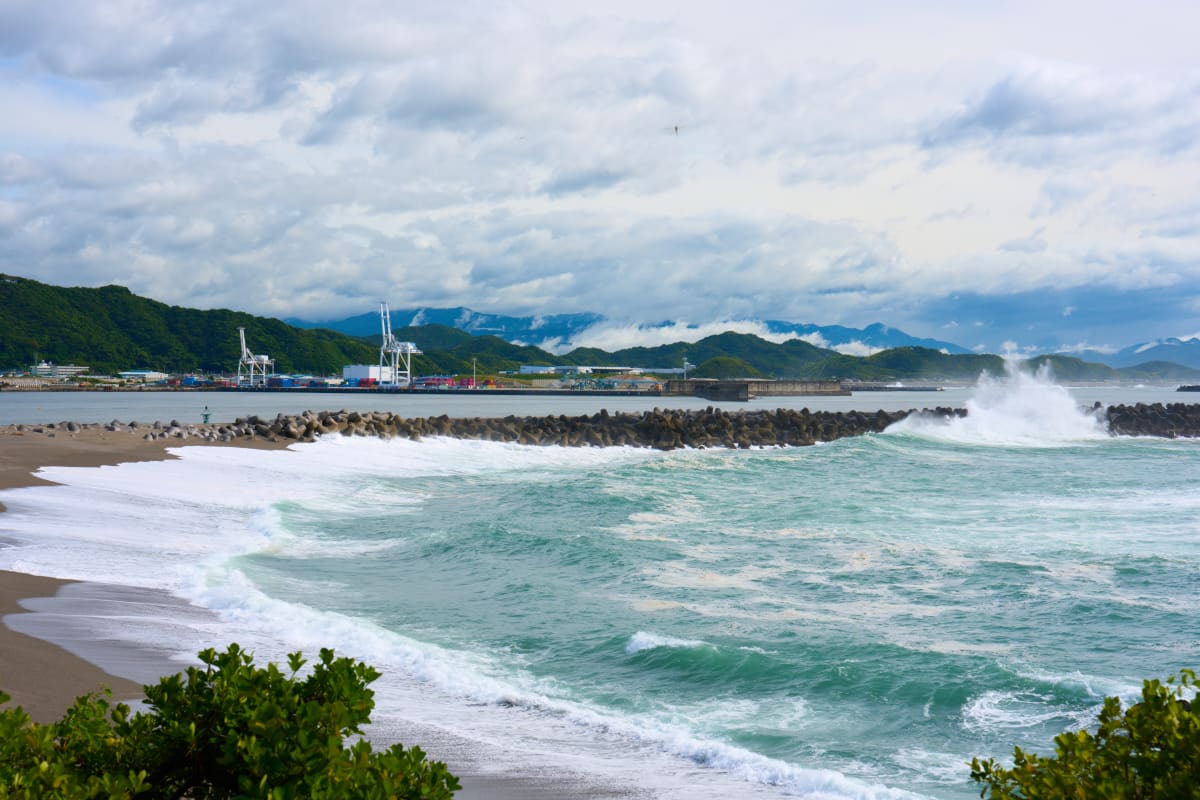
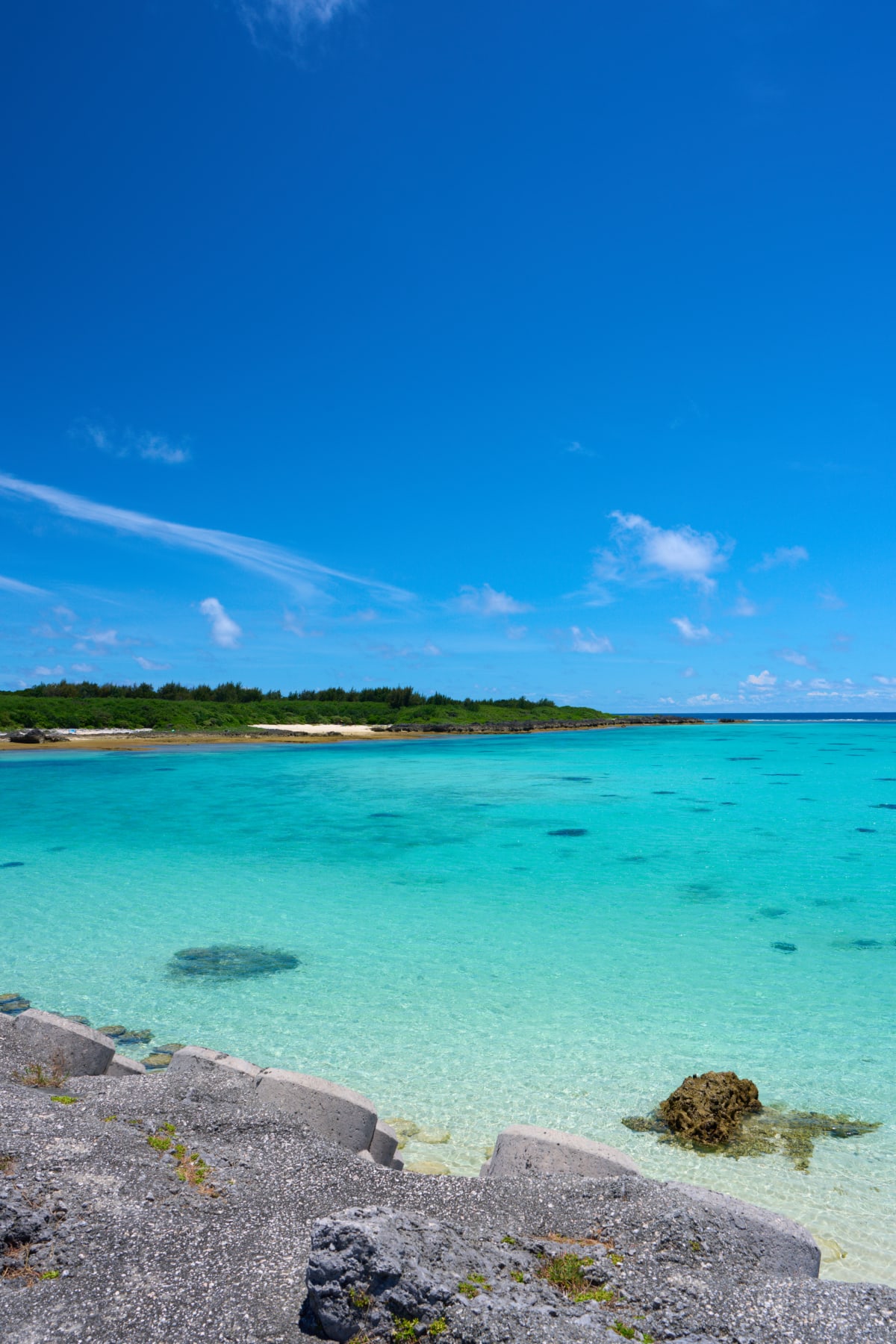
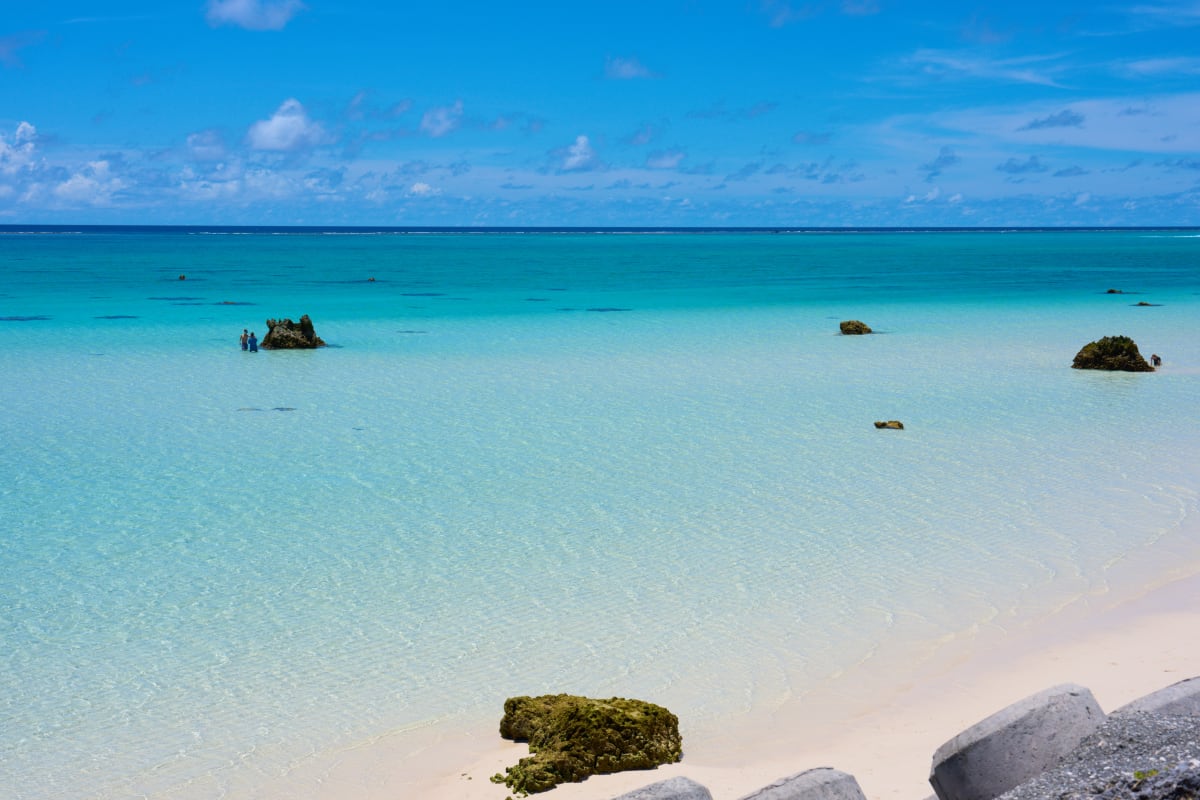
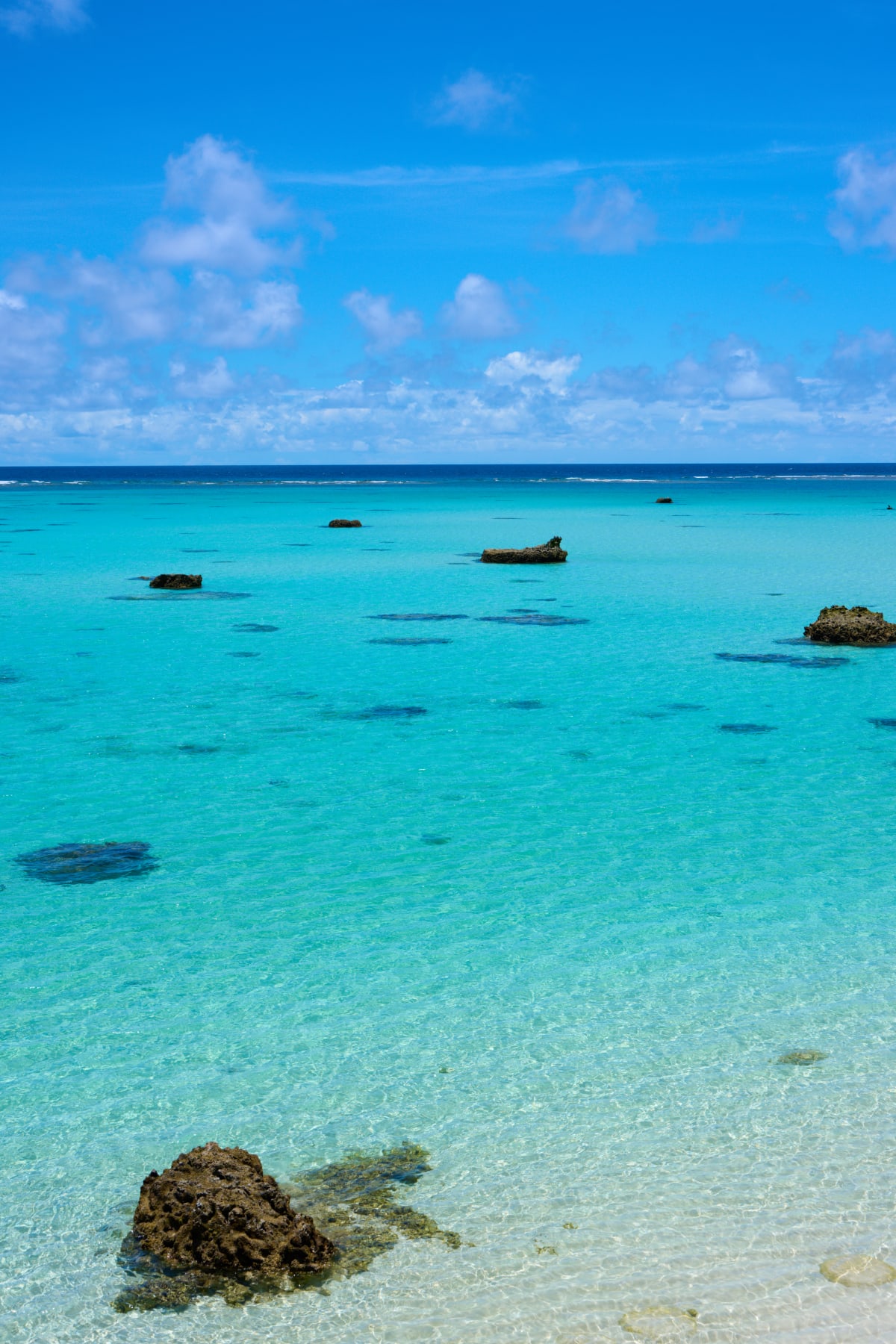
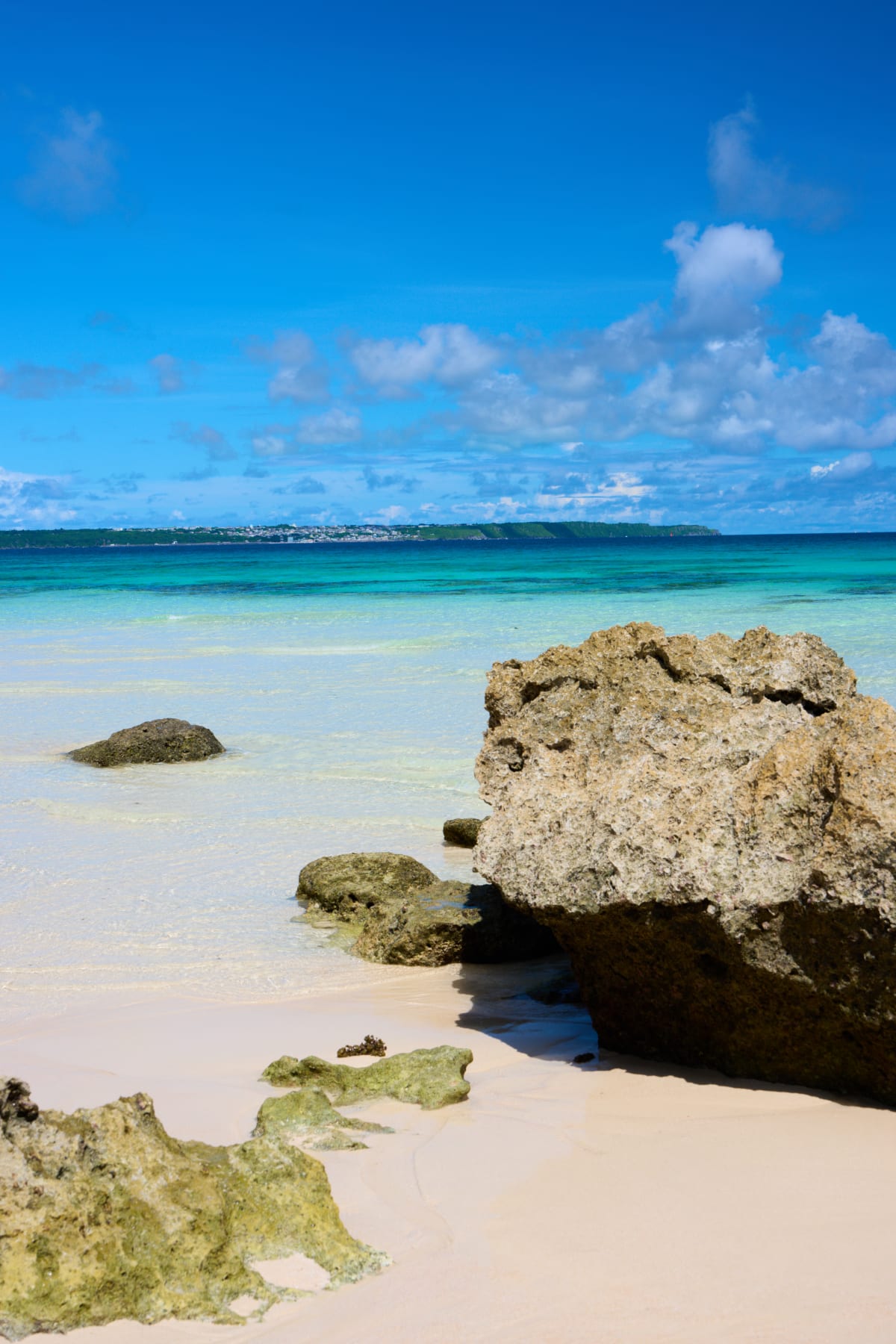
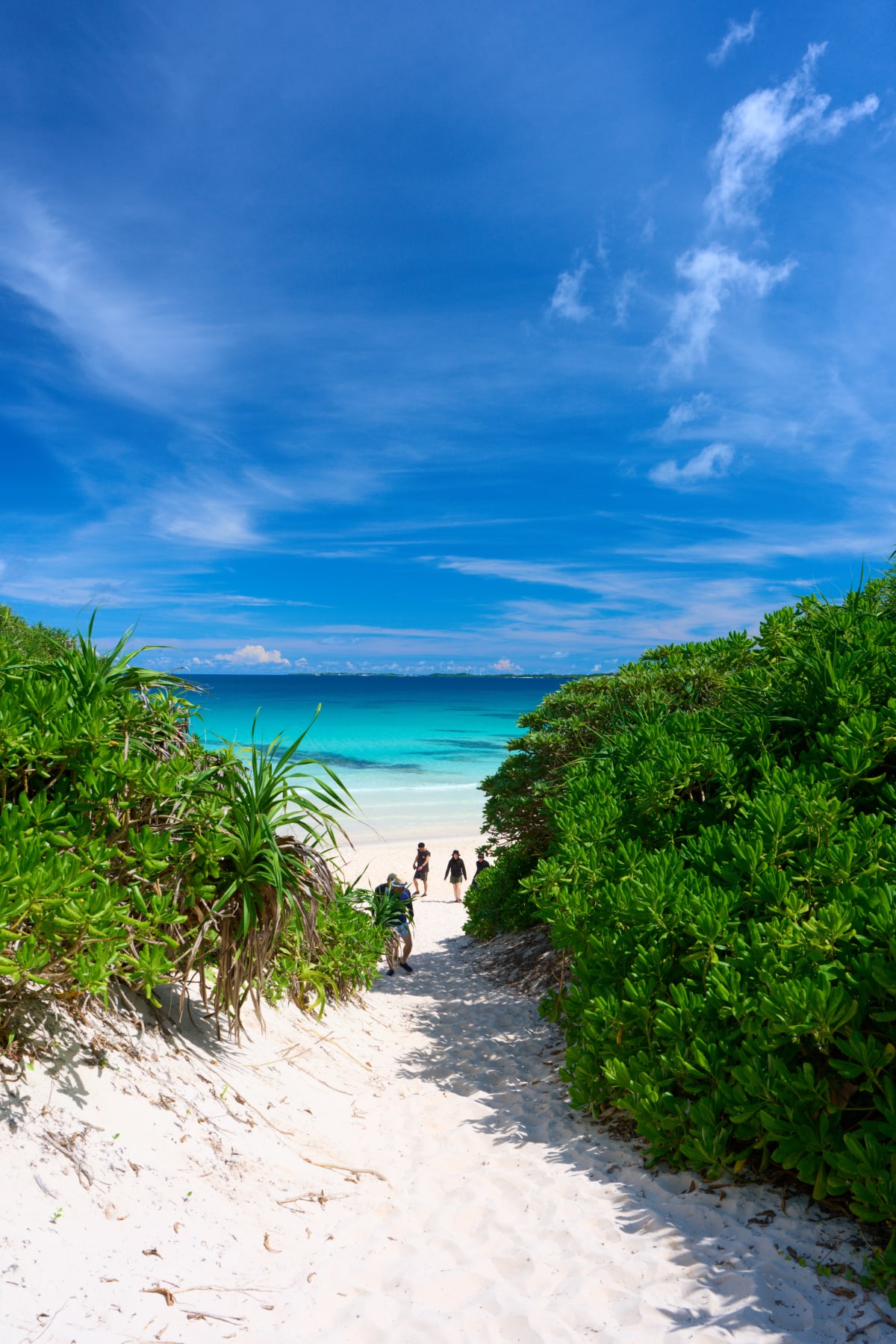
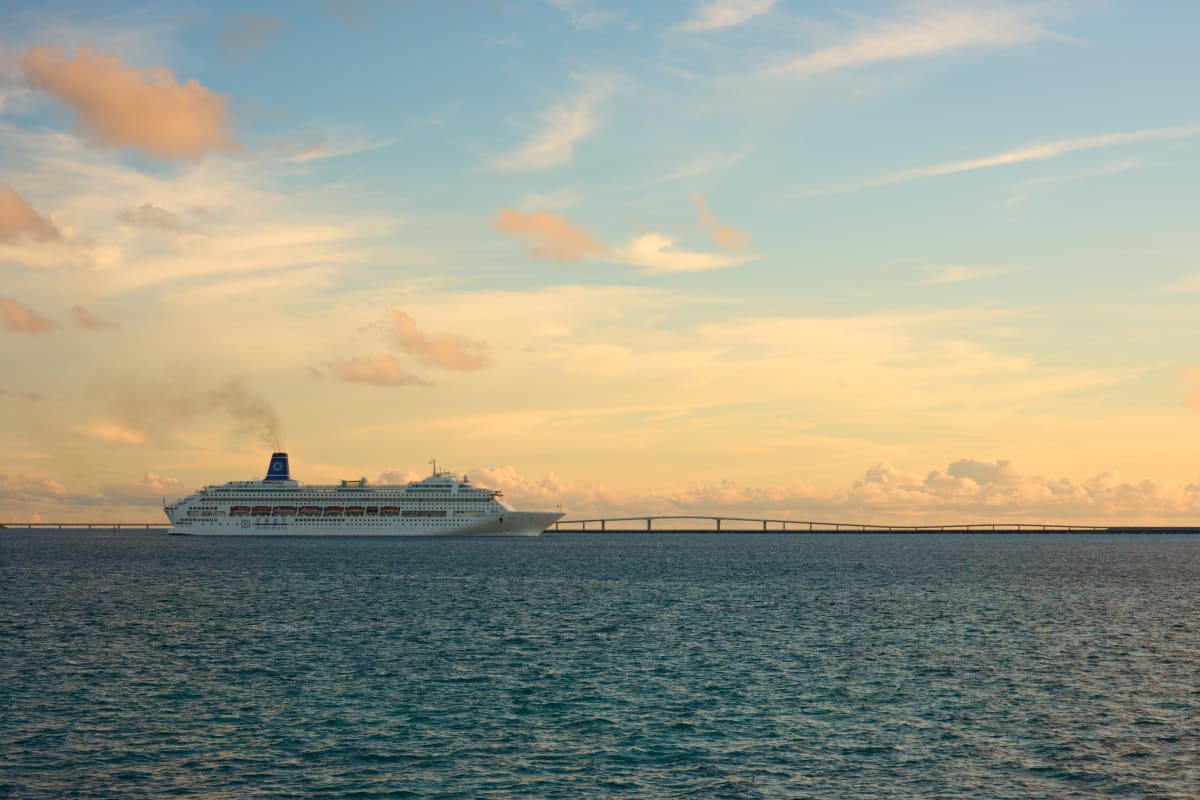
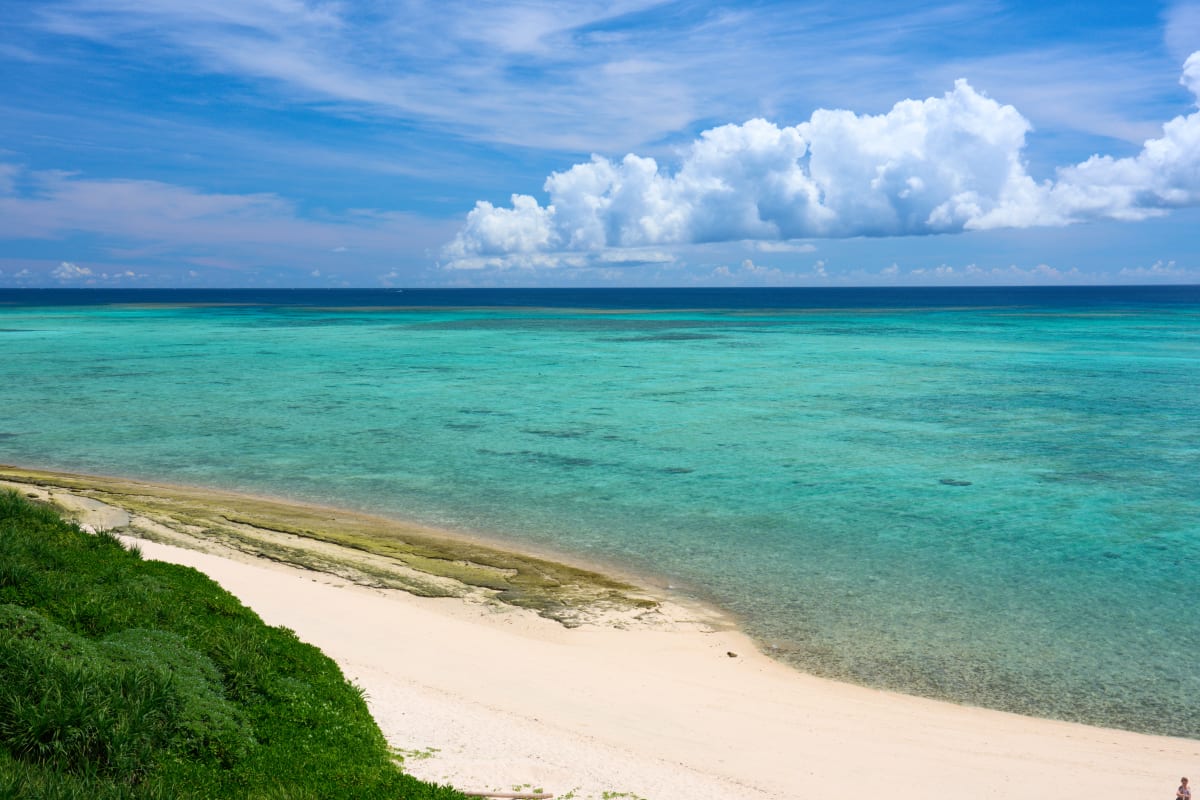
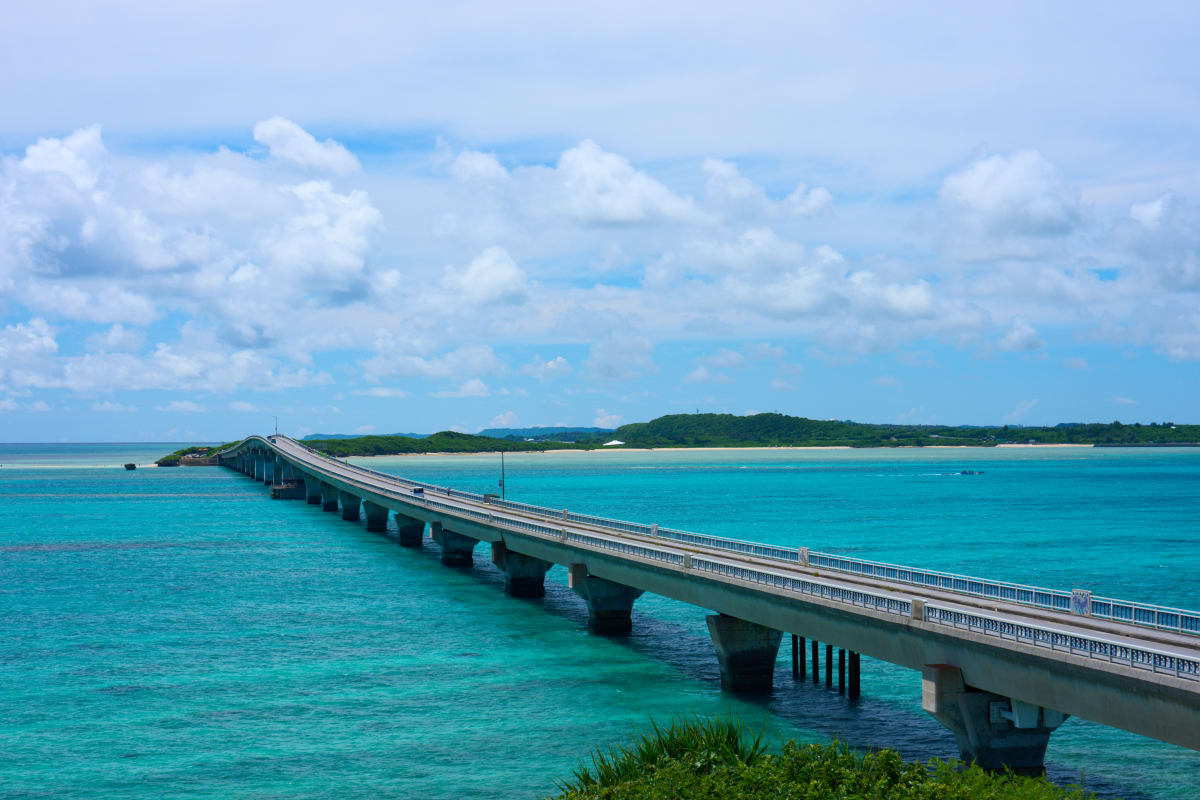
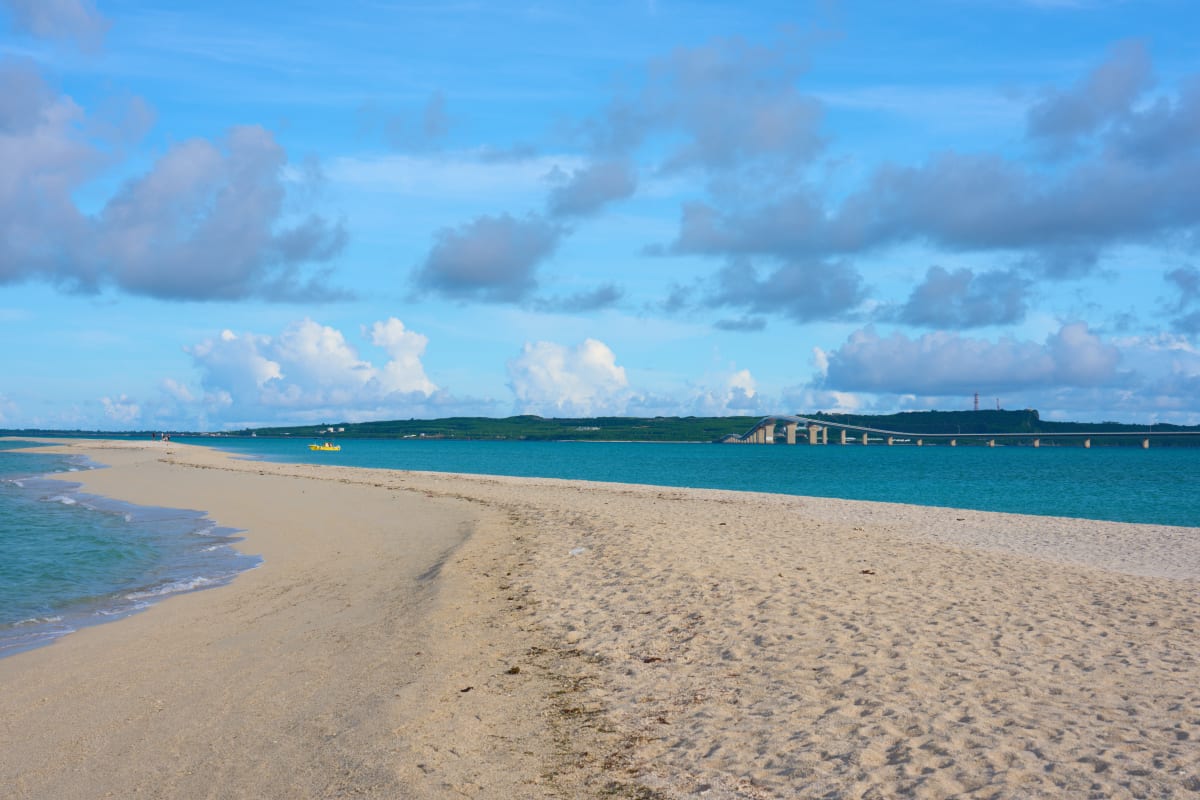
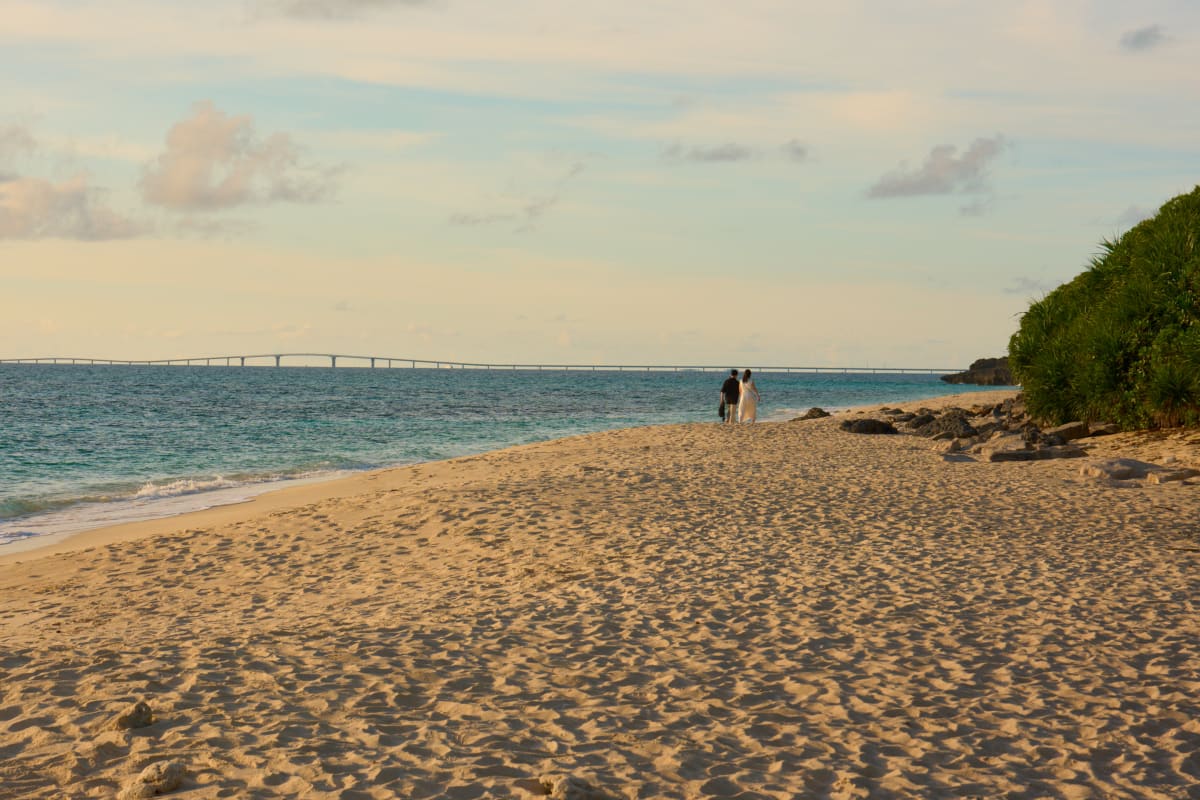
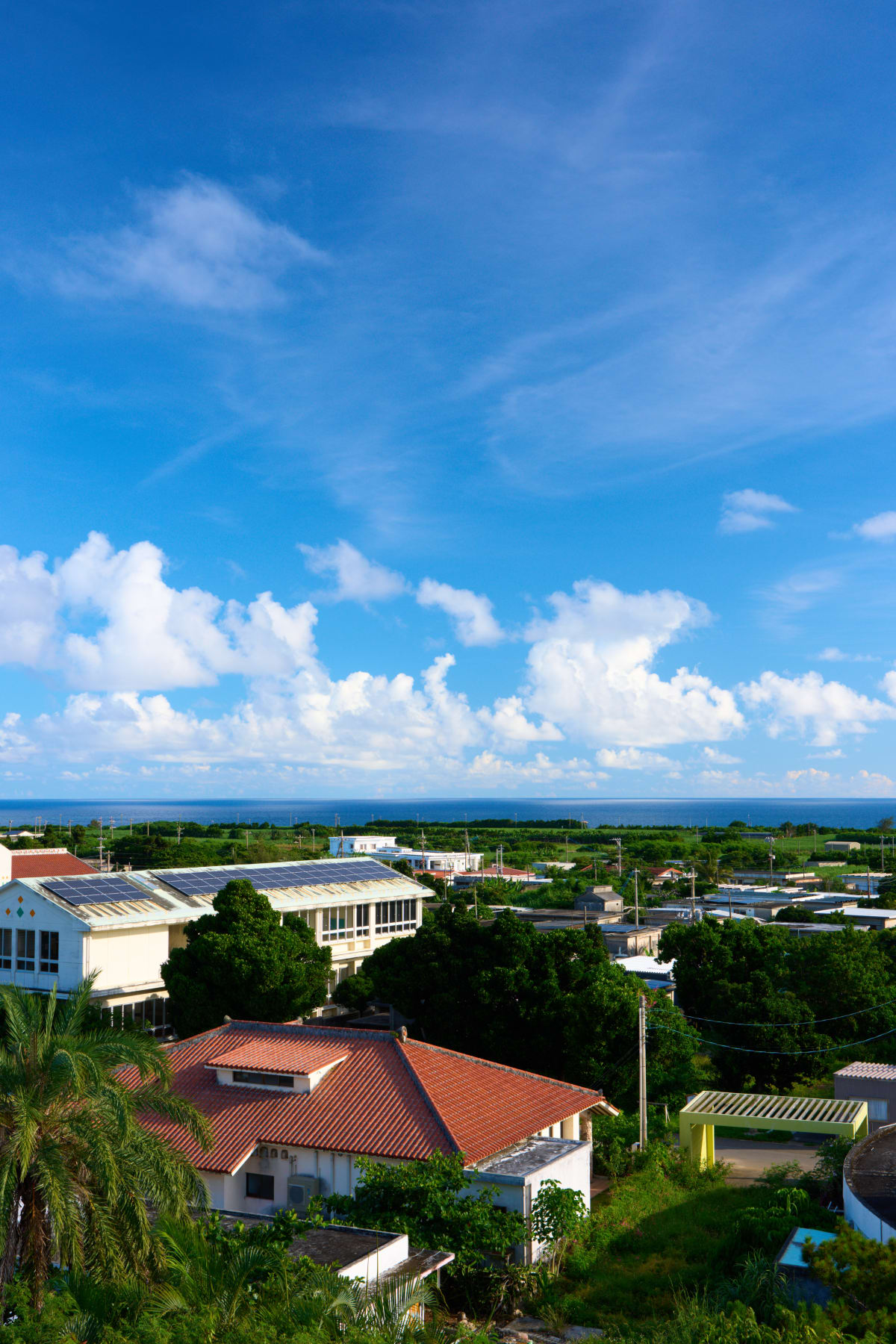
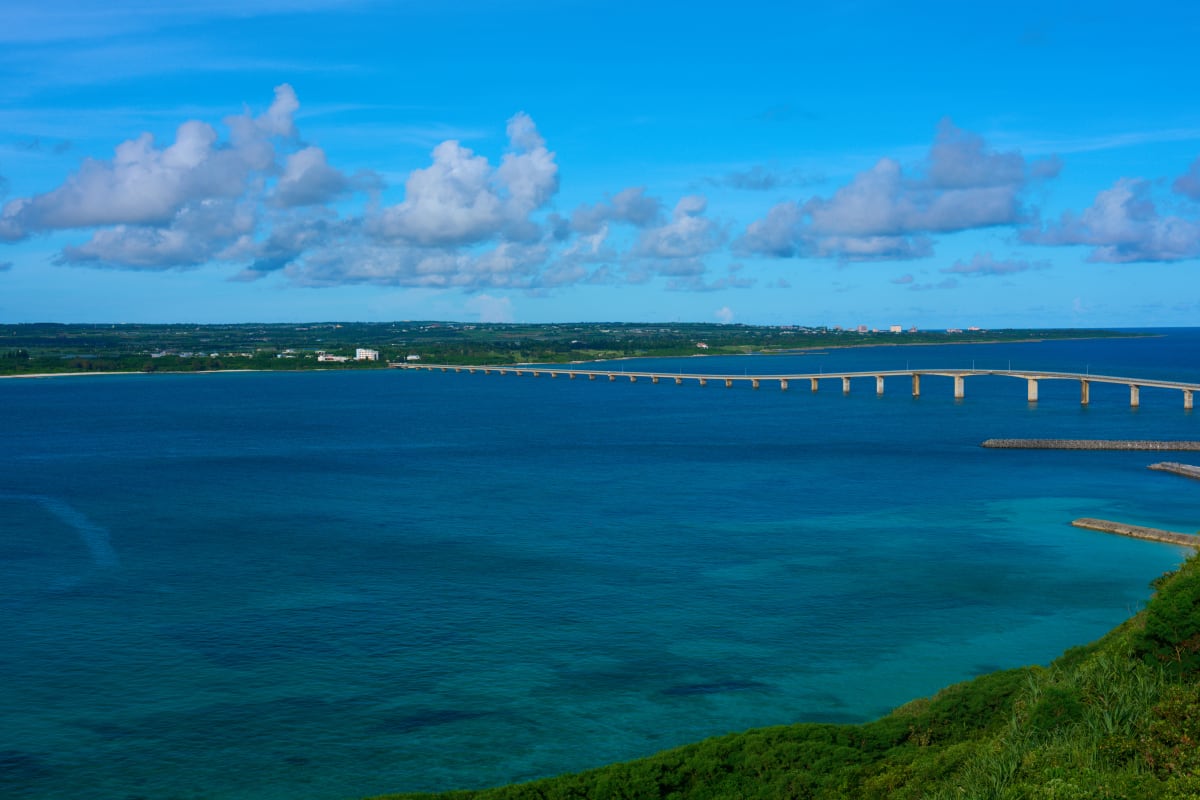
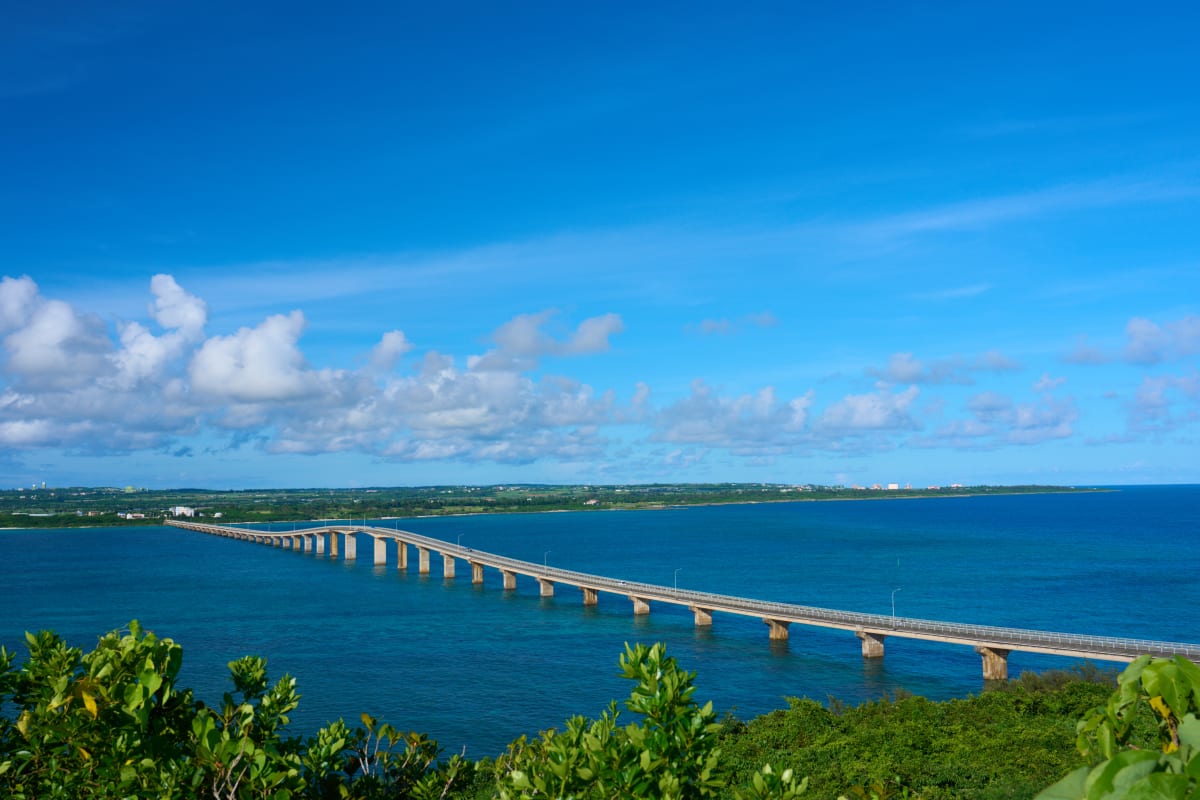
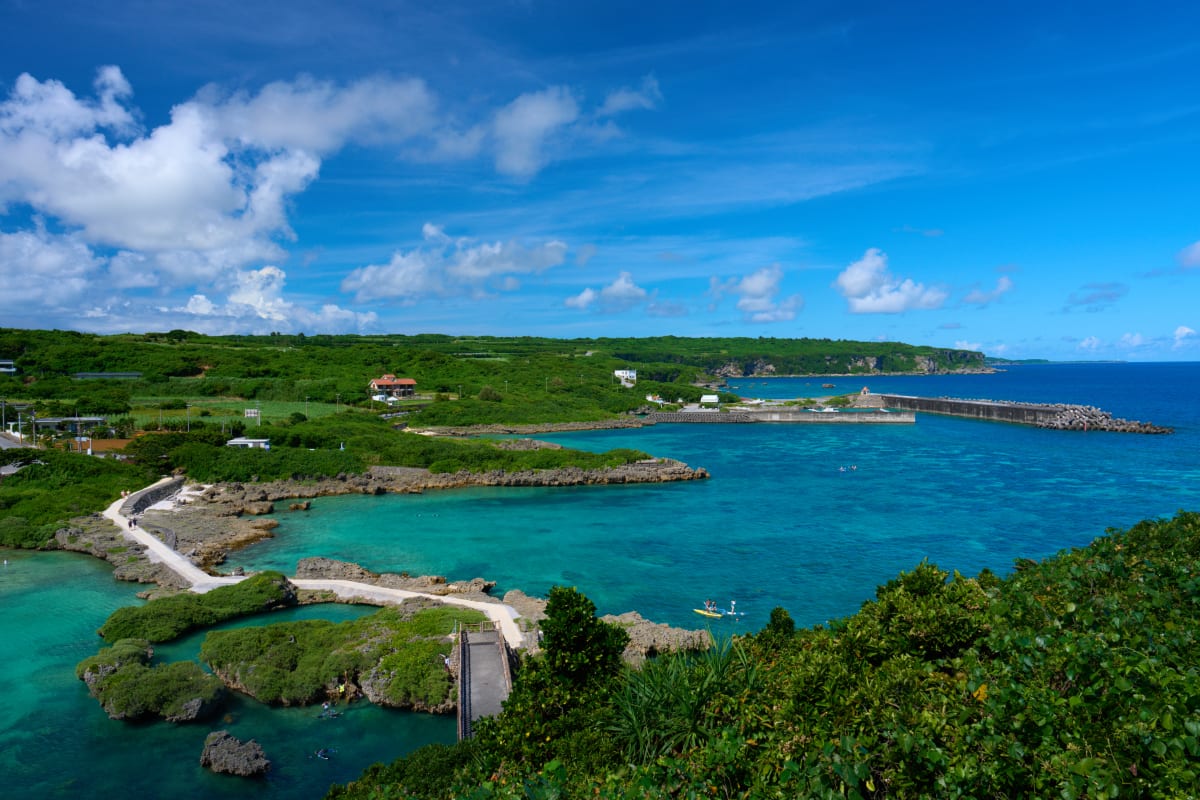
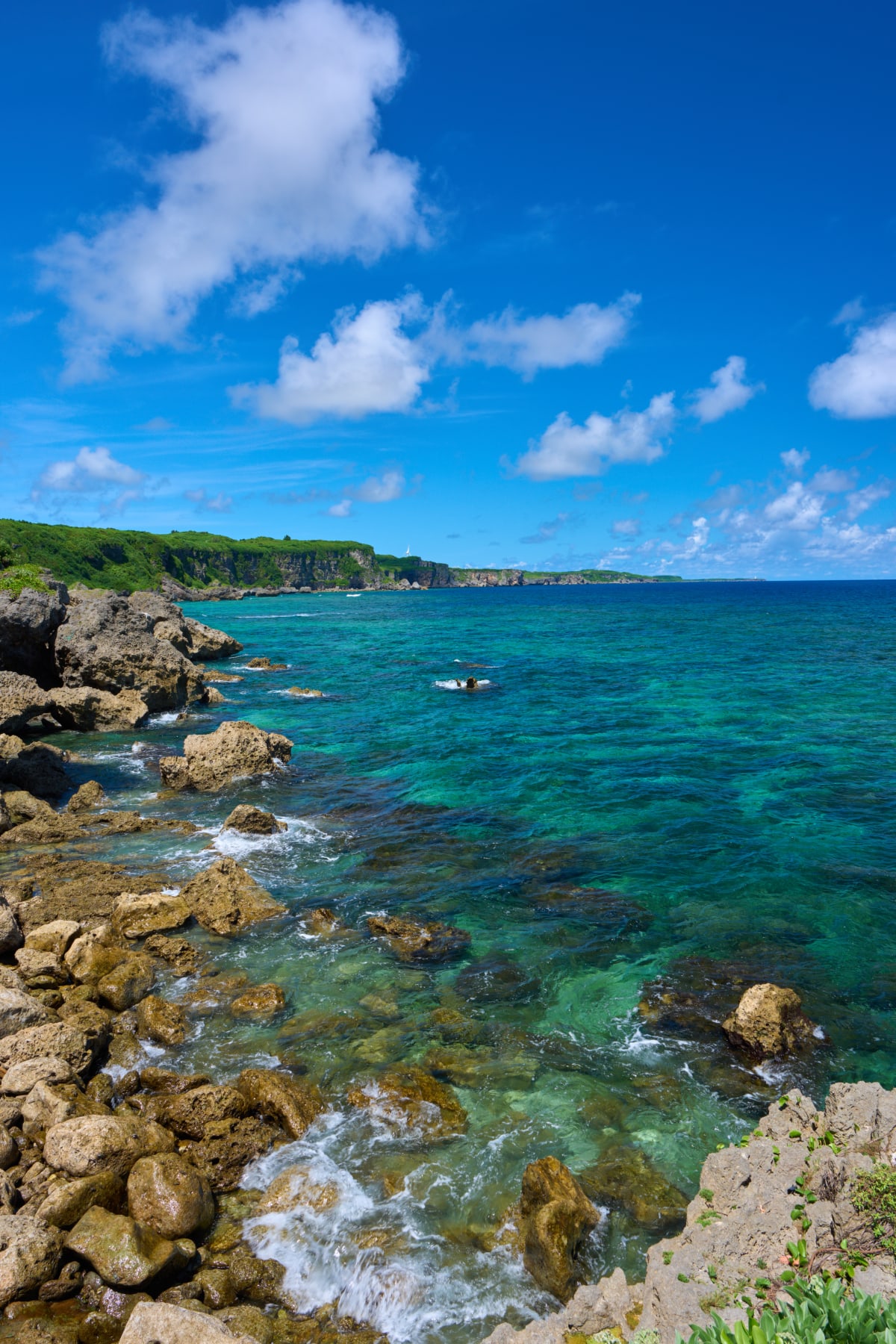
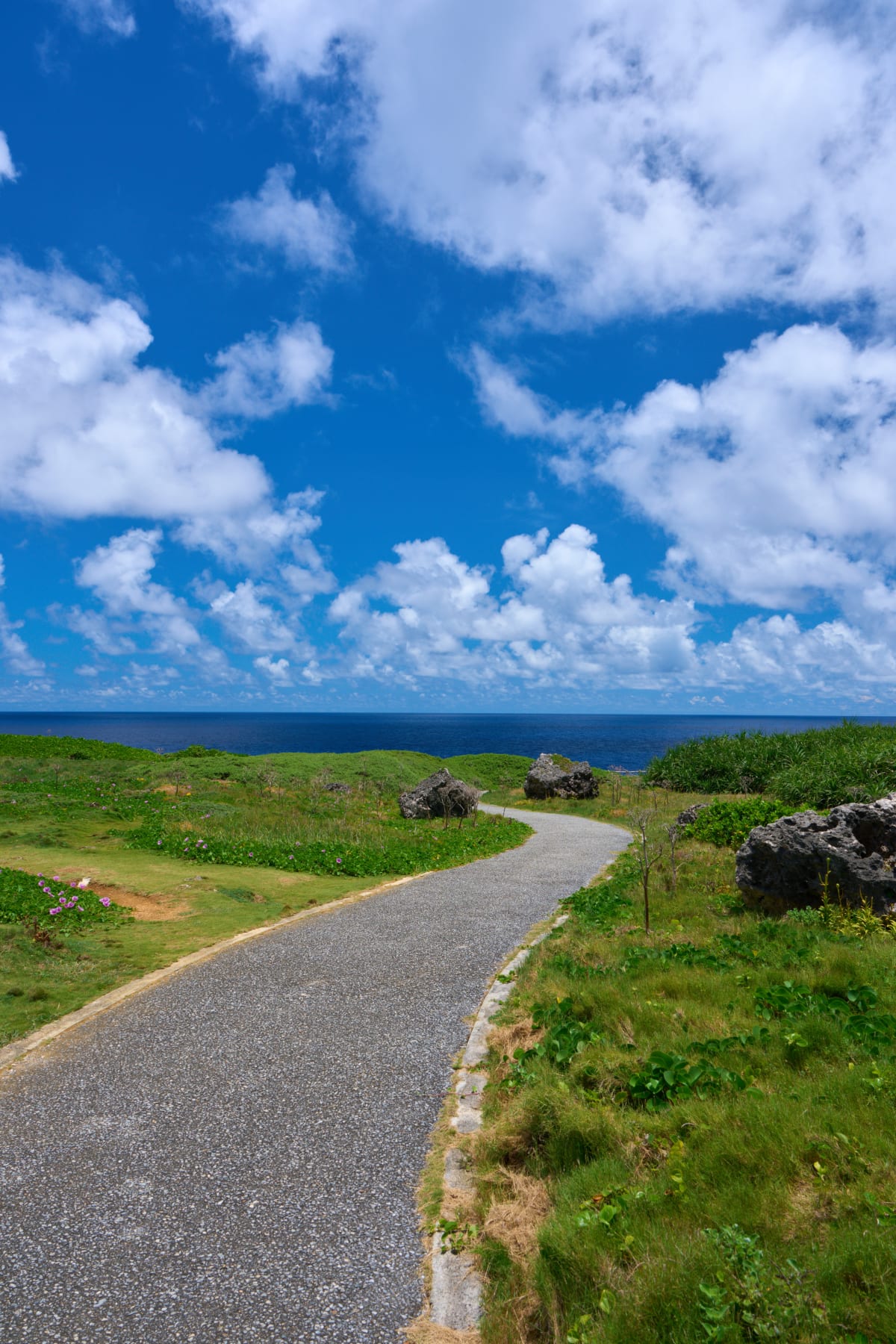
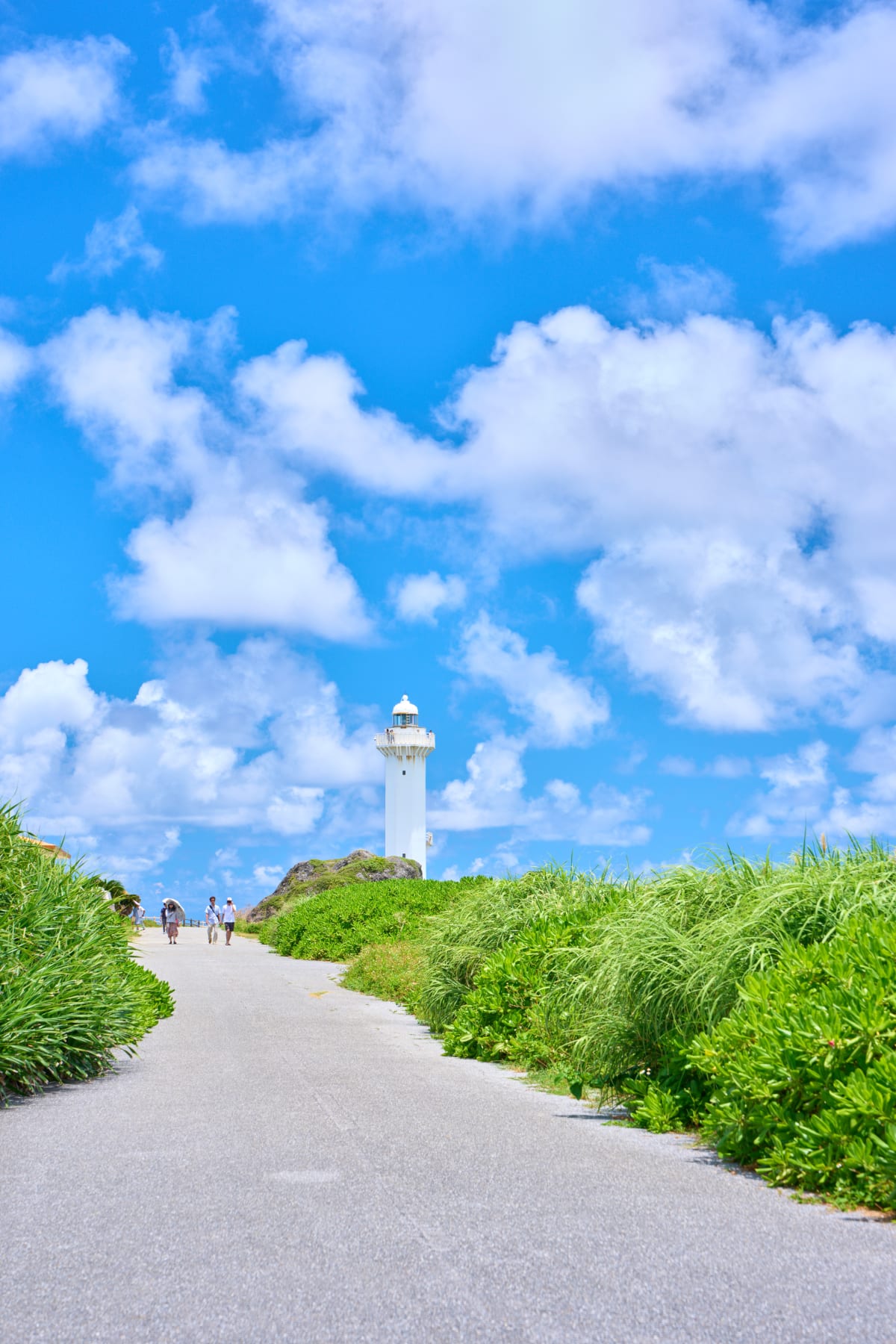
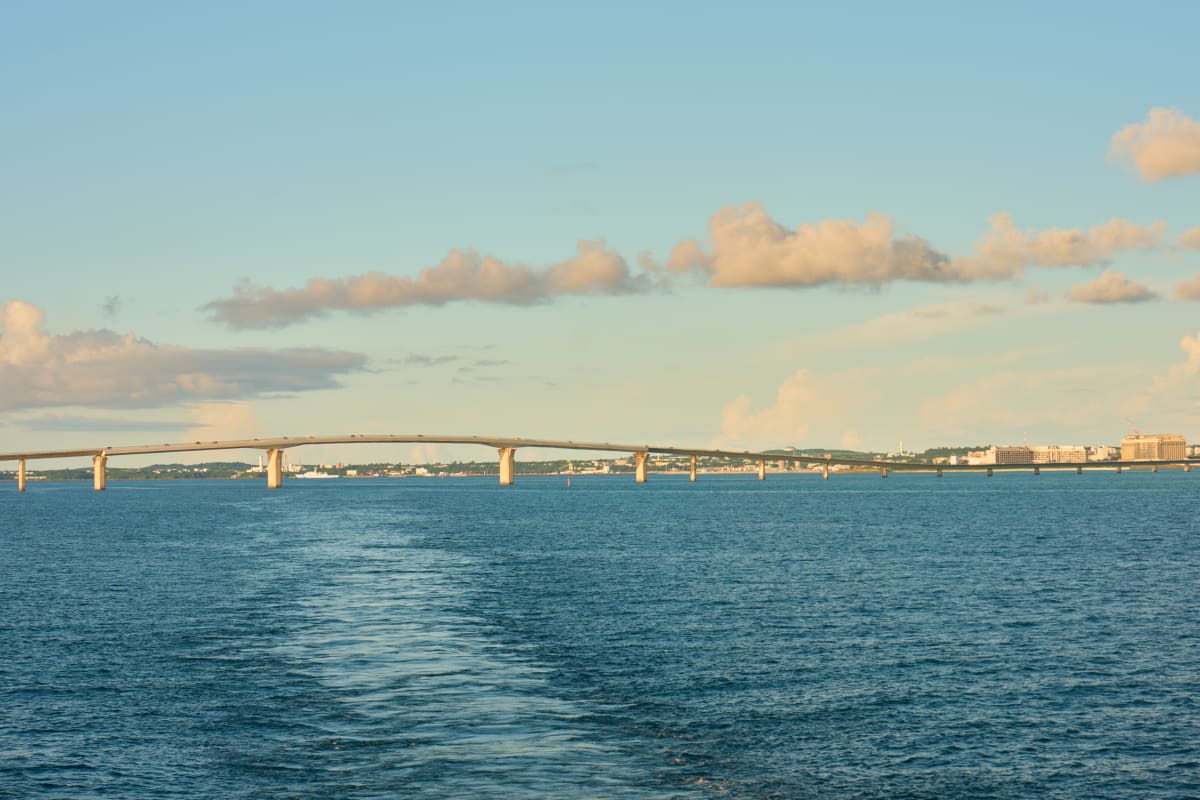
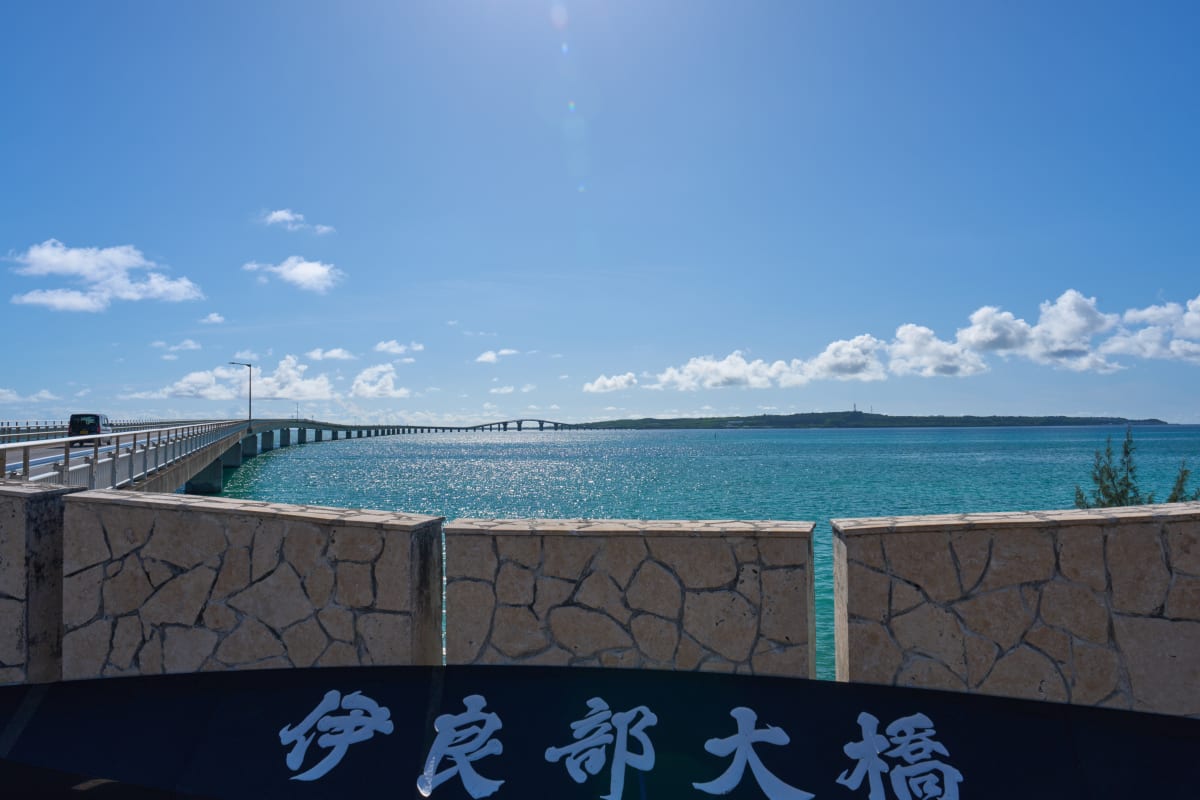
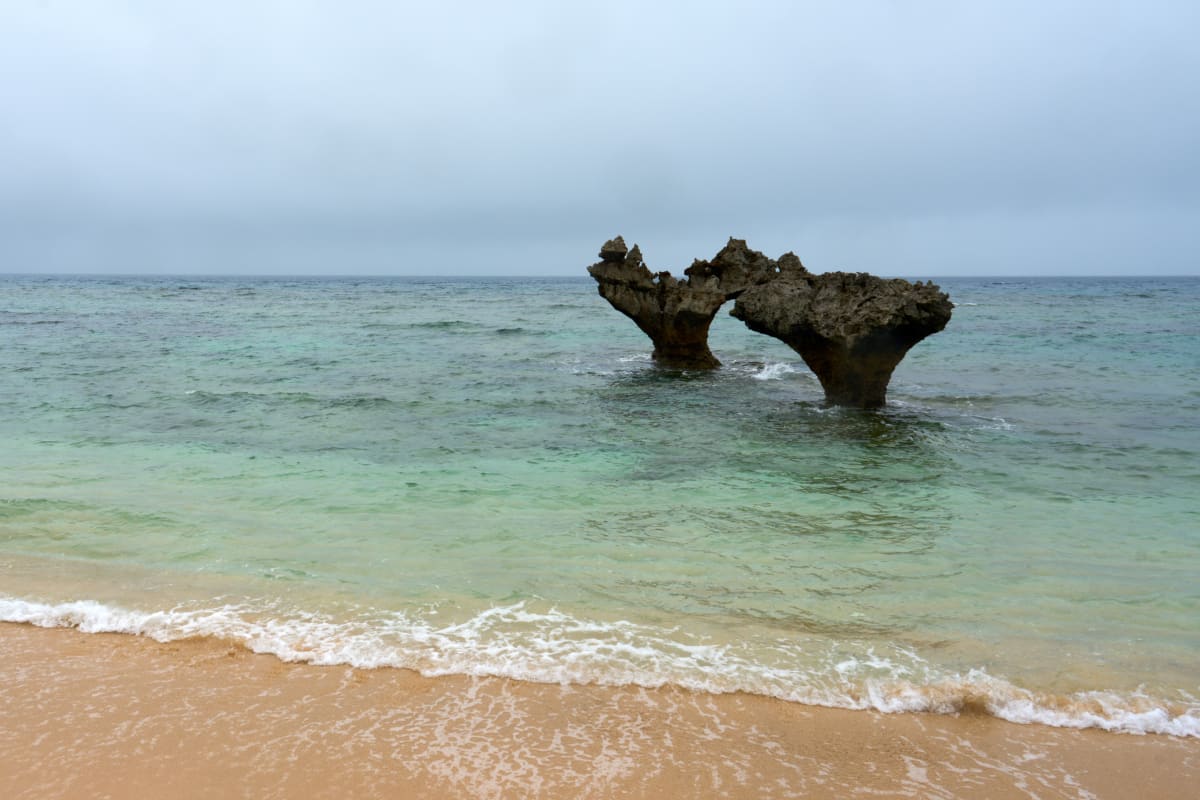
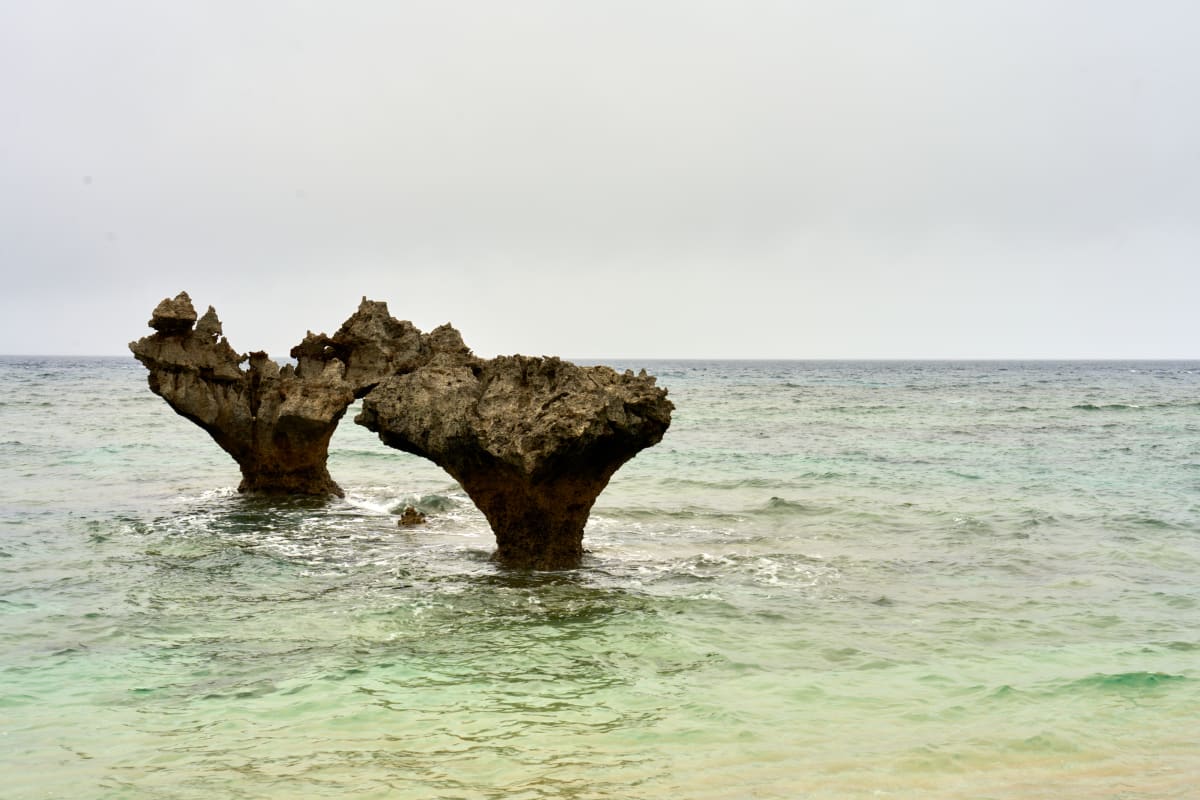
Japan's coastlines. Chichibugahama's sunset reflections (the «Uyuni of Japan»), Katsurahama beach watched by Sakamoto Ryoma's statue, the «Miyako Blue» of Miyakojima and Okinawa's reefs, the torii and sunrise at Meoto-iwa, Naruto's whirlpools, and the Shimanami Kaido bridges — from Pacific to East China Sea.
फोटोग्राफी गाइड
सबसे अच्छा मौसम
Okinawa/Miyakojima: April–June and October–November (avoid monsoon and typhoons). Chichibugahama: April–September for best sunsets. Meoto-iwa summer-solstice sunrise: May–July only. Naruto whirlpools: spring/autumn ohshio (great tide). Winter sharpens horizons even on Pacific coasts.
सबसे अच्छा समय
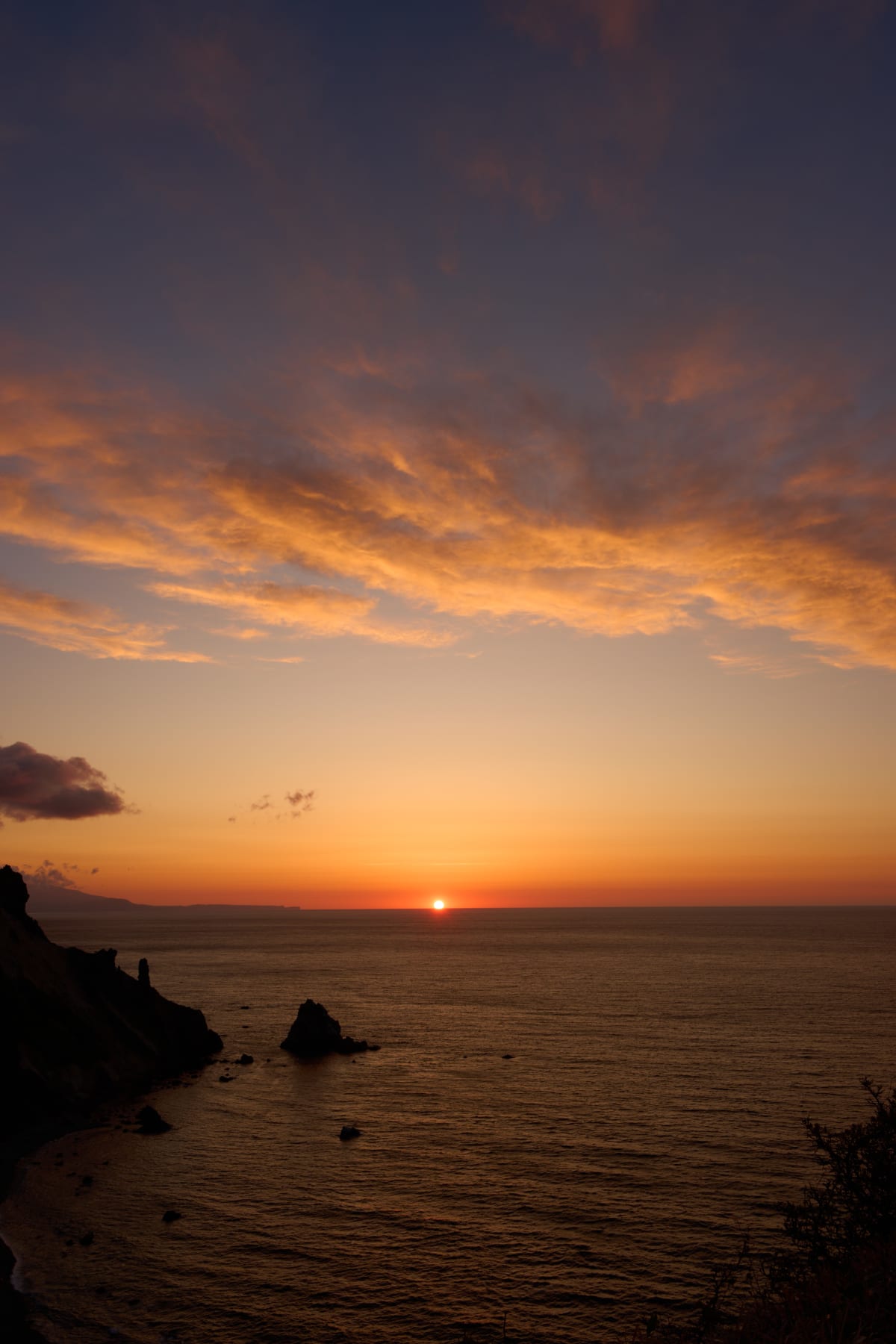
Sunrise and sunset are critical. Chichibugahama: 30–40 min before sunset at low tide with no wind for mirror reflections. Meoto-iwa: summer solstice ±3 days for sun centered between rocks. Naruto: ±1 hour from peak high or low tide. Coastal magic hour (blue hour) — 20–40 min after sunset is most magical.
तकनीक
Sea reflections — keep or cut, your choice. CPL kills reflection; ND enables long exposure (silken waves). Wide-angle for dynamic-range sky+sea+foreground three-layer; telephoto compresses islands, rocks, boats. HDR balances bright sky and dark foreground. Tripod essential.
उपकरण
Tripods need stability against wind and waves — heavy tripod + windbreak stone. ND filters (8–400) for long exposure; graduated ND for sky balance. CPL for polarization. Salt-water care: rinse camera and tripod with fresh water or salt-removal wipes after each shoot. Rain cover essential.
व्यावहारिक सुझाव
Chichibugahama is shootable only on days when low tide and sunset coincide. The tourist board publishes a tide+sunset calendar — check it. Meoto-iwa's sun moves 2cm per day; summer solstice ±3 days centers it. Naruto whirlpools — check the bridge company's prediction site. Okinawa typhoon season (Jul–Oct) carries weather risk.