साप्पोरो बर्फ़ महोत्सव
होक्काइदो· Sapporo Snow Festival
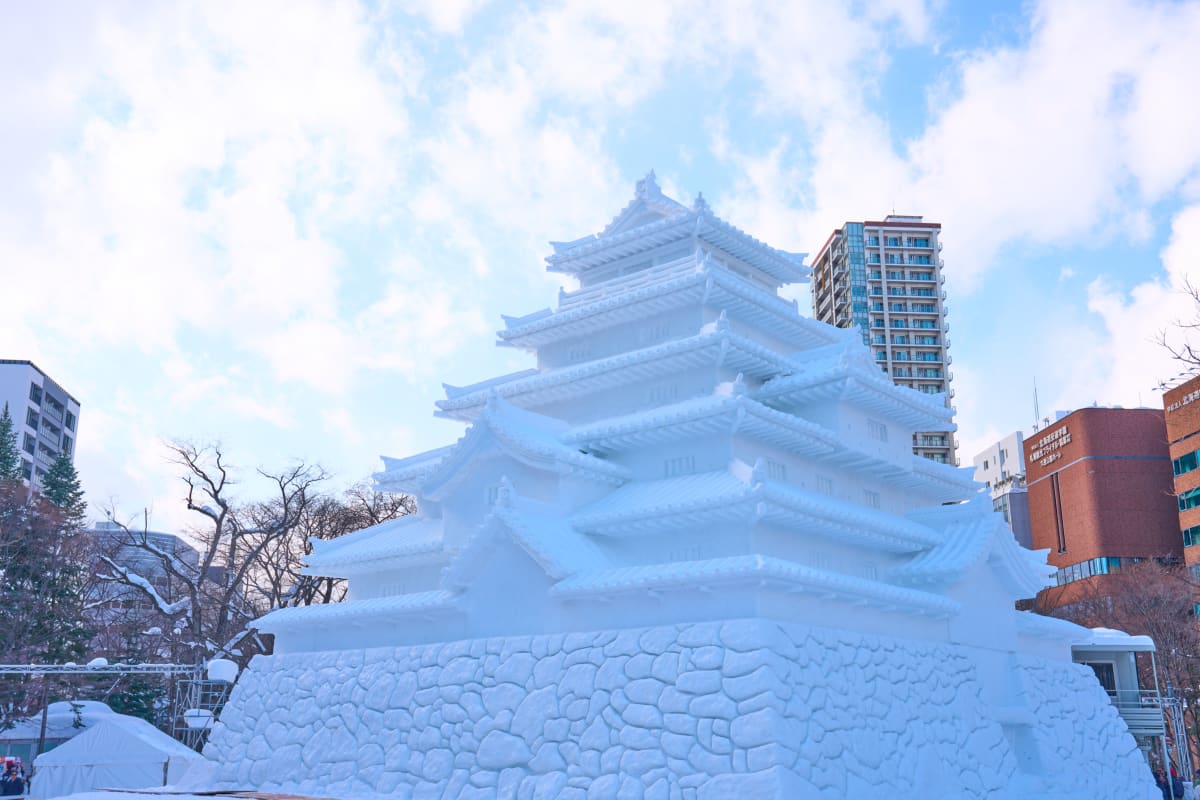
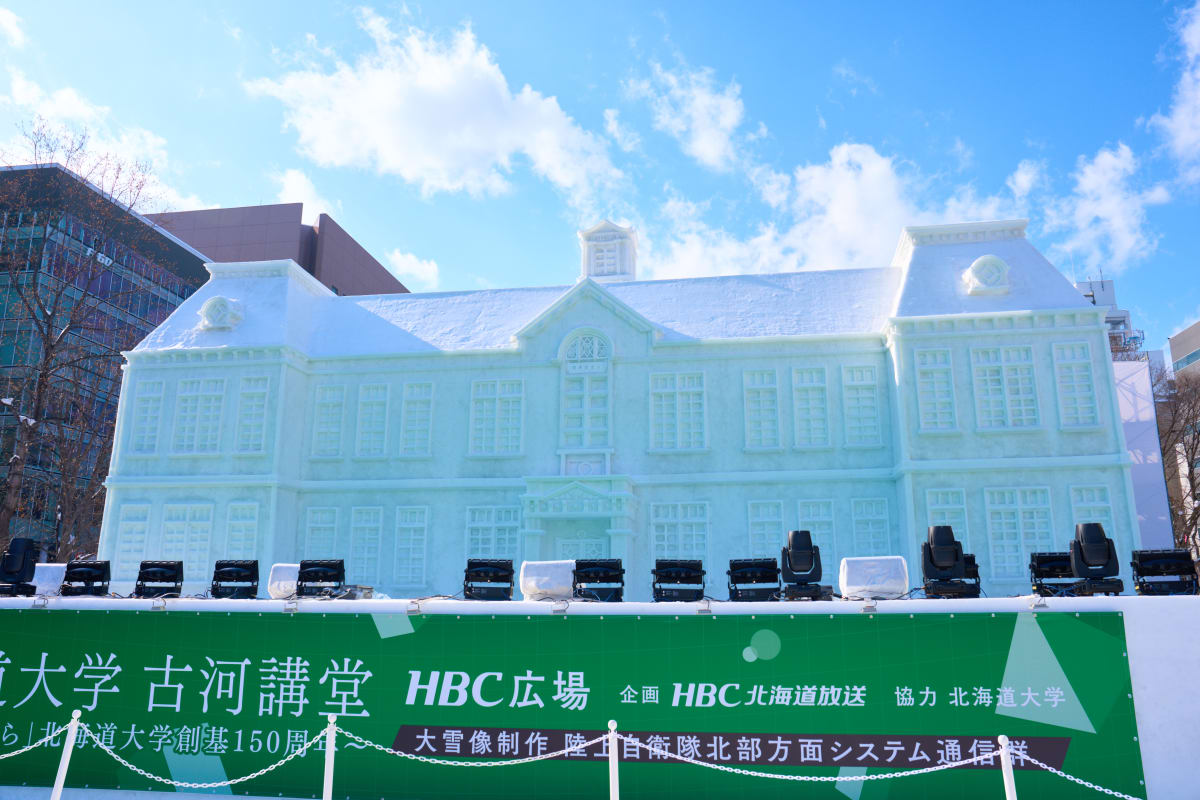
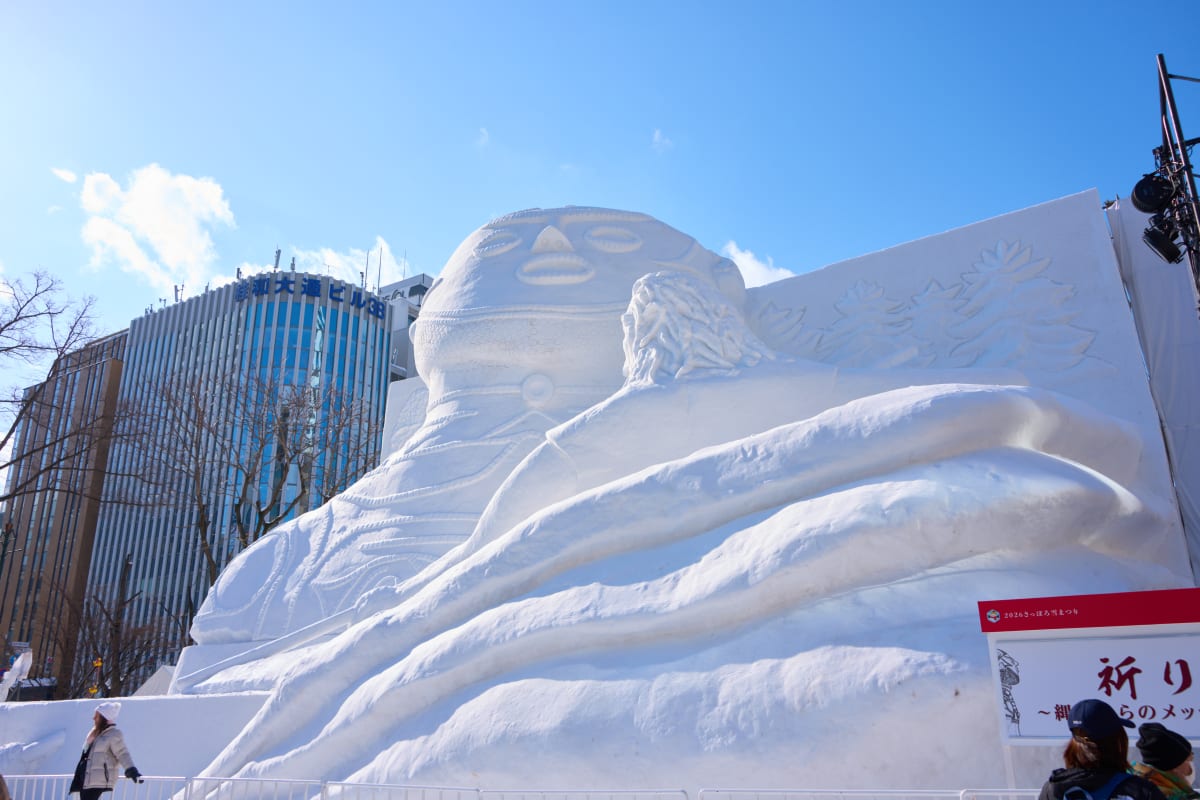
The Sapporo Snow Festival is held over about a week in early February each year across three Sapporo venues — Odori Park, Susukino, and Tsudome — and is Japan's largest winter event. It began in 1950 when six local middle and high school students built six snow sculptures in Odori Park; today it draws over 2 million visitors from around the world. Highlights include massive snow sculptures over 15 m built by the Japan Self-Defense Forces, citizen-made sculptures, the International Snow Sculpture Contest, ice carvings, evening projection mapping, and the snow activities at the Tsudome venue, transforming northern Sapporo into a «city of snow art» for one full week.
Highlights
- Odori Site (JSDF Sculptures) — over 15 m tall, taking the Self-Defense Forces about a month to build, modeled on famous landmarks worldwide
- International Snow Sculpture Contest — 11 countries and regions compete, completing sculptures in three days
- Evening Projection Mapping — 18:00–22:00, with dynamic light and music projected onto the giant sculptures
- Tsudome Venue — interactive snow festival with slides and blizzard experiences, popular with families
- Susukino Ice Festival — finely crafted ice sculptures by international artists, magically illuminated at night
Quick Answers
What is the Sapporo Snow Festival?
Japan's largest winter event, held over about a week in early February at three Sapporo venues (Odori Park, Susukino, Tsudome). Started in 1950 by six students, it now draws over 2 million visitors as a global festival, featuring snow sculptures over 15 m and stunning illuminations.
Best time to shoot the festival?
Illumination from sunset to 21:00 is most photogenic — use a tripod and low ISO to preserve snow texture. Daytime works against blue skies. After lights-out at 22:00, you can photograph the sculptures uncrowded — a hidden window.
When and where is it held?
About a week in early February each year (Feb 4–11 in 2025), at three venues: Odori Park (West 1 to West 12), Susukino, and Tsudome (Higashi Ward). Odori is the main site, accessed from Sapporo or Odori Stations. Crowds peak around sunset.
Is admission free?
All venues are free. Only the paid activities at the Tsudome venue (snow slides, etc.) cost extra. Projection mapping and ice-sculpture events are also free. Donations and festival merchandise help support operations.
Can I use a tripod?
Some areas at the Odori venue are tripod-restricted during peak crowds — follow staff direction. The Susukino ice-sculpture site allows tripods if you don't block walkways. Sculpture areas are off-limits late-night to early-morning, so that window isn't available. Bring a fast lens and high-ISO camera for handheld work.
What should I wear for the cold?
Sapporo's February average lows are -7°C, with night temps below -15°C. Outdoor stays should stay 1–2 hours. Heat-tech base + sweater + down + waterproof shell, plus scarf, ear muffs, and waterproof gloves are essential. Phones drain fast — keep spare batteries and power banks in inner pockets.

Practical Information
- Access
- Sapporo Subway «Odori» station (Odori venue) or «Susukino» (ice carvings).
- Parking
- Public transit recommended; surrounding paid lots fill up.
- Admission
- Free viewing.
- Duration
- 4-5 hr to cover all venues.
- Best Time
- Early February, post-sunset to 21:00 illumination.
More in होक्काइदो
Related Content
Photography Techniques
Collections & Tags