Tokyo
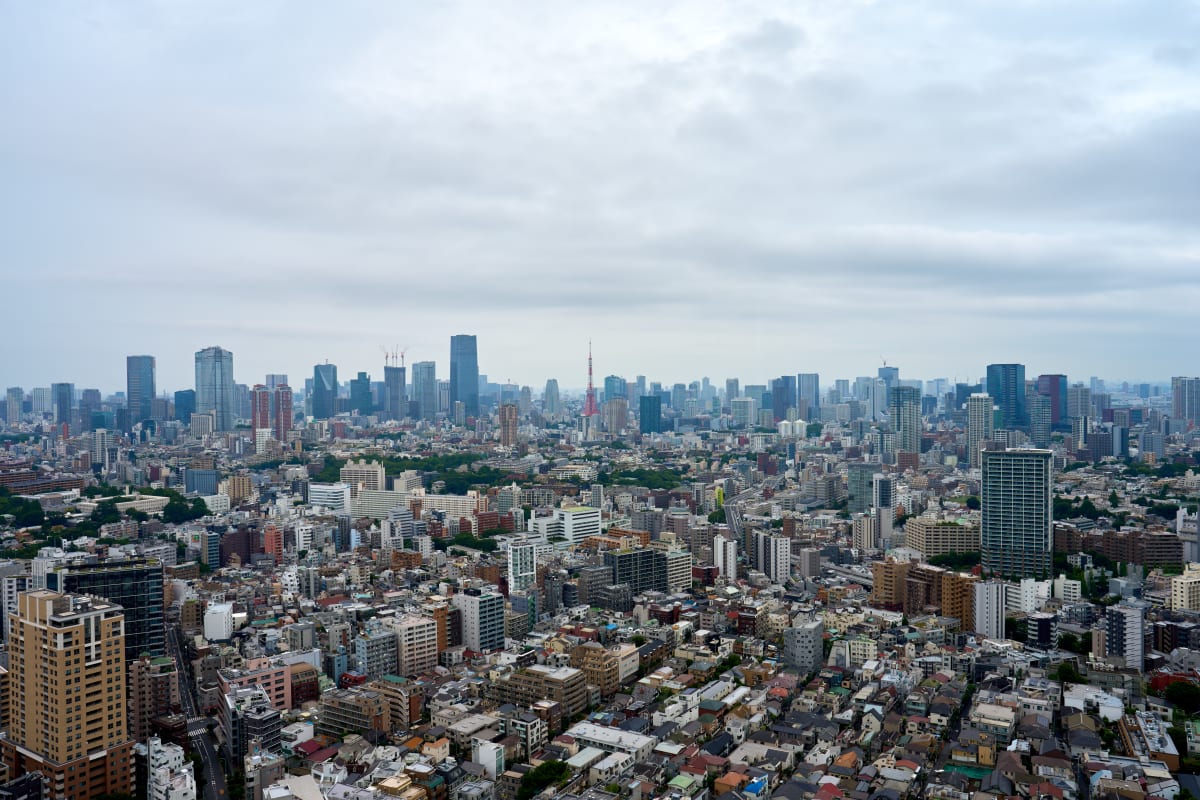
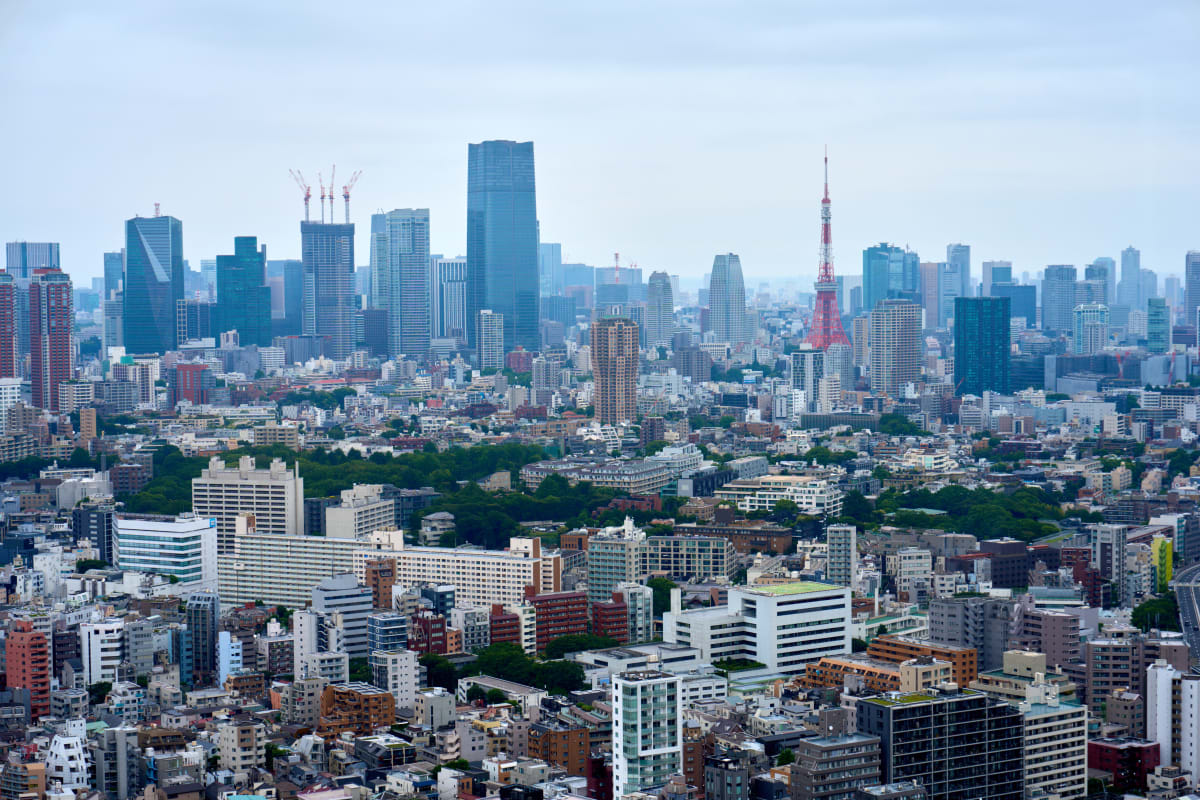
Tokyo is Japan's capital and one of the world's largest megacities, with 14 million residents in the prefecture and 38 million across the metropolitan area. It blends 400 years of history since the establishment of the Edo shogunate in 1603 with the high-rise skylines of Shinjuku, Shibuya, and Tokyo Station. Shrines, the Imperial Palace's four seasons, bay-side nightscapes, and the contrast of underground arcades and skyscrapers offer endlessly shifting subjects.
Highlights
- Shinjuku, Shibuya, and Tokyo skyscrapers — Tokyo Metropolitan Government observatory, Shibuya scramble crossing, and Marunouchi nightscapes rival any global city
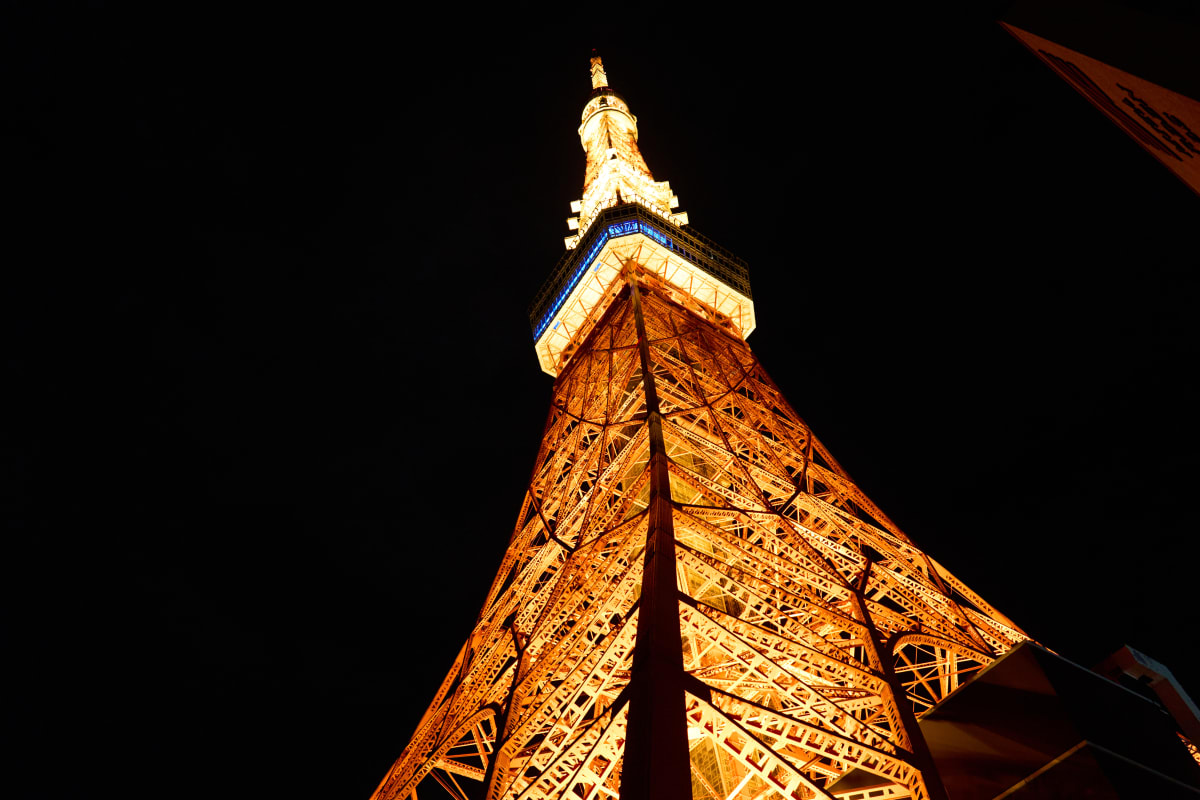
- Tokyo Tower and Skytree — the 333 m red tower and the 634 m broadcasting tower (world's 3rd tallest) with seasonal illumination changes
- Imperial Palace and Chidorigafuchi — green oasis around the former Edo Castle, Tokyo's #1 cherry blossom spot in spring
- Asakusa and Ueno — Kaminarimon gate, Nakamise shopping street, Sensoji temple, plus Ueno Park's cherry blossoms and Ameyoko market
- Odaiba and Toyosu — Rainbow Bridge and the bay-side district, exceptional nightscapes and blue-hour photography
Quick Answers
What is Tokyo?
Japan's capital with about 14 million residents, one of the world's largest megacities. It combines 400 years of Edo-era heritage with cutting-edge skyscrapers, offering endless variety from shrines and palace seasons to bay-side nightscapes.
When is the best season to photograph Tokyo?
Cherry blossoms late March to early April, autumn colors late November to early December, and nightscapes year-round (clearer in winter). Rare snow occasionally transforms central Tokyo into a unique subject.
What are tips for Tokyo night photography?
Use a tripod, low ISO, and long exposure. Blue hour (30 min after sunset) balances sky and city lights best. Watch observatory closing times; rooftops require wind and cold gear.