المناظر الليلية
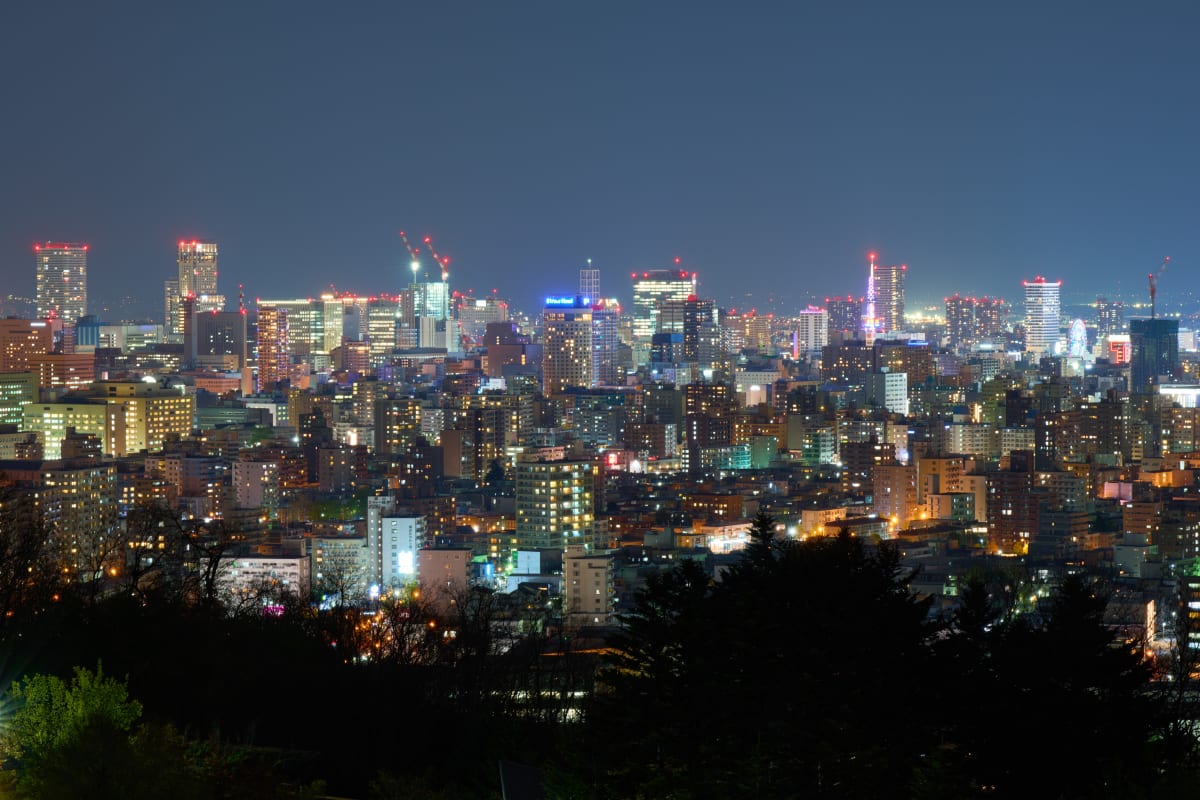
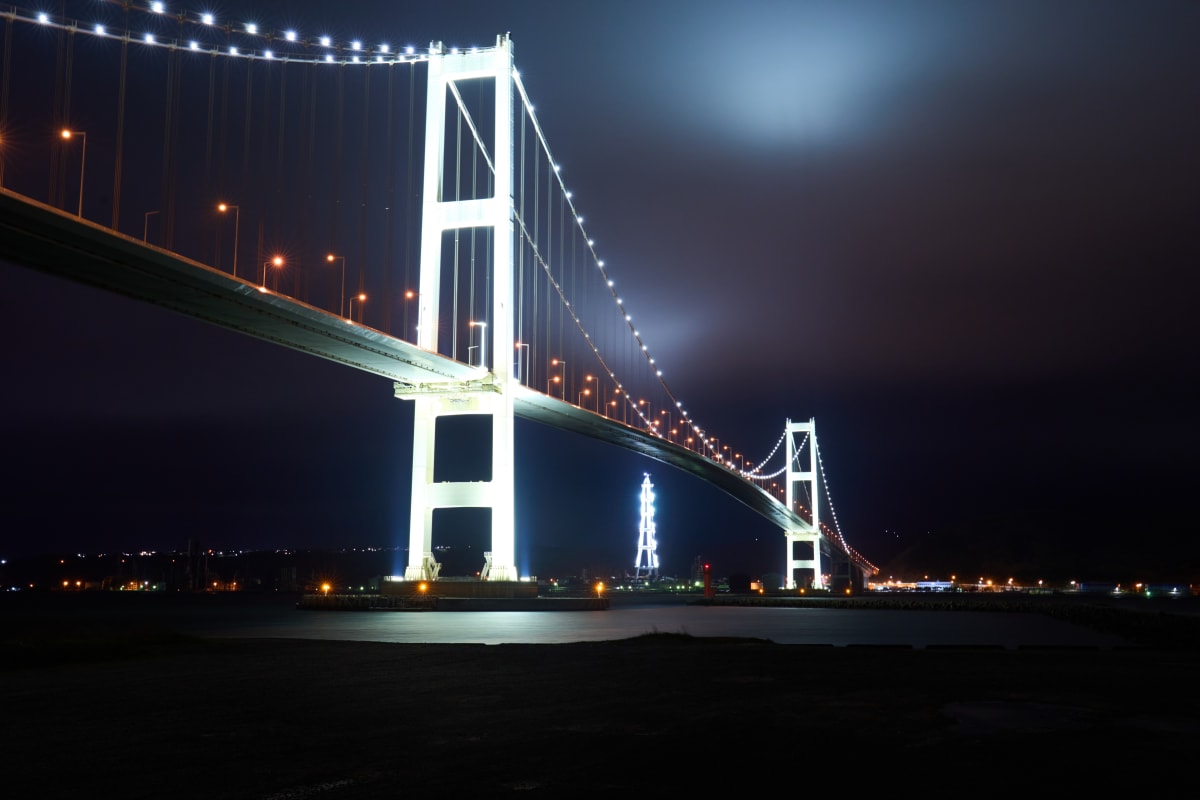
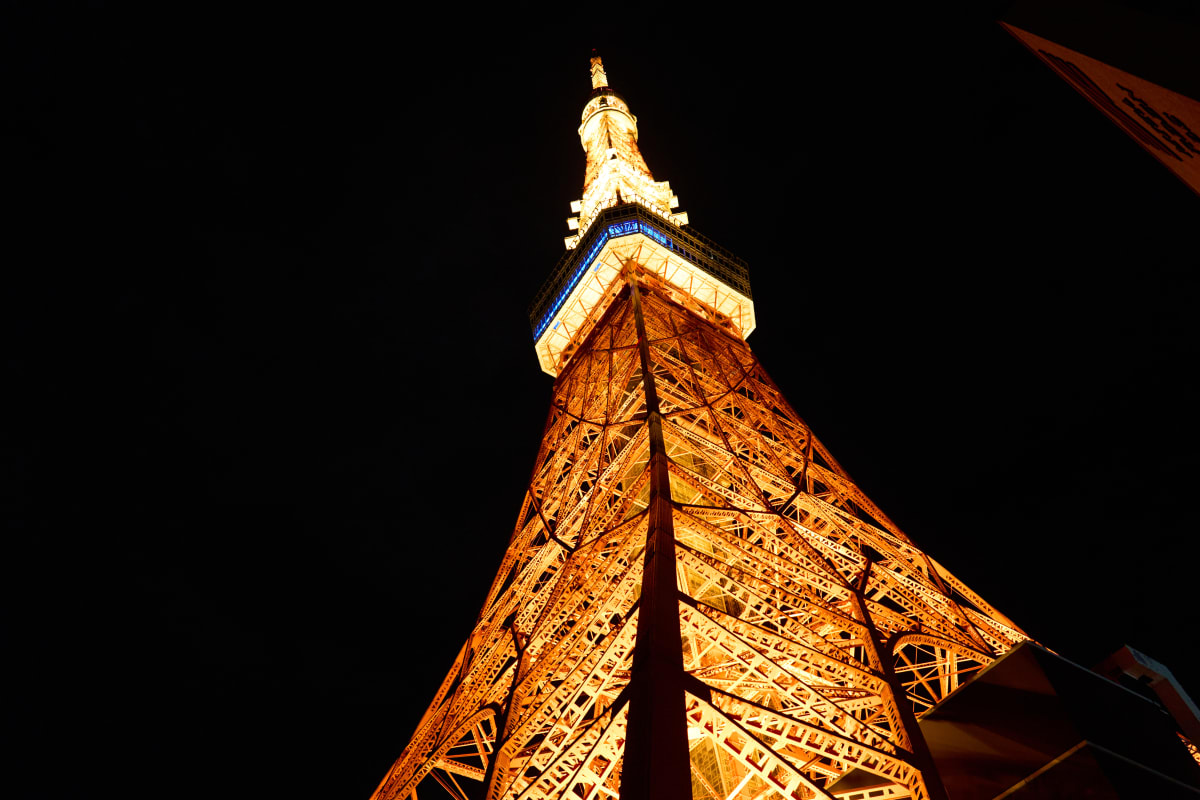
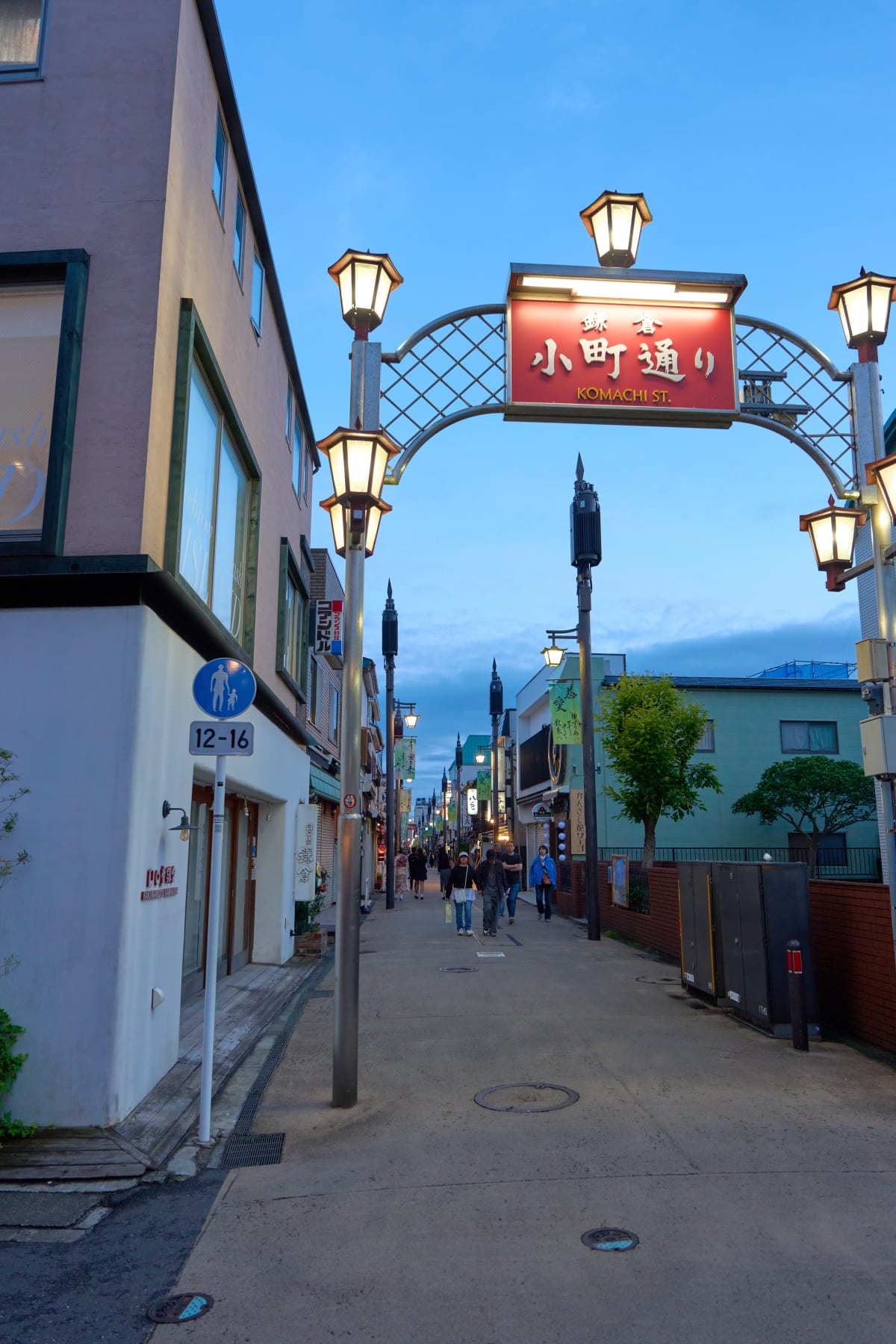
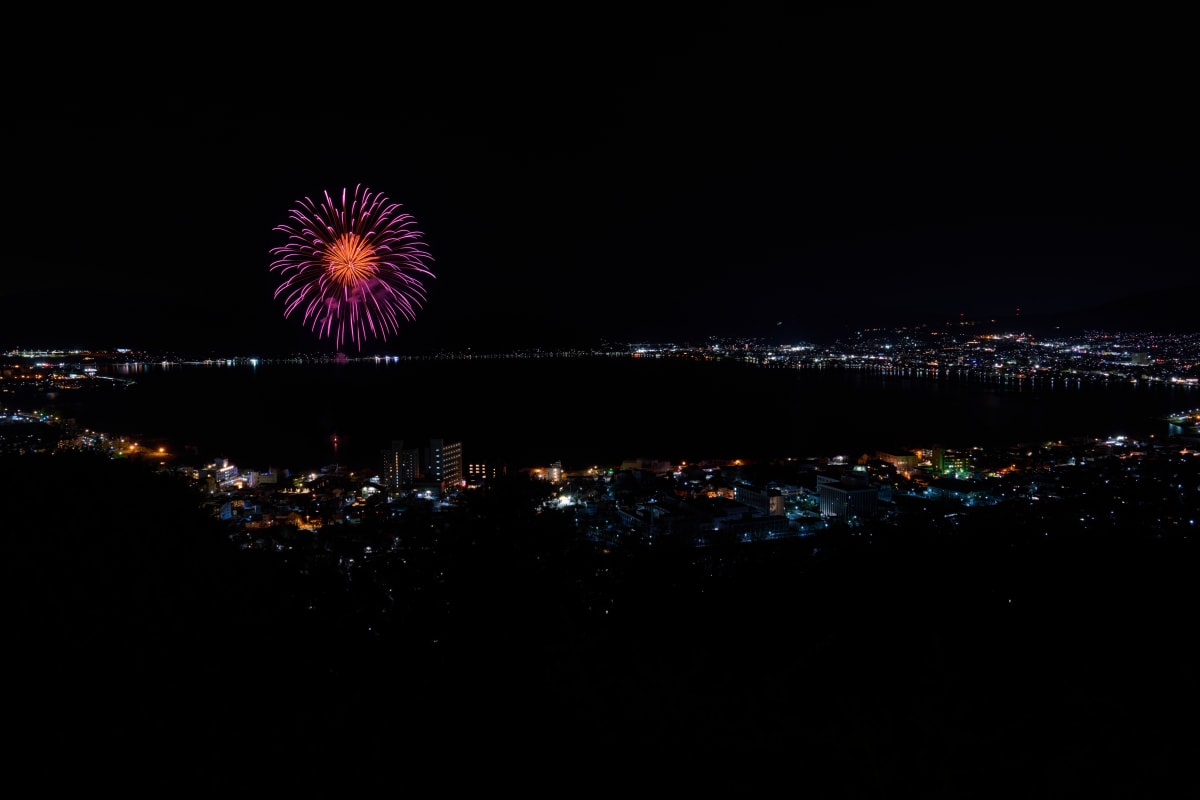
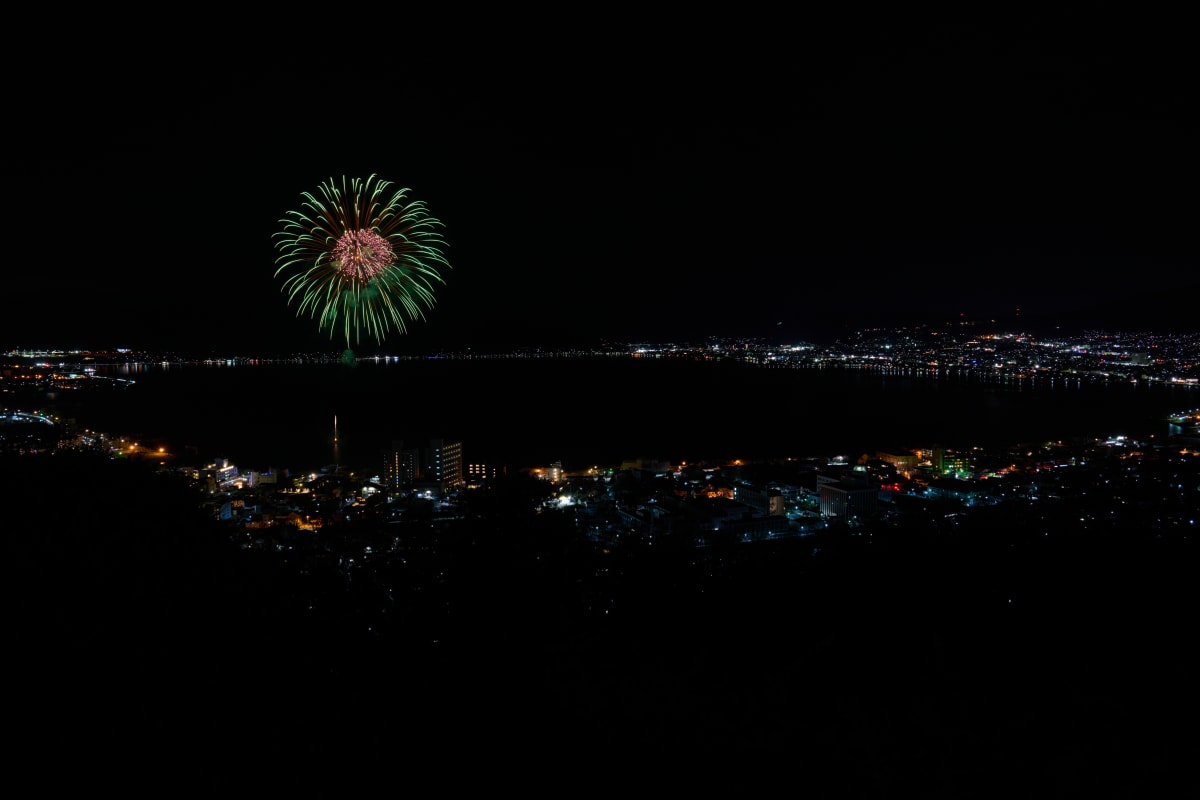
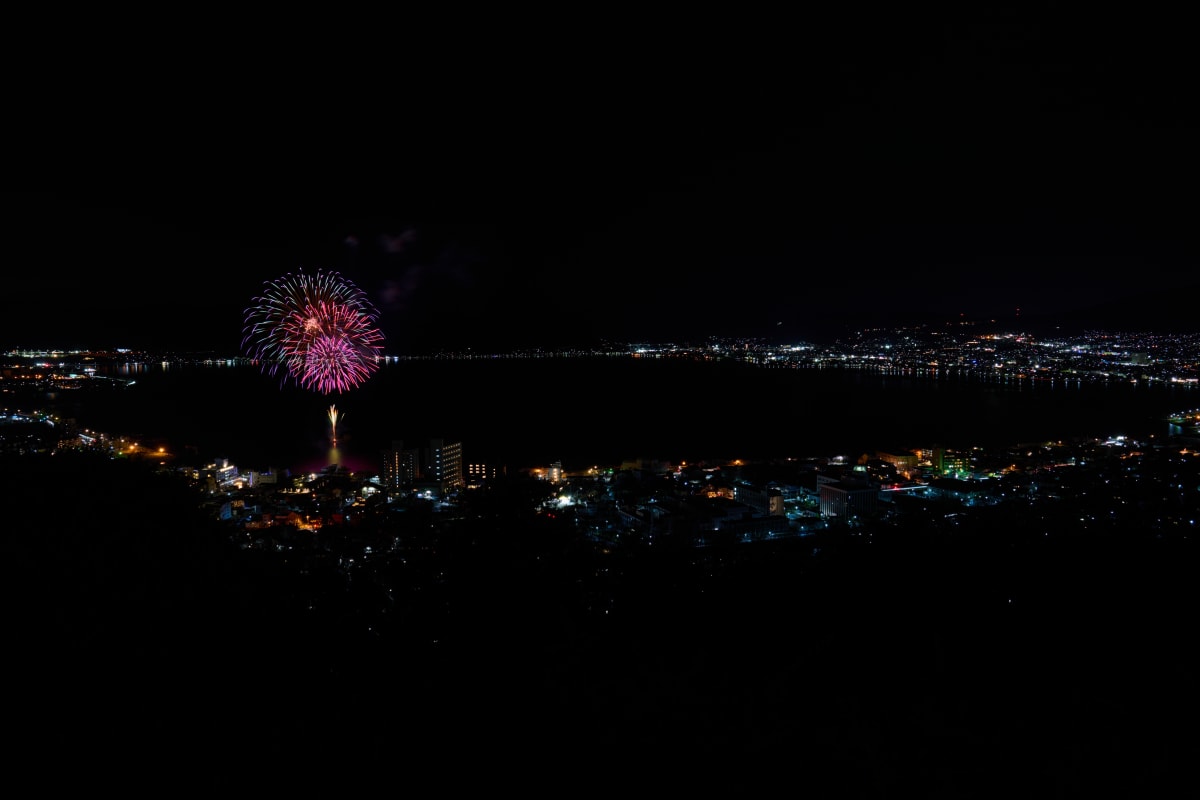
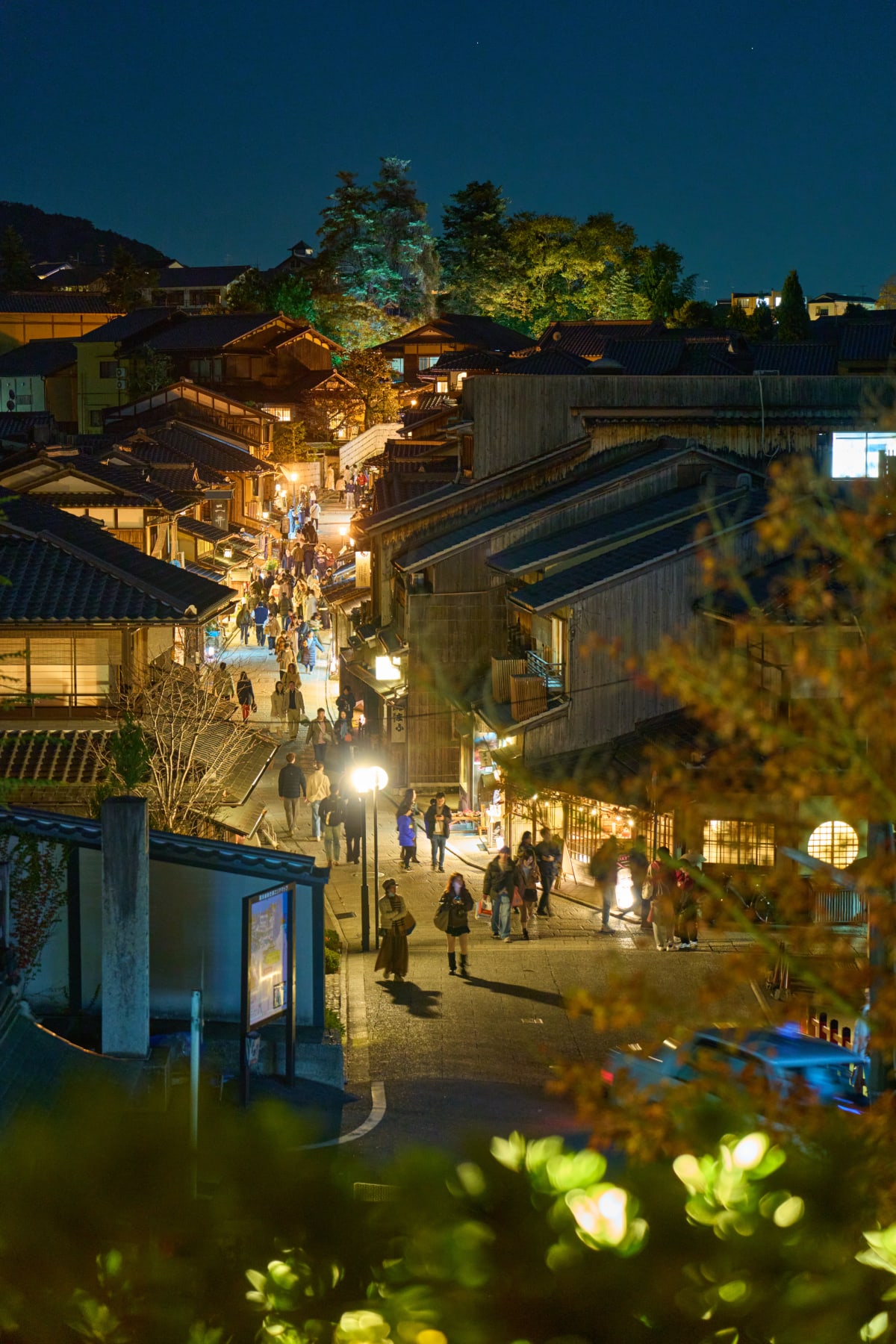
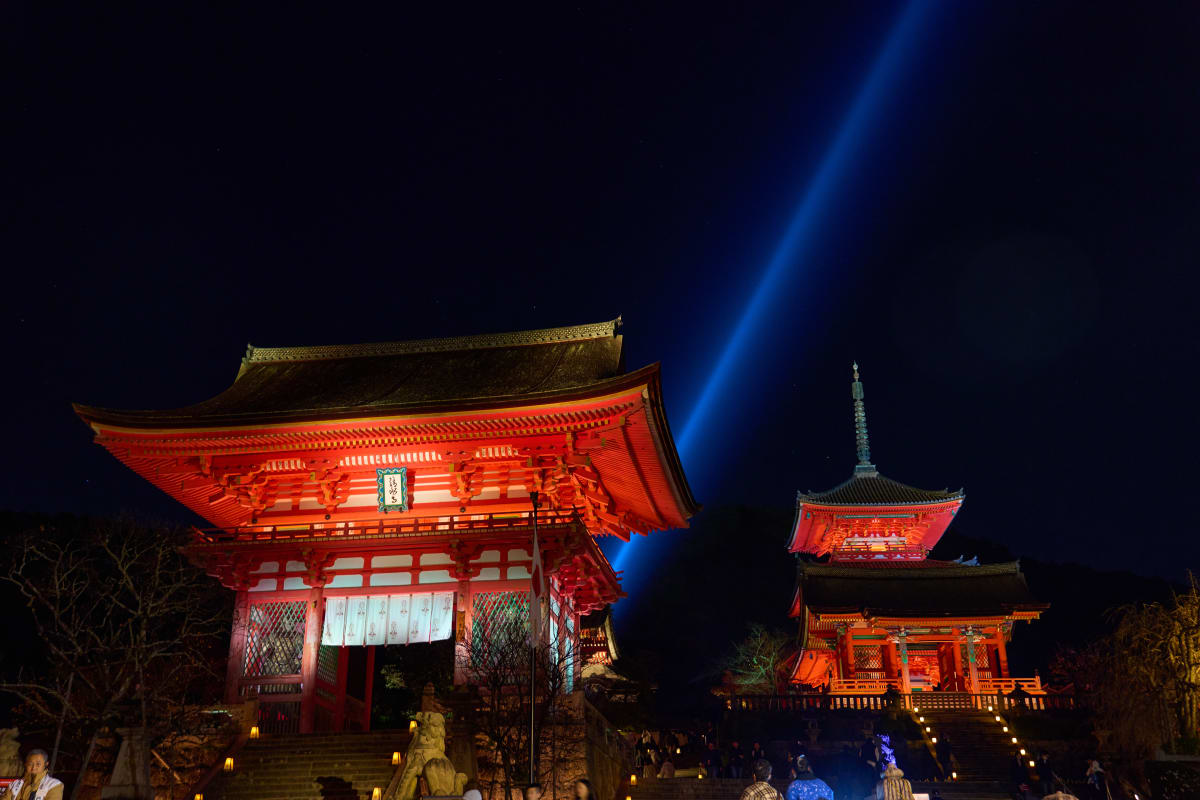
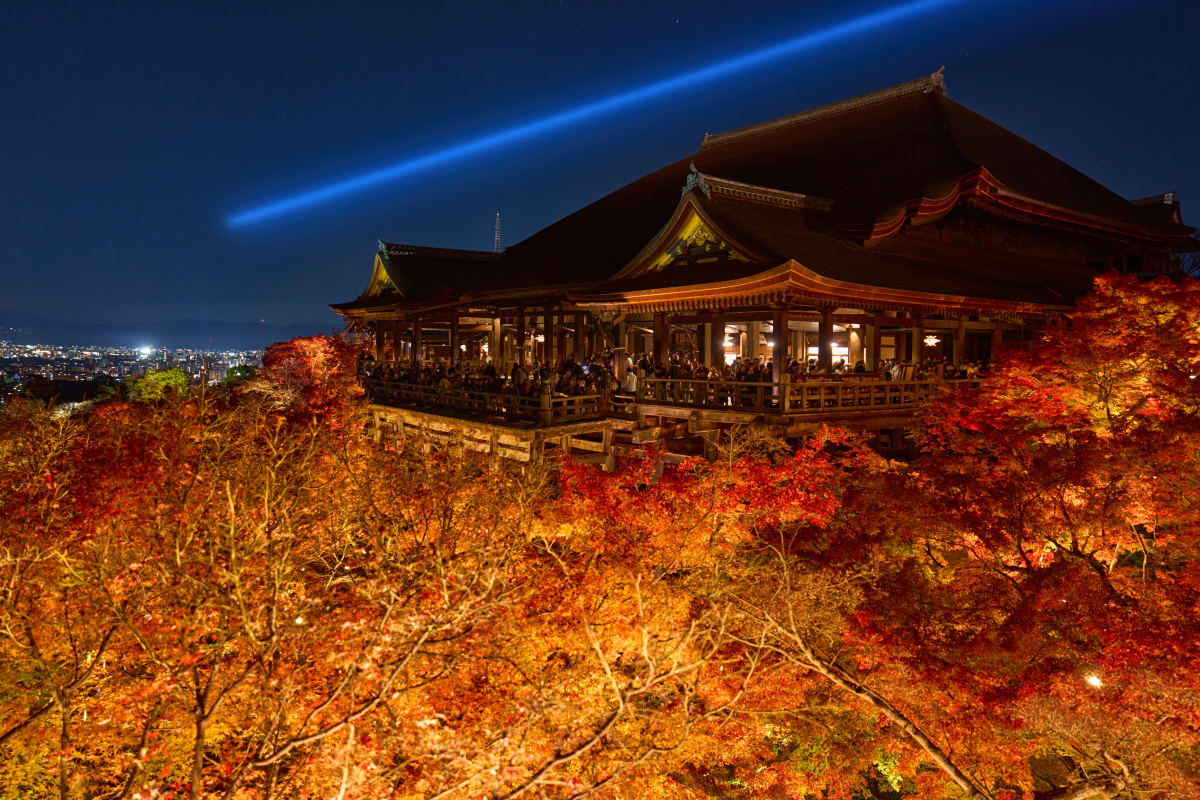
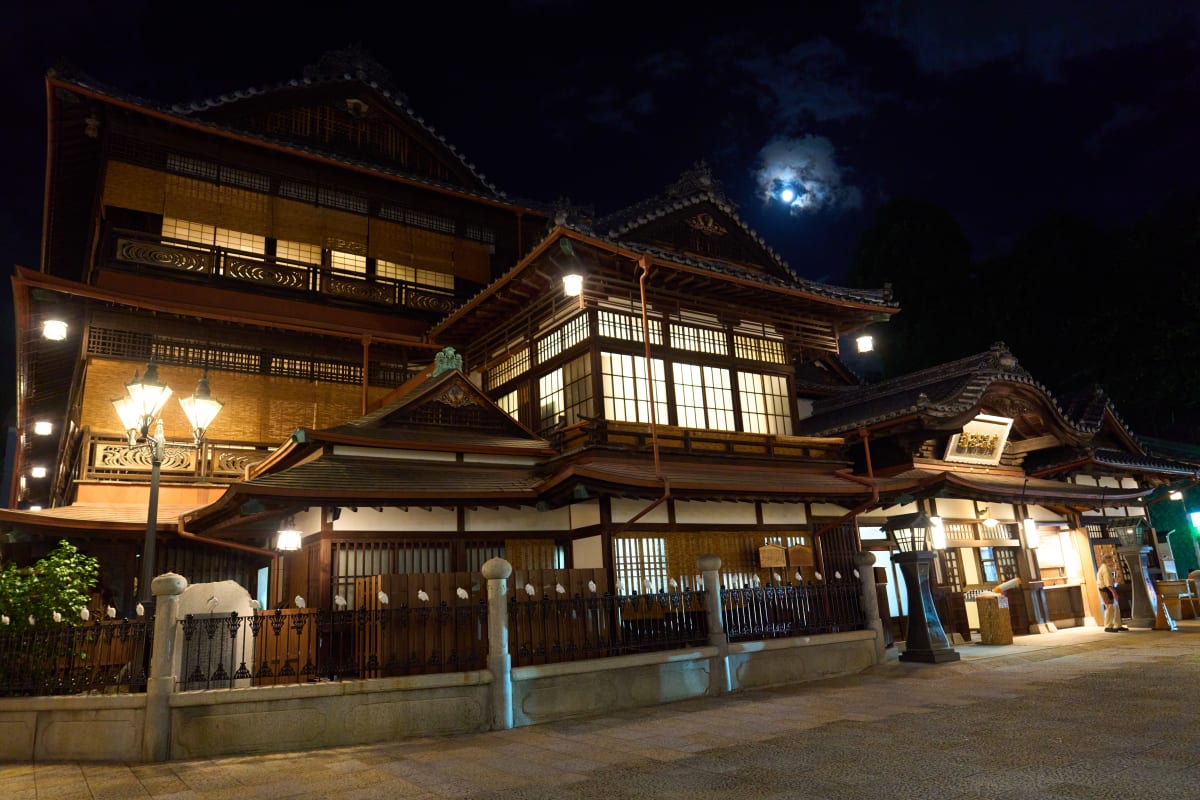
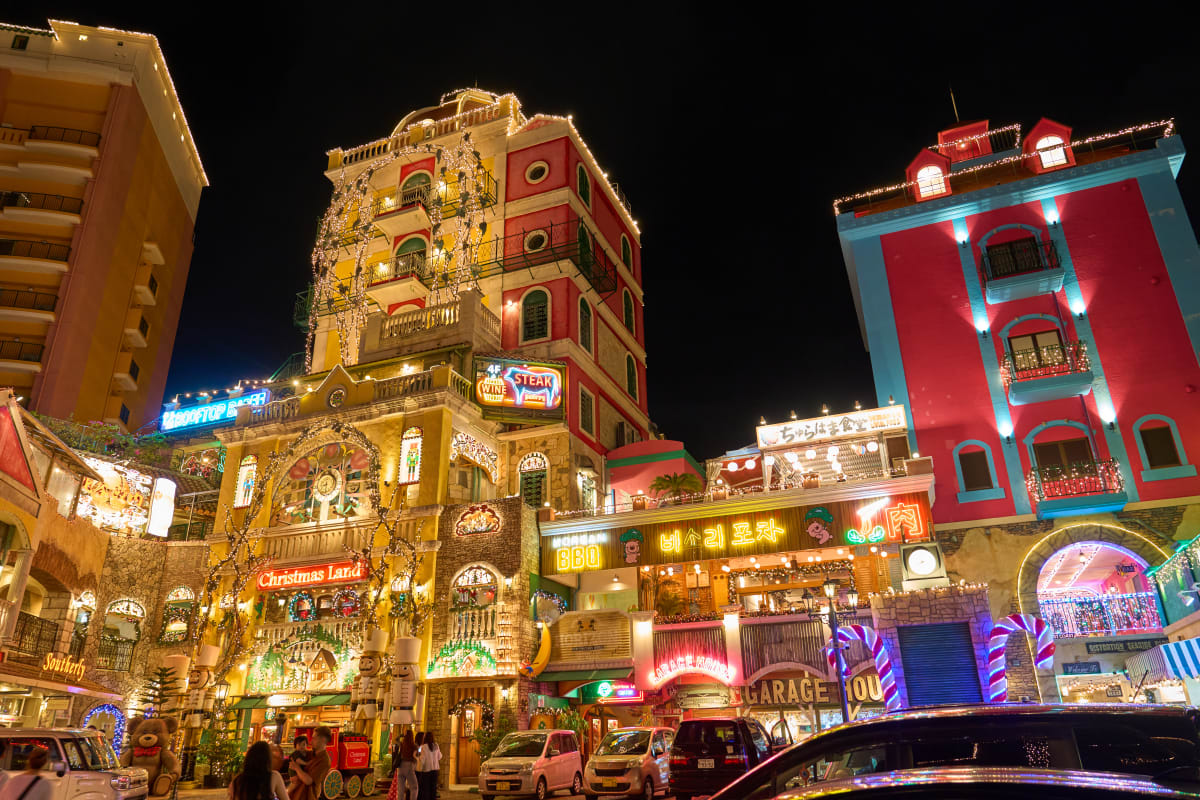
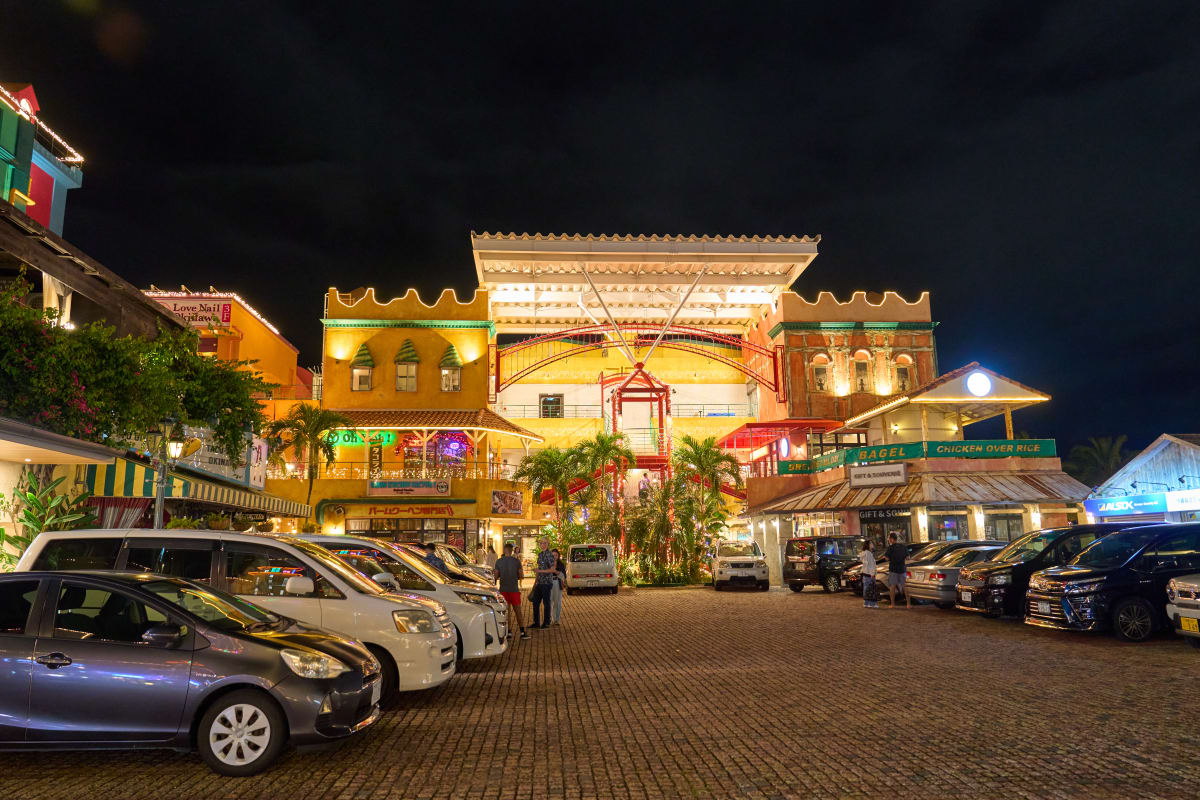
Japan's nights bathed in light. Yokohama Minato Mirai skyscrapers and Red Brick Warehouse, the jewel box of Suwa City from Tateishi Park, lantern-lit kura on Matsumoto's Nakamachi Street, Tokyo and Shinagawa rail nightscapes, and Sapporo's new top-3 night view from Mt. Moiwa.
دليل التصوير
أفضل موسم
Year-round shootable, but clear-air winter (Dec–Feb) gives sharpest distance. Summer humidity creates haze. The night after a typhoon clears the atmosphere — peak conditions. New-moon nights allow stars + cityscape together.
أفضل وقت
The 30–45 minute «blue hour» after sunset is critical. While the sky stays deep blue, streetlights and sky balance perfectly. Full darkness causes streetlight blowouts. Set up before sunset and shoot continuously for 30 minutes to capture the sky's blue evolution.
تقنية
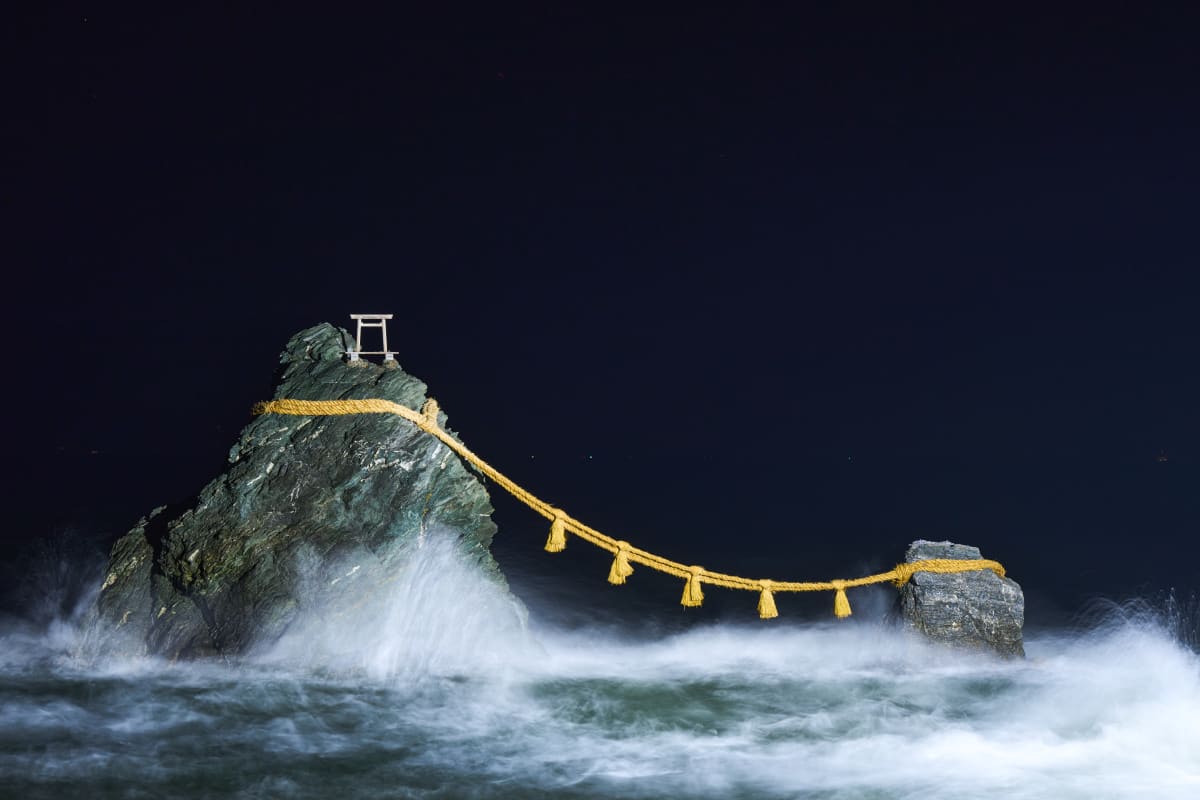
Tripod essential. Shutter 5–30s, ISO 100–400, aperture f/8–f/11 balances DOF and quality. Long exposure converts car taillights into light streaks. WB: streetlight sodium and LED mix; «Daylight» or «White fluorescent» works best. HDR (3 frames) balances bright streetlights and dark sky.
المعدات
Tripod must be solid head with no slack. Remote shutter or 2s timer prevents camera shake. Wide zoom (16–35mm) + standard zoom (24–105mm). Telephoto for distant skylines. ND filters unnecessary (night = already slow). Lens hood reduces streetlight flare.
نصائح عملية
Tateishi Park's Suwa Lake nightscape glitters most on cold autumn-winter nights. Yokohama Minato Mirai's ferris-wheel light show runs 20–30 min post-sunset. Sapporo Mt. Moiwa requires the night ropeway — note last departure. Winter equipment condensation: seal in plastic bag before re-entering warm rooms.