Sneeuwlandschappen
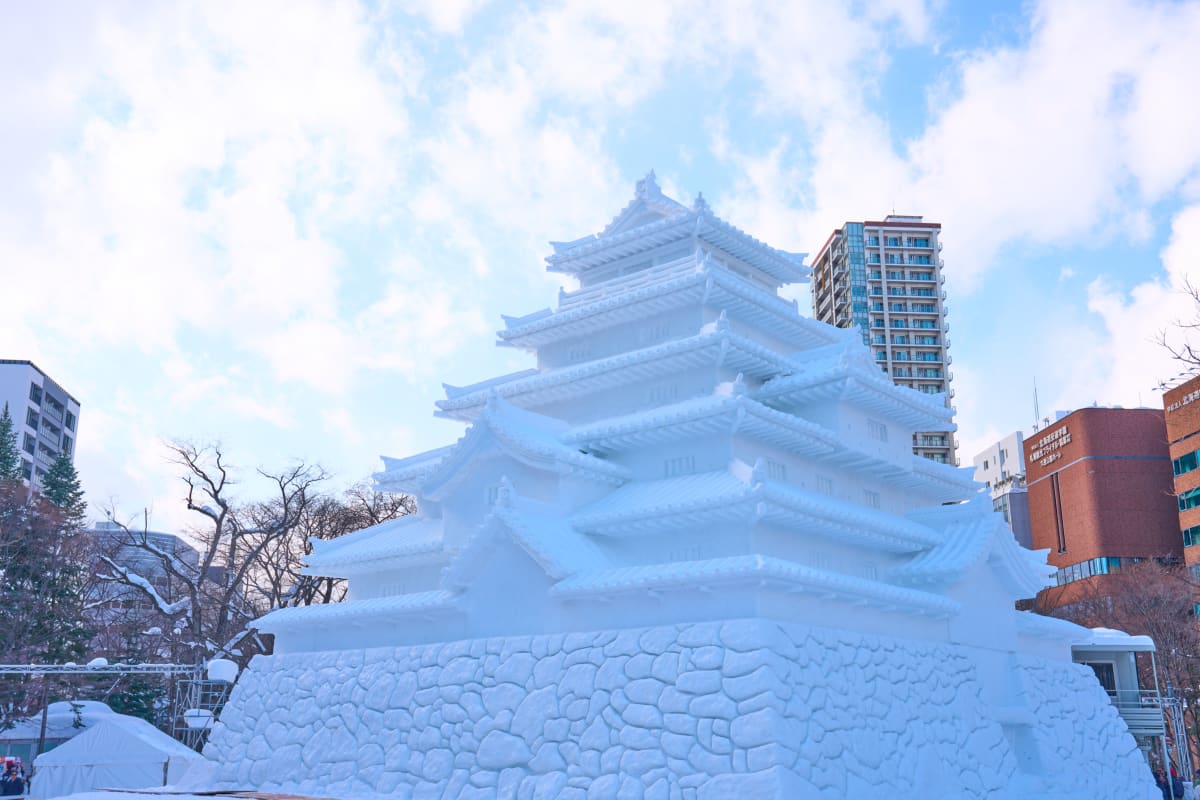
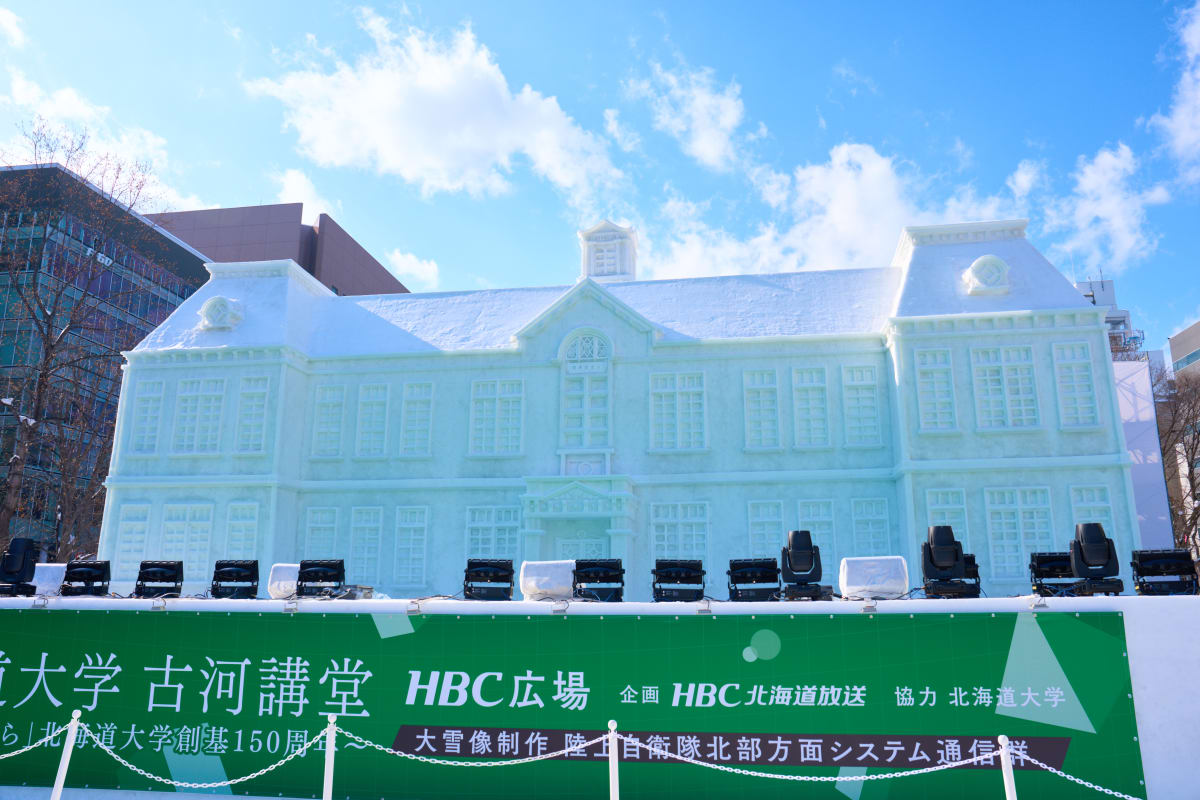
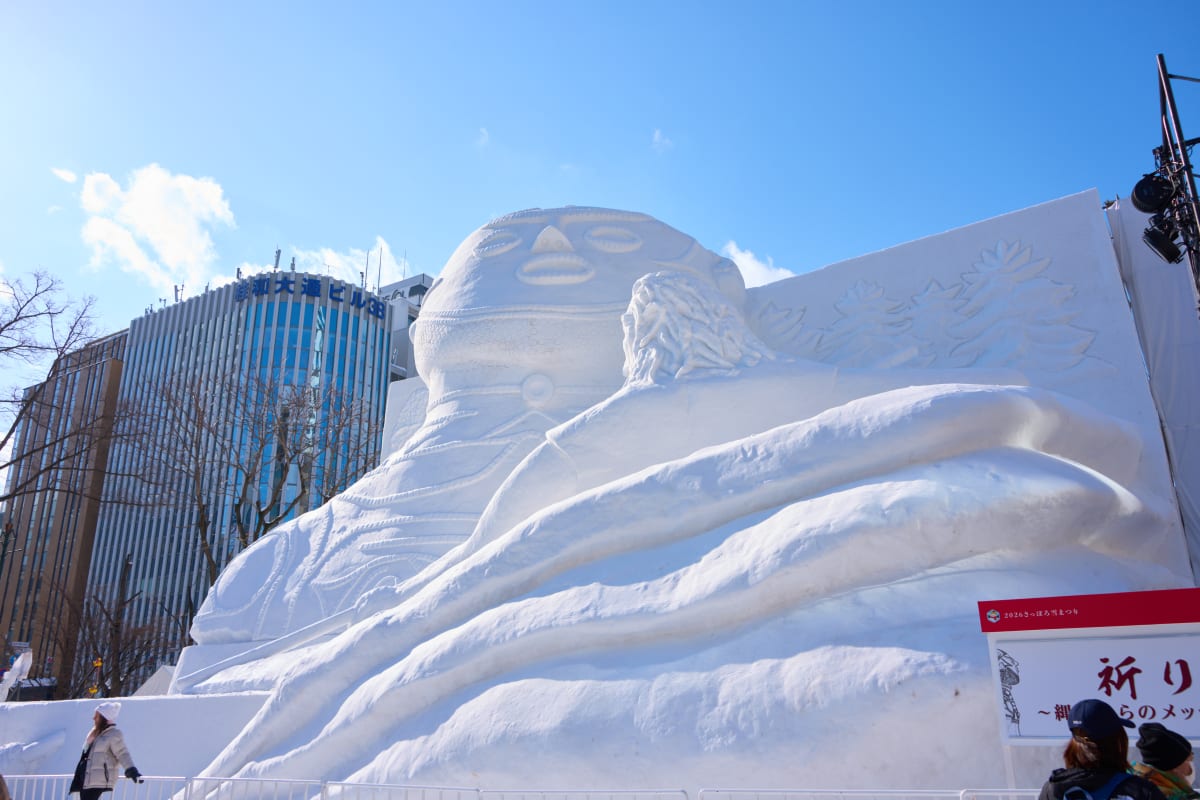
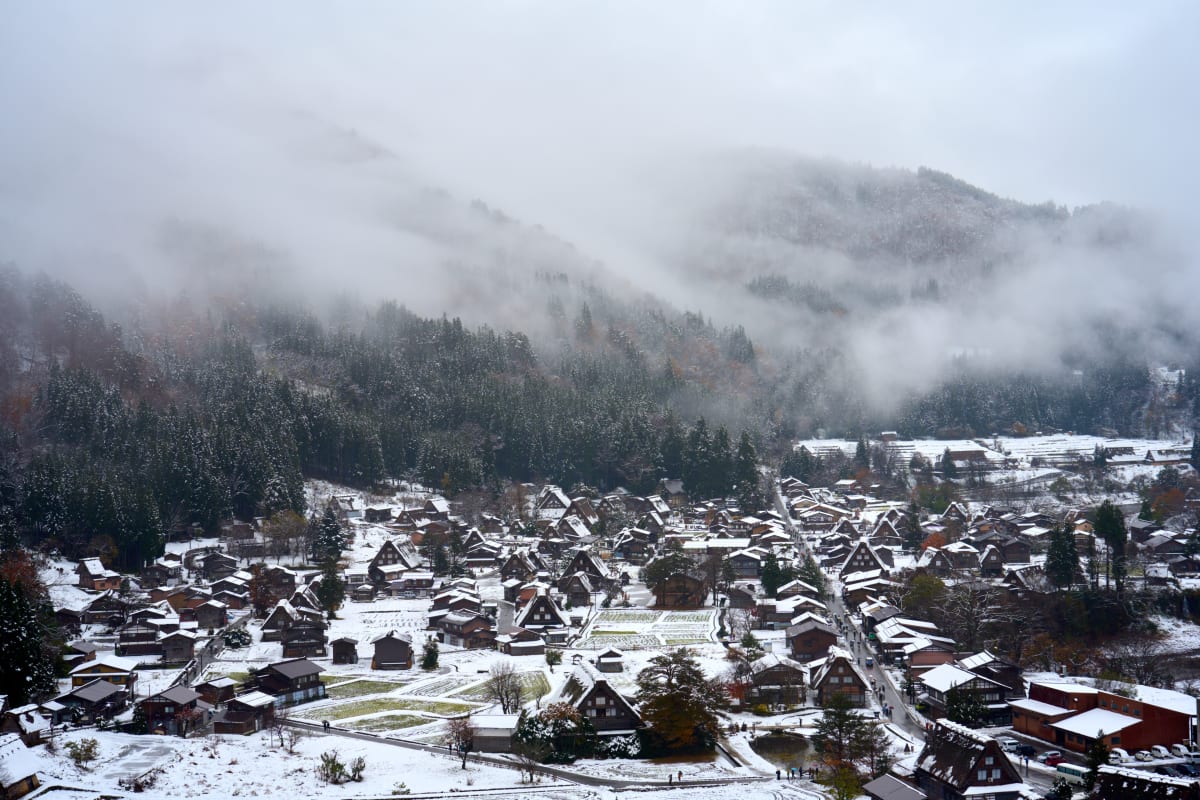
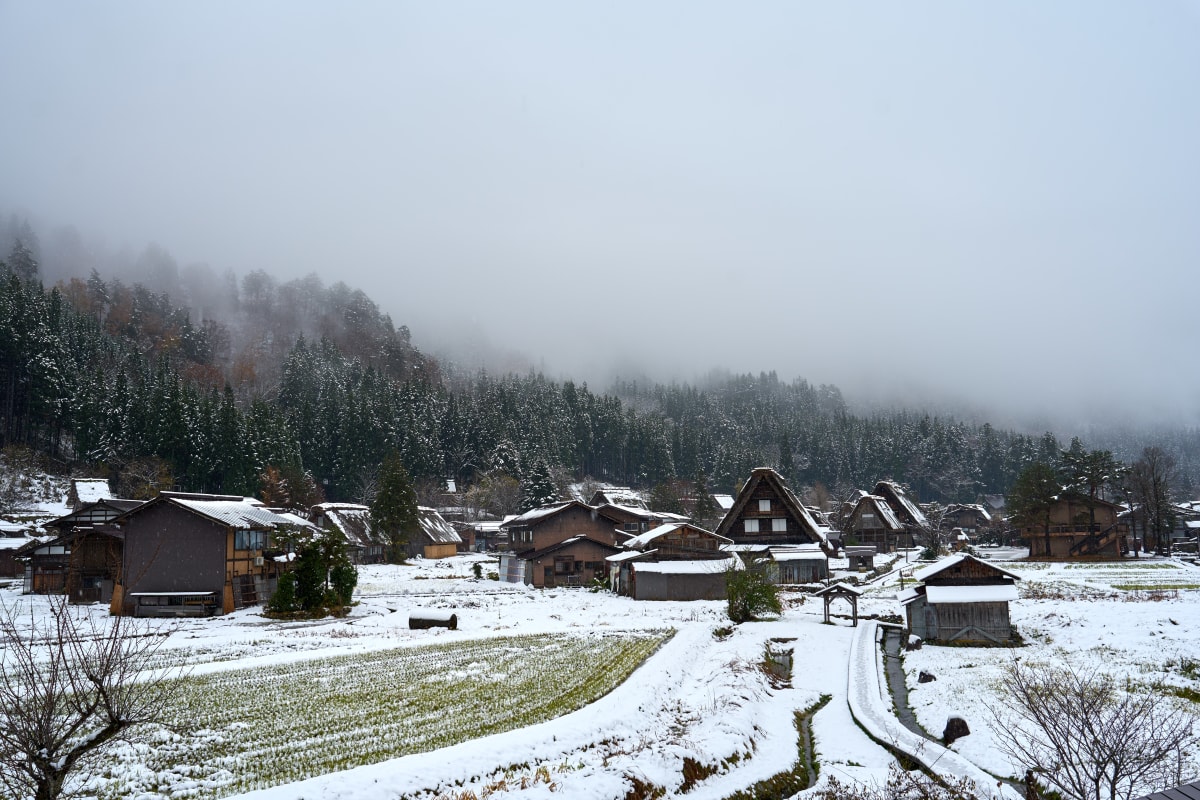
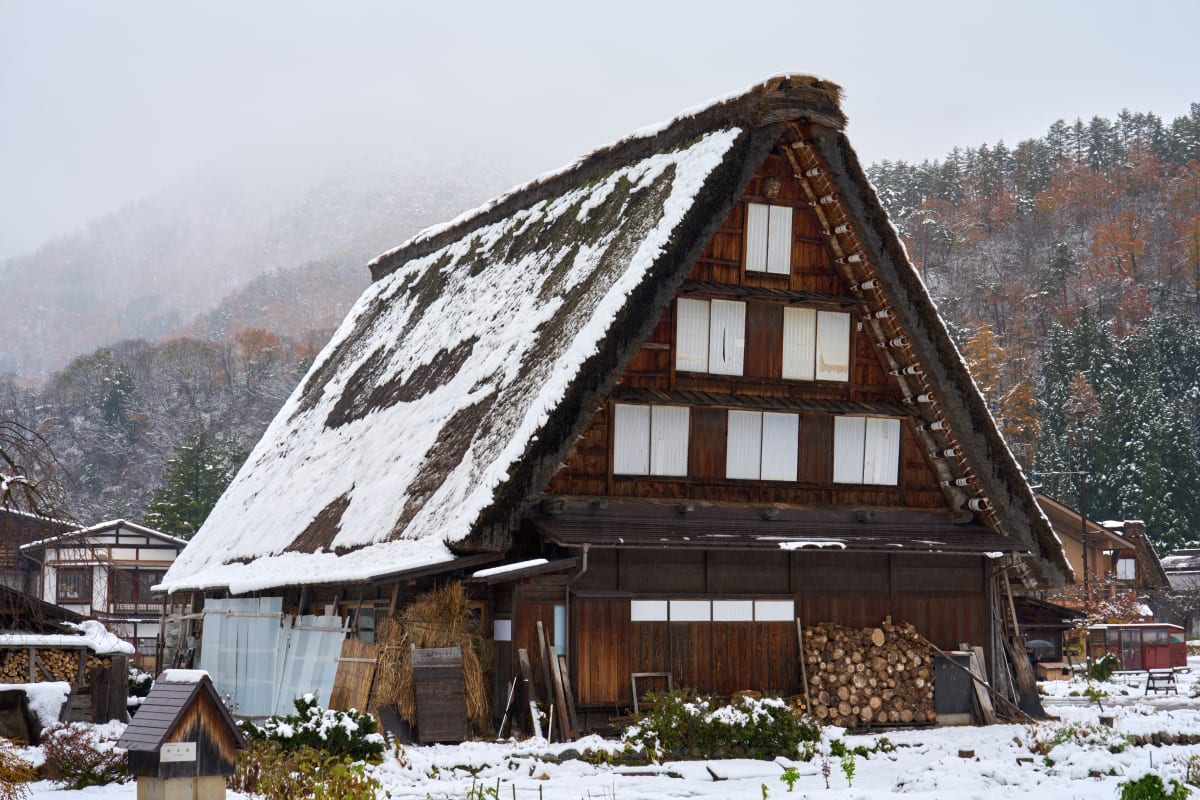
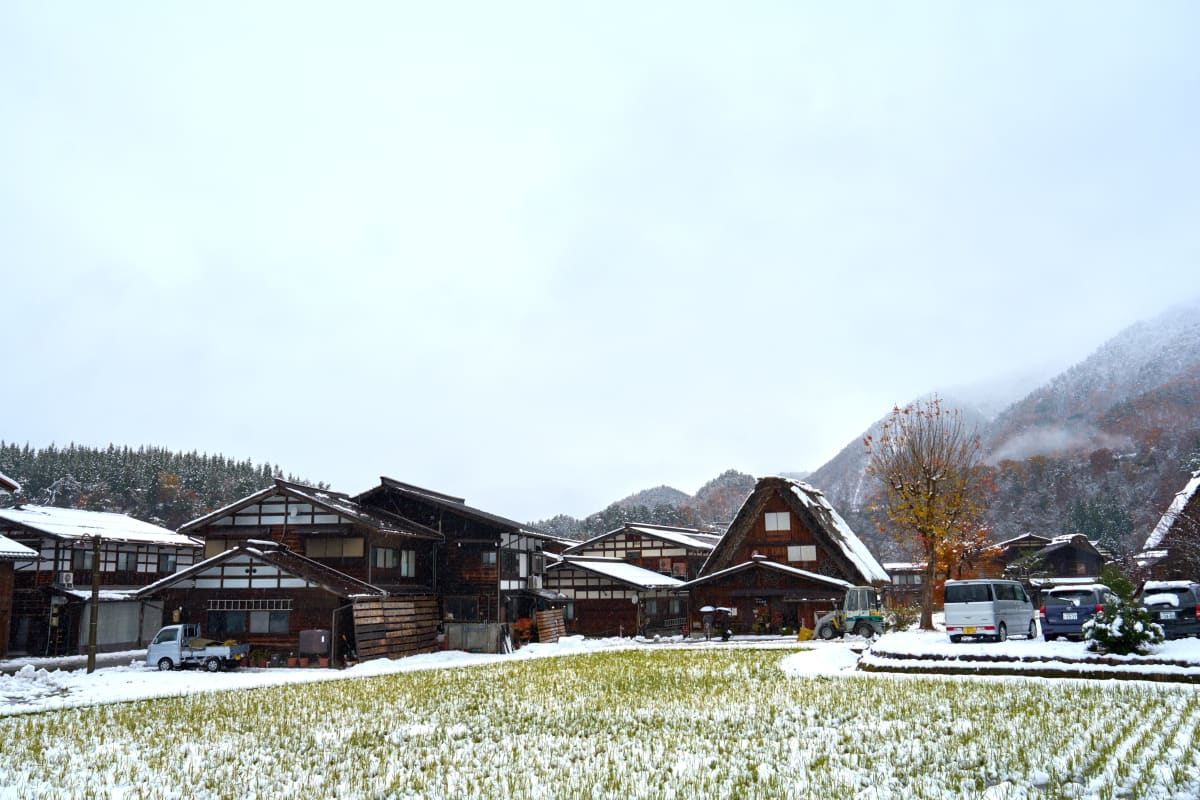
Winter in snow country Japan. The massive sculptures of Sapporo Snow Festival, snow-laden gassho-zukuri farmhouses of UNESCO Shirakawa-go, drift ice in Shiretoko, snow-capped Lake Mashu and Lake Toya, and gas-lit Otaru canal in winter — silver landscapes.
Fotografiegids
Beste seizoen
Late January to late February is best. Sapporo Snow Festival runs one week in early February. Shirakawa-go illumination: select nights mid-January to mid-February (reservation required). Shiretoko drift ice: late January to early March. Expect Hokkaido temperatures below -15°C, Shirakawa-go -5 to 0°C.
Beste tijd
Sunrise (6:30–7:30) and sunset (16:00–17:00) are ideal. Morning sun tints snow pink; evening sun gold. Overcast days enable high-key photos where snow and sky merge. Illumination peaks during the 30-minute blue hour after sunset — white snow + warm light + blue sky creates the strongest triple contrast.
Techniek
Snow is bright; auto-exposure tends to underexpose. Apply +0.7 to +1.3EV to keep whites white. WB «Daylight» is faithful, «Shade» adds warmth. Drift ice and snow fields can be monotonous — add foreground (figures, trees) for depth. Snowflakes and frost reward macro work.
Uitrusting
Cold-weather gear essential. Camera batteries drain fast — bring 2–3 spares, kept warm in inside pockets. To prevent condensation, seal the camera in a plastic bag before re-entering warm rooms; let it acclimate 1+ hours. Tripods sink in snow — use large feet or snow shoes. Gloves with finger-tip control.
Praktijktips
Shirakawa-go illumination requires advance shuttle/parking reservation (sells out by early December). Drift ice depends on wind — some days it reaches shore, others it doesn't. Check JMA drift-ice distribution maps and the local Coast Guard reports.