벳푸
오이타현· Beppu
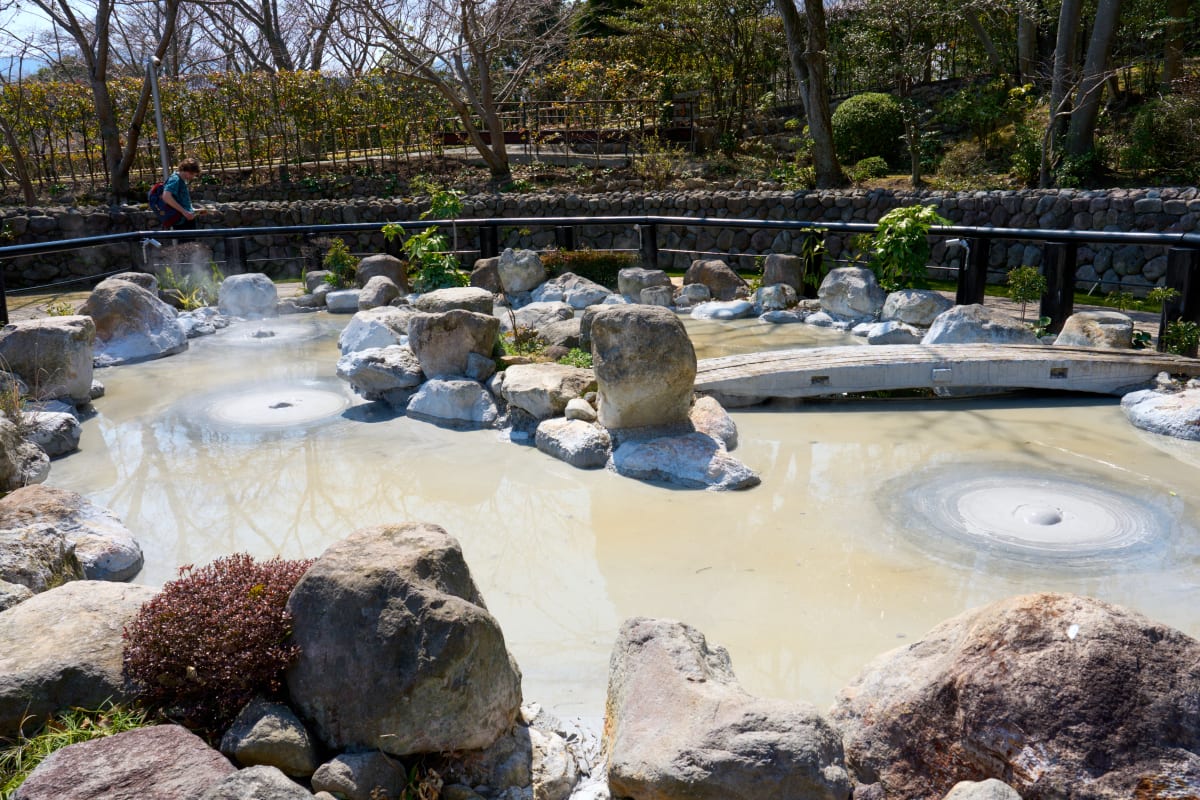
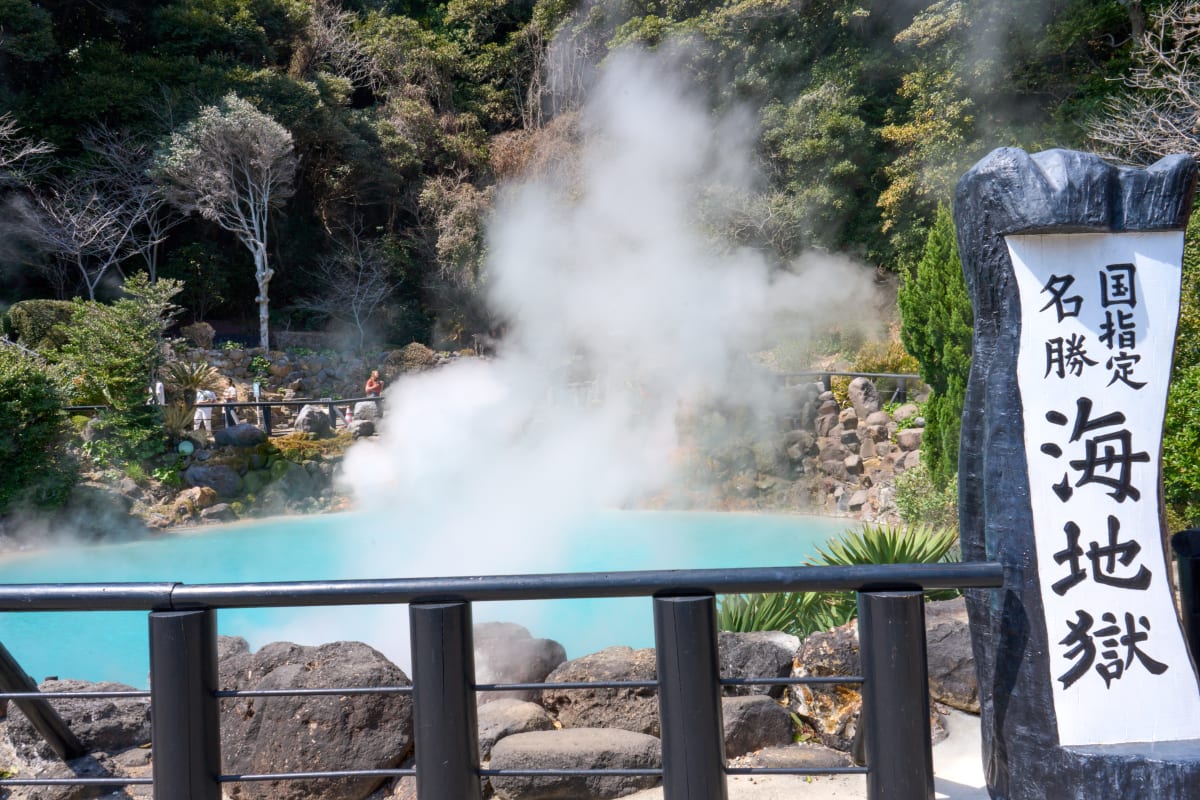
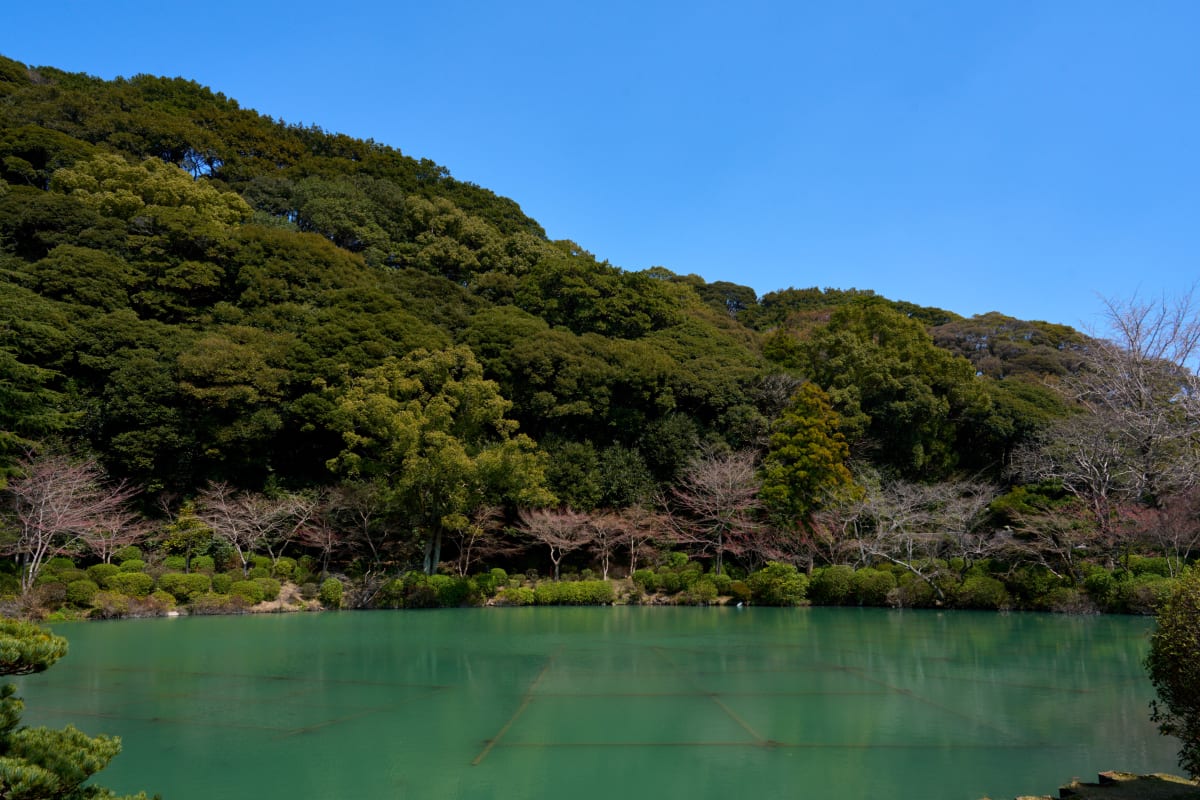
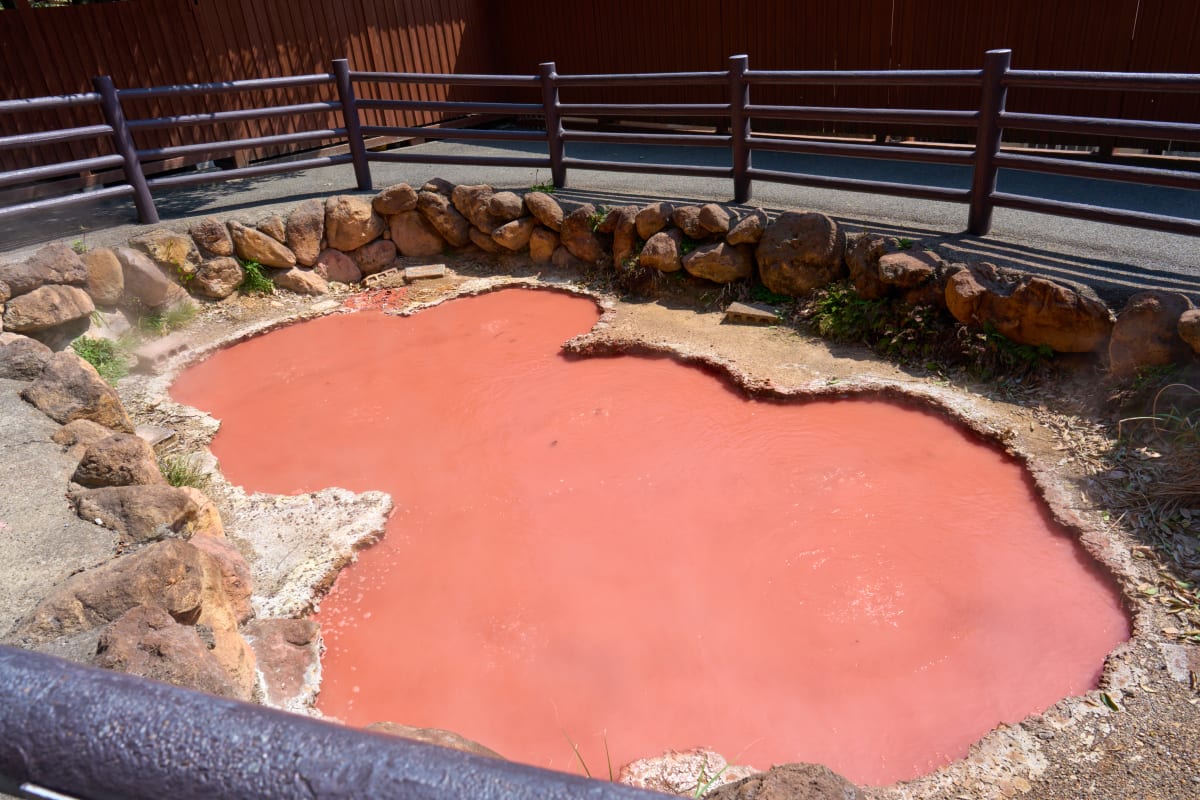
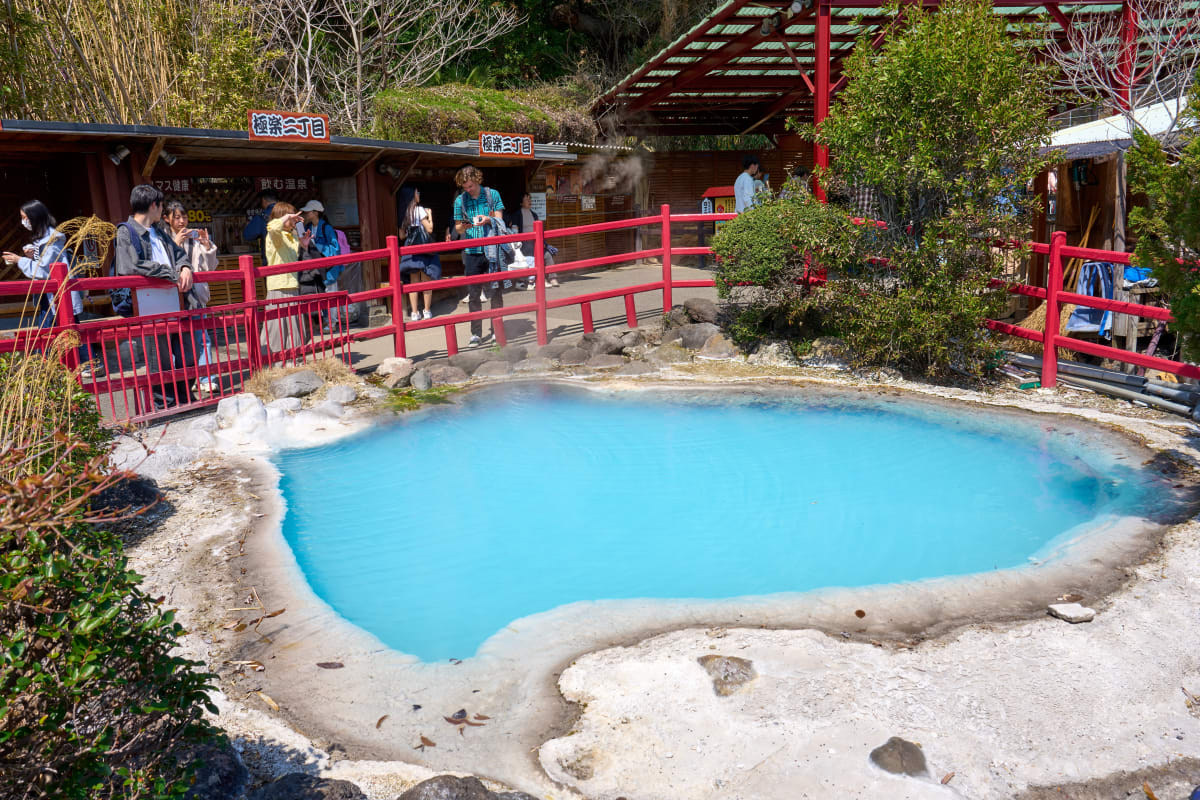
Beppu, in Beppu City, Oita Prefecture, is a world-class hot-spring resort with about 2,288 sources and 87,000 kL of daily output — both Japan's greatest. Comprising eight hot-spring districts known as «Beppu Hatto,» the citywide steam plumes form a landscape often described as «unmatched anywhere on earth.» Its signature attraction, the «Hells of Beppu» tour, includes seven naturally erupting sources — Sea Hell, Blood Pond Hell, Tatsumaki Geyser Hell, and others — each producing high-temperature water, steam, or mud spectacles. The Yukemuri Observatory at Kannawa Onsen offers especially mystical views on winter mornings, when steam wraps the entire town.
하이라이트
- Umi Jigoku (Sea Hell) — cobalt-blue, 98 °C iron-sulfate-rich pool; the iconic image of Beppu
- Chinoike Jigoku (Blood Pond Hell) — colored deep red-brown by iron oxide, Japan's oldest natural hell
- Tatsumaki Jigoku (Geyser Hell) — erupts every 30–40 minutes with 150 °C steam and water bursting upward
- Kannawa Yukemuri Observatory — panoramic city-wide steam plumes, densest on winter mornings
- The Beppu Eight Hot Springs — Beppu, Kannawa, Kankaiji, Myoban, Hamawaki, Horita, Kamegawa, and Shibaseki, each with distinct water quality and townscape
빠른 답변
What is Beppu?
A hot-spring resort in Beppu City, Oita Prefecture, with about 2,288 sources and Japan's greatest output. Comprising eight districts (Beppu Hatto), seven naturally erupting Hells like Sea Hell and Blood Pond Hell, and citywide steam plumes, Beppu offers a photographic landscape unmatched anywhere.
How long does the Hells tour take?
All 7 Hells take 2–3 hours; the combined ticket (Jigoku Kyotsu, ¥2,200 for adults) saves money. Sea Hell, Blood Pond Hell, and Tatsumaki Geyser are the top three photo spots — time your visit around the geyser's eruption schedule.
When are steam plumes thickest?
On winter (December–February) mornings, especially below freezing, when the gap between air and water temperature produces the densest steam. Wait at the Kannawa Yukemuri Observatory before sunrise — the moment first light strikes the town is the golden shot.
How do I get there?
From Oita Airport, the airliner bus takes about 45 min, ¥1,500. From Oita Station, JR Nippo Line is 12 min, ¥280. From Fukuoka, Limited Express «Sonic» 2 hr. The Hells (Kannawa) area is 20–30 min by bus from Beppu Station (¥340), or use the «Beppu Jigoku Meguri Combo Pass» (¥2,500).
Are day-baths available?
Over 100 spots offer day bathing. Key picks: «Takegawara Onsen» (100+ year wooden bathhouse, bath ¥300, sand bath ¥1,500), «Kannawa Mushiyu» (steam-bath experience, ~¥1,000), «Myoban Onsen Yu-no-Sato» (sulfuric milky waters). Towels — bring your own or rent for a fee.
Photography etiquette?
Hells and onsen baths permit photography, but ensure bathers aren't in frame. Kannawa Yukemuri observatory has residents nearby — be quiet. Tripods OK in Hells grounds and observatories. Steam fogs gear easily — bring plenty of absorbent cloths and lens wipes.


Practical Information
- Access
- 20-min bus from JR Beppu Station to Kannawa Onsen (Hells tour base).
- Parking
- Free parking at each Hell. Recommended for combo-ticket holders.
- Admission
- Hells Tour combo ¥2,200 (7 Hells); individual ¥450.
- Duration
- 2-3 hr for all 7 Hells.
- Best Time
- Winter mornings for maximum steam.