기후현
Gifu
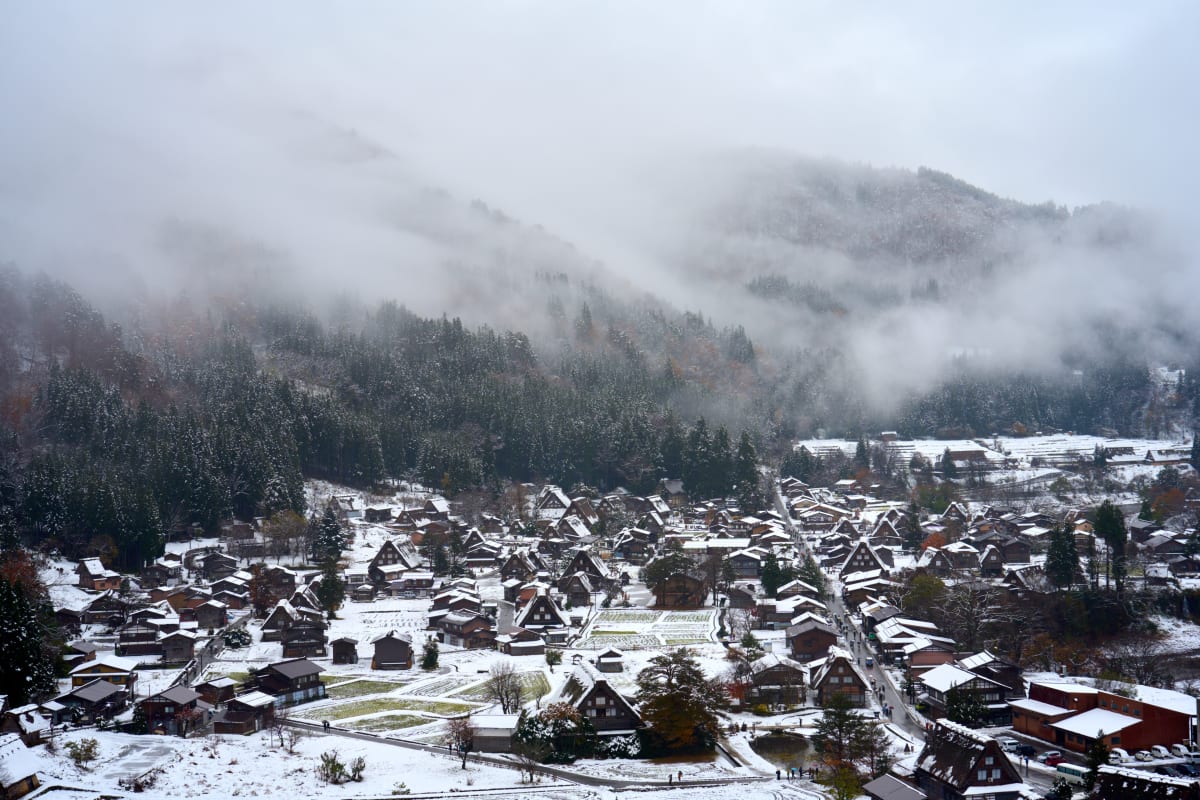
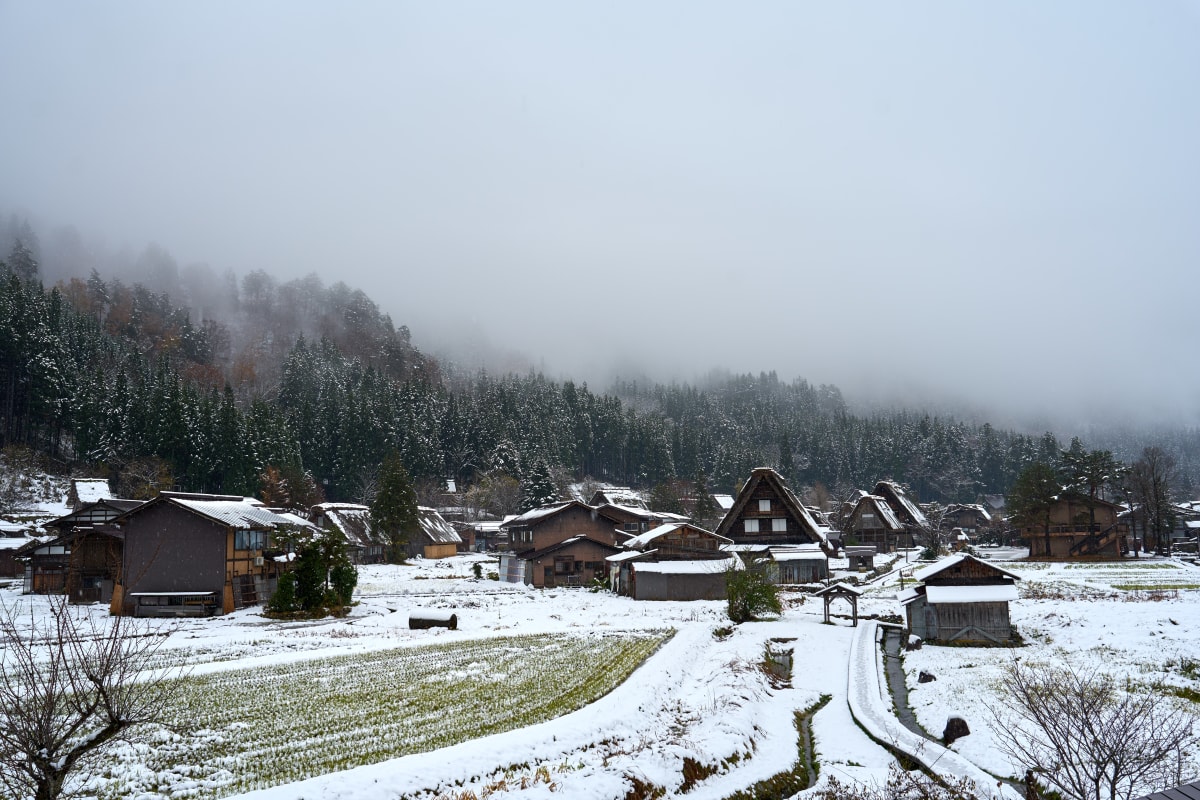
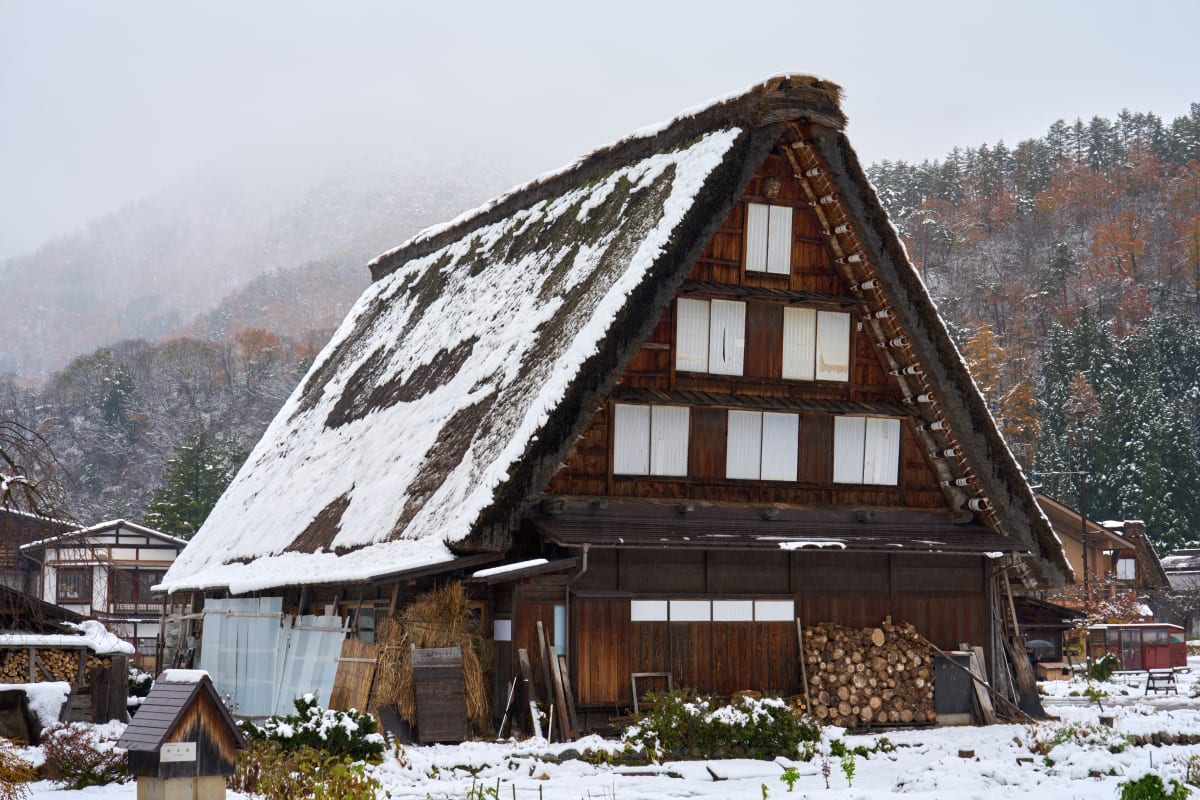
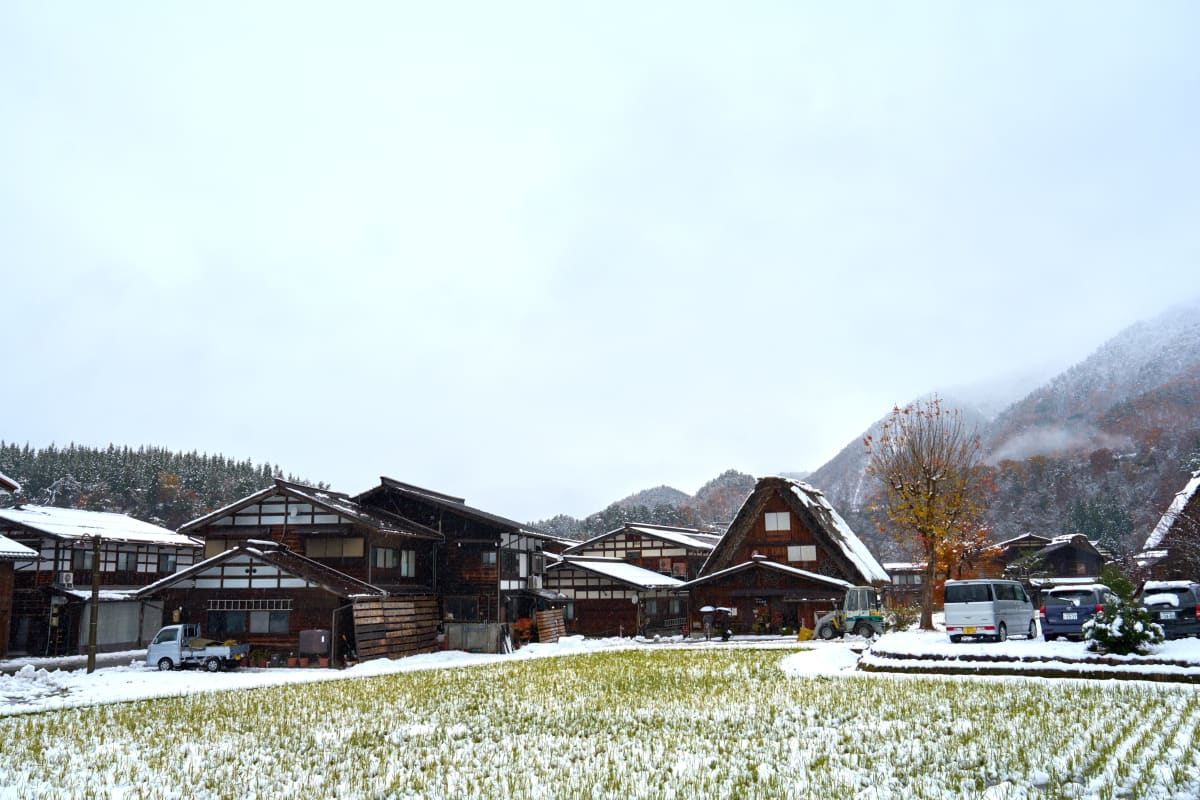
Gifu is an inland prefecture in central Honshu (population 1.97 million), 80% of which is mountainous, defined by the Nagara River — one of Japan's three pristine rivers. UNESCO-listed Shirakawa-go (gassho-zukuri farmhouses transformed by snow), Hida-Takayama's Edo-period townscape, the 1,300-year-old summer cormorant fishing on the Nagara, Gero Onsen, and the Northern Alps panorama from Shinhotaka Ropeway distill primal Japanese landscape and alpine beauty into one prefecture.
하이라이트
- Shirakawa-go (UNESCO World Heritage) — gassho-zukuri thatched farmhouses, with the January–February evening illuminations requiring advance reservations
- Hida-Takayama old town — preserved Edo-period merchant district, beautifully lit by morning light at sake breweries and the morning market
- Shinhotaka Ropeway — at 2,156 m, with views of the Western Hotaka ridges; autumn colors meet snow
- Nagara cormorant fishing — May 11 to October 15, ancient torchlit night fishing 1,300 years in practice
- Magome and Tsumago post towns (Nakasendo) — Edo-period stone-paved lanes and lattice-front houses
빠른 답변
What is Gifu Prefecture?
An inland prefecture in central Honshu, 80% mountainous. It hosts UNESCO Shirakawa-go gassho farmhouses, Hida-Takayama's Edo townscape, Nagara cormorant fishing, and the Northern Alps — a treasury of primal Japanese landscape and alpine subjects.
When is Shirakawa-go winter light-up?
Held on a limited number of dates (about 6 per year) in January and February. Reservations are required, and shooting from the observatory takes early planning. The snow-and-light gassho village is a globally rare photographic event.
Can I visit Hida-Takayama and Shirakawa-go in one day?
Possible but tight. Takayama to Shirakawa-go is about 50 minutes by bus. A realistic flow: Takayama morning market → Shirakawa-go midday → return to Takayama by evening, allowing 1.5–2 hours at each.