Sources thermales
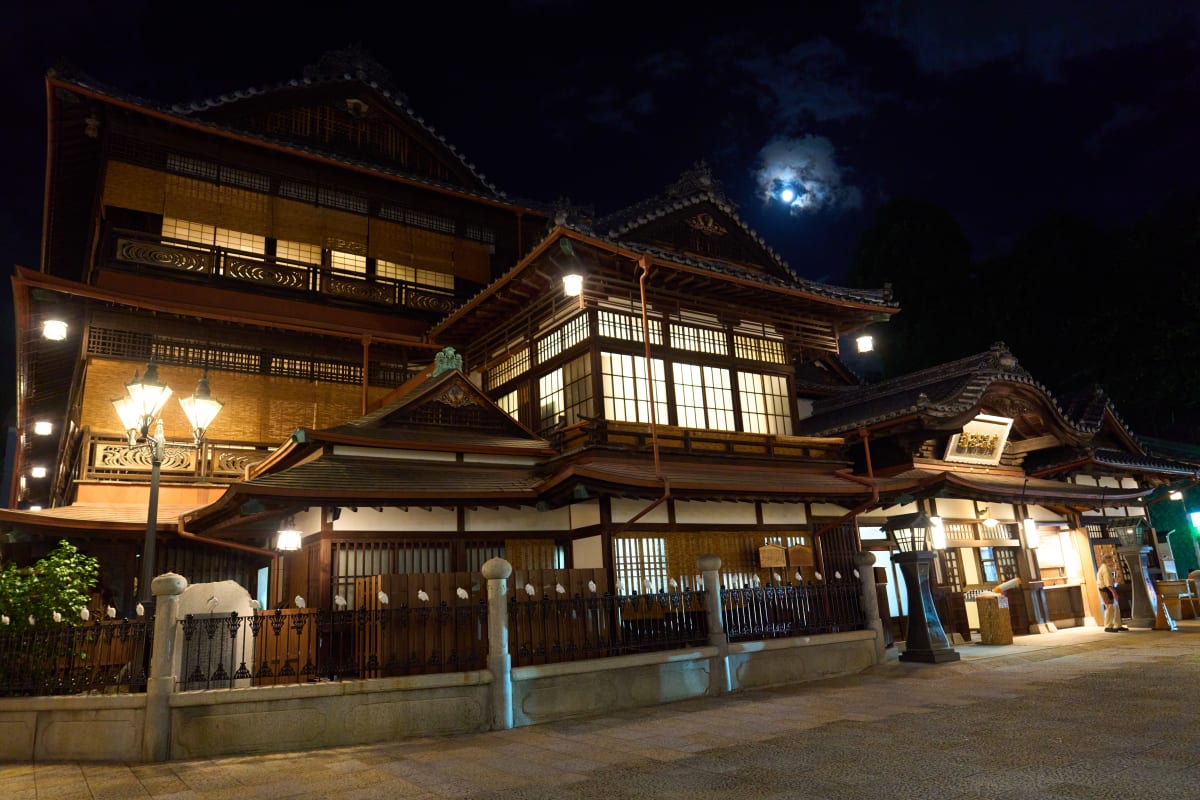
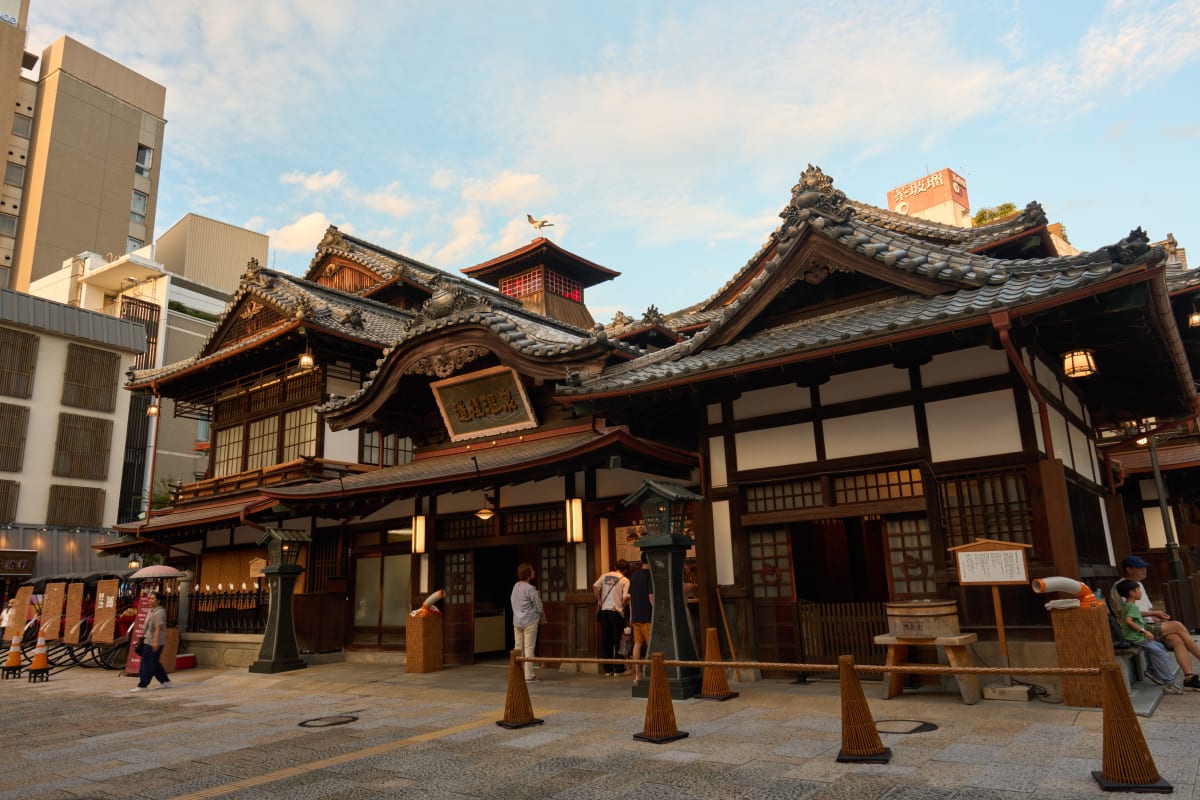
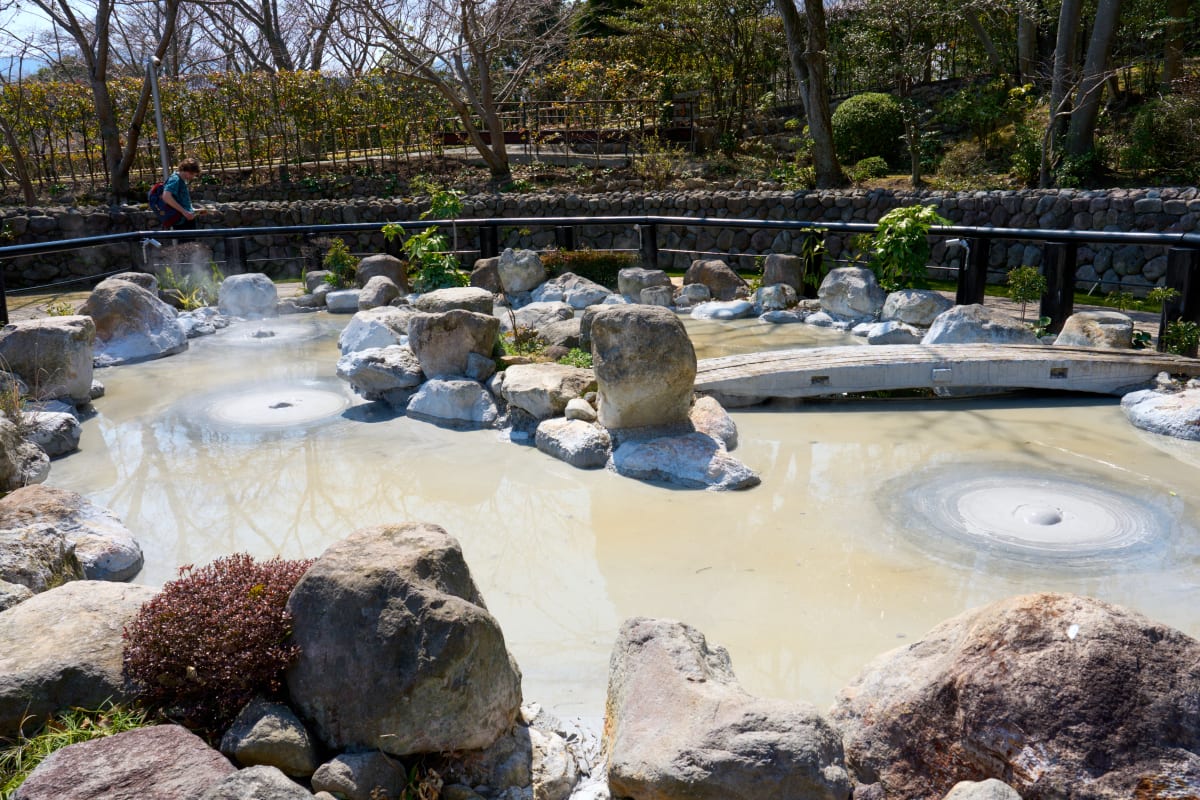
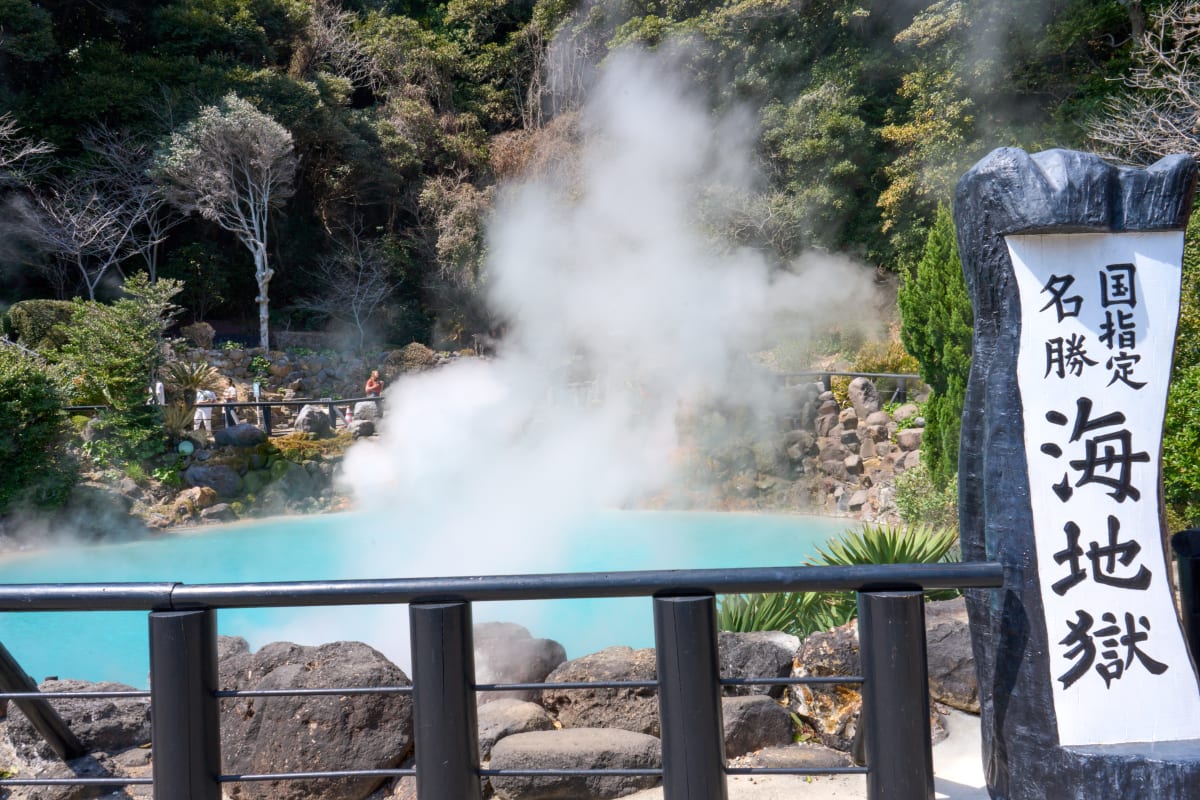
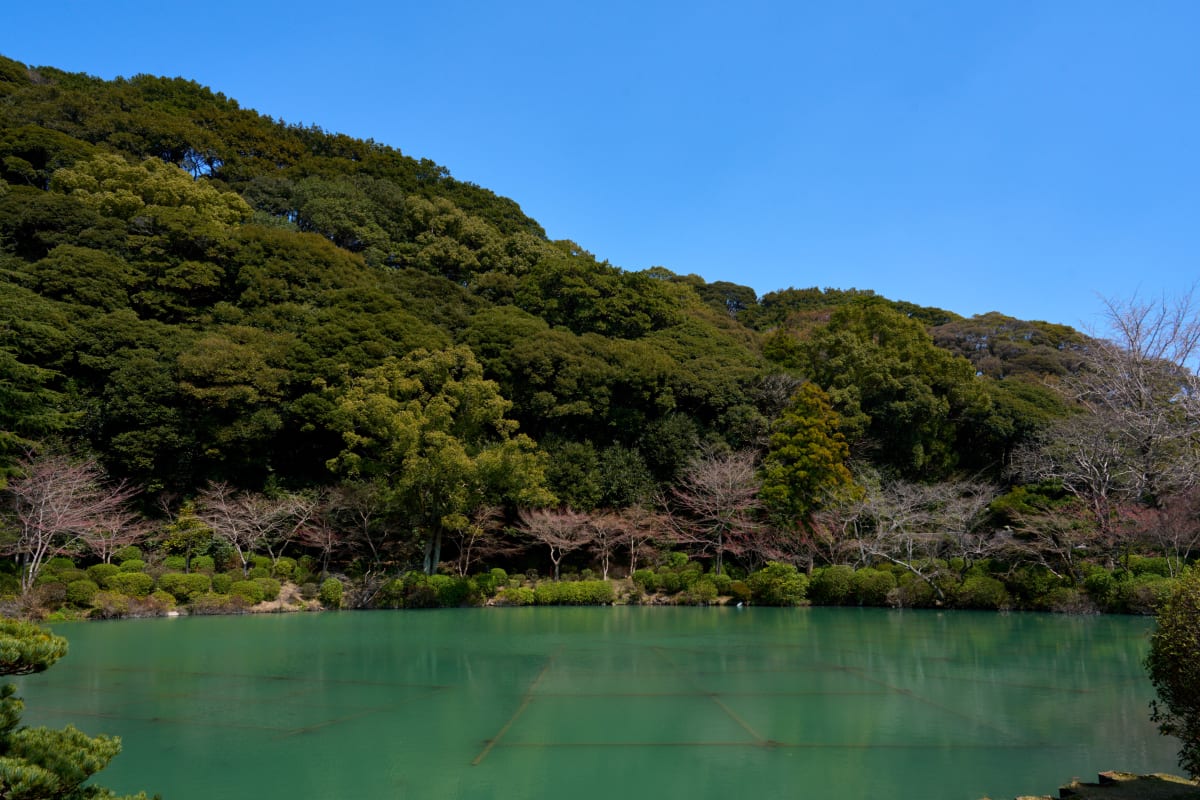
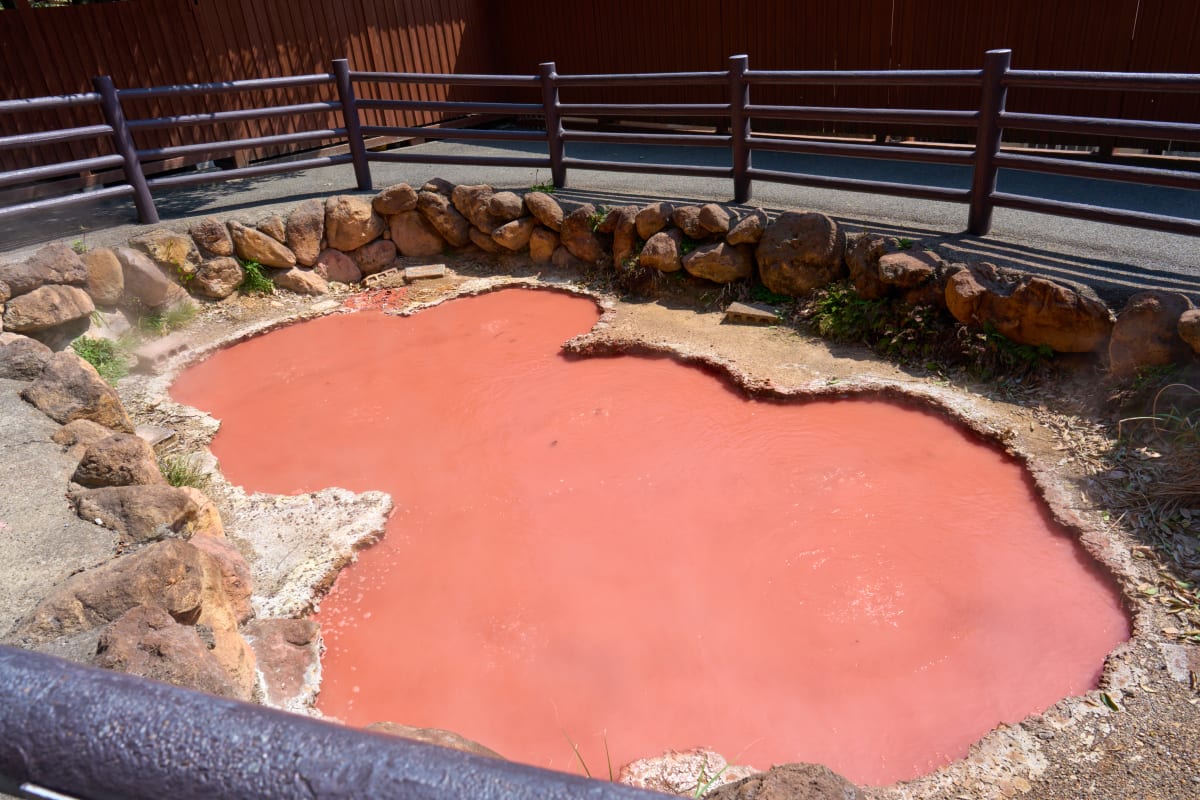
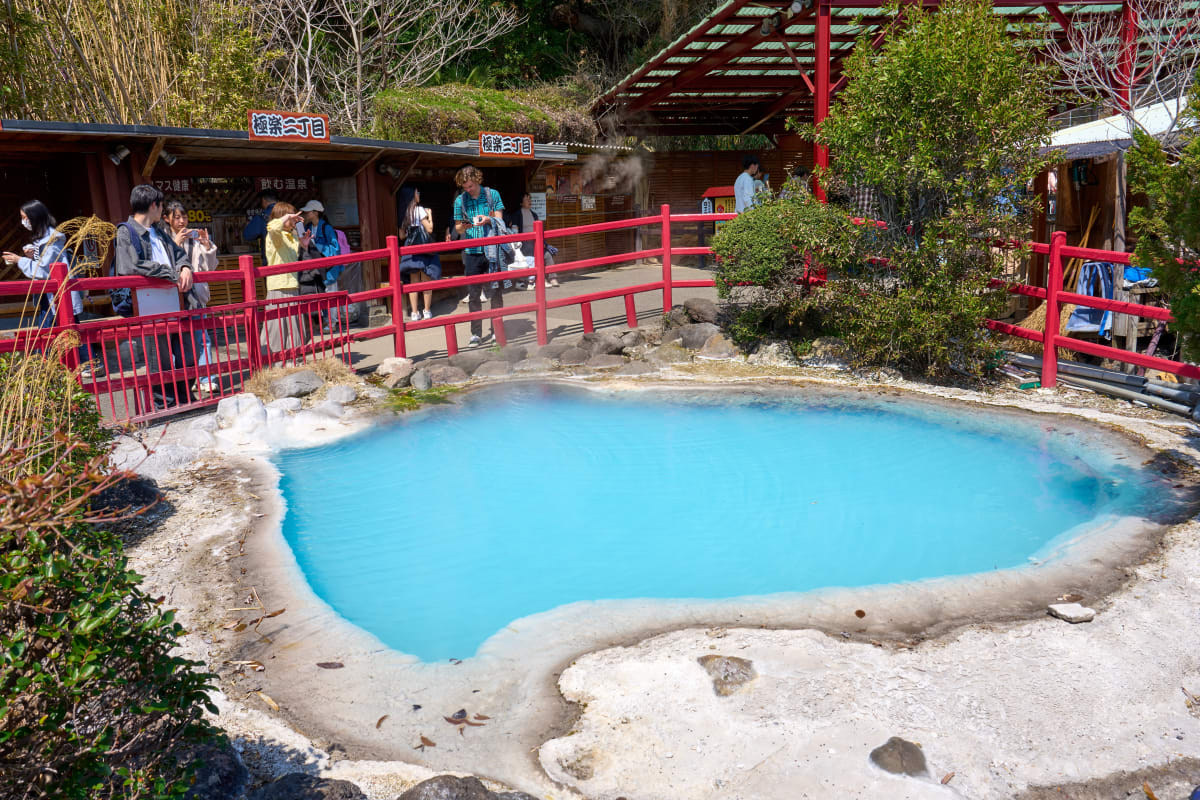
Steam-veiled landscapes. Japan's oldest Dogo Onsen, Kyushu's #1-volume Beppu Hells, Mt. Yufu-framed Yufuin, and Noboribetsu and Lake Toya cradled by volcanoes and sea — onsen scenes rooted in Japanese life.
Guide photographique
Meilleure saison
Winter (December–February) — steam plus snow is the most cinematic combination. Lower temperatures produce thicker rising vapor, so Beppu's hells and Noboribetsu's Jigokudani are best in winter. Autumn (November) foliage + steam is also gorgeous. Rain and fog days strengthen the white-vapor contrast.
Meilleur moment
Early morning 6:00–8:00 — steam is densest. The greater the air-water temperature gap, the more vapor. Yufuin's morning mist mixing with Lake Kinrin's steam is a 7:00 specialty. Evening 17:00+ steam + illumination is iconic in Beppu Onsen.
Technique
Steam shows best in backlight. Slight overexposure +0.3 to +0.7EV preserves vapor whites. Wide-angle for onsen-town scenes; medium-tele for steam details with silhouetted architecture. Shutter 1/60–1/15s captures steam flow. WB «Cloudy» adds warmth to vapor.
Équipement
Cameras and lenses fog up easily — weather-sealing recommended. Frequent wipes with absorbent cloth. Tripods condense readily — wipe immediately after use. Telephoto useful for distant onsen-town views. ND filter for daytime slow shutter.
Conseils pratiques
Shoot before/after bathing — changing rooms and tubs are off-limits. Beppu's «Hells Tour» welcomes photographers; tripods OK there. Yufuin morning market combines local activity with steam scenes. In winter, condensation on equipment is common when entering warm rooms — seal in plastic bag first.